
Поплавок, опустившийся ниже вчерашней отметки, заслуживает более тщательного осмотра, прежде чем менять клапан. Был ли почищен расходомер? Изменилась ли жидкость? Была ли заменена трубка во время остановки? Для бригады, занимающейся обслуживанием трубопроводов с печатными платами, показания расходомера из ПВХ следует оценивать наряду с этими событиями. Начните с последнего достоверного наблюдения и двигайтесь дальше. В этом руководстве изложены проверки, которые необходимо обсудить с отделом технического обслуживания, поставщиком услуг калибровки и отделом закупок, прежде чем возвращать прибор в эксплуатацию.
Определите, когда произошли изменения в тексте.
Запишите первое отклонение от нормы и работу, выполненную непосредственно перед ним. Сохраните первоначальное наблюдение, даже если последующая проверка покажет нормальные результаты.
Проверьте весы, поплавок и установку одновременно.
Расходомер с переменным диаметром использует коническую измерительную трубку и поплавок. В традиционной вертикальной конфигурации поплавок должен перемещаться вертикально с минимальным трением. Проверьте установку в соответствии с инструкцией к прибору; приложите фотографию, показывающую соединения труб, а не только крупный план шкалы.
Используйте указанную точку считывания поплавка. Записывайте единицы измерения точно так, как указано на упаковке, и уточните, есть ли отдельная таблица пересчета для этой трубки. Во время проверки установки расходомера переменного сечения сравнивайте установленный узел с его собственной документацией. Не выбирайте инструкции только потому, что другой расходомер выглядит аналогично.
Раздельное водоснабжение и химическое водоснабжение
Для расходомера, калиброванного по воде и используемого в настоящее время для измерения расхода в химическом растворе, запросите подтверждение применимых условий калибровки. Укажите наименование жидкости, ее концентрацию и рабочую температуру. Попросите поставщика уточнить плотность и вязкость, если это необходимо. Вопросы достоверности шкалы и совместимости с химическим расходомером следует рассматривать как отдельные: один касается измерения, другой — используемых материалов.
Цисинъюань перечисляет ПВХ расходомер среди деталей оборудования для мокрых технологических процессов. При запросе о замене необходимо приложить четкое изображение в масштабе и указать используемую рабочую жидкость.
Выявите причину дрейфа или застревания поплавка.
Перед вскрытием прибора необходимо составить краткий протокол неисправности. При проведении любых проверок, требующих демонтажа, квалифицированный персонал должен следовать процедурам изоляции и обращения с химическими веществами, принятым на предприятии.
Отделение пузырьков и отложений от несоответствия весов
При залипании поплавка ротаметра осмотрите поплавок на наличие видимых отложений и отметьте, свободно ли он перемещается во время утвержденной проверки. Зафиксируйте появление пузырьков или пульсаций, не указывая сразу на причину. Избегайте соскабливания трубки, добавления самодельного растворителя или постукивания по корпусу для получения приемлемых показаний.
Используйте следующий рабочий лист для определения дальнейших действий по проверке. Это вопросы для расследования, а не доказательство неисправности конкретного компонента.
| Наблюдение для записи | Вопрос к технику | Доказательства, которые следует сохранить |
| Показания изменились после уборки. | Были ли установлены на место оригинальные поплавок и баллон? | Идентификационная информация детали и запись о чистке |
| Поплавок приостанавливается во время утвержденного изменения потока. | Есть ли видимые следы контакта или загрязнения? | Видеозапись и протоколы осмотра |
| Возле поплавка появляются пузырьки. | При каких условиях эксплуатации они появляются? | Состояние жидкости и сроки |
| Показания изменились после замены жидкости. | Применима ли калибровка к этой жидкости? | Данные о жидкости и основа калибровки |
Воспроизведите исходные условия эксплуатации.
Сравнивайте результаты наблюдений только после документирования условий каждой проверки. Укажите соответствующие настройки клапана и любые изменения в соответствующем ответвлении. Если предыдущая запись содержит только высоту поплавка, отметьте недостающие условия и установите новый документированный базовый уровень в соответствии с утвержденной процедурой.
При запросе на замену компонентов Qixingyuan приложите к запросу запись о неисправности. Детали для измерения давления и расходаУкажите, касается ли запрос поврежденной детали или необъяснимых показаний.
Запланируйте калибровку ротаметра с учетом измеренного дрейфа.

Интервал проверки следует согласовать с поставщиком услуг калибровки и владельцем измерительного оборудования на предприятии. Следует учитывать историю прибора, условия его эксплуатации и важность для процесса, а не выбирать интервал из несвязанной области.
Сравните несколько рабочих точек.
Калибровочная кривая ротаметра связывает показания прибора с эталонными данными. Запросите проверки, охватывающие предполагаемую рабочую область, включая точку, используемую для принятия решения о начале работы. Согласуйте количество точек и повторных наблюдений с поставщиком; данная статья не предписывает универсальную последовательность калибровки.
Для запроса на калибровку расходомера укажите:
- Жидкость и условия, которые необходимо представить.
- Операционный регион и решение, принятое на основании прочитанного.
- Допустимая погрешность, согласованная владельцем процесса.
- Эталонный метод, указанная неопределенность и идентификация прибора.
Для получения прослеживаемого результата все равно необходима степень неопределенности, соответствующая его предполагаемому применению. Запросите эту информацию, прежде чем принимать решение о том, подходит ли результат для данной производственной линии.
Сохраните показания в том виде, в котором они были найдены и оставлены.
Попросите специалиста разграничить показания, снятые до начала работ, и показания, зафиксированные после чистки, ремонта или регулировки. Пометьте их как «как было» и «как было». Запросите дату проведения работ и описание изменений, даже если окончательные показания соответствуют согласованным критериям.
При следующем сравнении сопоставьте результаты, соответствующие друг другу. Зафиксируйте изменившиеся условия и учтите неопределенность измерений, прежде чем делать выводы о дрейфе.
Запасные части для оборудования, обрабатываемого влажным способом, производства компании Qixingyuan Диапазон имеет значение, если проверка приводит к замене. Включите в запрос необходимую калибровочную документацию и условия приемки, а также уточните, какие документы могут быть приложены к предложенной поставке.
Контроль за возобновлением работы после очистки или замены.
Ответственность за выпуск продукции должна быть возложена на ответственного за измерение или технологический процесс на предприятии. Укажите, какие подтверждающие документы необходимы этому лицу до закрытия заявки на техническое обслуживание.
Сохраним единство идентичности трубки, поплавка и весов.
При проверке расходомера после замены сверьте полученный узел с заказанным описанием. Если заменяется только трубка, получите письменное подтверждение того, что она относится к сохраненному поплавку и шкале. Сохраните идентифицируемую снятую деталь до завершения проверки.
Затем зафиксируйте ориентацию при установке и утвержденную проверку работоспособности. Если требуется блокировка расходомера при низком расходе, организуйте отдельную функциональную проверку сигнала и реакции системы управления. Одного визуального наблюдения недостаточно для подтверждения работоспособности электрической блокировки.
В описании расходомеров Qixingyuan указаны дополнительные электрические выходы для интеграции с ПЛК. Уточните, какой именно выход необходим для вашего применения; не следует предполагать, что визуально похожая замена будет включать его.
О компании Shenzhen Qixingyuan Equipment Parts Co.
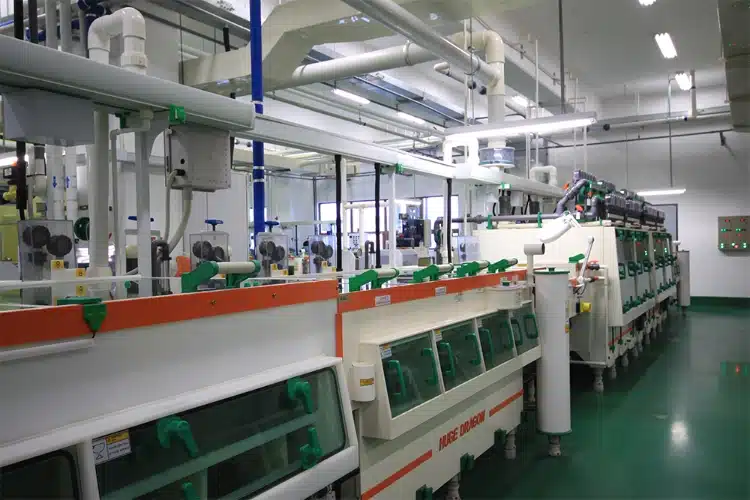
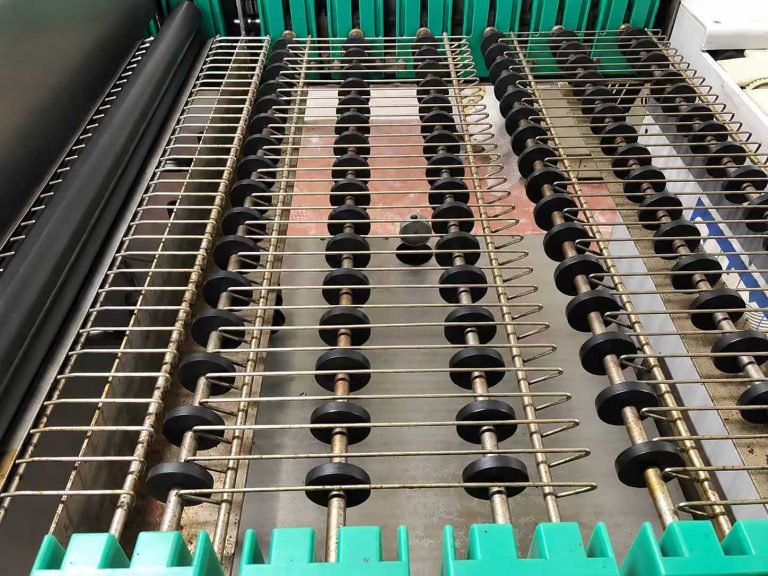
Компания Shenzhen Qixingyuan Equipment Parts Co. поставляет запасные части и комплектующие для оборудования для мокрой обработки печатных плат. В сферу её деятельности также входит оборудование для мокрой обработки ЖК-дисплеев и изготовление комплектующих на заказ. Для бригад, обслуживающих горизонтальные линии по производству печатных плат, запрос может начинаться с описания установленной детали и выполняемой ею задачи.
При обсуждении расходомера для трубопроводов, контактирующих с печатными платами, укажите расположение оборудования, схему подключения и фотографии всей сборки. Добавьте информацию об используемой рабочей жидкости, условиях эксплуатации и причине замены. Разделите основные требования и предпочтения, особенно если запрос касается электрической мощности или калибровочного документа.
Перед оформлением заказа запросите в письменном виде предлагаемый объем поставки. Укажите, запрашивается ли полный счетчик или отдельный компонент, и определите документы, необходимые для входного контроля. Используйте систему Qixingyuan. информация о компании и продукции в качестве отправной точки для этого обсуждения, а окончательная спецификация будет привязана к фактической установке.
Заключение
Перед заказом расходомера из ПВХ выясните, что изменилось, проверьте условия калибровки и согласуйте порядок ввода прибора в эксплуатацию. Сохраните оригинальные записи измерений вместе с протоколом замены. Для запроса в компанию Qixingyuan предоставьте этот протокол с необходимыми сведениями о сборке, а также с указанием любых требований к сигналам или документации.
Часто задаваемые вопросы
Следующие вопросы касаются решений, которые следует принять до оформления заказа на покупку или выпуска оборудования для технического обслуживания.
Может ли расходомер из ПВХ с калибровкой по воде измерить расход химического раствора?
Попросите поставщика или компанию, занимающуюся калибровкой, подтвердить применимость весов к указанному раствору. Укажите концентрацию и температуру, а также запросите необходимую информацию о свойствах жидкости или метод пересчета. Проверьте открытые материалы отдельно. Не используйте кажущийся устойчивым поплавок в качестве критерия приемки. При закупке потребуйте, чтобы в коммерческом предложении были указаны предполагаемые условия эксплуатации и основания для интерпретации показаний в ваших рабочих условиях.
Что должен указать поставщик в протоколе калибровки ротаметра?
Запросите идентификационные данные прибора, калибровочную жидкость, условия испытаний, эталонные значения и соответствующие показания. Укажите неопределенность измерений и использованный критерий приемки, а также результаты в исходном и конечном состоянии, в местах проведения работ. Укажите дату калибровки и идентификацию поставщика. Согласуйте эти поля перед заказом; одного названия сертификата недостаточно для подтверждения пригодности прибора для вашего процесса. Храните записи, прикрепленные к тому же прибору, в файлах технического обслуживания.
Следует ли заменить только измерительную трубку или весь измерительный прибор целиком?
Принимайте решение, основываясь на документально подтвержденном соответствии компонентов и состоянии сохранившихся деталей. Запросите подтверждение того, что заменяемая трубка предназначена для существующего поплавка и весов. Если это невозможно установить, запросите предложение по полной сборке вместо объединения неопознанных деталей. Сравните предлагаемый объем работ, требования к калибровке и монтажные работы перед покупкой. Сохраните оригинальные фотографии компонентов, чтобы отдел входного контроля мог проверить согласованную конфигурацию.
Может ли визуальное измерение расхода воздуха служить в качестве блокировки при низком расходе?
Визуальное считывание само по себе не является сигналом электрического отключения. Если требуется автоматическое действие, укажите схему сигнализации, а группа специалистов по управлению определит и протестирует ответные действия. Укажите действия, необходимые при отказе сигнала. Компания Qixingyuan описывает дополнительные электрические выходы в информации о расходомерах; подтвердите заказанную конфигурацию и ее пригодность для системы управления. Сохраняйте результаты проверки прибора и проверки блокировки в отдельных протоколах приемки.
При запросе расходомера Qixingyuan укажите, требуется ли вам локальная индикация, электрический выход или и то, и другое, и приложите согласованные требования к приемке.