The loose component is only one part of a spacer sleeve inquiry. Keep a record of the shaft arrangement it came from: the neighboring pieces, their order and the gap. Use that record to establish the intended job before discussing a replacement. Dimensions, exposure conditions and first-piece acceptance follow from there, with spacing and retention treated as separate purchase questions.
Identify the function shown on the assembly
Check the old purchase description against the assembly, using an installation photograph to clarify the drawing.
Use a spacer to establish separation or axial position
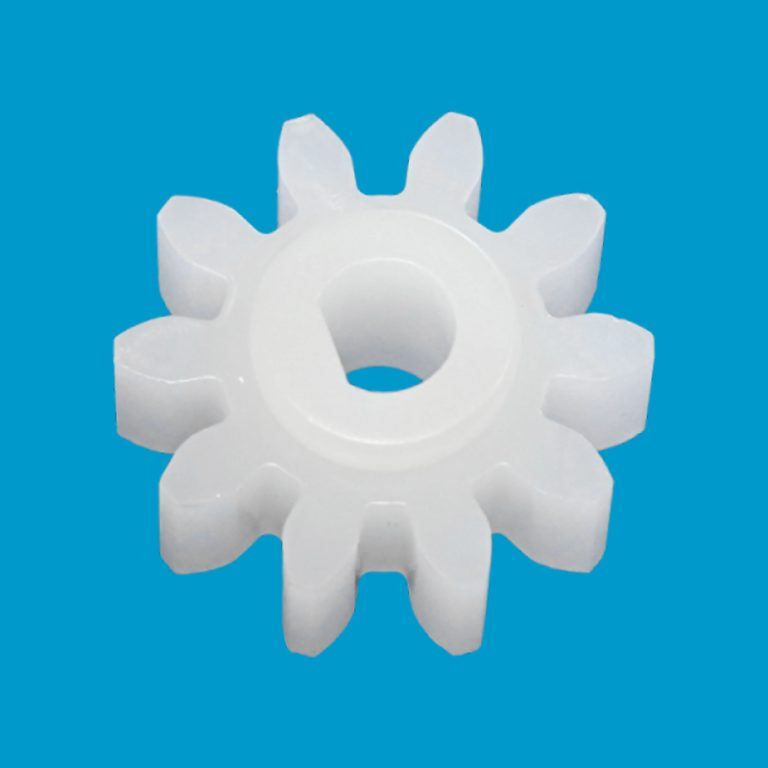
Axial positioning and gap adjustment are the published uses of Qixingyuan’s PCB spacers. Put the spacer location and required separation on the assembly drawing, including the thickness being requested. Let the photograph explain the arrangement and the drawing carry the dimensions for approval.
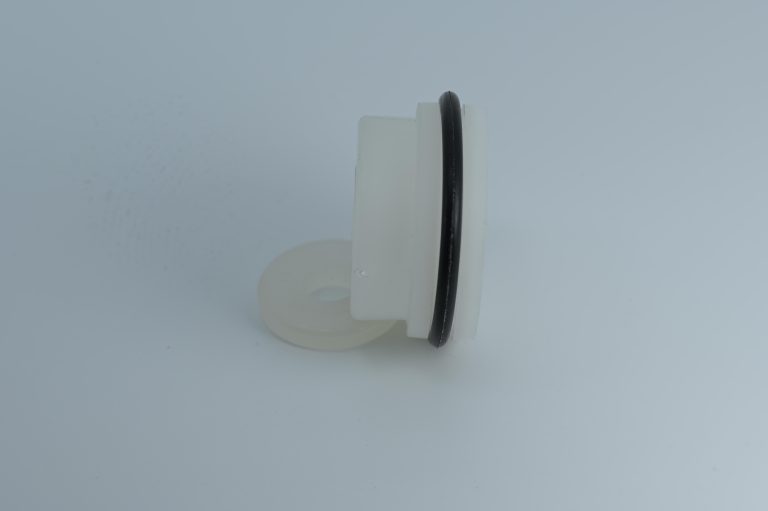
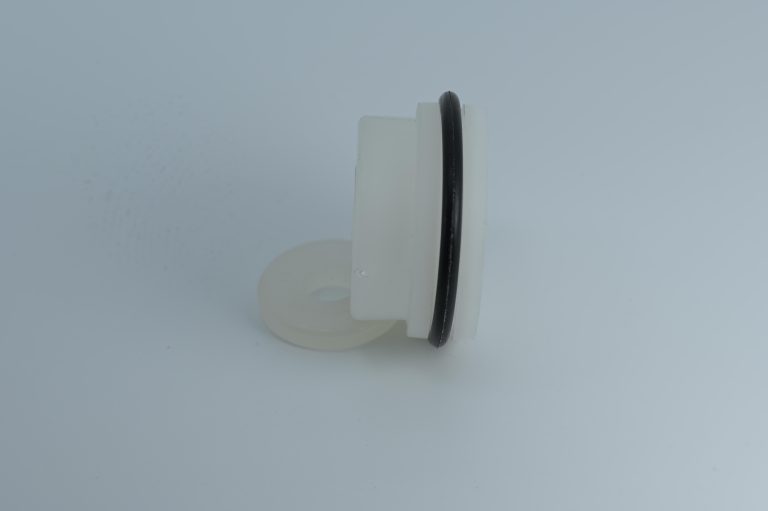
Keep a pre-removal photograph with the shaft-order note. The loose-part view shows shape; it may not show which face contacted the next component.
Use a locking sleeve or fixed ring to retain the position
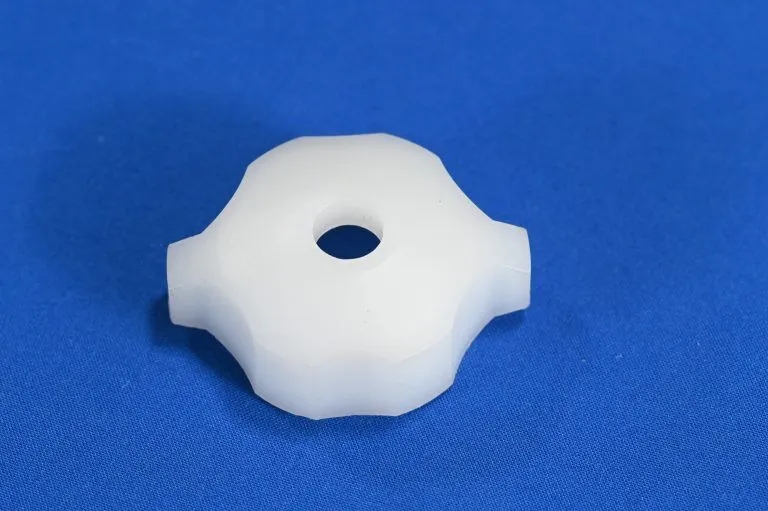
Here the purchase question is which position must be retained. Show the feature that does the retaining on the existing assembly, whether a slot or another visible detail. A similar outline is only a starting point for looking through the range; describe the actual retention arrangement in the inquiry.
When movement is the reason for maintenance, retain it as an observation in the inquiry. Examine wear, looseness and assembly changes against the drawing. Mark the observed position separately from the intended one. A request to copy the removed piece should not leave that distinction unexplained.
Qixingyuan lists both spacers and locking sleeves for PCB equipment. State which installed function the inquiry concerns when contacting the company.
Reconstruct the stack-up before requesting a quote
List the shaft components in order, with the required roller or wheel position. Shaft fit alone does not settle the replacement specification.
Capture bore, outside diameter, thickness and slot details
Bore, outside diameter and thickness head the measurement sheet. A slot or retention feature gets its own entry when present. Mark readings from worn or deformed areas as observations of the used part. If the bore is out of round, leave its directional readings visible on the sketch instead of reporting one replacement size.
On the fixed-ring/locking-sleeve page, Qixingyuan describes an inner diameter matching the roller shaft and an outer diameter no larger than the roller OD. Round, slotted and custom shapes are listed there. Apply those notes to the item being discussed and request its order drawing for final limits; other assemblies need their own dimensional review.
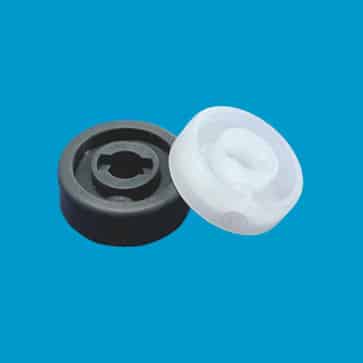
Qixingyuan fixed ring and locking sleeve product listing
Measure adjacent parts and the full assembled gap
Use the drawing datum to locate the shaft shoulder and adjacent pieces on the sketch. Add actual axial clearance and, for a shifted roller, the observed and intended positions. The table is a way to collect inquiry information. Acceptance tolerances still belong to the approved specification.
|
Part or symptom |
What to measure or observe |
Acceptance evidence to request |
|---|---|---|
|
Spacer between two components |
Bore, outside diameter, thickness, contact faces |
Approved drawing and measured first-piece record |
|
Fixed ring on a roller shaft |
Shaft diameter, ring position, retention feature |
Supplier confirmation of interface and position |
|
Roller or wheel sits too far in/out |
Full axial stack and reference datum |
Assembly drawing or documented position check |
|
Repeating contact or edge mark |
Circumferential spacing and nearby clearances |
Photo and location record compared with the assembly |
|
Part has shifted after operation |
Position before/after and visible retention detail |
Review of cause before duplicate order |
Separate used-part readings from required tolerances. At drawing approval, agree the first-piece measurements and trial-fit checks.
Qixingyuan ties sizing to shaft diameter and actual axial clearance in its published selection guidance.
Select material from the actual wet-line exposure
Describe how process liquid or cleaners reach this location before reviewing a catalogue material option.
Compare engineering plastic and stainless options without assuming interchangeability
Цисинъюань slotted-spacer page lists SUS316 stainless steel or PP engineering plastic. Its fixed-ring page lists HCPP and says other engineering plastics or metals may be customized for some items. These are page-specific options, not a universal materials list.
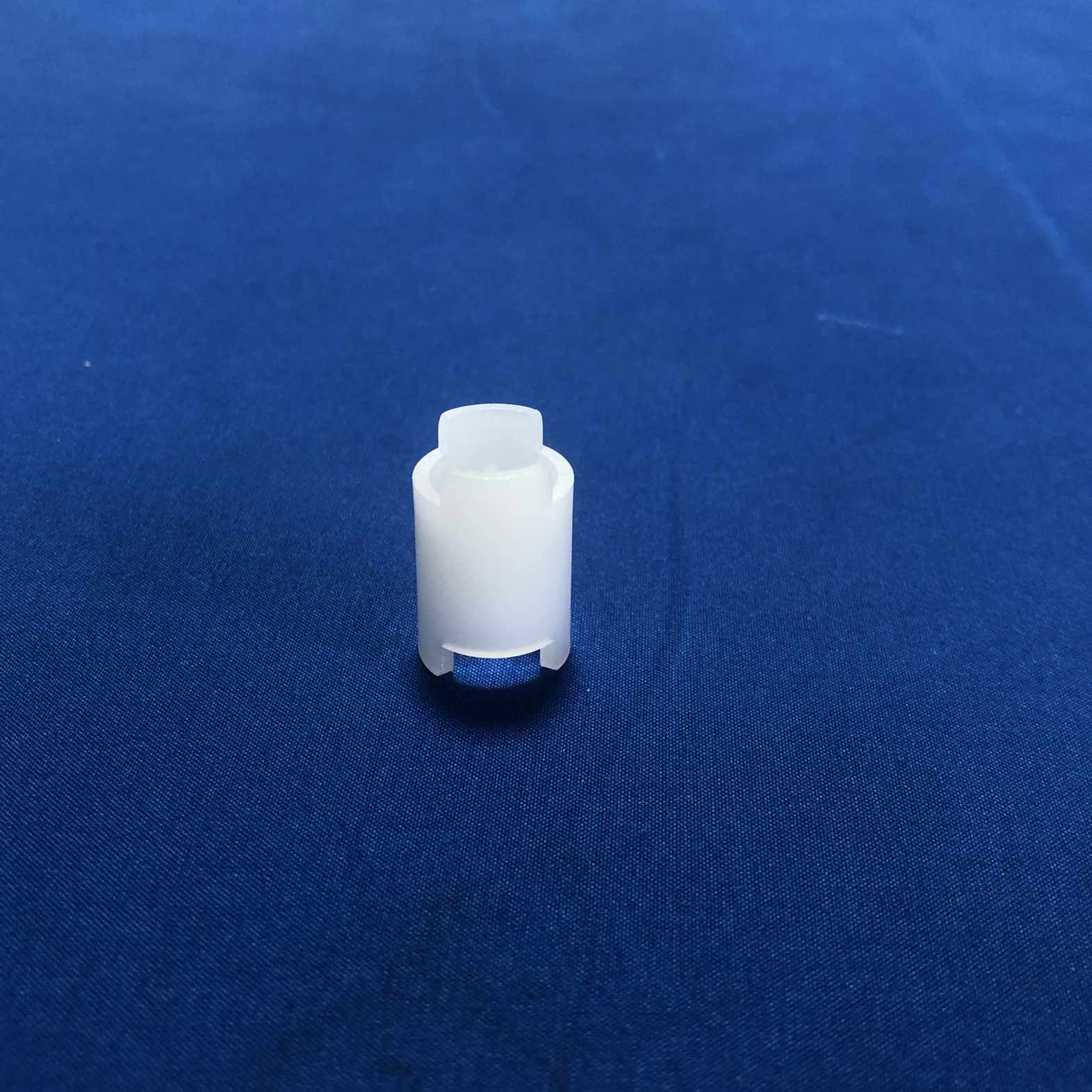
Qixingyuan slotted spacer product listing
The next step is to match the selected option to the proposed location. Describe the chemical, concentration, temperature and contact pattern there, along with the cleaning cycle and relevant movement or load. Request grade and geometry confirmation for those conditions. Write the agreed material into the purchase documents instead of carrying forward a broad polymer family or stainless designation.
State cleaning chemistry and operating conditions in the RFQ
“Wet line” is too broad a description for this part of the RFQ. Name the section and say whether the component stays dry, receives splash or is immersed. Include the maintenance cleaners. Give the recorded process ranges, not just a convenient operating value, when asking for material confirmation.
Qixingyuan’s pages give selected material options and selection advice. Final chemical compatibility should be confirmed for the ordered part and process.
Inspect the first replacement before fitting the full batch
Receiving should have the approved drawing before the parts arrive. The first-piece check starts with that revision and the purchase description, kept together beside the delivered component.
Verify dimensions, edge condition and part identity
Lay out the order, material declaration and drawing revision for the identity and quantity checks. Then measure the controlled dimensions and look for damage at the bore, slot and contact faces. Keep the results with receiving. A mismatch with the drawing goes back to the supplier before installation, rather than being carried forward as an unexplained exception.
Trial assemble and document axial movement and rotation
Use the equipment maker’s method and the site isolation procedure for a trial assembly. Record the fitted position and clearance against the machine’s criteria. This is the assembly check of the replacement, with the part in the position for which it was ordered.
Before releasing the purchase, review these entries together:
Identify whether the component establishes spacing or retains a position.
Map the shaft stack and record the actual axial clearance.
State bore, outside diameter, thickness, and present retention features.
Describe process and cleaning exposure for material review.
Approve a drawing and define first-piece receiving checks.
Record trial fit observations before the line returns to service.
Qixingyuan’s catalog includes spacer and locking-sleeve products for PCB equipment. A first-piece record tied to the drawing gives both sides a basis for reviewing a repeat order.
About Shenzhen Qixingyuan Equipment Parts Co.
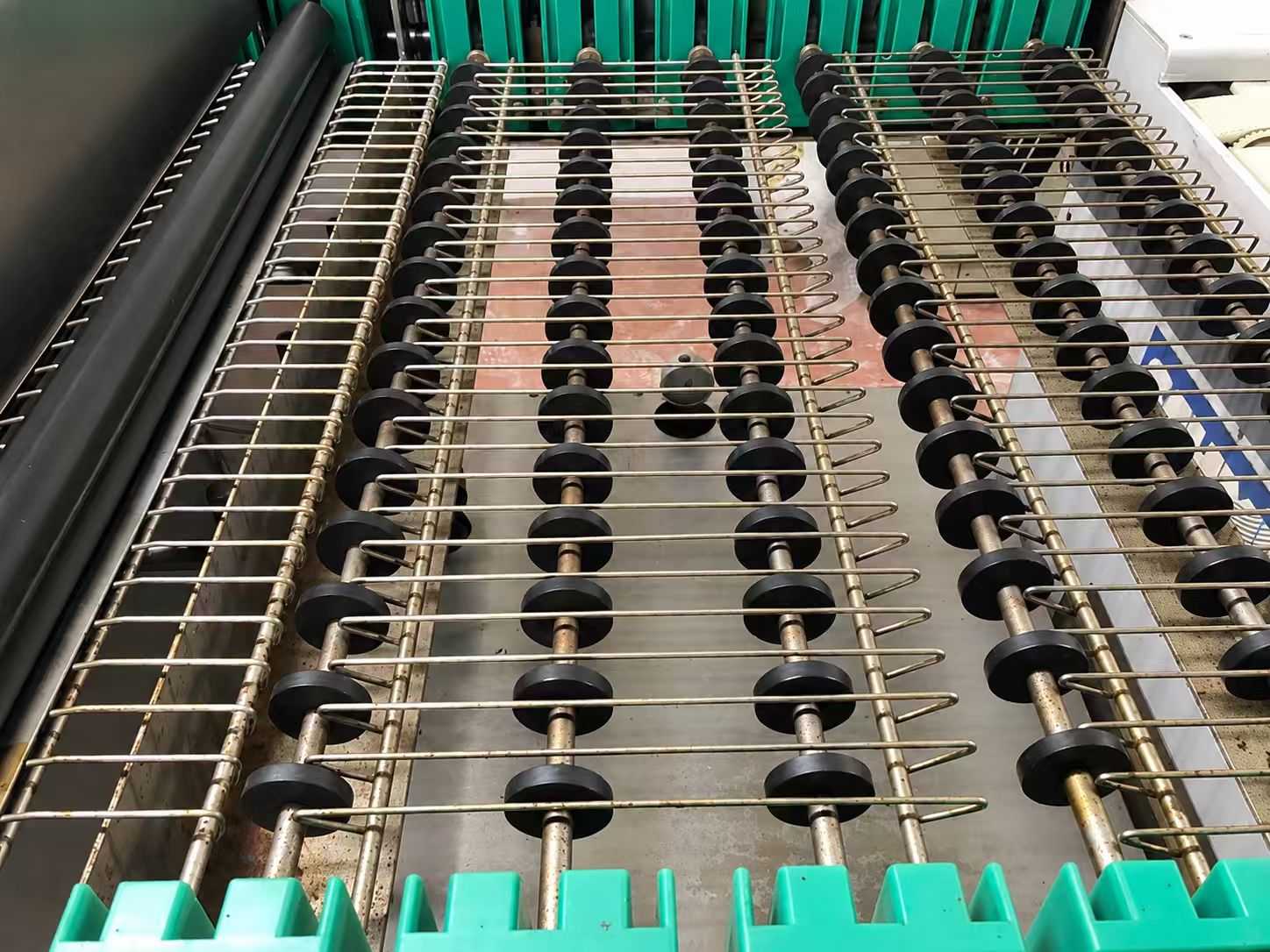
The Qixingyuan range discussed here includes PCB spacers and locking sleeves, with axial positioning and gap adjustment as published uses. Shenzhen Qixingyuan Equipment Parts Co., Ltd. also lists spares and custom replacement components for PCB and LCD wet-process equipment. Refer to the selected fixed-ring or slotted-spacer entry for its material notes; those entries describe different product options.
For the inquiry, provide shaft diameter, axial clearance and neighboring dimensions. Identify the drawing or sample, function and process environment. Request written configuration and material confirmation before release.
Keep the quotation and approved drawing revision for receiving and the spare history. Describe any assembly or process changes with a repeat-order request.
Qixingyuan’s pages give buyers an entry into the relevant product families. Request the dimensions and material for the actual assembly, including its exposure conditions.
Заключение
Keep the spacer sleeve specification tied to its installed position. Describe the function, the assembled gap and the exposure conditions before approving dimensions and material. Use the first-piece check to compare delivery with that agreement. Qixingyuan’s spacer and locking-sleeve listings are the product references for an inquiry; the order drawing should capture the selected configuration.
Часто задаваемые вопросы
These answers address the purchase review.
How do I tell whether I need a spacer sleeve or a locking sleeve?
Ask what the component does in the assembly, using the drawing as the reference. The spacer function is separation or axial positioning; a locking sleeve or fixed ring retains a position. When that job is unclear, send a pre-removal photograph with neighboring parts visible. Have the supplier identify the intended function of its proposed item. This avoids making the purchase description depend only on the outline of the removed piece.
What dimensions should be included in a spacer sleeve RFQ?
On the component sketch, show bore, outside diameter and thickness, adding any slot or retention detail that is present. Pair it with a sketch of its position on the shaft: adjacent dimensions and actual axial clearance belong there. Identify the datum, measurement method and any worn areas. Before approving the quotation, request a returned drawing with the controlled dimensions stated. Leave no tolerance agreement dependent on an unlabeled used-part reading.
Can PP, HCPP, or stainless steel be selected based on a product page alone?
Take the listed material into the discussion as an option, with the process description alongside it. The page alone does not settle compatibility. Include liquid concentration, temperature, splash or immersion and the cleaning cycle when requesting confirmation of the proposed grade and geometry. The purchase documents should then name the material that was agreed. A general polymer or stainless designation leaves that order detail broader than the selection actually reviewed.
How should a buyer inspect the first replacement spacer sleeve?
Keep the order, material declaration and approved drawing beside the delivered item for receiving checks. Record the controlled dimensions and any damage at the bore, edges or contact faces. The equipment maker’s trial-assembly procedure supplies the next step, with fitted position and movement recorded against site criteria. If the drawing and delivery disagree, obtain a supplier resolution before fitting the remaining pieces and retain it with the first-piece record.
Qixingyuan lists spacers and locking sleeves for PCB equipment. An inquiry should identify the selected family and carry the dimensions and exposure conditions into the order review.