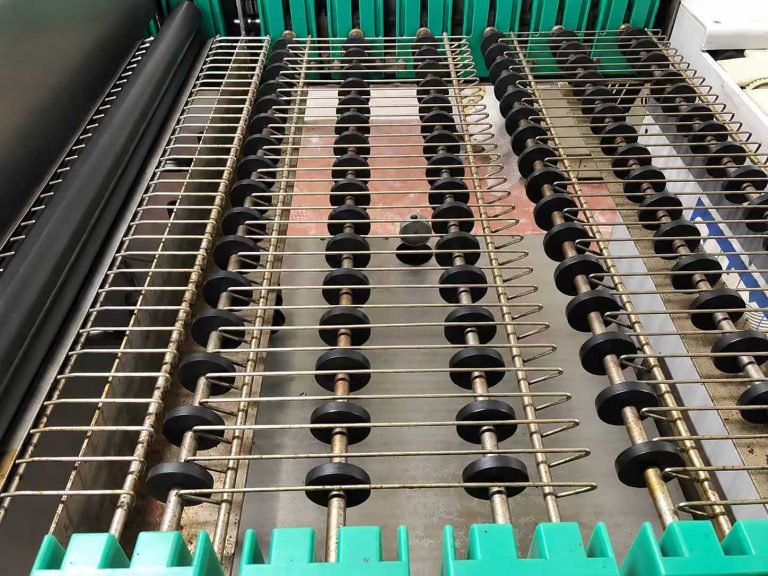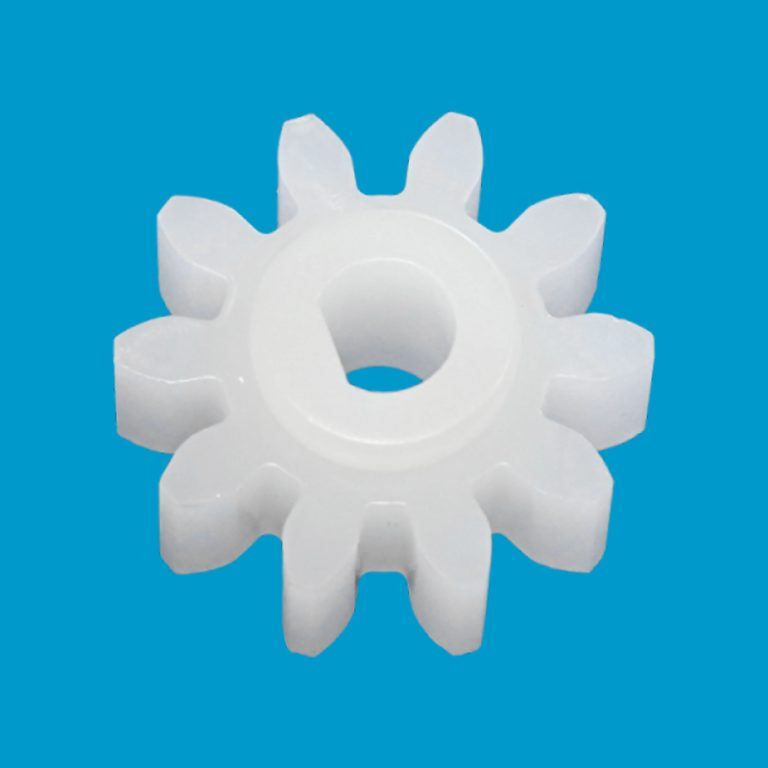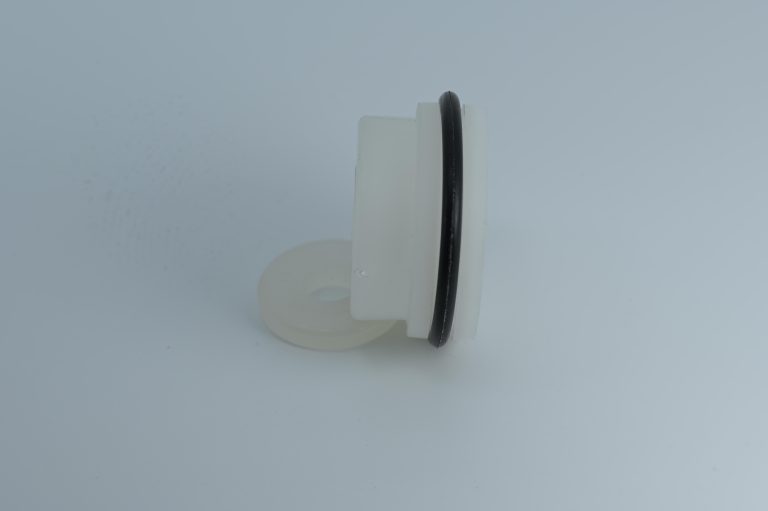
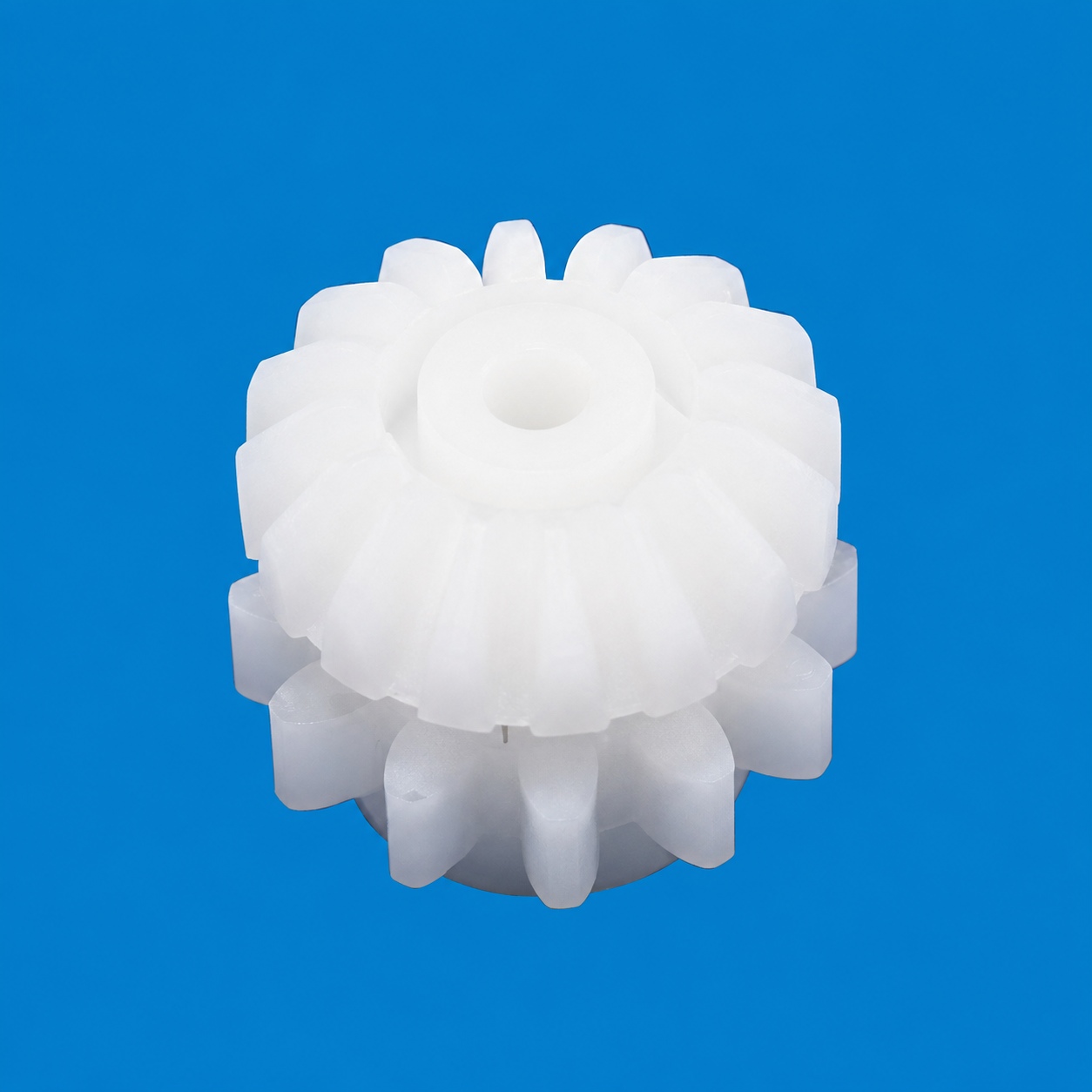
In PCB manufacturing, conveyor motion and transmission systems play a silent but crucial role. Wet process lines include etchers, developers, washers, and dryers, and every gear affects throughput, stability, and maintenance cycles. One effective solution is double gears — a compound gear arrangement that allows compact installation and higher torque without oversized components. This article explains what double gears are, why they matter, and how they maximize space, improve torque, and support reliable conveying in wet processing environments.
What Are Double Gears in PCB Equipment?
A double gear in PCB equipment is a two-stage assembly where two gears are mounted on a common shaft or paired closely to share load and transmit motion. Unlike a single large gear, a double gear uses compound transmission to achieve higher effective ratios while keeping size smaller.
In horizontal PCB conveyors, shafts often run at different speeds. Where space is limited and torque demand is high — such as washer exits or etcher entries — double gears provide torque multiplication without bulky components.
These arrangements integrate with conveyor shafts and rollers, improving synchronization. Choosing the right tooth counts and bearings reduces backlash and noise.
Suppliers like Qixingyuan provide high-quality double gears designed for wet process lines, ready to replace worn units and improve uptime.
Why PCB Wet Process Lines Need Compact Transmission
PCB wet process lines are densely packed: chemical tanks, spray headers, rollers, air knives, and safety guards leave limited space. Traditional high-torque solutions might require large single-stage gears, complicating maintenance and alignment.
Compact transmission solutions, like double gears, split gear ratios across two smaller gears, yielding layouts that fit within housings while delivering needed torque.
Engineers replacing oversized setups with compound gear trains report easier assembly access, fewer interference issues, and uniform speed distribution across conveyor sections.
Qixingyuan offers compact PCB equipment gears engineered for tight spaces. Their designs reflect field experience, ensuring each double gear fits common wet process platforms without redesign.
How Compound Transmission Reduces Gear Size
Compound transmission chains two or more gear pairs to multiply the overall gear ratio without a single large gear. A 9:1 reduction could be achieved by two 3:1 stages, each with moderate-size gears.
Benefits:
| Benefit | Explanation |
| Smaller gear diameters | Dividing reduction across stages keeps gear size manageable |
| Better torque distribution | Multiple meshes share torque load |
| Improved layout flexibility | Gears can be positioned to avoid interference |
PCB conveyor systems use compound gear trains on shafts where torque peaks, such as heavy panel sections or areas with chemical exposure.
Qixingyuan’s compound gear products provide reliable motion transfer, sized for typical PCB conveyor diameters, and integrate smoothly with existing transmissions.
How Double Gears Improve Torque Output
Torque output depends on gear ratio and input power. Increasing torque traditionally requires larger gears. Double gears achieve torque multiplication without oversizing.
In developer modules, insufficient torque can cause slippage or speed fluctuations. Compound transmission ensures motor speed translates to enough torque at rollers, maintaining consistent movement.
Sharing torque across multiple gear meshes reduces tooth stress, lowers vibration, and extends service life. PCB fabricators experience smoother starts, reduced motor current spikes, and fewer mechanical failures with double gears.
Leading suppliers provide double gears tested for torque-heavy applications, matching load profiles without premature wear.
Key Advantages of Double Gear Technology
Double gears bring performance improvements to PCB machinery:
- Smaller installation envelopes
- Better meshing accuracy
- Higher torque at output shafts
- Reduced noise and backlash
- Lower maintenance intervals
| Advantage | Practical Impact |
| Compact transmission | Easier integration with spray chambers and guards |
| Wear-resistant surfaces | Longer service life in wet environments |
| Precision meshing | More predictable conveyor speed |
Double gear systems from Qixingyuan balance these advantages, combining finished tooth surfaces with chemical resistance for etching and cleaning stages.
Applications in Etching, Developing, Washing, and Drying
Double gears find use across the wet process line:
- Etching Machines:Maintain torque under chemical exposure in tight spaces.
- Developers:Ensure uniform conveyor speed over dwell times.
- Washers and Dryers:Provide stable torque where air knives and diverters reduce space.
PCB conveyor gear selection affects machine reliability. Double gears balance torque and size across these workflows.
Qixingyuan offers robust gear solutions for wet process applications, enabling fast replacement and lower installation effort.
Material and Precision Considerations in Wet Environments
Wet process lines expose gears to etchants, coolants, cleaners, and rinse water. To withstand these:
- Materials should resist corrosion.
- Tooth profiles must be precise to minimize backlash.
- Meshing clearance must be controlled to avoid slippage.
Poor material or precision leads to wear, noise, and early failure. Precision gear sets perform better in abrasive environments.
Suppliers like Qixingyuan provide double gears that maintain transmission accuracy in aggressive wet conditions.
How to Choose the Right Double Gear
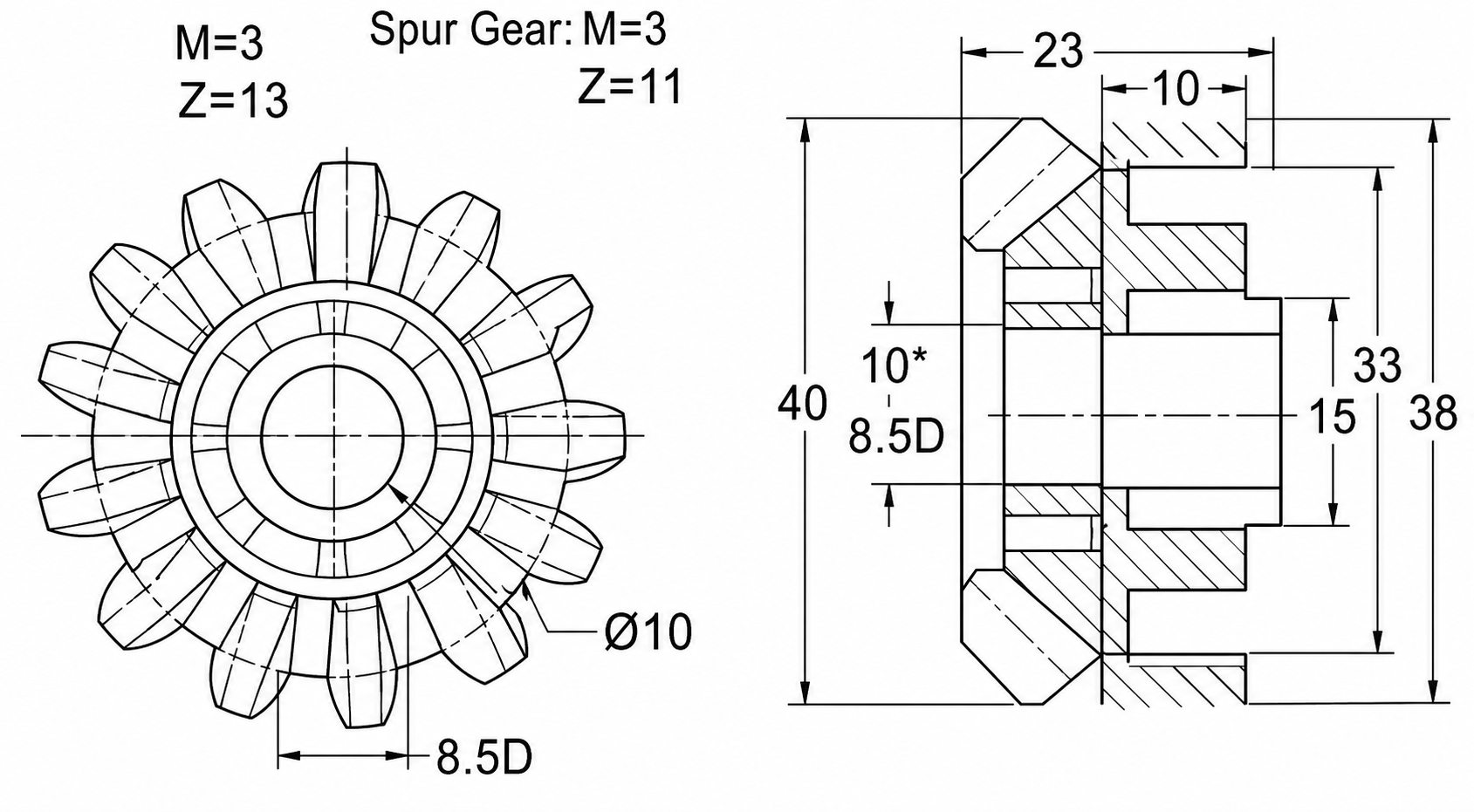
Key factors for selection:
- Equipment type: etcher, washer, dryer
- Shaft diameter and keyway
- Required gear ratio for speed and torque
- Chemical exposure level
- Load and conveyor mass
- Installation space
- Material and precision requirements
A clear checklist helps maintenance and procurement teams compare options. Qixingyuan’s Double Gear Parameters: Bevel Gear M=3, Z=13; Spur Gear M=3, Z=11; Specification 13T+11T. Qixingyuan assists in matching gear sets to process needs and transmission requirements.
Maintenance Tips to Extend Service Life
Practical maintenance tips:
- Inspect teeth for wear
- Check meshing clearance
- Verify shaft alignment
- Lubricate bearings properly
- Monitor for unusual noise or vibration
Tracking wear and replacement intervals reduces unplanned downtime. Qixingyuan provides guidance to set up effective maintenance protocols.
Introduction to Shenzhen Qixingyuan Machinery Equipment Co., Ltd.
شركة شنتشن تشيكسينغ يوان لمعدات الآلات المحدودة is a professional China PCB horizontal line wet processing equipment spare parts, like gears, screws, transmission, rollers and other related parts supplier for PCB OEM manufacturers and after market service providers. The high quality double gears and transmission parts are designed for long term operation in chemical environment for etching, developing, washing and drying processes of PCB manufacturing line. With experienced engineers and advanced technology, we can supply professional PCB processing equipment spare parts and customized solution to minimize production downtime and to keep the best production efficiency.
خاتمة
Double gears are crucial components in the wet process lines of PCB manufacturing equipment. They are used in compound transmission to save installation space while increase torque and smooth operation of the conveyor. Double gears are compact, precisely meshed and can resist corrosion effectively. For applications requiring high performance and stable running, double gears are the best choice. They can be applied to etchers, developers, washers and dryers. Double gears can improve production capacity and reduce maintenance. Replacing, installing and using double gears in long term can be done smoothly with right suppliers, like Qixingyuan.