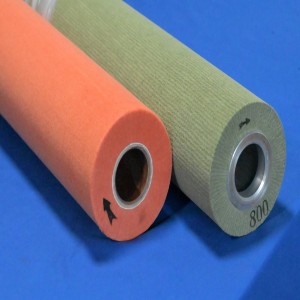
A PCB brush roller rarely fails in one clear moment. Cleaning quality slips first: faint oxide remains, copper dust returns, or operators add pressure to keep production moving. PCB brush roller replacement should happen before these changes cause scratches, rework, or an emergency stop. Judge the roller by surface results, physical wear, and machine behavior rather than one calendar interval.
Why Brush Roller Wear Affects PCB Quality
In a PCB wet process line, the roller removes copper powder, light oxide, resin film, dust, or residue before later treatment. As bristles shorten or lose elasticity, contact becomes uneven. One side may clean differently from the center even while the roller turns normally.
A worn PCB cleaning line brush roller may force operators to slow the conveyor or raise pressure. Thin boards can flex, and sensitive copper may show brush marks. By the time yield falls, the loss may exceed the replacement cost.
Qixingyuan supplies brush rollers and related wet-process spares for PCB horizontal lines. Buyers can compare nylon, non-woven, ceramic, grinding, spring, and high-density brushes by cleaning position, residue type, and surface sensitivity.
Factors That Affect Brush Roller Service Life
Brush roller service life varies widely between PCB production lines. A roller used for one shift of light surface cleaning will not wear at the same rate as one handling heavy oxide removal around the clock.
The main factors include:
- Daily operating hours and production volume
- Brush pressure and contact depth
- Conveyor and roller speed
- PCB thickness, copper condition, and surface material
- Copper dust, resin, oxide, and other residue loads
- Brush filament material, density, and hardness
- Acid, alkaline, temperature, and chemical exposure
- Spray cleaning efficiency and maintenance frequency
- Shaft alignment, bearing condition, and board support
Excessive pressure is one of the most common causes of early wear. Poor spray cleaning can also trap copper powder inside the bristles, making them stiff and reducing effective contact.
Qixingyuan supplies nylon, non-woven, ceramic, grinding, spring, and mechanical high-density brush rollers for different PCB cleaning duties. Its team can review line speed, chemicals, board type, wear pattern, and current roller dimensions to help buyers select a suitable replacement and reduce repeated premature wear.
Key Worn Brush Roller Signs to Watch
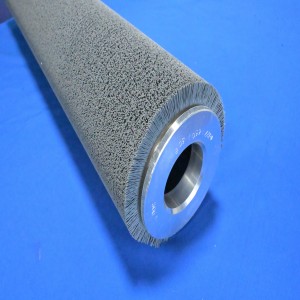
No single symptom proves that a roller must be replaced. Look for several signs together, especially when cleaning and adjustment no longer restore stable results.
Cleaning Results Change
Uneven PCB cleaning is often the first warning. Operators may see stripes, dull areas, copper dust, or oxide residue after a pass that once worked well. Check spray flow, chemistry, line speed, and board support first. If these are normal, brush contact may have weakened.
The Roller Shows Physical Wear
Look for bristles that are bent, missing, hard, swollen, or packed with residue. Bristle density loss cuts contact points. Measure brush roller diameter at the left, center, and right. A tapered profile can point to pressure imbalance or shaft alignment trouble.
Machine Behavior Becomes Unstable
Brush roller vibration, unusual noise, and visible shaft runout need prompt attention. An out-of-round roller may strike the board repeatedly. Operators may also keep increasing brush pressure because the former setting no longer works. That fix can speed wear and cause PCB surface scratches.
Production Data Starts Moving
Track repeat cleaning, slower throughput, surface-preparation failures, plating adhesion issues, and unexplained rework. A roller can become unsuitable before it looks destroyed.
Qixingyuan can review photos, dimensions, wear patterns, and cleaning position before an order. This helps buyers avoid a brush that fits the shaft but not the surface task.
How to Inspect, Clean, Adjust, or Replace the Roller
Inspect the roller after washing it and safely stopping the machine. Contamination can look like material failure, while a setup fault can look like brush roller wear. Use a repeatable routine:
- Record line speed, brush pressure, and board type.
- Clean the roller and check bristle recovery.
- Measure diameter across the working length.
- Inspect the shaft, bearings, holders, and coupling.
- Run a test panel and compare the contact pattern.
- Check spray nozzles and board support.
| Condition | Action | Judgment Criteria | Notes |
| Residue on roller | Clean | Loose residue; bristles recover after cleaning; no permanent damage. | Confirm spray cleaning condition and maintenance frequency before deciding on replacement. |
| Poor cleaning | Adjust | Correct pressure, alignment, speed, spray, or support issues. | Avoid repeated pressure increases as a permanent solution because they accelerate wear and may scratch PCBs. |
| Uneven wear | Adjust / Replace | Check diameter and contact pattern; replace if wear cannot be corrected. | Correct the cause of uneven wear before installing a new roller. |
| Bristle damage | Replace | Broken, missing, hardened, bent bristles or reduced density. | Permanent filament damage normally cannot be restored by cleaning or adjustment. |
| Mechanical damage | Replace | Out-of-round roller, vibration, noise, or shaft problems. | Mechanical instability may cause repeated PCB impact or surface defects. |
| Diameter loss / poor recovery | Replace | Below process limit or cleaning fails after adjustment. | Use process data and test-panel results rather than a fixed replacement interval. |
Clean the roller when loose residue is the issue and bristles recover. Adjust the system when pressure, alignment, spray flow, or conveyor support is wrong. Replace it when bristles have permanent damage, the body is out of round, diameter is below the plant limit, or cleaning cannot be recovered.
This condition-based method is better than a universal brush roller replacement interval. Service life changes with hours, board mix, chemicals, residue load, speed, material, and care.
For PCB preventive maintenance, Qixingyuan offers brush rollers plus conveyor, spray, transmission, drying, and measurement parts. Buyers may send a drawing or sample when dimensions are unclear or repeated wear calls for a specification review.
Choosing a Replacement Brush Roller
The best replacement is not always the same material as the worn part. Start with what the station must remove and how much surface action the board can accept. General cleaning may suit a nylon or high-density PCB brush roller. Fine preparation may call for a non-woven brush roller. Stronger PCB oxide removal may require a ceramic or grinding brush roller after testing.
Before requesting a quotation, collect the data below.
| Detail | غاية |
| Diameter and working length | Sets contact range and clearance |
| Total length, shaft, or bore drawing | Confirms fit |
| Bristle material, density, and hardness | Controls cleaning force |
| Board thickness and copper condition | Shows surface sensitivity |
| Line speed and brush pressure | Shows operating load |
| Chemistry and temperature | Reveals material attack |
| Defect or wear pattern | Guides specification changes |
A custom PCB brush roller should be selected from process evidence, not only a photo. Qixingyuan supports brushes for common and stronger cleaning duties, plus drawing- or sample-based parts for PCB horizontal wet-processing equipment.
نبذة عن شركة شنتشن تشيكسينغ يوان لمعدات الآلات المحدودة.
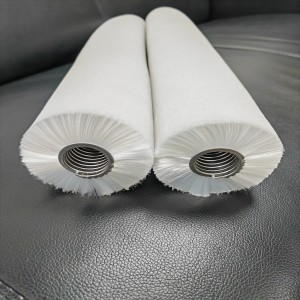
شركة شنتشن تشيكسينغ يوان لمعدات الآلات المحدودة supplies spares and parts for PCB horizontal line wet processing equipment. Established in 2011, the company combines design, production, and sales for parts used in cleaning, conveying, spraying, drying, transmission, and process control. Its range includes brush rollers, water-retaining and conveyor rollers, wheel discs, air knives, nozzles, filters, gears, screws, shafts, bushings, consumables, and measurement items.
Maintenance and procurement teams may provide drawings, samples, dimensions, photos, operating data, or a failure description. This helps when an older machine has incomplete records, an original spare is hard to source, or repeated wear calls for a specification review. The company also publishes application cases and technical articles for buyers comparing parts by process position.
Qixingyuan invites PCB manufacturers, equipment builders, and maintenance contractors to discuss replacement brush rollers and related wet-process parts with its technical and sales team.
خاتمة
When to replace PCB brush rollers should be decided by cleaning performance, measured wear, and machine behavior. Replace the roller when uneven cleaning, bristle damage, diameter loss, vibration, rising pressure, or repeated defects remain after cleaning and adjustment. Keep dated measurements and test-panel results to plan the next change.
Qixingyuan supports PCB brush roller replacement with product selection, drawing review, and related spares for horizontal wet-process lines.
الأسئلة الشائعة
How often should PCB brush rollers be replaced?
There is no reliable fixed period for every factory. Brush roller service life depends on running hours, board type, residue load, chemical contact, pressure, speed, and cleaning practice. Set an inspection interval, record diameter and surface results, and replace the roller when performance moves outside the approved process range. Qixingyuan can compare operating details, failure history, and cleaning targets with suitable brush materials and construction options.
Can higher brush pressure extend the life of a worn roller?
A small setting change may restore contact after minor wear, but repeated pressure increases usually hide a deeper problem. Extra pressure can bend bristles, raise motor load, mark thin copper, and speed uneven wear. Return to the standard setting and test the surface. If cleaning stays poor, plan PCB brush roller replacement instead of using pressure as a permanent correction that may create a second quality problem.
What causes one side of a brush roller to wear faster?
One-sided wear often comes from shaft misalignment, uneven bearing height, poor board support, incorrect pressure, blocked spray nozzles, or boards entering off-center. Measure the roller at several points and inspect the drive and support system. Replacing only the brush without correcting the cause may produce the same failure again. Qixingyuan can review wear photos, dimensions, and line conditions during replacement selection.
What information should a buyer send for a replacement quotation?
Send the outer diameter, working length, total length, shaft or bore drawing, bristle material, density, hardness, line speed, pressure, chemistry, board range, and current defect. Photos of the old roller and wear pattern are also useful. When drawings are missing, a sample may confirm the replacement brush roller specifications. Qixingyuan uses these details to discuss fit, cleaning duty, customization, and likely causes of early wear.