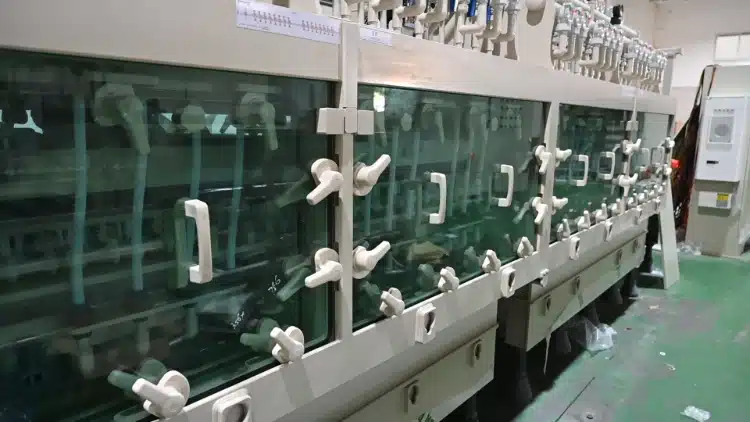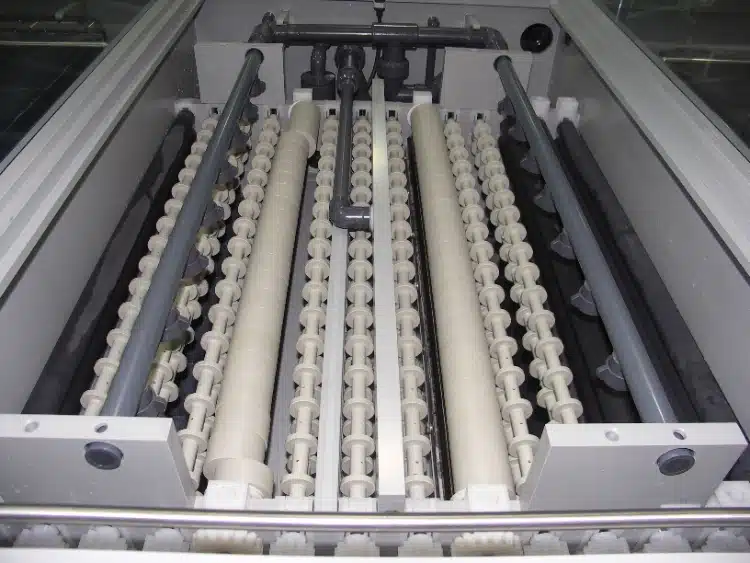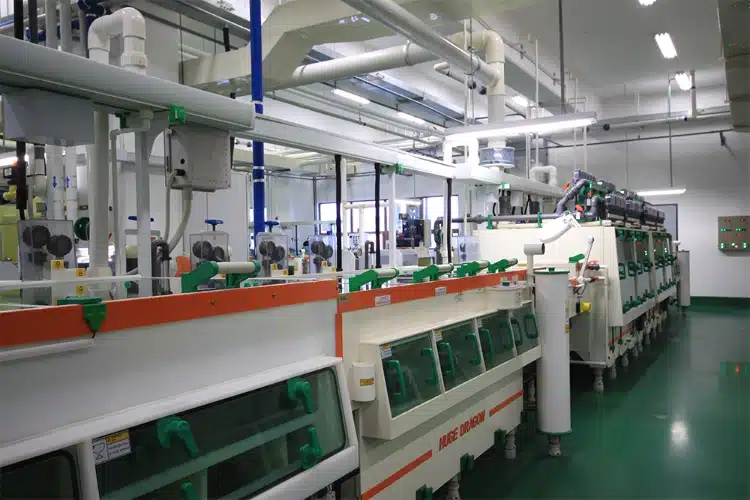
Picture the stores check before a planned conveyor repair. The main replacement is on the shelf; the purchase order is complete. Then someone asks which sleeve and spacer belong with it. If those references are still unknown, the job isn’t ready. PCB shutdown spare parts planning has to reach beyond the item that started the order and cover what it will take to put the assembly back together.
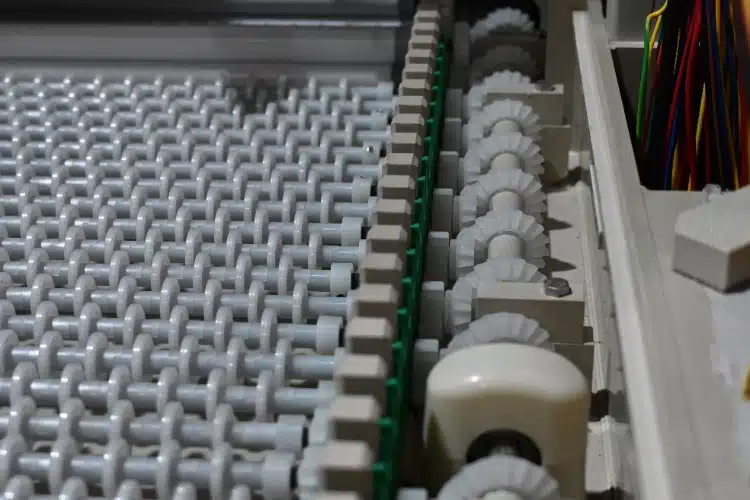
Supply availability is back in the industry’s discussion. The Global Electronics Association’s August 2026 review discusses constraints and extended lead times across electronics components and materials. It is an industry backdrop; the delivery of an individual wet-line part still needs confirmation from its supplier. For the coming shutdown, the useful evidence is much closer to home: which job has inspected parts waiting, and which still has an unresolved order or approval?
Start with the work order rather than a popular-parts list
Begin with a specific work order: its line, module, installation position, and approved scope. A list headed only ‘frequently used spares’ cannot tell you whether this job is covered. Once the installation is identified, each proposed item has somewhere definite to go.
Mark the items already scheduled for replacement separately from those whose condition will be checked after opening. A neighboring part might be perfectly usable. A removed seal might not. Use the equipment procedure and the condition known so far to decide what needs provision; ‘we’ll reuse it’ is too weak an assumption where that decision hasn’t been made.
Ask the technician to walk through reassembly with the list in hand. Where does the list run out? That is often a more revealing check than counting the main replacement again. If an interface is still unidentified, leave that entry visibly open for the technician to resolve.
Build the kit around the assembly that must go back together
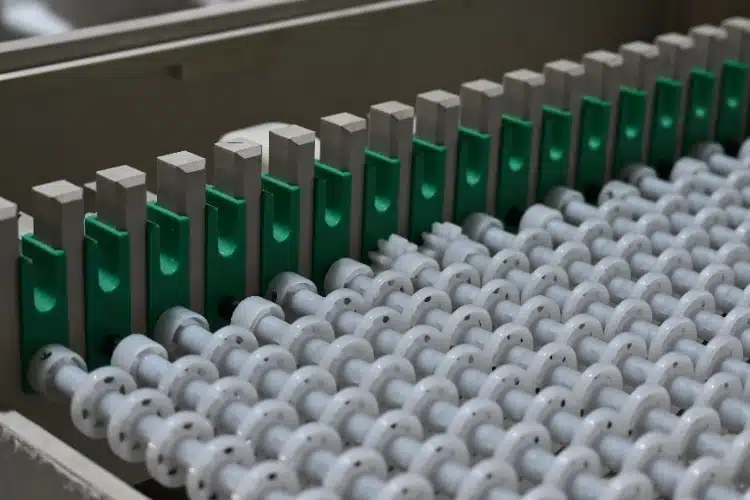
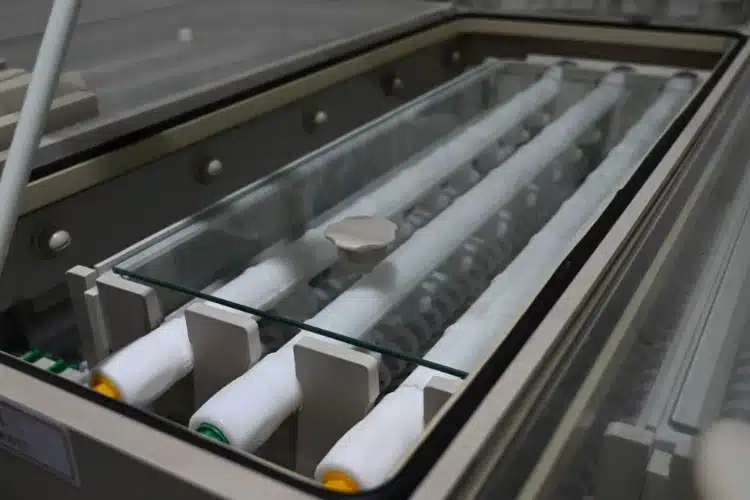
The work order might say ‘replace wheel’ or ‘replace gear.’ Reassembly takes place in the installed sequence, though, with the relevant spacers, sleeves, and supports. Compare that sequence with the current drawing and the inspection plan. Buy the companions the job calls for; proximity alone doesn’t justify renewing an entire surrounding set.
Qixingyuans conveyor spacers Und Verriegelungshülsen offer examples of the companion parts worth identifying by position. Appearance can be misleading when two assembly versions use similar pieces. The reference for the kit should identify which version belongs at this installation.
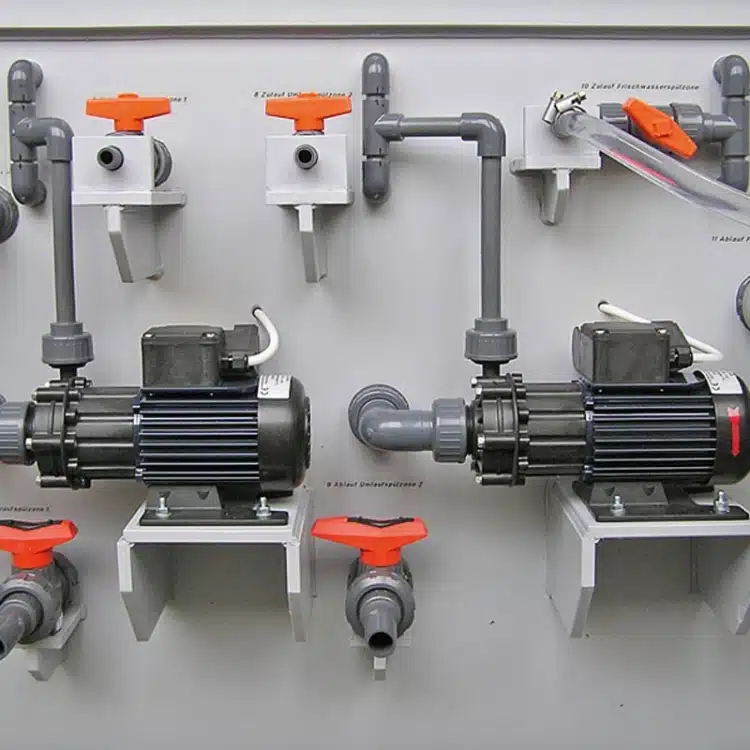
Apply the same walk-through to spray work. A core sits in a holder, with the relevant O-ring, cap, joint, and pipe connection around it. Which items will this particular intervention disturb or require? Put the answer in the job’s list. Here, ‘kit’ means the buyer’s task-based grouping of parts. Before ordering, check what each quotation includes, since a ready-packaged machine-specific set may not be offered.

Separate stock quantity from readiness
There are several different answers to “Have we got it?” Purchasing may mean ordered, stores may mean received, and maintenance may mean checked and available for installation. Put the actual status on the job record. Once approved parts are allocated to a shutdown job, an issue to another job must be visible in that record.
A sample creates another distinction. It can help investigate a replacement, but wear or an undocumented material can leave its suitability unresolved. A new part based on that reference still needs those questions settled before it is called ready. Until the questions are closed, stores has a reference sample, not a part that can be allocated to installation.
| Kit record | What the entry should identify | Question it answers |
| Job and position | Line, module, installation location and work order | Where will this part be used? |
| Approved reference | Part or drawing identity, revision and material requirement | Which version is acceptable? |
| Quantity and status | Required, received, inspected and allocated quantities | Is enough usable stock actually available? |
| Companion parts | Related items required by the procedure or inspection plan | Can the assembly be completed? |
| Open dependency | Missing approval, inspection, component or recovery decision | What could still prevent the job? |
A short job list can do this without a new inventory platform. The important thing is that each entry means what it says. An empty field must not be read as “not required” when the real answer is “not checked yet.”
Put uncertain and obsolete references ahead of routine orders
An identified consumable might need only the agreed purchasing and incoming checks. With a custom item, the drawing or material could still be in question. That is a different amount of work to have left before shutdown. The custom reference may need measurements, technical review, and initial-part acceptance before repeat supply can be discussed. Work back from the shutdown date using the supplier’s confirmed information, with time for the internal review still outstanding. A catalog entry cannot provide that schedule.
A discontinued reference needs someone to own the search and the acceptance decision. This is also a theme in PMMI’s July 2026 Managing Obsolescence report, whose public summary concerns packaging machinery. No PCB spare-stock estimate follows from that sector’s findings. The relevant planning lesson is assigning responsibility while there is time to establish an acceptable alternative.
Keep a proposed alternative in the ‘under review’ category until it has been accepted. An email suggesting a part is a starting point for that review. If the eventual replacement changes an interface, look again at the companions affected by it. The space available is only part of the decision. Mechanical duty and contact with process liquids also belong in the review. After acceptance, revisit the kit list wherever the replacement changes an interface.
Decide what happens if the job finds more than expected
Take the list of open items to the responsible team before the scope is fixed. It should show the affected job beside each missing component or approval. Perhaps the gap can be closed; perhaps an approved change of scope or a deferral is needed. Labeling the kit ‘complete’ will not settle any of those choices.
Nor can ‘put the old one back’ stand as an unexamined fallback. The equipment owner’s procedure and the part’s condition govern whether retention or refitting is acceptable. Where the original location matters to inspection or review, label removed items with their positions. A pile of similar pieces beside the machine loses that information quickly.
At handover, record the fitted parts and their revisions with the checks made before release. There is still a step between finishing reassembly and restarting production: the equipment’s approved restart and process-verification requirements must be met.
Give the supplier a job-specific inquiry
Send the position list with its drawings or labeled samples, required quantities, material and liquid exposure, and the known interfaces. Mark which references are confirmed and which need technical review. For spray work, consider Qixingyuan’s nozzle joint range together with the pipe and sealing requirements; the connection to the rest of the job is part of the inquiry.
Qixingyuan supplies wet-process consumables and conveyor, transmission, spray, and related replacement parts. Its technical inquiry page provides a route to discuss those items for the stated job. Confirm this order’s availability, inspection expectations, and quotation contents. The breadth of a catalog does not establish that every item is in stock.
Abschluss
A check of PCB shutdown spare parts is finished when the people doing the work can account for the whole approved job. They need usable quantities of the right versions, an assembly list they can follow, and a clear decision on anything still unresolved. The purchase order is one record in that process; the completed, released job is its purpose.
Häufig gestellte Fragen
Should every shutdown kit contain a complete set of new parts?
No. Follow the approved work scope and inspection plan. Some components may be retained, while others require replacement. The kit includes the companions needed for that job without assuming that everything nearby must be renewed.
How much spare stock should a factory keep?
There isn’t a common quantity for all wet lines. Consider the consequence of a missing part, approved interchangeable positions, condition history, and confirmed replenishment requirements. A kit for one planned job is different from long-term safety stock.
Can a supplier’s stock confirmation replace incoming checks?
No. It establishes availability, not the identity, revision, dimensions, or condition of what arrives. Receipt and inspection must be completed as agreed before the part is treated as ready for the job.