Spray nozzles for PCB manufacturing affect chemical distribution, rinsing, coverage, and line stability. Replacement looks simple until a new nozzle creates stripes, weak edges, mist, or uneven pressure. A useful specification connects the body, fitting, spray pattern, flow duty, process liquid, and mounting position. Here is what maintenance and sourcing teams should record before requesting a quotation.
Confirm That the Nozzle Is the Real Problem
Poor spray performance may come from a blocked filter, unstable pump, worn seal, damaged pipe, or incorrect pressure. Check the system before copying the installed part.
Read the Spray Pattern
Look for dry bands, heavy overlap, edge starvation, mist, irregular droplets, or differences between positions on one header. One abnormal nozzle suggests local blockage or damage. The same fault across the chamber points to pressure, filtration, pipework, or liquid condition. Inspect the opening, core, cap, seal, and body, and keep the failed part before cleaning away the evidence.
Check the Supply Conditions
Record pressure at the working section. Note whether performance changes during startup, after filter replacement, or when several spray zones run together. Falling pressure suggests a system restriction rather than a nozzle fault.
Qixingyuan reviews PCB spray nozzle replacement requests together with photos, samples, header layout, and process notes. Filter parts, pipe fittings, seals, and related spray components can also be checked when the cause is not limited to one nozzle.
Prepare a Complete Nozzle RFQ
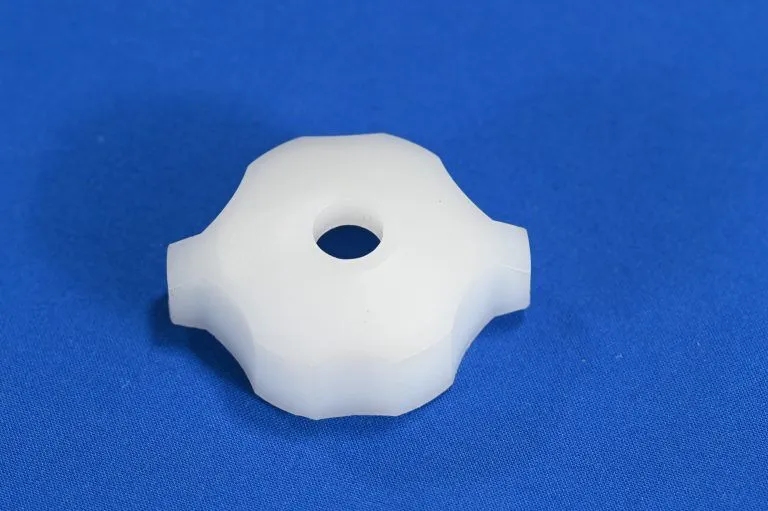
A photo shows the general shape, not the connection or spray duty. Mark which facts were measured and which remain open.
Measure the Body and Connection
Record overall length, diameter, thread type and size, inlet, cap, seal position, and locking method. State whether the nozzle is straight, fan-shaped, conical, or assembled from several pieces. Include inlet and outlet photos beside a ruler. A wrong thread may start in the port, so provide or measure the matching fitting and never force a sample into the header.
Describe the Process Duty
Identify the process stage, liquid, concentration, temperature, pressure range, line speed, board width, and nozzle spacing. If angle or flow is unknown, say so and provide the chamber arrangement.
| RFQ item | Details to record | Purchasing reason |
| Physical form | Body, core, cap, seal, dimensions | Confirms assembly and fit |
| Connection | Thread, pitch, inlet, sealing method | Prevents leakage and damaged headers |
| Spray duty | Pattern, angle, orientation, spacing | Controls coverage and overlap |
| Operating data | Pressure, liquid, temperature, line speed | Supports flow and material selection |
| Failure evidence | Blockage, wear, cracks, swelling, poor pattern | Helps avoid repeating the fault |
| Approval method | Drawing, sample, trial quantity, inspection | Controls risk before batch supply |
For a Qixingyuan quotation, provide the nozzle, drawing, chamber photo, and operating conditions. Holders, cores, caps, O-rings, pipes, and connectors can be included as one replacement assembly.
Match Pattern, Flow, and Material
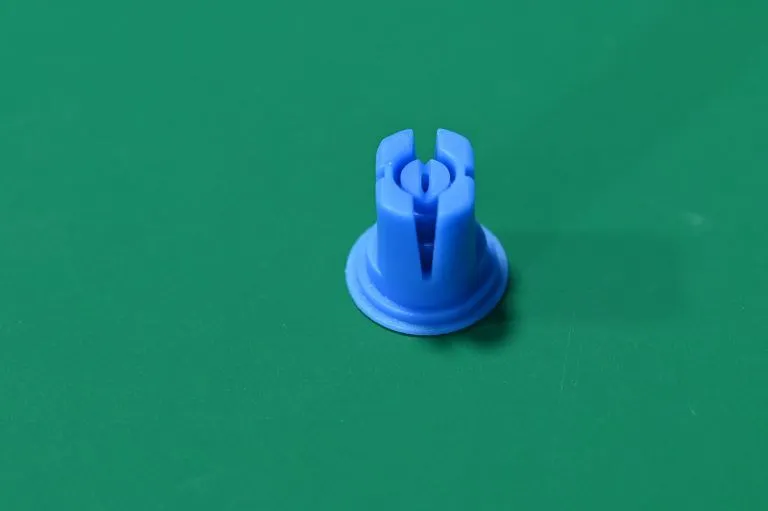
Nozzles with the same body size can perform differently, so appearance is not an approval standard.
Set the Required Spray Coverage
Fan and cone patterns cover the board differently. Angle, distance, spacing, and orientation control overlap. Too little leaves bands; too much can cause flooding, mist, or uneven impact. Put pattern and angle on the quotation or drawing. Any flow figure must state its test pressure. Also tell the supplier whether the whole header or only selected positions will be changed.
Choose Material for the Actual Liquid
PCB process nozzles may use PP, PVC, stainless steel, or other materials. Check the body, insert, seal, and fitting separately. Cracking may come from stress or chemical attack. A softened body or distorted thread can indicate heat or incompatibility, while an abraded opening changes flow. Match material to the evidence as well as pressure and cleaning practice.
Qixingyuan supplies spray nozzles and related parts for PCB horizontal wet process equipment in different shapes and materials. Flow, angle, connection, seal, and process conditions can be reviewed together before a custom or replacement part is confirmed.
Compare Quotes Without Losing Technical Detail
Use one RFQ for every supplier and require assumptions to be stated.
Review the Technical Scope
Confirm whether the price covers a complete nozzle or one component. Check material, connection, spray form, quantity, tooling, inspection, and drawing approval. Ask whether the item is a direct replacement or an alternative that needs a trial.
Useful quotation checks include:
- material for every wetted component
- thread and sealing method
- spray pattern, angle, and stated pressure
- included cores, caps, seals, holders, or fittings
- sample quantity and batch lead time
- drawing or sample approval process
Use a Trial Before a Large Order
For a new source or revised specification, use a small trial to check fit, leakage, pattern, and cleaning behavior. Mark each position and compare it with nearby nozzles under the same conditions. Video can support measurements but should not replace them.
Qixingyuan can prepare PCB spray nozzle quotations from drawings, samples, and application data. Trial quantities and related spray-line parts can be discussed before a buyer releases the full production quantity.
Inspect and Test the Replacement
Inspect against the approved drawing and RFQ, not only the worn part.
Check the Part Before Installation
Check dimensions, thread, inlet, outlet, core, cap, and seal. Look for burrs, blocked passages, cracks, damaged threads, or loose inserts. Confirm batch consistency, and never force a test thread into a production header.
Run a Controlled Line Check
After installation, check leakage and orientation at the approved pressure. Observe the pattern across the chamber, including board edges. Measure collected volume when safe. Reinspect after the first production period for deposits, movement, seal damage, or wear. Record the date, position, process, supplier, material, and removal reason for the next purchase.
Qixingyuan can support drawing-based inspection for PCB process nozzles and matching spray components. Buyers may include filter parts and pipe fittings when a line check shows that spray stability depends on the wider circulation system.
About Shenzhen Qixingyuan Equipment Parts Co.
Shenzhen Qixingyuan Equipment Parts Co. is a supplier of spares and parts for PCB horizontal line wet processing equipment. Its product scope includes spray nozzles, nozzle cores, caps, holders, O-rings, pipes, pipe connectors, filters, gears, rollers, shafts, sleeves, air knives, gauges, and flow meters. The parts are used around developing, etching, stripping, rinsing, cleaning, and surface-treatment equipment. Nozzle options include fan and cone forms, with material choices such as PP, PVC, and stainless steel according to the structure and process conditions. The company supports custom work from customer drawings and can review physical samples when original documentation is incomplete. For a replacement request, buyers should provide dimensions, connection details, process liquid, pressure, temperature, quantity, and the observed problem. This allows the technical scope and commercial quotation to be confirmed before production.
For spray-line maintenance, Qixingyuan can review the nozzle together with seals, holders, fittings, pipes, and filter components. This helps when the original fault involves more than the visible nozzle body.
Abschluss
Reliable spray nozzles for PCB manufacturing begin with a precise specification. Check the system, measure the connection, describe the liquid and pressure, and state the pattern. Compare like-for-like quotations, approve a drawing or sample, and run a trial before a large order.
Qixingyuan accepts nozzle drawings, samples, chamber photos, and operating notes for PCB wet process equipment. A complete RFQ shortens technical clarification and reduces the risk of receiving a part that fits the port but not the process.
Häufig gestellte Fragen
These questions cover the details buyers commonly need to settle before ordering PCB spray nozzles.
What information should a PCB spray nozzle RFQ include?
Provide the nozzle body dimensions, thread or connection, inlet and outlet views, spray pattern, angle, pressure, liquid, temperature, line speed, nozzle spacing, and quantity. Identify the process section and attach chamber photos. Include the existing nozzle or drawing when available. State whether the order requires a complete assembly or separate bodies, cores, caps, seals, holders, pipes, or fittings.
Can a supplier match a PCB nozzle from a used sample?
A used sample is a useful starting point, but deposits, wear, swelling, and damaged threads can change important dimensions. Add measurements from the header or an unused part where possible. The supplier should prepare a drawing or written specification for approval. Spray pattern and flow duty still require operating data because two nozzles with similar bodies may perform differently under the same pressure.
How should nozzle material be selected for a PCB wet process line?
Base the choice on the process liquid, concentration, temperature, pressure, cleaning method, and failure seen on the old part. Review the body, core, seal, and fitting separately because they may use different materials. PP, PVC, stainless steel, and other options have different practical limits. A compatible material cannot correct the wrong thread, poor sealing, excessive pressure, or an unsuitable spray angle.
How can buyers validate spray coverage before a full batch order?
Approve the nozzle drawing and request a small trial quantity. Install the samples in marked positions, check leakage and orientation, then compare pattern, overlap, board-edge coverage, and flow at the approved pressure. Record video and measurements under stable line conditions. Inspect the nozzles again after the first production period for deposits, movement, seal damage, or changes in the spray opening.
Qixingyuan reviews custom and replacement PCB nozzle requirements from drawings, samples, and process data. Trial quantities and matching spray-system components can be discussed before the final batch quantity is confirmed.