HDI boards play a key role in modern electronics. They come with complex layers and tiny holes known as microvias. Yet makers run into big problems with watermarks and extra water during the wet steps of PCB production. Watermarks on these boards can lower the overall quality. They can also hurt how well the product works and how reliable it stays. This situation often leads to more fixes and higher costs during making. In this article we look at the main reasons watermarks form. We also examine how water squeezing rollers help fix the issue. Finally we share simple ways to make these tools perform at their best.
The Impact of Watermarks on HDI Board Quality
Watermarks are basically unwanted water spots. They stay behind after the cleaning and rinsing steps in HDI PCB production. These spots happen when water does not dry all the way. Or the water gets trapped inside the complex setup of microvias and thick layers on the board. The result can be weak electrical performance. It can also create clear visual flaws. In the end these problems cause defects in the final item. All of this hurts the board’s function and long-term reliability.
Higher moisture levels create several issues. Here are the main ones:
- Lower insulation resistance
- Higher chance of short circuits
- Looks problems that affect the product appearance
- More boards thrown out during quality checks
Good water removal matters a lot. It stops these troubles from happening. This is especially true for HDI boards. They have small vias and detailed inner structures. Those features make them hold water more easily than other boards.
What Are Water Squeezing Rollers?
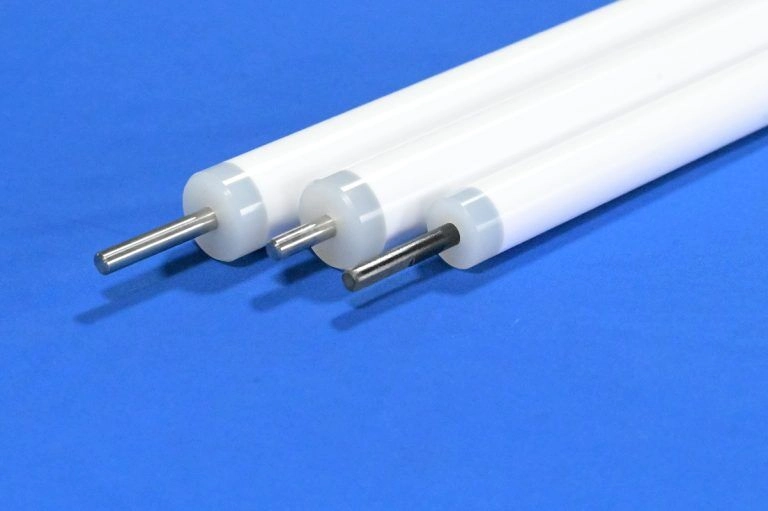
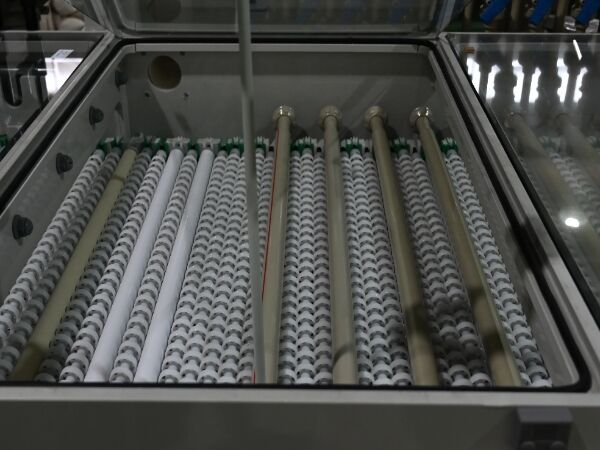
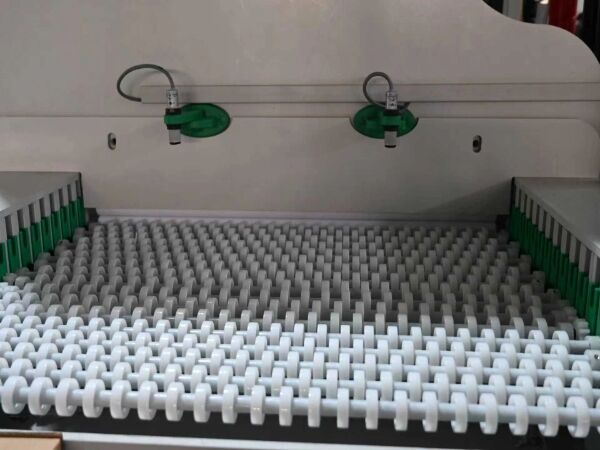
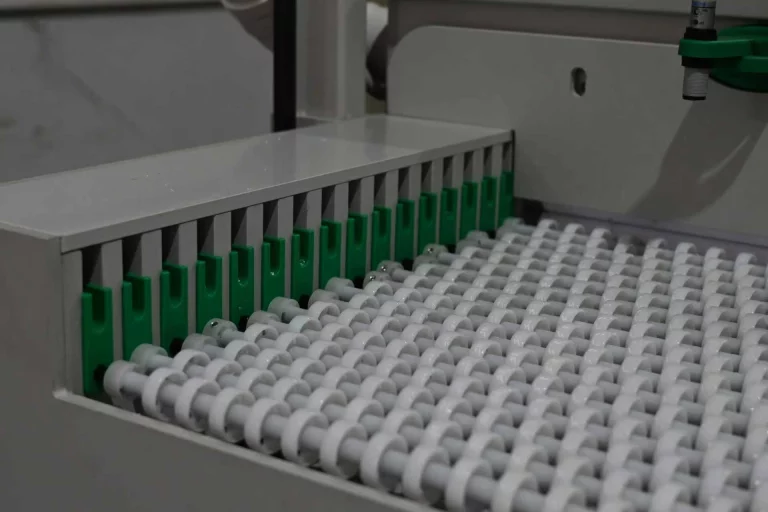
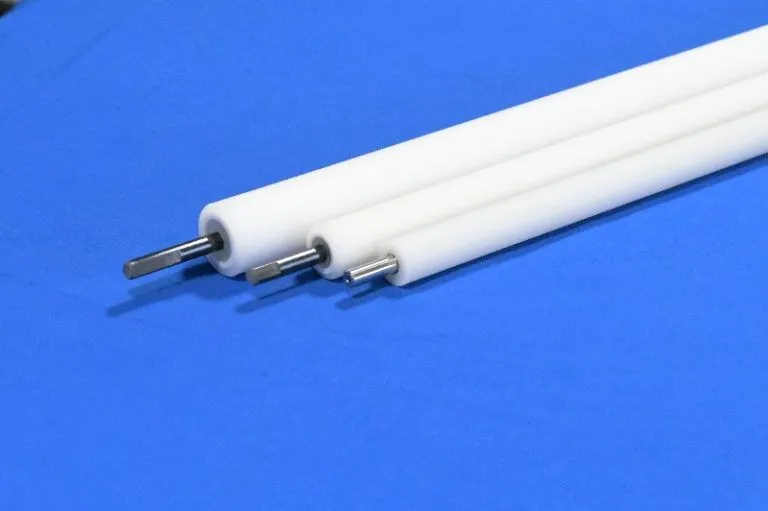
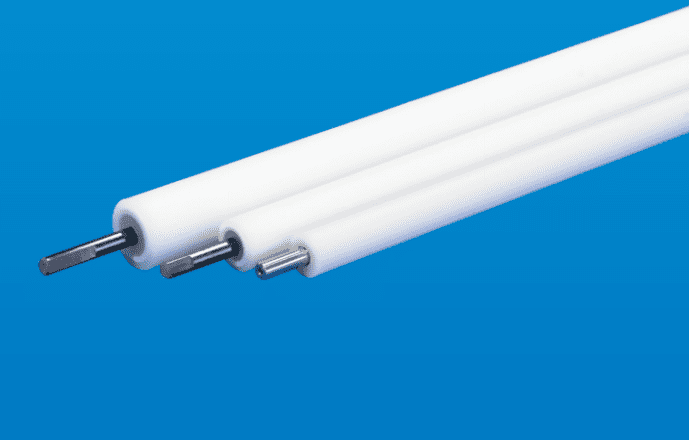
Water squeezing rollers are special tools. They work in the wet stages of PCB making. These rollers take extra water off the surface of HDI boards before the drying step begins. Unlike hot air or regular ovens they push the water out with force. This method removes water well without harming the sensitive parts of the board.
The rollers use simple mechanical pressure. They press gently on the board surface. This action removes water while the board keeps its shape and strength. Several features make these rollers useful. They let you change the pressure to fit different board sizes and materials. Their careful design protects microvias and traces. You can also pick surface textures that help grab and remove water better.
The Root Causes of Watermark Issues in HDI Boards
It helps to understand the main reasons watermarks appear. This knowledge comes before we talk about fixes. Watermarks usually form because water does not leave the HDI board surface well during cleaning or rinsing. A few common factors cause the problem.
Complex HDI Board Design
HDI boards use smaller vias than regular PCBs. They also have tighter spaces between layers. Water finds it hard to drain fully in the wet stage. The issue grows worse inside the inner layers and microvias.
Inadequate Wet Processing Techniques
Traditional rinsing and cleaning steps often fall short. They may leave some moisture behind. Water then hides in the board’s tiny pores or vias. This leads to water staying on the surface longer than it should.
Insufficient Squeezing Pressure
Water squeezing rollers need the right amount of pressure. They must push water out completely from the board surface. If the pressure stays too low or uneven some spots stay wet. Those wet areas turn into watermarks later.
Inefficient Roller Surface Design
The roller surface matters a great deal. If the texture is not right water removal becomes uneven. Poor design leaves water traces or marks on the board. A better
How to Make Water Squeezing Rollers Work Best for Watermark Removal
We can improve water squeezing rollers in simple steps. These changes help remove watermarks as much as possible.
Pick the Right Roller Material
The material used for the roller changes its performance. Strong and bendy options work well for HDI boards. TPV and rubber both last a long time and flex nicely. TPV rollers stand out because they fit the board surface closely. They also give steady pressure to push water off.
Table 1: Common Roller Materials and Their Characteristics
| Material | Durability | Flexibility | Water Removal Efficiency |
| TPV | High | Medium | High |
| Rubber | Medium | High | Moderate |
| Silicone | Low | Low | Low |
Make Roller Pressure and Angle Right
Pressure from the roller is very important. You should adjust it to match the HDI board thickness and how much water it holds. Higher pressure pushes out more water. Still too much pressure can harm delicate traces or microvias. The angle of the roller also plays a part. The right angle spreads pressure evenly across the whole board. This even spread gets rid of water more completely.
Improve Roller Surface Design
The roller surface helps a lot with water removal. A textured or grooved finish collects water better. It makes sure more water gets taken away during the squeeze. New designs use tiny textures. These surfaces pull water out well and stop leftover marks from showing up.
Add Smart Control Systems
Smart controls make the rollers even better. They let the machine change pressure by itself. Real-time checks watch how water leaves the board. This setup stops uneven spots and keeps quality high across every board.
Combine Water Squeezing with Drying Systems
Pairing rollers with drying tools gives the best results. Hot air blowers or infrared units work together with the squeeze. The mechanical push plus heat removes every drop of water. This team effort stops watermarks from forming at all.
Case Study: Better Watermark Removal with Improved Water Squeezing Rollers
A real example shows how these changes work. One PCB maker had many rejected boards because of watermarks. They switched to better water squeezing rollers. The team made three main updates. First they changed from rubber to TPV rollers. This gave longer life and stronger water removal. Next they added a system that changes pressure for each board type. Last they added a micro-textured surface to trap and push water away faster.
These steps brought clear success. The company cut rejected boards by 40 percent. Production ran smoother and costs dropped. The whole process became more efficient.
About Qixingyuan Machinery Equipment Co., Ltd.
Shenzhen Qixingyuan Machinery Equipment Co., Ltd. is a top supplier. They offer spares and parts for PCB horizontal line wet processing equipment. The company focuses on high-quality water retaining rollers and other items for the PCB industry. They put innovation and quality first. Their products help makers improve their lines and raise final board quality.
The water retaining rollers from Qixingyuan fit the special needs of HDI PCB work. They remove water well and keep defects low. Years of experience and a focus on customers let the company support PCB makers around the world.
Conclusion
Good water removal matters in HDI board making. It keeps quality high and cuts costs. When you improve water squeezing rollers you get rid of watermarks for good. The boards perform better and the whole line runs smoother. Whether you want to update your equipment or just fix the drying step these rollers make a real difference. Understanding how they work helps you reach steady high-quality results every time in PCB production.