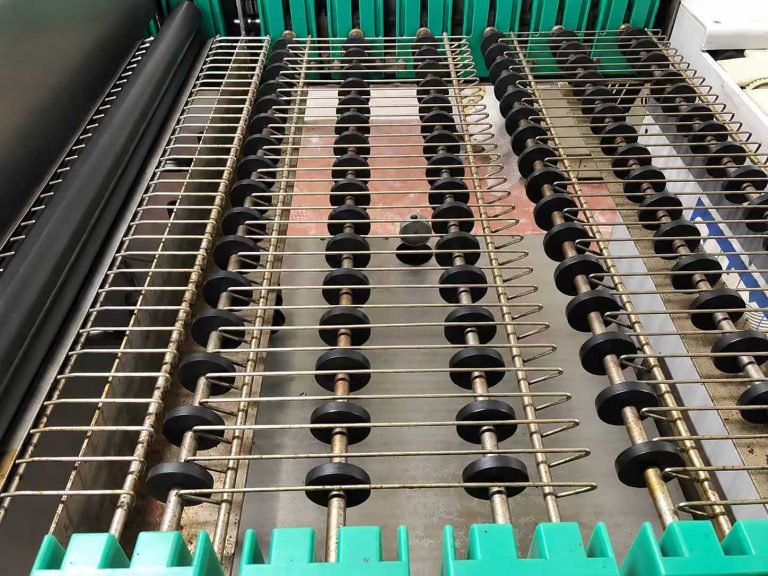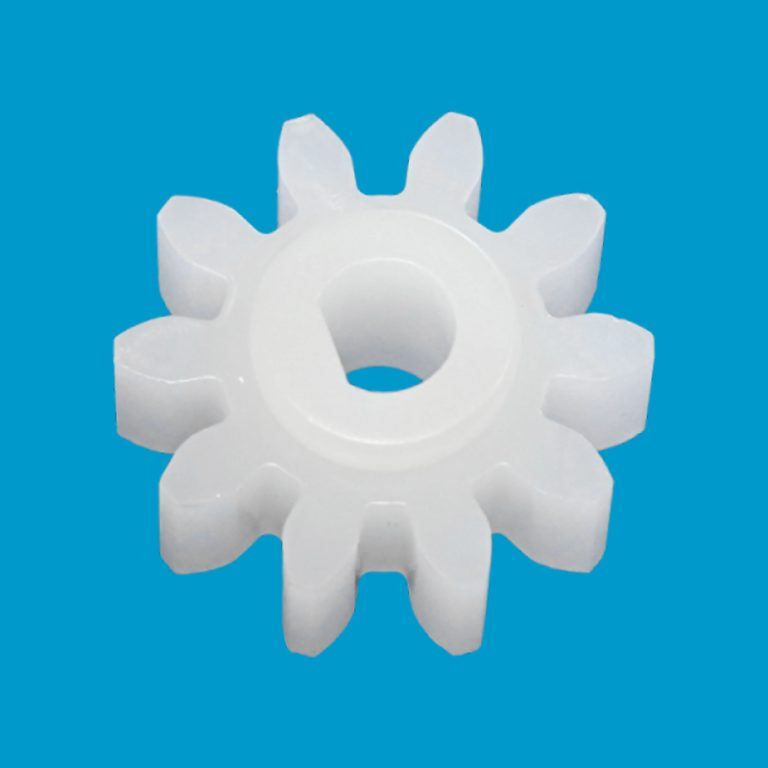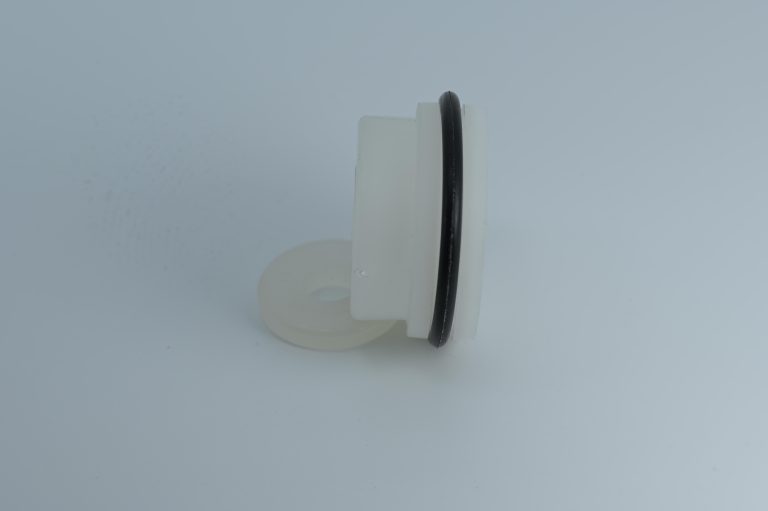
 In a PCB wet process line, pumps, spray pipes, rollers, gears, and controls are checked first when a developing or etching section becomes unstable. Yet a small fastener can start the problem. A loose, corroded, or swollen screw may shift a cover, disturb a spray guard, scratch a panel edge, or slow down cleaning.
This is why PP screws are widely used in PCB etching machines and PCB developing machines. Made from polypropylene, they offer chemical resistance, no rust, light weight, insulation, and reasonable cost. For maintenance engineers and procurement teams, the real question is: which screw material gives stable service in this chemical zone and load position?
Why Screw Material Matters in PCB Wet Processing
Developing, etching, stripping, cleaning, and rinsing sections expose machine parts to moisture, chemical mist, heat, and washdown. Screws near spray chambers, covers, tanks, shields, and conveyor side plates help keep the line sealed and easy to maintain.
A small part can create a larger stoppage
When a fastener is attacked by developer or etching solution, the head may become hard to remove, the thread may lose grip, and particles may fall near the board path. Operators may spend 20 minutes on a 30-second task.
Typical concerns include:
- Corrosion around chemical tanks and spray areas
- Loose covers near conveyor rollers or spray pipes
- Broken fasteners during maintenance
- Metal contamination near process zones
- Extra downtime during replacement
Qixingyuan supplies PCB equipment spare parts for wet process areas where stable fastening, chemical resistance, and quick replacement. Its range covers screws, gears, conveyor parts, spray and cleaning parts, bushings, and horizontal PCB line accessories.
What Makes PP Screws Suitable for Etching and Developing Machines
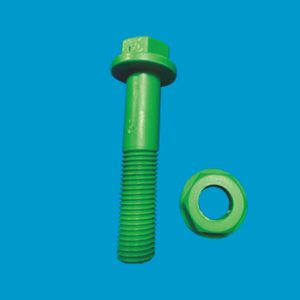
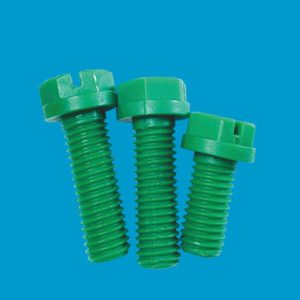
PP screws are polypropylene screws, a plastic fastener used in chemical and wet environments. They are not the strongest screw option; they are chosen because their material behavior fits many low-to-medium load positions inside PCB wet process equipment.
Chemical resistance comes first
PCB developing machines often use alkaline developer chemistry, while etching sections may involve acidic or alkaline conditions. Around these zones, chemical resistant screws are needed because ordinary metal fasteners may rust, stain, or seize. PP has good resistance to many acids, alkalis, and water-based chemicals, making PP fasteners practical for covers, guards, brackets, tanks, and adjustment points.
No rust, cleaner handling
A rusty screw can leave particles, slow removal, and raise quality concerns near the board path. PP screws are non-metallic screws, so they do not rust. This helps where operators open covers for nozzle checks, cleaning, or panel jam inspection.
Lightweight and electrically insulating
Polypropylene screws are lighter than metal screws and easier to handle during maintenance. They also provide electrical insulation, useful near sensors, level switches, or mounting points where unwanted conductivity should be avoided.
| Requirement in wet process equipment | How PP screws help |
| Chemical spray exposure | Resist many acid and alkaline environments |
| Rust control | Avoid rust formation |
| Frequent maintenance | Light weight and easy handling |
| Electrical isolation | Provide insulation |
| Cost-sensitive replacement | Fit routine spare part needs |
For buyers who need PP screws for PCB developing machines or polypropylene screws for etching equipment, Qixingyuan can support replacement by drawing, sample, photo, or equipment dimension. This helps teams match thread size, head style, and installation position.
PP Screws vs Metal Fasteners in Chemical Zones
Metal screws still have an important place in PCB equipment. High-load frames, heavy structural assemblies, and some drive areas may need metal strength. The point is not to remove metal everywhere, but to avoid using it where chemical exposure creates maintenance risk.
Material choice should follow the working position
PP screws are best used where corrosion resistance matters more than high tensile strength. Metal screws fit load-bearing areas, high torque positions, and structural supports. Many PCB wet process lines use both materials.
Use the comparison below as a quick selection guide for chemical-zone fastening positions:
| Selection factor | PP screws | Metal fasteners |
|---|---|---|
| Exposición química | Good chemical resistance; no rust | Needs compatible grade; may corrode |
| Load and torque | Low-medium load; low torque | High load; high torque |
| Rust and contamination | Rust-free; cleaner process zone | Rust and staining risk in wet zones |
| Maintenance | Easy removal; good for frequent access | Strong, but may seize |
| Electrical behavior | Insulating and non-conductive | Conductive |
| Typical use | Covers, guards, tanks, light brackets | Frames, drives, structural supports |
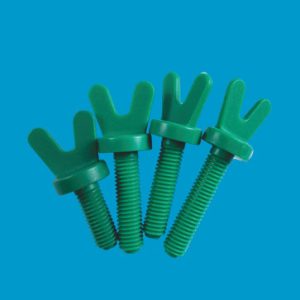
A common example is an inspection cover above a developing spray chamber. If metal screws seize, cleaning takes longer and the cover may be damaged. PP butterfly screws or external hex screws can make hand adjustment and repeated removal easier. For a heavy machine frame, metal fasteners may still be the right choice.
When comparing PP screws vs metal screws in wet process equipment, buyers should check chemical contact, load requirement, and removal frequency.
Qixingyuan’s gears and screws range fits this mixed-material reality. Its PCB transmission parts, plastic screws, corrosion resistant fasteners, and wet process line accessories can be selected by acid, alkali, temperature, load, and service position.
Where PP Screws Are Used in PCB Equipment
PP screws are often used where machine stability, chemical resistance, and maintenance access meet. They are common in developing, etching, cleaning, rinsing, stripping, and conveyor sections, especially where fasteners sit near liquid, vapor, or spray.
Common installation points
In real PCB workshops, PP screws may appear in these areas:
- Spray chamber covers and side guards
- Chemical tank covers and inner plastic brackets
- Conveyor side plates and light-duty holders
- Nozzle pipe supports and inspection windows
- Rinsing zone shields and splash guards
- Developing and etching machine replacement screws
- Wet process line accessories near rollers, shafts, and bushings
A practical example is a rinsing section after etching. The area is wet almost all day, and covers may be opened for nozzle cleaning. A metal screw with poor surface protection can corrode quickly. A PP screw will not rust, making weekly checks easier.
Qixingyuan serves PCB wet process lines, conveyor and transmission systems, blowing and drying sections, and custom spare parts by drawing or sample. PP screws can be sourced with rollers, gears, holders, and bushings.
How Buyers Should Specify PP Screws for Replacement
A good inquiry saves time. “We need PP screws for a PCB etching machine” is useful, but not enough for accurate matching. The supplier needs to know how the screw works in the machine.
Information to send with an inquiry
Para custom PP screws for PCB equipment, prepare these details when possible:
| Item to confirm | Why it matters |
| Thread size and pitch | Prevents poor fit |
| Length and head style | Matches cover or bracket |
| Exposición química | Helps confirm material |
| Working temperature | Reduces deformation risk |
| Load and torque | Avoids wrong use |
| Sample or drawing | Speeds quotation |
Photos help when drawings are not available. A clear photo beside a ruler can show head shape, thread length, and installation space. Buyers should say whether the screw is opened daily, weekly, or only during shutdown.
Qixingyuan supports procurement teams that need PCB equipment spare parts, etching machine spare parts, developing machine spare parts, and custom plastic components. Its team can review drawings, samples, and application details to match the actual wet process environment.
Acerca de Shenzhen Qixingyuan Machinery Equipment Co., Ltd.
Shenzhen Qixingyuan Machinery Equipment Co., Ltd. is a supplier focused on spares and parts for PCB horizontal line wet processing equipment. The company serves maintenance, retrofit, and equipment-building needs in developing and etching machines, cleaning and washing modules, conveyor systems, blowing and drying sections, and other wet process applications.
Its product scope includes gears and screws, air knives, water retaining rollers, conveyor rollers and wheel discs, spray and cleaning products, transmission system parts, bushings, consumables, and measurement and control products. For buyers who maintain mixed equipment fleets, this broad coverage can reduce sourcing time because one maintenance list can be discussed with one supplier.
Qixingyuan is especially useful when a part must be made by drawing, sample, or site measurement. This fits PCB factories where older equipment, modified lines, and urgent replacements often need flexible spare part support.
Conclusión
PP screws are used in PCB etching and developing machines because they solve common wet process problems in a practical way. They resist many chemical environments, avoid rust, reduce contamination risk, provide electrical insulation, and make repeated maintenance easier. They are not the answer for every load-bearing position, but they are a strong choice for chemical-zone covers, guards, brackets, tanks, and access points.
For purchasing teams, the best result comes from matching the screw to the chemical, temperature, load, and maintenance habit. Qixingyuan can supply PP screws and related PCB wet process equipment spare parts for buyers who need stable replacement parts, custom dimensions, and responsive technical communication.