 The printed circuit board (PCB) field is key to today’s electronics. It powers items from phones to factory gear. At the core is PCB manufacturing. This involves detailed steps where special machines help a lot. They make sure work is exact, quick, and good. For shops and experts in electronics, knowing main PCB board manufacturing machines is key. This piece looks at main tools in PCB making. It covers what they do and how they help make top circuit boards. By learning these, you can improve your work flow and grow your name in the tough electronics world.
The Importance of PCB Board Manufacturing Machines
PCB manufacturing has many steps. These include cleaning, etching, placing parts, and soldering. Each step needs its own tools. This keeps boards up to strict quality rules. These machines boost work speed. They cut mistakes, waste, and boost how well the end product works. For firms wanting to be known as solid in electronics manufacturing, buying the right PCB board manufacturing machines is a smart step. It shows you care about quality and pro ways.
Why Precision Matters
Exact work is a must in PCB production. One small issue in cleaning, etching, or soldering can spoil boards. It leads to extra fixes or failed items. Good PCB board manufacturing machines give steady results. They make sure each board hits the needed specs. This builds faith with buyers. It also grows your name as a steady maker.
Enhancing Efficiency and Scalability
Today’s PCB board manufacturing machines focus on speed and growth. Auto setups let makers turn out lots of boards fast. They keep quality high. This quick pace helps hit short due dates. It also lets you grow to match bigger market needs. So, your brand can lead the field.
Key PCB Board Manufacturing Machines
The PCB manufacturing steps use many stages. Each one has its own tools. Below, we list main machines in PCB production. We focus on their jobs and perks in making solid circuit boards.
Cleaning and Surface Preparation Machines
Before a PCB gets worked on, its face needs a deep clean. This removes dirt like dust, oil, or rust spots. Cleaning and surface preparation machines get the board set for next steps. These include etching or plating.
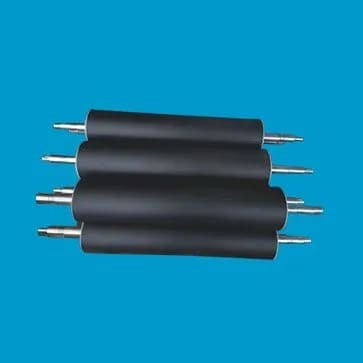
Brush rollers are a big help for rubbing PCB faces in early clean and pre-etch steps. These tools use thick nylon threads. They clean soft but strong without harm. They last long and fight rust well. So, they fit rough chem spots.
Benefits: Boosts clean speed, clears rust bits, and lifts later step success.
Applications: Fit in PCB clean lines to set boards for etching or plating.
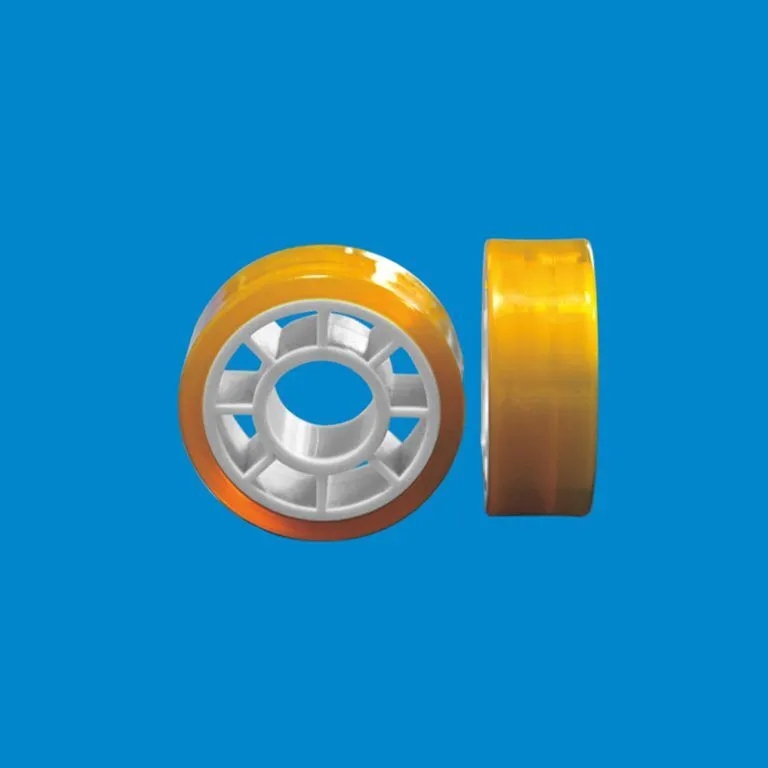
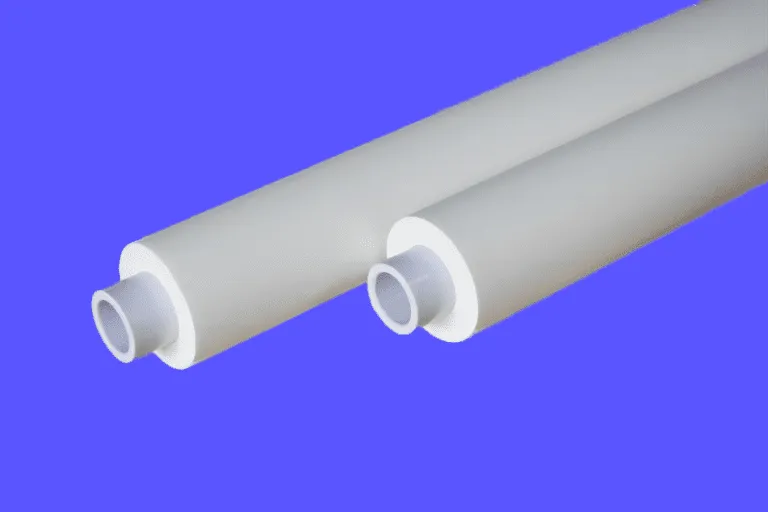
After clean, left water on the PCB face can lead to rust or slow dry. Water-absorbing sponge rollers, built from high-plastic stuff, suck up wet fast. This leaves a dry, clean board.
Benefits: Cuts power use in dry, stops rust, and smooths next work.
Applications: Placed after clean or before hot air dry in PCB lines.
Etching and Developing Machines
Etching and developing shape the circuit lines on a PCB. These steps need spot-on tools. They help move patterns right and cut flaws.
Etching machines take off extra copper from the PCB. They make the wanted circuit shape. They use chem mixes to melt copper on pick. This leaves safe circuit paths.
Benefits: Gives exact circuit shapes, cuts flaws, and boosts board trust.
Applications: Used in PCB wet work lines for circuit shapes.
Developing machines put on and handle light-block stuff to set circuit shapes before etching. These tools make sure even spread and sharp block layer work.
Benefits: Lifts shape exactness, cuts re-dos, and backs top circuit build.
Applications: Used in PCB production for block work before etching.
Spraying and Coating Machines
Spraying and coating machines put guard layers on PCBs. These include solder mask or ink. The tools make sure even spread. They stop problems like wet splash or tool dirt.
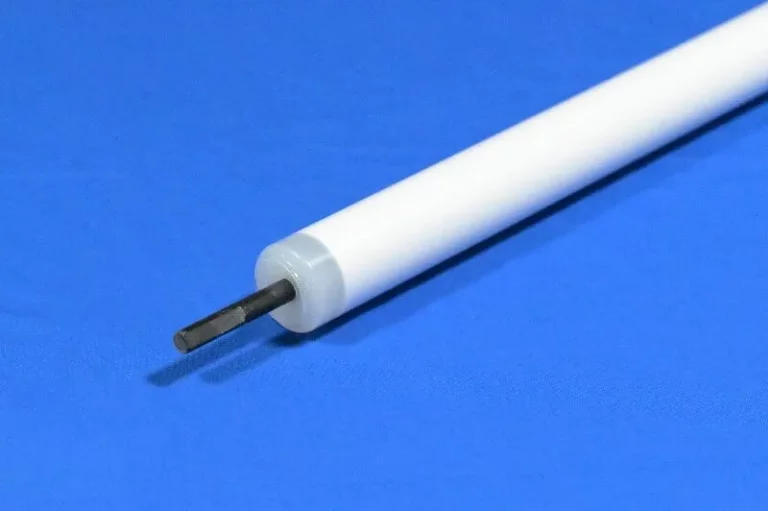
Water-retaining rubber rollers keep paint or ink from splash in spray steps. Made from bendy, chem-proof stuff like rubber or PVC, these rollers keep tools clean. They last longer too.
Benefits: Cuts fix times, stops dirt, and steadies spray.
Applications: Used on spray tool sides or guard edge parts.
Drying and Blowing Machines
Drying and blowing machines clear wet and junk from PCBs. They make sure a clean, dry face for next steps. These tools are key to keep board quality and stop flaws.
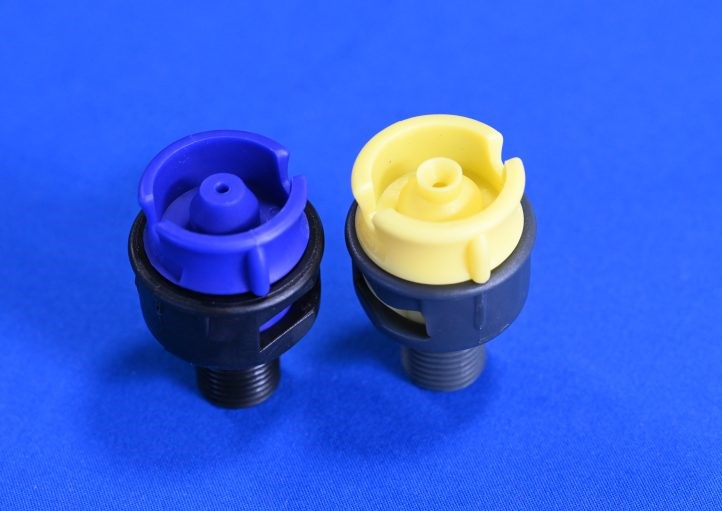
Air knives send fast air flow to clear water, dust, or junk from PCB faces. They come in stuff like PVC, alum mix, or steel. You can tweak them for diff production needs.
Benefits: Swaps old dry ways, cuts power use, and lifts work speed.
Applications: Used in PCB blow and dry, plus fields like food drink or glass making.
| Machine Type | Key Function | Primary Benefit | Applications |
| Brush Rollers | Surface cleaning | Removes impurities without damage | Pre-treatment, pre-etching |
| Sponge Rollers | Water absorption | Prevents oxidation, saves energy | Post-cleaning, pre-drying |
| Etching Machines | Circuit pattern creation | Ensures precision and reliability | Wet processing lines |
| Water-Retaining Rollers | Prevents splashing | Maintains equipment cleanliness | Spraying and coating |
| Air Knives | Drying and debris removal | Reduces energy use, enhances efficiency | Blowing and drying |
Transmission and Component Placement Machines
Transmission setups and component placement machines are vital. They move PCBs through the line and put parts right.
Transmission systems use gears, wheels, and rollers. They make smooth PCB moves through production steps. These parts are from tough stuff like PP or PVDF. This helps in rough spots.
Benefits: Cuts tool break rates, keeps steady flow.
Applications: Used in PCB move systems for etching, developing, and clean lines.
Pick-and-place machines auto-put top-mount parts on PCBs. They use suck cups to spot parts right at quick speeds. This swaps hand work and lifts speed.
Benefits: Boosts spot exactness, backs big batch production.
Applications: Used in surface-mount tech (SMT) build lines.
Soldering and Inspection Machines
Soldering and inspection machines wrap up PCB build. They lock parts and check board quality.
Reflow soldering machines use set heat to melt solder paste. This makes strong power links between parts and PCB pads. They fit surface-mount tech (SMT) builds.
Benefits: Gives top solder joins, backs tricky builds.
Applications: Used in SMT build for big runs.
Auto Optical Check (AOI) machines use sharp cams to scan PCBs for flaws. These include lost parts, solder links, or scrapes. They give fast, right quality looks. This cuts hand checks.
Benefits: Spots flaws early, cuts re-do costs, lifts yield.
Applications: Used in last check steps of PCB production.
Shenzhen Qixingyuan Machinery Equipment Co., Ltd.: Your Trusted PCB Equipment Partner
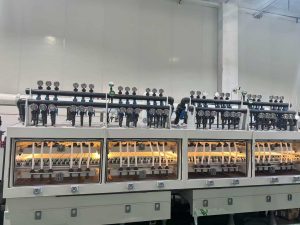 Shenzhen Qixingyuan Machinery Equipment Co., Ltd. started in 2008. It leads in PCB horizontal line wet work tool spares and parts. The firm puts focus on new ideas and quality. It grew from trade to a high-tech spot that mixes design, build, and sell. Its wide goods list has air knives, brush rollers, sponge rollers, water-retaining rollers, gears, move parts, and more. All fit diff needs in PCB manufacturing. By giving tweakable, solid add-ons, Qixingyuan aids makers in quick, sure production. With sales around the world and a push for happy buyers, the firm is a sure pal for electronics makers global. It drives new ways and top work in the field.
From web checks, Shenzhen Qixingyuan Machinery Equipment Co., Ltd. is a top maker in China for air knives and PCB tool parts. They spec in plastic and steel air knives, plus ones for fans or compressors. Founded around 2011, they have over 30 workers. It’s a high-tech firm in Shenzhen. Their goods use mold make, which cuts costs. They hold patents on tech. Main items include types like A-A strong wind knife, but no models here. They serve electronic clean, like PCB dryers, and other fields. This adds trust to their role in PCB support.
Conclusion
Buying the right PCB board manufacturing machines changes the game for electronics makers. They aim to give solid goods quick. From cleaning and etching to soldering and check, each tool has a big job. It makes sure exact, sure, and grow work. By getting these machines, shops can cut flaws, drop costs, and build a strong name in the tough electronics market. If you are a small maker or a world one, picking good tools and teaming with sure sellers sets you for win in PCB production.