1.Industry Background
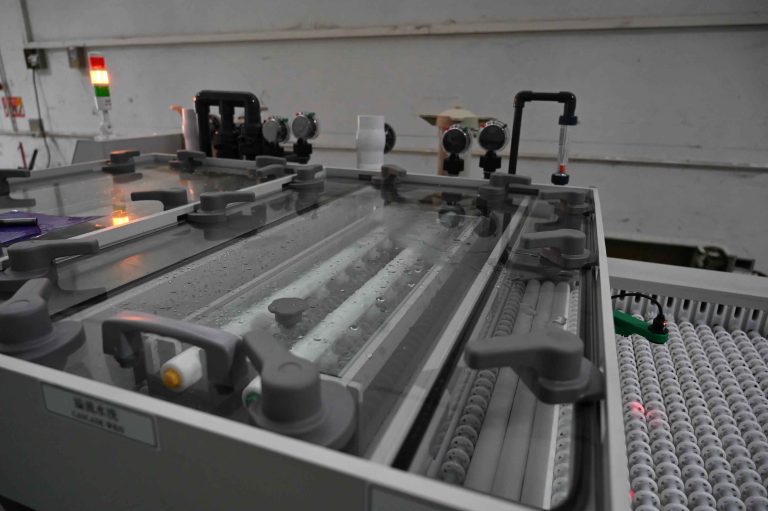
In PCB automated production lines, transmission systems are critical for stable board movement through AOI, exposure, etching, cleaning, and printing stages. As PCB designs move toward ultra-thin and high-precision circuits, transmission components must maintain high wear resistance, precise alignment, and long-term stability.
2.Common Transmission Problems in PCB Lines
Problem 1: Board deviation and vibration
Severe wear of transmission rollers leads to uneven support force, causing panel misalignment and vibration during AOI inspection and exposure processes.
Problem 2: Sliding and board stacking
Aging rubber rollers and uneven belt tension reduce friction stability, resulting in frequent slipping, stoppage, and panel accumulation.
Problem 3: Excessive noise and line instability
Insufficient transmission gear precision increases backlash and vibration, affecting overall line stability.
Problem 4: High maintenance frequency
Short bearing and bushing lifespan under continuous operation raises daily maintenance costs and downtime risk.
3.Engineering Causes Behind Transmission Failures
Long-term exposure to moisture and chemical residues accelerates material wear
Inconsistent friction coefficients in aging rollers cause unstable torque transfer
Gear backlash and bearing clearance increase vibration at high speeds
4.Qixingyuan Transmission System Solution
Shenzhen Qixingyuan Machinery Equipment Co., Ltd. (Qixingyuan) provides precision-machined transmission components designed for PCB wet processing environments. By combining wear-resistant materials, accurate dimensional control, and long-life structural designs, these solutions ensure stable, continuous board transmission across multiple process stages.
Core components include:
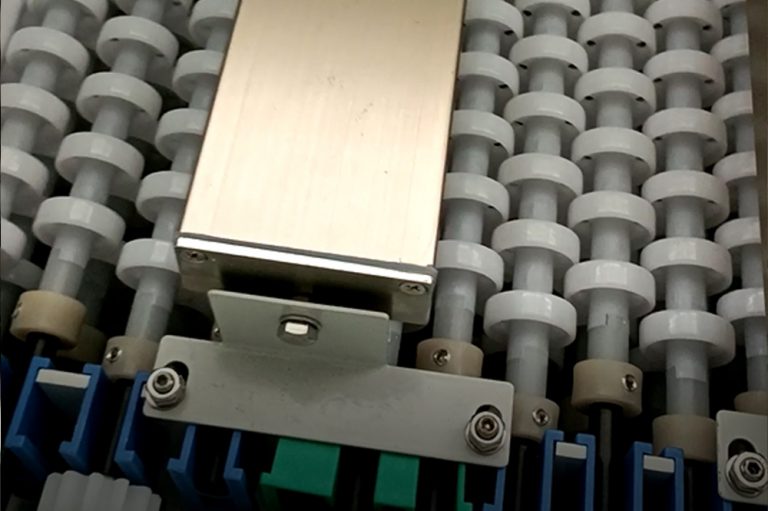
Transmission and expansion rollers
Rubber-coated rollers (soft and hard)
Synchronous pulleys and sprockets
Bearings, sleeves, bushings, and pulley assemblies
5.Application Results
After implementation, PCB manufacturers typically achieve:
Significant reduction in board shift rate
Reduced surface scratches and vibration
Lower operating noise and smoother line movement
Extended equipment maintenance cycles
5–15% improvement in overall line capacity (depending on equipment condition)
6.Typical Equipment Used
Automatic Loader/Unloader / Robotic Arm Interface Conveying Unit
Transfer Machine / Shuttle Cart / High-Precision Positioning Conveyance Module
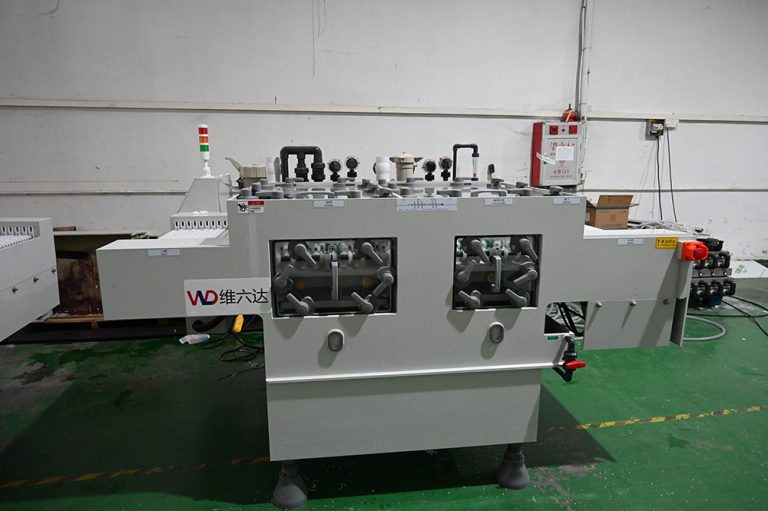
Conveyor (Platen/Roller Type) / Specialized Conveying System for Abrasive Brush Machines
Fully Automated Overhead Crane (OHT) / Material Handling Vehicle (MHV) / Continuous Conveyance Line