The photograph attached to a shaft coupling replacement request is a useful beginning. It leaves a few things open, though: the two shaft interfaces, the installed gap and the space around the drive. Work through those on a sketch of the actual installation. The removed coupling belongs with that record as a reference, while the equipment manual supplies the installation limits.
Investigate the reported fault before ordering
Start the maintenance note with the reported history, such as noise following a roller change or developing gradually. Keep the cause open while inspecting bearings, shaft supports and nearby connections. That history alone does not establish a coupling fault.
Separate coupling damage from shaft or bearing movement
A useful job record describes the surface or position that drew attention: a crack, polished patch, fretting or an unexpected hub location. Keep any vibration observations there too. Before comparing with the station next to it, check that the arrangement actually matches. Otherwise the comparison leaves the cause unresolved.
For access and shaft checks, stay within the approved site procedure. Include a photograph taken while the drive is still assembled.
Capture the original installation before removal
Photograph both shaft ends and the surrounding space. Include a ruler for context, and dimensions on the sketch. Show only retention features actually present.
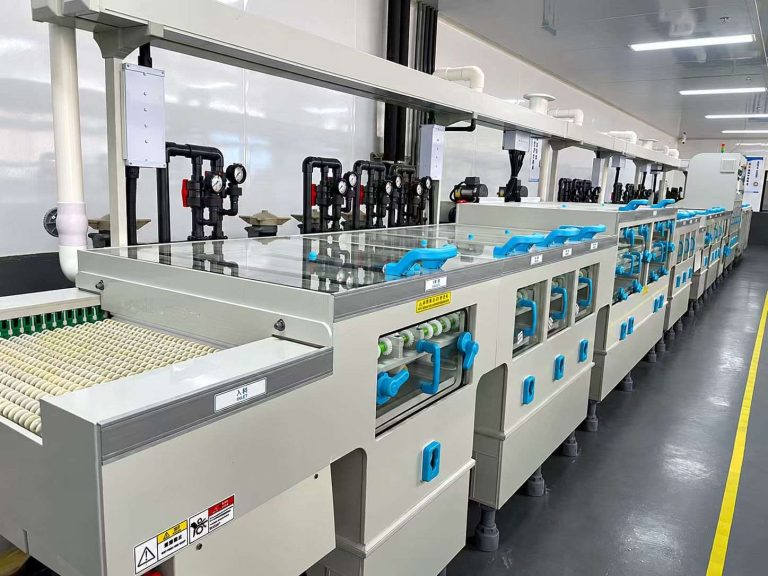
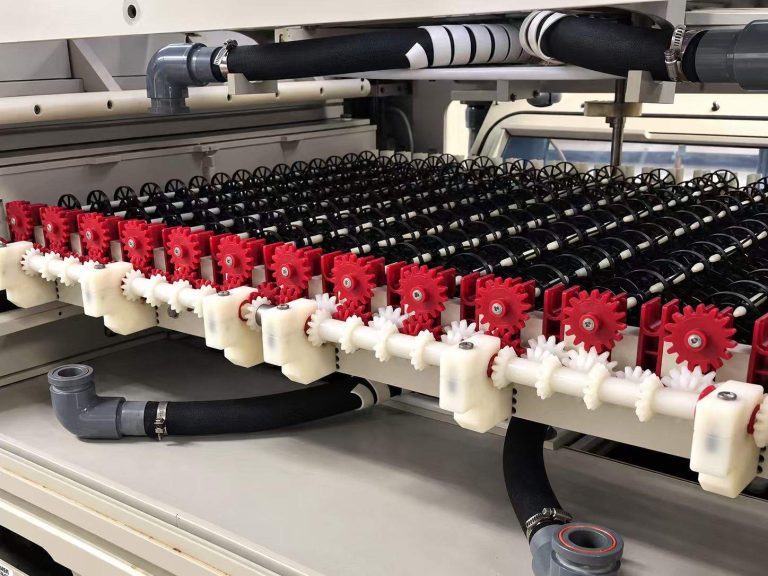
The deciding comparison is shaft interface plus installed space, not whether the old and new parts look alike. Qixingyuan’s SUS coupling listings are relevant to PCB horizontal-line equipment, but the requested configuration still needs a drawing or sample check.
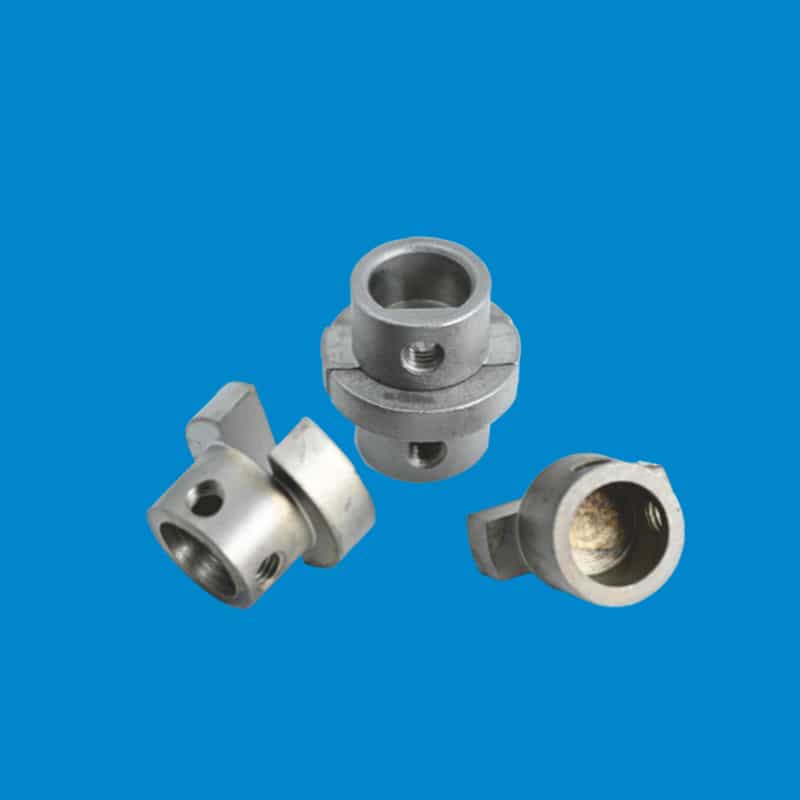
Match the interface that carries the load
The measurement sheet is where the photographs become an interface description. Give each reading a location and a method. In particular, label wear: the dimension found on a worn surface describes the old part, not necessarily the part to be ordered.
Measure both bores and shaft-end conditions
Record each end separately, pairing its bore reading with the shaft-seat diameter. Name the tool and include directional readings for a round bore. A worn or distorted surface needs comparison with the drawing, not an instruction to reproduce its measured shape.
Label used-part readings separately from the fit and tolerance required by the approved specification.
Record hub length, coupling length and axial gap
On one sketch, mark hub lengths, overall length, installed shaft-end gap and available space. Review these together: correct bore diameter does not settle coupling length.
| Sketch entry | Measurement note | Question for drawing review |
|---|---|---|
| Two bores | Read each end, noting direction and tool | Which shaft seat mates with each bore? |
| Hubs and end-to-end length | Dimension each hub and the complete part | What engagement and installation space are available? |
| Shaft-end gap | Measure with the assembly in its documented position | Helps check the coupling length against the drive layout |
| Keyway or clamping feature | Photograph and dimension only if present | Prevents an assumed interface from entering the quote |
| Adjacent clearance | Note guard, frame and nearby-part limits | Flags installation interference before release |
Specify keys, keyways, clamping or set-screw details only when present
Locate any actual keyway, clamp or set screw from a stated datum. The sketch should show both its size and its position. Ask the supplier to return the proposed interface on the drawing; a part name in the quotation does not resolve a missing retention detail.
For the other listed configuration, see Qixingyuan’s straight-through coupling listing. Carry unresolved bore, keyway, grade and torque questions into the RFQ. Request the proposed drawing before production; the product entry does not settle those order details.
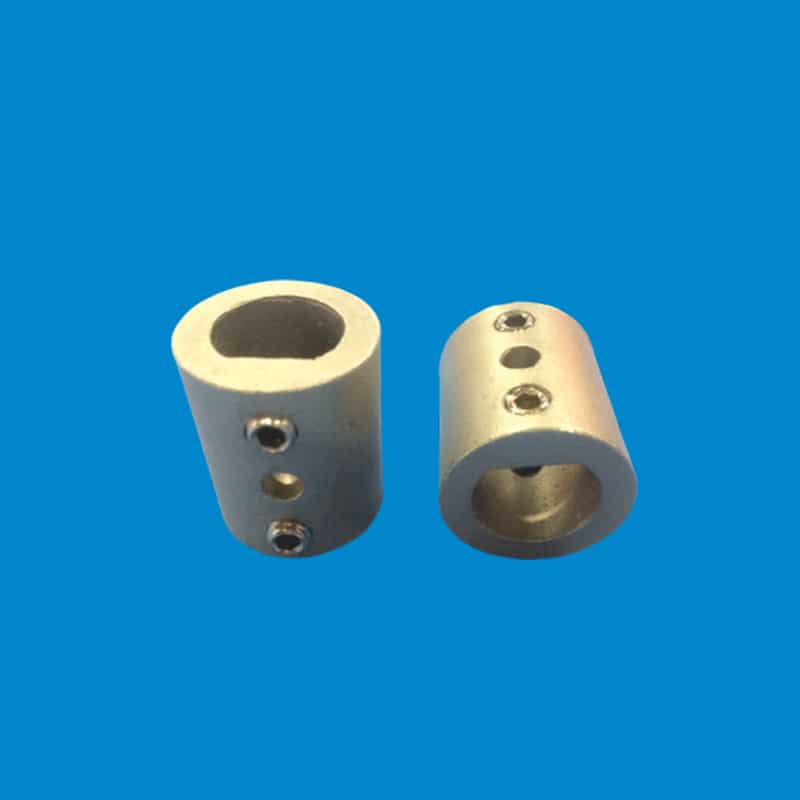
Check the replacement in the installed assembly
Receiving checks use the approved dimensions, alongside an inspection for damage and burrs. At the machine, installation follows the maker’s instructions and site isolation procedure. Refer any modification made since the drawing was issued to engineering before relying on that drawing for the fit.
Check alignment using the equipment maker’s limits
Use the alignment method and limits specified for this drive in the machine documentation. Write down the instrument and result so the acceptance decision has a traceable basis. A generic number found elsewhere should not become the limit for this installation. Also verify the drive connection, axial position, fastening condition and trial-run performance against the actual assembly configuration and the equipment maker’s requirements.
A part that will not seat calls for another interface check. Stop to examine the bore, shaft position, hub length and gap; do not use the fasteners to pull the shafts together.
Confirm guards, adjacent rollers and wet-line clearances
The clearance sketch should include guards, frame members, rollers, hoses, splash shields and drains. Review those positions as well as the coupling diameter. A shaft that enters the bore still leaves the surrounding-space question open.
Record low-speed trial evidence before return to service
Retain the trial observations wherever a trial forms part of the approved restart procedure. Rotation direction, sound, vibration and visible movement belong in the factory’s reporting format. A bare “OK” leaves little for the next technician to compare. Acceptance remains a decision against equipment limits and site procedure, with these observations in the record.
Qixingyuan supplies PCB and LCD wet-process equipment parts, including cataloged items in this shaft-interface family. A fit record helps frame a replacement inquiry; operating acceptance remains governed by equipment documentation and factory procedure.
Build an RFQ that reduces clarification cycles
A short delivery window belongs in the RFQ, but so does the interface information. Label the measured dimensions and leave unresolved entries visible for drawing confirmation. Add the equipment location, quantity and reported failure. Purchasing can then discuss timing without silently dropping a specification question.
Send photos, sketch, material environment and quantity
Attach an overall photograph and a dimensioned sketch, with close-ups for the interfaces. If supplying the removed part is permitted, identify its condition. Describe the dry or splash-exposed location, cleaners and known temperature range in the accompanying note. The material request needs those conditions; the word “SUS” does not answer it.
The following fields belong in the request:
Bore dimensions for both sides and the measurement method.
Hub and overall length, shaft-end gap, and available clearance.
Key, keyway, clamping, or set-screw details when present.
Photos with orientation labels and a sketch with a clear datum.
Process environment, required quantity, and requested delivery window.
A request for a drawing or specification confirmation before release.
Ask for a drawing readback before production
Review the drawing returned with the quotation against the measurement sheet. A bore, hub length, engagement or datum that differs needs a written explanation before approval. Where wear supplied the original reading, ask which dimension the proposed replacement will follow. Resolve that question on the drawing rather than leaving it in an email thread.
Agree the first-piece dimensional and visual checks. Keep the accepted drawing revision with the spare record.
Qixingyuan’s catalog includes related options for PCB wet-process equipment. Sharing measurements, process conditions, and drawing revision helps the company review the request without assuming a standard configuration.
About Shenzhen Qixingyuan Equipment Parts Co.
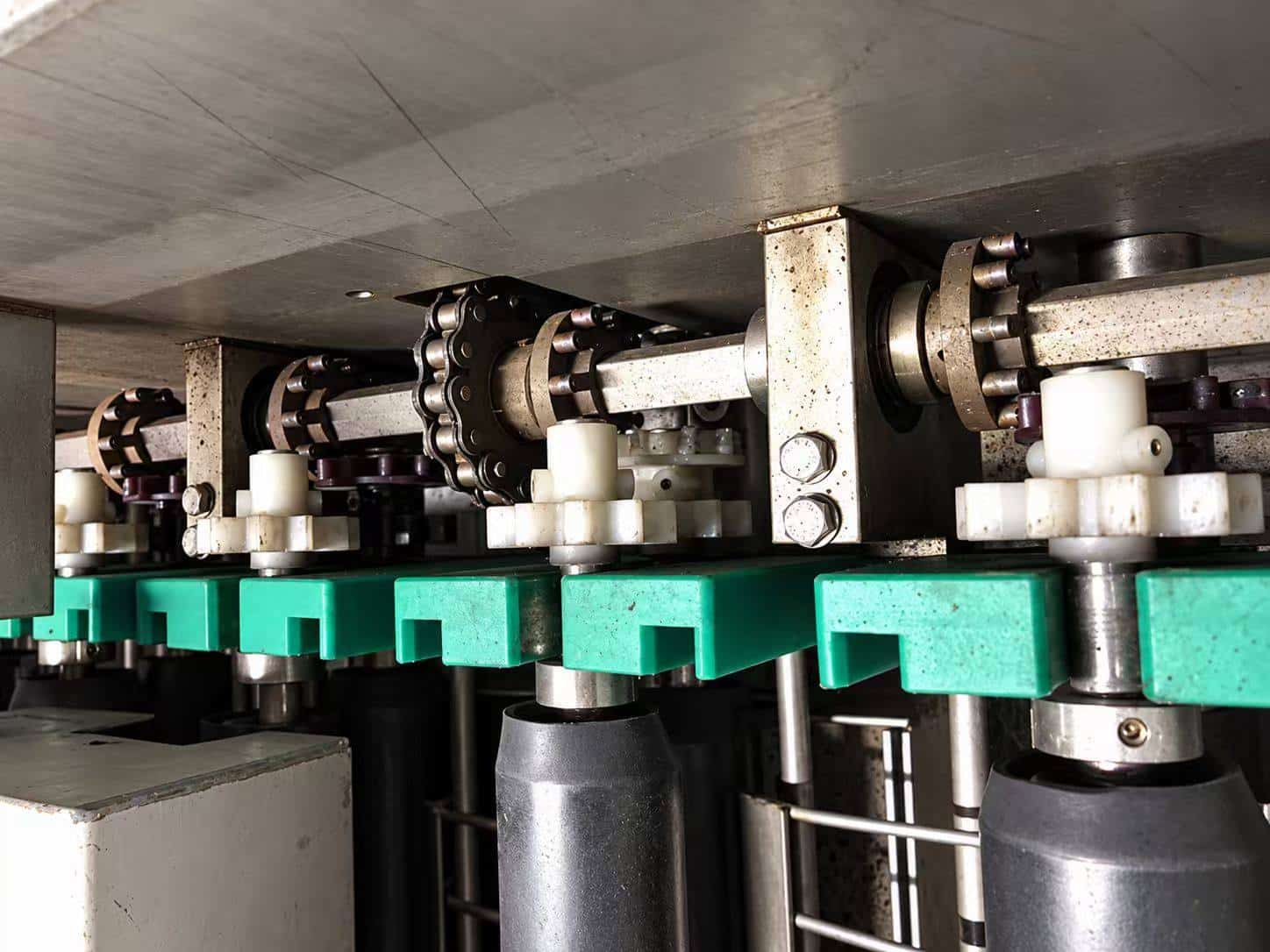
For buyers sourcing PCB or LCD wet-process spares, Shenzhen Qixingyuan Equipment Parts Co., Ltd. lists replacement components in its public catalogue. SUS couplings appear in the shaft holders and bushings family for PCB horizontal-line equipment. Use those entries to identify the family to discuss in an inquiry.
Attach the shaft measurements, available envelope and installation photographs. Identify the equipment location and process conditions. Keep maintenance observations separate from dimensional requirements, and ask for the proposed configuration on an agreed drawing.
An approved drawing and first-piece measurement record should accompany repeat-order requests. If the machine has changed, describe the modification and request another fit review. This keeps the teams working from one reference.
Use Qixingyuan’s product range for the inquiry, then confirm the ordered interface against the drawing or sample.
Conclusão
For a shaft coupling replacement, resolve the maintenance question first. Then bring bore sizes, lengths and installed gap together on a drawing for approval. Installation acceptance follows the equipment limits and site procedure. Send Qixingyuan that interface record for a product inquiry, with the order configuration confirmed before release.
Perguntas frequentes
These answers address the purchase review.
What should a buyer measure before ordering a shaft coupling?
The sketch needs two sets of interface readings, one for each end. Pair each bore with its shaft-seat diameter, then add hub lengths, overall length and the installed gap. Apparent symmetry is not a reason to omit an end. Include the existing retention details and measurement method. Mark which numbers came from the used part, leaving the required fit and tolerance to the approved drawing.
Can an old coupling be used as the only replacement specification?
Include the old part as a condition-labeled reference rather than an unqualified instruction to copy it. Record a worn bore or repaired hub and compare the sample with the shafts and any surviving machine drawing. The sketch should distinguish observed dimensions from design requirements. Differences need a written resolution in the supplier’s proposed drawing, so that approval applies to the replacement geometry rather than unexplained wear on the sample.
How should coupling alignment be accepted after installation?
Use the method and limits in the documentation for this machine, with instrument details and readings retained in the installation record. Follow its approved restart procedure after acceptance. A visual impression or a generic number does not provide the same acceptance basis. If the replacement binds as it seats, stop and revisit the bore, shaft position, hub length and gap; the fasteners should not be used to draw the shafts together.
What information helps a supplier review a PCB wet-line coupling inquiry?
Attach the interface sketch, installation photographs and requested quantity, identifying the drawing revision. The sketch should cover shafts, bores, hubs, installed gap and retention features. Put the process exposure in a separate note for material review. Qixingyuan’s listings identify the family under discussion; ask for the quotation and proposed drawing to specify the ordered configuration. That keeps the product-page description separate from the dimensions and material agreed for this purchase.
Qixingyuan lists SUS coupling products for PCB horizontal-line equipment. Include the documented interfaces with an inquiry and request an order drawing for approval.