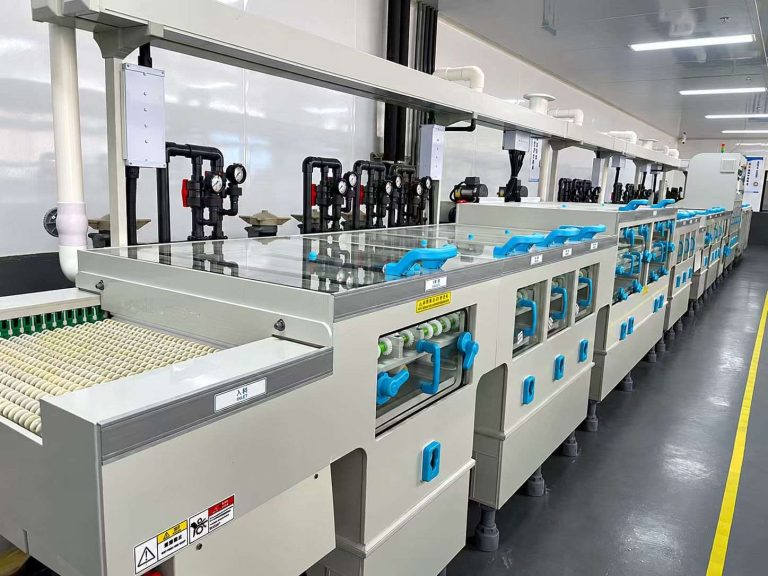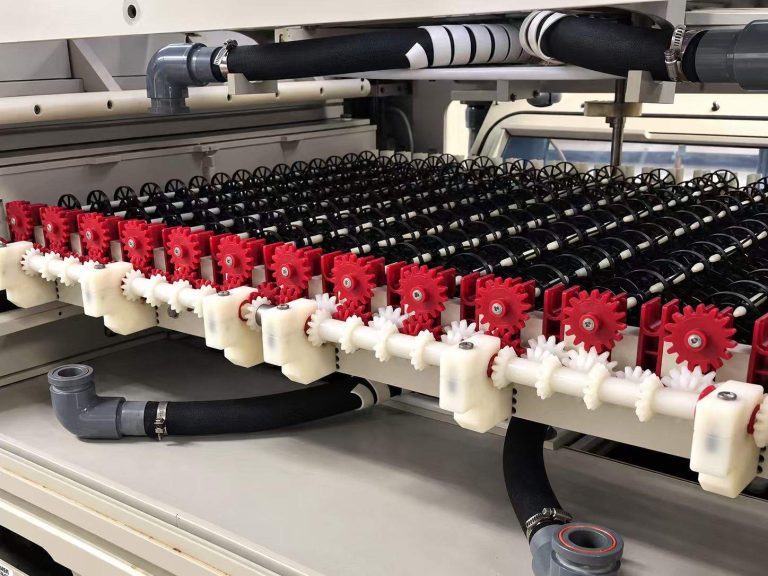
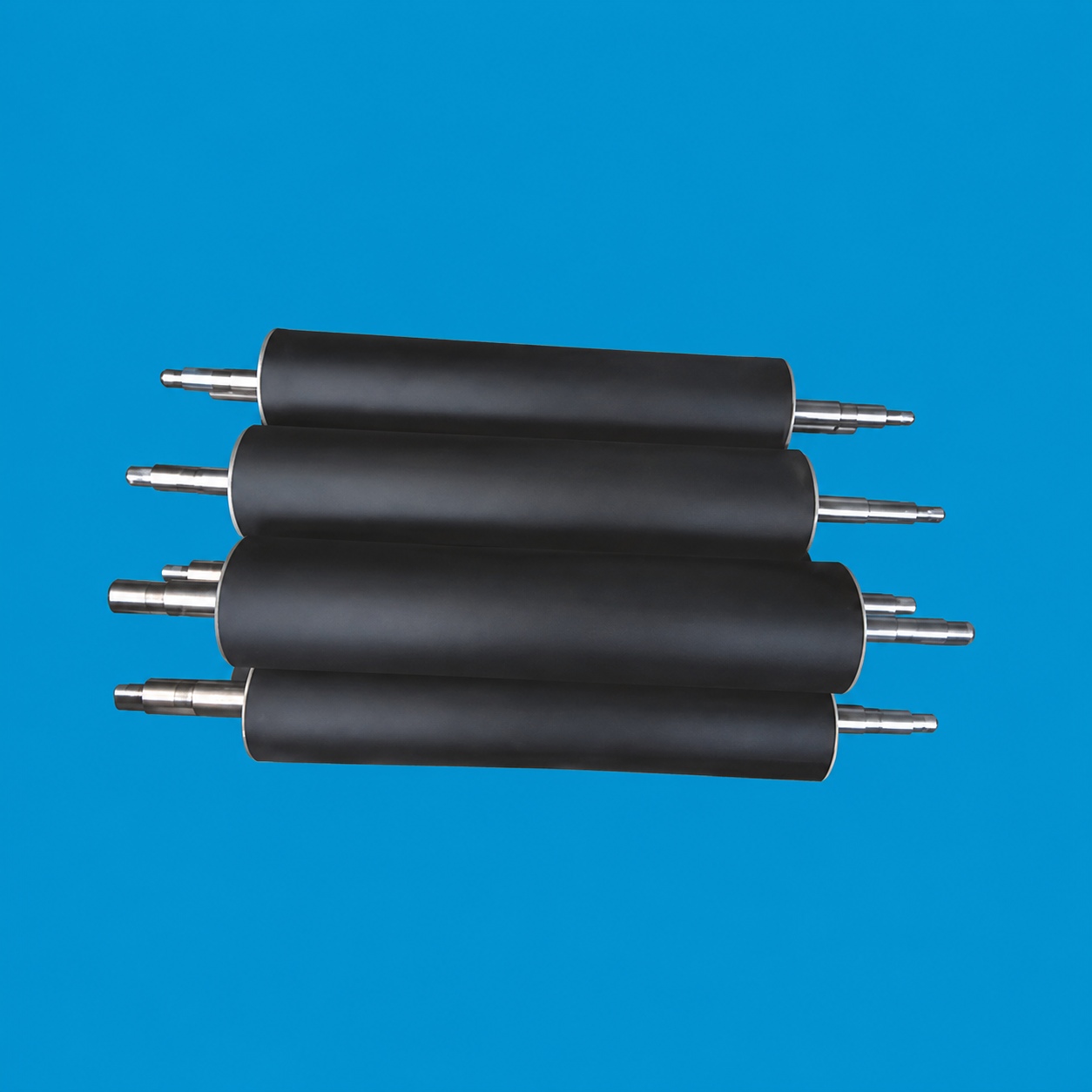
In PCB wet processing, a brush roller decides how much oxide, dust, resin film, ink residue, copper powder, or water-line contamination is removed before the next step. The practical way to select brush rollers is to start from the cleaning position, not from the material name. Nylon, non-woven, ceramic, grinding, and high-density brush rollers can all work well, but only when contact force, surface action, and wear behavior match the station.
Why Cleaning Position Should Come First
A PCB wet process line has several cleaning jobs. Pre-cleaning before developing removes loose particles. Oxide removal before bonding or plating needs stronger mechanical action. Fine cleaning after surface treatment needs stable contact without damaging the board surface. Maintenance replacement focuses on repeatable size, shaft fit, and brush density.
Two rollers made from the same material may perform differently. A harder roller with dense bristles can clean faster, but it may be too aggressive for thin copper or sensitive PCB surfaces. A softer roller can protect the surface, but it may not remove stubborn oxide. The best choice sits between cleaning power and surface protection.
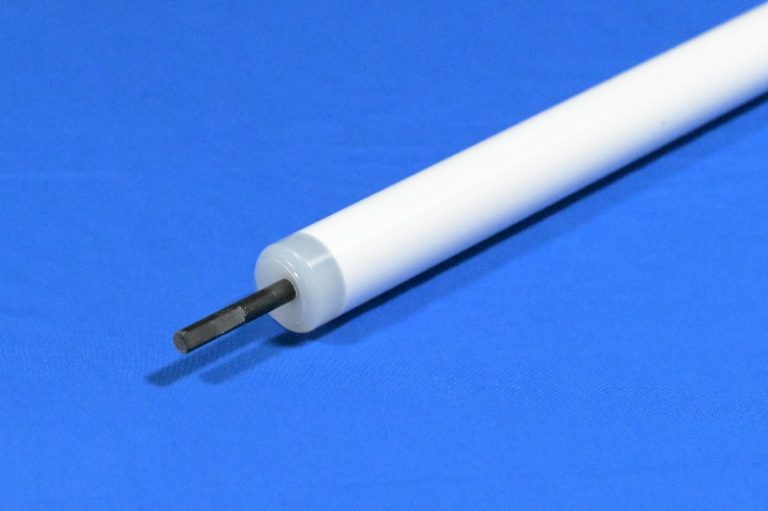
Qixingyuan supplies brush rollers for PCB wet process lines and surface treatment equipment. Its range covers nylon brush roller, non-woven brush roller, ceramic roller, grinding brush roller, spring brush roller, and mechanical high-density brush roll.
Nylon, Non-Woven, and Ceramic Brush Rollers Compared
The table below gives a fast selection view for engineers and purchasing teams.
| Brush roller type | Cleaning strength | Surface protection | Common cleaning position |
| Nylon brush roller | ปานกลาง | ดี | PCB surface cleaning, scrubbing, particle removal |
| Non-woven brush roller | Low to medium | สูง | Controlled contact cleaning, fine PCB surface preparation |
| Ceramic brush roller | สูง | ปานกลาง | PCB oxide removal, stronger surface treatment |
| Grinding brush roller | สูง | Lower | Heavy residue removal, abrasive cleaning |
| High-density brush roll | ระดับปานกลางถึงสูง | ดี | Stable daily cleaning and replacement points |
Nylon brush rollers are often the first choice for standard PCB cleaning because they give balanced scrubbing. Non-woven brush rollers are useful where the PCB surface must stay even and contact marks should be reduced. Ceramic brush rollers and grinding brush rollers are better for oxide films, black film, or stubborn residue when stronger friction is acceptable.
Qixingyuan supports these needs with matching brush roller materials and related PCB equipment spare parts.
Best Brush Roller Choices by Cleaning Position
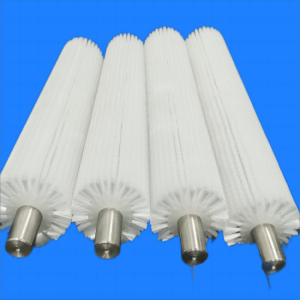
Before ordering, map each roller to the problem it must solve.
Pre-cleaning before developing
This station usually deals with dust, light copper powder, and small particles. A nylon brush roller or mechanical high-density brush roll is a practical choice. The roller should clean the PCB surface without creating extra copper loss or rough streaks.
Oxide removal before plating or bonding
This is where a ceramic brush roller, grinding brush roller, or abrasive brush roller is often considered. The target is stronger surface treatment, not just rinsing. Buyers should check line speed, brush pressure, copper thickness, and expected roughness before changing material.
Fine PCB surface cleaning
For fine PCB surface cleaning, a non-woven brush roller or softer brush roller is usually safer. The aim is controlled contact cleaning with stable residue removal, especially when the process needs to reduce visible brush marks, surface stress, or uneven contact.
Maintenance replacement points
When cleaning becomes uneven, the cause may be roller wear, bristle density loss, shaft runout, or contamination inside the brush body. Replacing only one side of a paired roller can also create uneven pressure.
Qixingyuan provides brush rollers for surface contact cleaning and mechanical residue removal, and can discuss custom size, shaft structure, hardness, and density according to the cleaning position. Buyers can send drawings, samples, or photos to shorten confirmation.
What Buyers Should Check Before Ordering?
A brush roller inquiry should not stop at “nylon” or “ceramic.” A useful purchasing sheet should include:
- Material, roller diameter, working length, shaft size, bristle density, and hardness
- Cleaning position, chemical environment, line speed, board thickness range, and surface sensitivity
- Current problem, such as oxide residue, scratches, short service life, uneven cleaning, or frequent contamination
In real factories, small size errors matter. A roller that is slightly wrong in working length may rub the side guide. A loose shaft fit may vibrate. Too much pressure may remove oxide fast but leave visible marks. Too little pressure may keep the PCB surface safe but fail the adhesion test after lamination or plating.
Qixingyuan is positioned as a อะไหล่และชิ้นส่วนสำหรับอุปกรณ์การประมวลผลแบบเปียกสายการผลิตแนวนอน PCB supplier, so its communication can cover both the brush roller and nearby parts that affect cleaning, such as conveyor rollers, wheel discs, nozzles, sponge rollers, air knives, gears, and transmission components.
What Affects the Service Life of Brush Rollers?
Brush roller life is not fixed by material alone. In many PCB wet processing lines, the same nylon brush roller may last for different periods because the working conditions are not the same. Brush pressure is usually the first factor. Too much pressure can speed up cleaning, but it also bends the bristles, raises friction, and shortens the roller’s usable life. Chemical exposure is another issue. Acid, alkali, copper powder, ink residue, and dry deposits can stay inside the brush body if rinsing is weak. Over time, the roller becomes harder, dirtier, and less even.
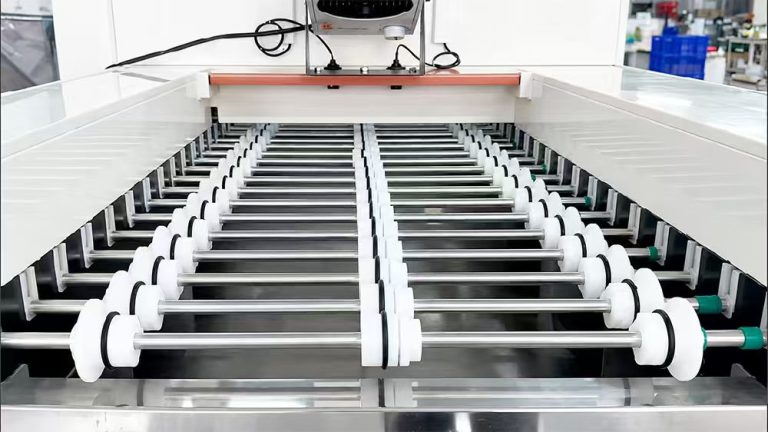
Line speed, board thickness, water spray angle, shaft balance, and daily cleaning also matter. A brush roller that runs with vibration or uneven pressure may wear faster on one side. In actual maintenance, buyers should check not only the worn brush roller, but also nearby nozzles, conveyor rollers, bearings, and air knives.
Qixingyuan can help buyers choose brush rollers based on the cleaning position, residue type, line condition, and replacement cycle, instead of only matching the old material.
When Standard Cleaning Is Not Enough
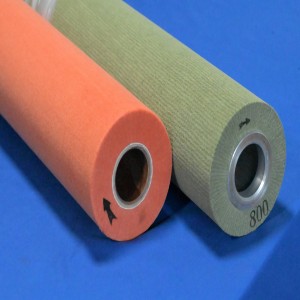
Some cleaning issues cannot be fixed by replacing a worn roller with the same material. If boards still show oxide after normal brushing, the station may need a ceramic brush roller or grinding brush roller. If fine scratches appear after a material change, a non-woven brush roller may be a better path. If cleaning is good at the center but weak at the edge, the issue may come from pressure balance, shaft alignment, or conveyor support.
On multilayer PCB lines, adhesion failure after inner-layer cleaning is often answered by raising brush pressure. That may work briefly, but it can also raise copper loss. A better approach is to review brush material, density, roller wear, water spray pattern, and drying together.
Qixingyuan’s product categories are useful because the cleaning result is rarely decided by the brush roller alone. Brush rollers, nozzles, water retaining rollers, sponge rollers, conveyor rollers, and air knives all influence whether the board leaves the station clean and ready for the next step.
Brief Introduction to Shenzhen Qixingyuan Machinery Equipment Co., Ltd.
บริษัท เซินเจิ้น ฉีซิงหยวน แมชชีนเนล อีควิปเมนต์ จำกัด is a supplier focused on PCB horizontal line wet processing equipment spares and parts. The company provides parts for cleaning, conveying, drying, transmission, spraying, and measurement areas used in PCB production, electroplating, and surface treatment lines.
For B2B buyers, the value is not only a product list. The key value is practical matching: whether a brush roller fits the original shaft, whether the material suits the cleaning station, whether related conveyor and drying parts can work together, and whether replacement parts can be confirmed from a drawing or sample. Qixingyuan serves factories and equipment users that need stable spare parts for continuous PCB wet processing.
Qixingyuan offers brush rollers and related PCB wet process spare parts for buyers who need technical discussion before purchase. Its product coverage makes it suitable for maintenance teams, equipment engineers, and procurement managers who want fewer gaps between cleaning, conveying, spraying, and drying components.
บทสรุป
The right brush roller is chosen by cleaning position first, then by material. Nylon brush rollers suit general PCB surface cleaning and particle removal. Non-woven brush rollers help when the surface needs controlled contact cleaning. Ceramic brush rollers and grinding brush rollers fit stronger oxide removal and surface treatment tasks. High-density brush rolls are useful where stable daily cleaning and longer replacement cycles matter.
A buyer should compare the current problem, process position, surface sensitivity, roller size, shaft design, hardness, and brush density before ordering.
For companies sourcing replacement brush rollers for PCB equipment, Qixingyuan can provide nylon, non-woven, ceramic, grinding, spring, and high-density brush roller options, along with related wet process spare parts. Sending the cleaning position, current roller size, photos, and process issue can help the team give a more accurate recommendation.
คำถามที่พบบ่อย
Which brush roller is better for PCB oxide removal?
For PCB oxide removal, a ceramic brush roller or grinding brush roller is usually stronger than a standard nylon brush roller. The final choice depends on copper thickness, roughness target, line speed, and allowed brush pressure. If the board is thin or sensitive, test pressure and roller hardness before full replacement. Qixingyuan can review the cleaning position and suggest a suitable brush roller type.
Is a non-woven brush roller suitable for fine PCB surface cleaning?
Yes. A non-woven brush roller is often selected for fine PCB surface cleaning because it gives softer, more controlled contact. It is useful where residue must be removed but scratches or strong brush marks are not acceptable. Buyers should still confirm roller pressure, water spray, and conveyor stability. Qixingyuan provides non-woven brush rollers for controlled PCB cleaning positions.
What details are needed for a custom brush roller quote?
A clear custom brush roller quote should include material, outer diameter, working length, shaft size, brush density, hardness, drawing or sample photos, and cleaning position. Buyers should also describe the problem, such as oxide residue, scratches, fast wear, or unstable cleaning. Qixingyuan can review these details and recommend a brush roller or related spare part.
Why do brush rollers wear unevenly on PCB wet process lines?
Uneven brush roller wear can come from shaft runout, poor pressure balance, clogged spray nozzles, chemical build-up, board thickness variation, or conveyor misalignment. Replacing the roller without checking nearby parts may not solve the issue. Buyers should inspect roller contact, spray pattern, guide support, and drying flow together. Qixingyuan offers brush rollers plus nozzles, conveyor rollers, sponge rollers, and air knives for broader maintenance review.