In PCB manufacturing, precision and reliability shape every step. Air knives play a key part in drying, cleaning, and dust removal processes. But why do these tools come in various materials? This question points to the demands of harsh environments and specific tasks. Factories handling circuit boards face constant challenges from chemicals, heat, and moisture. Different materials address these issues directly. For instance, some setups need tools that resist corrosion without adding weight. Others prioritize heat tolerance in high-temperature zones. Understanding this material diversity helps manufacturers pick the right equipment, cutting downtime and boosting output. The material diversity of Shenzhen Qixingyuan Machinery Equipment Co., Ltd. ( Qixingyuan) in air knives enhances PCB manufacturing by providing tailored solutions for various production challenges.
Understanding Air Knives in PCB Production
Explore how material diversity in air knives boosts PCB manufacturing efficiency, tackling corrosion, heat, and saving costs. Air knives fit into horizontal wet processing lines, often paired with blowers or compressors. Their design focuses on even airflow to avoid damaging delicate boards. Materials matter here because exposure to acids, alkalis, or heat varies across stages. A mismatch can lead to breakdowns, halting production. For example, in rinsing sections, tools must handle constant water contact without rusting. This leads makers like Qixingyuan to offer options that suit real-world needs, such as the Qixingyuan air knife for PCB wet processing.
Moving beyond basics, the choice of material ties into how air knives perform under stress.
Key Materials Used in Air Knives and Their Benefits
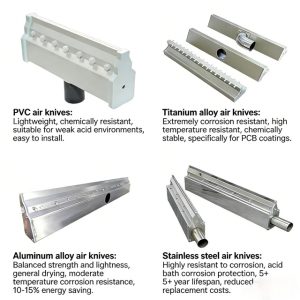
Different materials bring unique strengths to air knives, matching the diverse conditions in PCB lines. Common choices include plastics, alloys, and metals, each selected for specific traits.
- PVC air knives: Lightweight and resistant to many chemicals, these work well in mild corrosive settings. They suit rinsing or drying where weight keeps installation simple. In a typical PCB etching line, PVC handles alkaline solutions without degrading, lasting up to 2-3 yearswith regular use.
- Aluminum alloy air knives: These balance strength and low weight, ideal for general drying. They resist moderate heat and corrosion, fitting into fast-paced assembly lines. Factories report reduced energy use by 10-15%when using alloys, thanks to smoother airflow paths.
- Stainless steel air knives: Built for tough spots, they stand up tohigh corrosion and temperatures. In developing machines with acidic baths, stainless steel prevents pitting, extending tool life to 5 years or more. This cuts replacement costs in high-volume plants.
- Titanium alloy air knives: For extreme cases, like ultra-corrosive or hot environments, titanium offers unmatched durability. It handles aggressive chemicals without weakening, common in specialized PCB coating areas.
Why vary materials? Why does material diversity matter? Each stage of PCB production exposes air knives to unique environmental risks. Etching uses strong acids, while drying involves heat from blowers. A single material can’t cover all. Qixingyuan’s range allows customization, ensuring air knives adapt to line specifics, including the corrosion-resistant air knife for PCB etching and the lightweight air knife for PCB drying.
The link between material and performance becomes clearer when examining environmental factors.
Environmental Challenges in PCB Manufacturing and Material Diversity Responses
PCB factories deal with wet, chemical-laden air that tests equipment limits. Acids from etching can eat through weak materials, causing leaks or uneven blows. Heat from drying sections warps softer options, disrupting airflow. Moisture buildup fosters mold or rust, contaminating boards.
Materials counter these directly. Corrosion-resistant types like stainless steel shield against chemicals, preserving knife integrity. In a real case from electronics plants, switching to such materials dropped defect rates by 12%. Heat-tolerant alloys maintain shape under up to 100°C, common in post-rinse drying.
Dust and particles add another layer. Air knives must stay clean to avoid spreading contaminants. Smooth surfaces on metal variants ease wiping, unlike rougher alternatives. Qixingyuan designs emphasize this, with materials that repel buildup for consistent performance.
Beyond resistance, materials affect efficiency. Lighter options reduce blower strain, saving power. In large-scale operations, this translates to annual savings of thousands in energy bills. Heavier, durable ones suit heavy-duty lines where longevity trumps weight.
This variety isn’t random; it stems from process demands.
How Material Diversity Selection Impacts Efficiency and Cost in PCB Manufacturing Lines
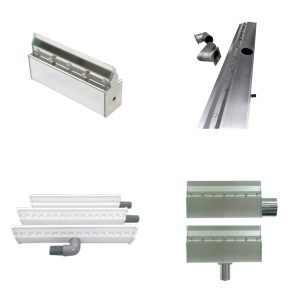
Choosing the right material for air knives directly boosts line speed and cuts expenses. Inefficient drying leads to bottlenecks, slowing output. Materials that match conditions ensure quick, even removal of moisture, keeping boards moving.
For cost, durable options like titanium lower long-term spending. Initial outlay might be higher, but fewer replacements pay off. Industry data from PCB manufacturing facilities shows that selecting the right air knife material can deliver 20-25% cost savings over a three-year period. Qixingyuan’s air knives let users tailor to budgets and needs,with customizable in interface type (G1/4, G1/2), length, and air gap width.
Efficiency ties to airflow uniformity. Materials influence knife shape and stability, affecting blow patterns. In PCB cleaning, uneven air causes spots, raising rework by 10%. Stable materials prevent this, supporting high yields.
Integration with other parts matters too. Air knives often pair with filters or nozzles from the same supplier. Qixingyuan provides compatible spares, like corrosion-resistant connectors, for seamless fits.
| Material Type | Key Strength | Typical Use in PCB | Lifespan Estimate | Cost Impact |
| PVC | Chemical resistance | Rinsing sections | 2-3 years | Low initial |
| Aluminum Alloy | Lightweight strength | General drying | 3-4 years | Moderate |
| Stainless Steel | High corrosion tolerance | Etching/Developing | 5+ years | Higher but durable |
| Titanium Alloy | Extreme durability | Harsh chemical zones | 7+ years | Premium savings long-term |
This table highlights how materials align with needs, guiding selections.
As processes evolve, material roles grow in importance.
Adapting Air Knives to Specific PCB Manufacturing Processes
Each PCB step demands tailored air knives. In developing, where films strip off, gentle yet effective blowing prevents residue. Lightweight materials excel here, avoiding board stress.
Etching requires robust options against acids. Stainless variants hold up, ensuring clean edges for circuits. Rinsing follows, where water removal is key; PVC or aluminum speeds this without corrosion worries.
For specialized lines, like those for flexible PCBs, materials must flex with demands. Qixingyuan offers shapes like straight or ring forms, in varied materials, to fit.
Industry trends show rising use of mixed setups. Plants combine materials across lines for optimal results, reducing overall wear.
This strategic choice elevates production standards.
Shenzhen Qixingyuan: Solutions for PCB Manufacturing Wet Processing Challenges
PCB manufacturers often struggle with equipment failures from corrosive chemicals and high humidity, leading to frequent downtime and rising costs. These issues arise because standard parts can’t withstand the aggressive environments in wet processes like etching and rinsing, causing material breakdown and uneven performance.
The principle here involves matching component properties to process conditions—corrosion erodes weak metals, while heat warps plastics, disrupting airflow and cleaning. Without proper resistance, lines suffer from defects and inefficiency.
Qixingyuan addresses this with specialized spares for horizontal wet processing equipment. Their air knives, available in PVC for mild chemicals, aluminum alloy for balanced strength, stainless steel for high corrosion, and titanium for extremes, provide targeted solutions. These products stand out with durable builds that extend lifespan by up to 5 years, cutting maintenance by 25%. Paired with compatible filters and nozzles, they ensure stable operations, helping factories maintain high yields and reduce energy use in demanding setups.
Conclusion
Material diversity in air knives proves essential for PCB manufacturing‘s demands. It tackles corrosion, heat, and efficiency head-on, supporting reliable production. By selecting wisely, factories achieve better outcomes with less hassle. The role of material diversity in air knives for PCB manufacturing underscores how tailored solutions from providers like Qixingyuan drive industry advancements.