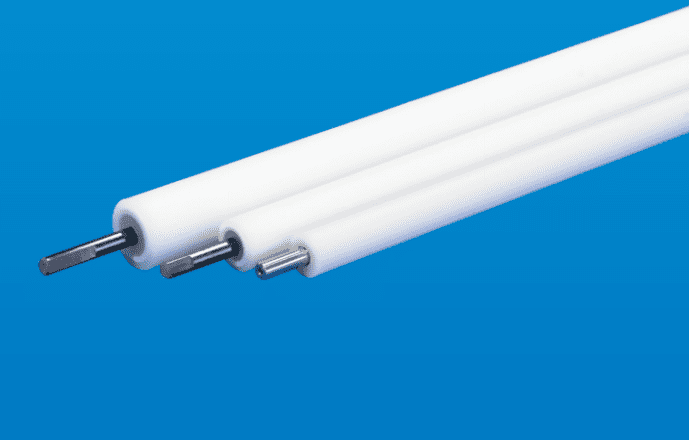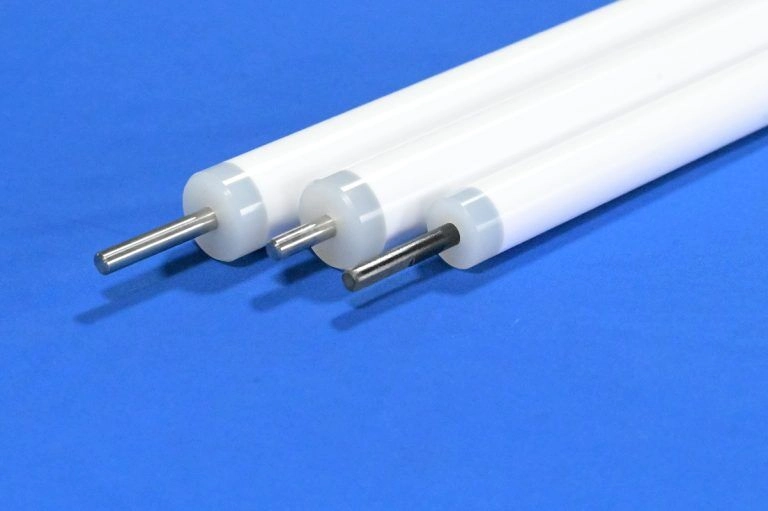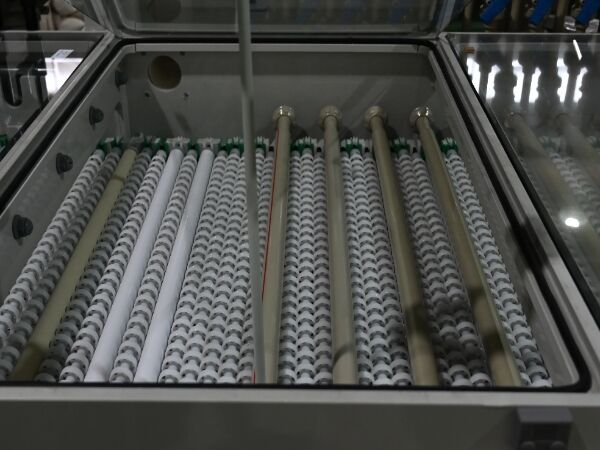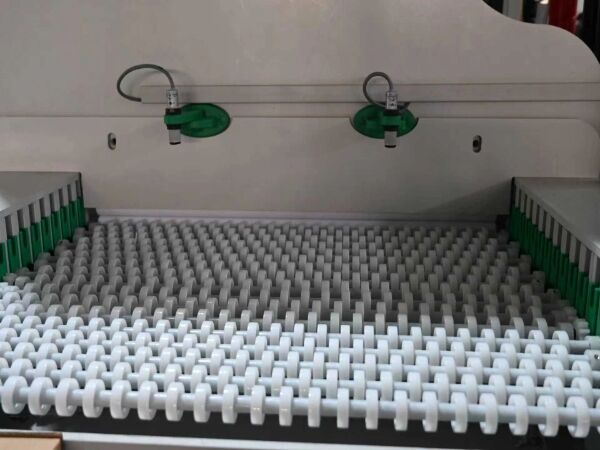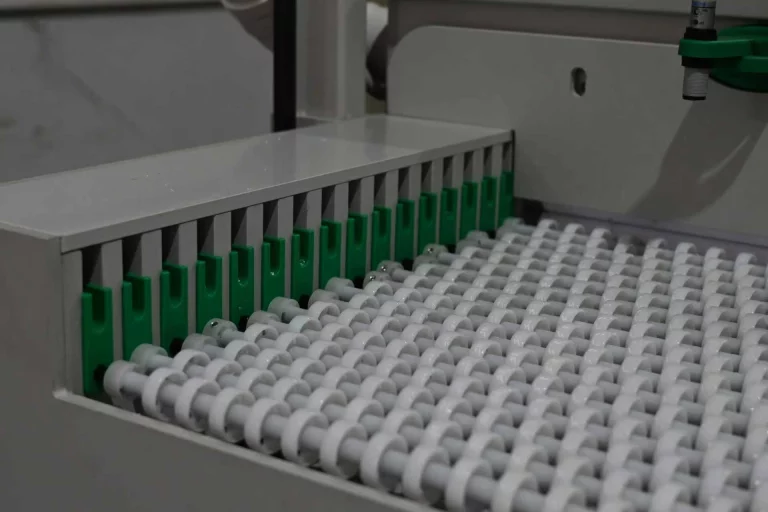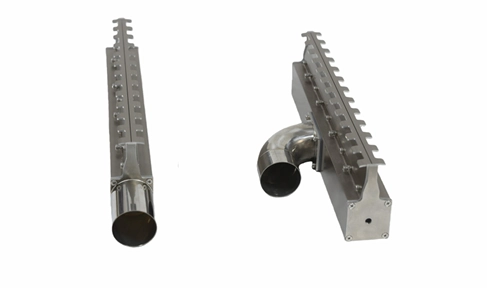
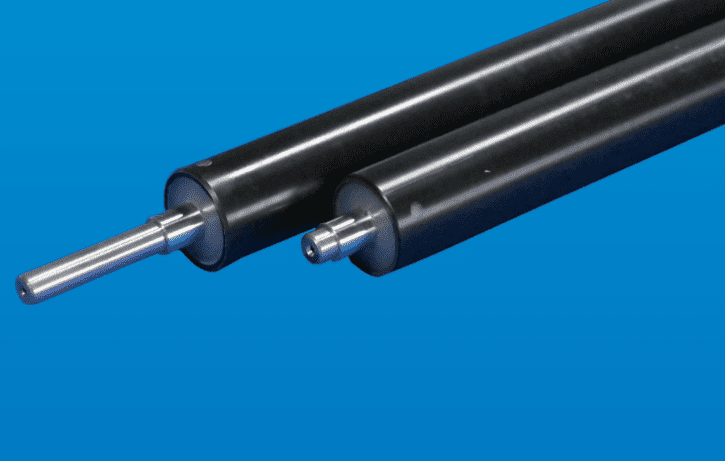
Etching machine rollers have a very important job in PCB manufacturing. This is true especially during the wet processing of the boards. Yet lots of makers run into a usual problem. The rollers start to swell. This issue can really hurt how well production runs and how good the final work is. In this article we look closely at the reasons for roller swelling. We also check how materials such as TPV and EPDM can help fix the issue.
What Causes Etching Machine Rollers to Swell?
Roller swelling in etching machines comes from several things. It helps to understand these things well. This way you can stop the problem and fix it better. Let us look at the main reasons for roller swelling now.
Mechanical Wear and Tear
Etching machines are very exact pieces of equipment. The rollers face steady rubbing and force while they work. Over time this wear from use makes the material weaker. Then the material changes shape and gets bigger. The rollers rub all the time against the etched PCB surface. They also meet cleaning agents. This rubbing can cause small rips on the roller’s surface. These small flaws create spots where water and chemicals get sucked in. As a result the rollers swell. In the end this shortens the life of the rollers.
Chemical Exposure
In the etching steps the rollers meet many chemicals. These include acids, solvents, and cleaning agents. Some kinds of rubber in old rollers do not stand up well to these chemicals. When the rollers take in the chemicals the rubber reacts. This reaction makes the rollers swell. It also makes them break down faster.
Temperature and Heat Expansion
Etching machines often work in hot conditions. This is common in wet processing. Long exposure to heat can make the rubber material grow bigger. This is known as heat expansion. It leads to the rollers getting physically larger. Heat also speeds up the chemical reactions between the roller material and the chemicals. This makes the swelling problem worse.
Poor Material Quality
One big reason for roller swelling is the quality of the material. Low quality materials swell more easily. They cannot handle long time heat, chemicals, and mechanical pressure. For example PVC rollers are cheap. But they swell in tough conditions. They do not have the strength needed for etching processes.
How TPV and EPDM Rollers Solve the Swelling Problem
TPV and EPDM have become popular in the etching machine industry. They have great resistance to swelling. Let us take a closer look at these materials. We will see how they fix the problem well.
TPV (Thermoplastic Vulcanizate) Rollers
TPV is a kind of thermoplastic elastomer. It mixes the good points of thermoplastics and vulcanized rubbers. TPV rollers stand up well to heat, chemicals, and mechanical wear. This makes them a great pick for etching machines.
- Heat Resistance: TPV can handle high heat well. It stops the rollers from growing bigger in hot conditions. This keeps performance steady even when temperatures go up and down.
- Chemical Resistance: TPV rollers can take many chemicals without trouble. They do not swell or break down. This makes them perfect for places with strong substances like etching or cleaning steps.
- Durability: TPV is very strong against rubbing. The rollers last longer this way. You do not need to change them often. This improves the whole etching process.
EPDM (Ethylene Propylene Diene Monomer) Rollers
EPDM is another type of synthetic rubber. It is known for its great resistance to heat, aging, and chemicals. EPDM rollers are used a lot in industries that need strong materials. This includes the etching machine area.
- Superior Heat Resistance: EPDM can take high temperatures without trouble. It does not change shape or swell. It stays strong even in very tough conditions. The rollers do their job well during the whole etching process.
- Chemical Resistance: EPDM fights acids, bases, and other chemicals well. These are the ones used in etching and cleaning. This resistance stops the material from taking in bad chemicals. So it prevents swelling and breaking down.
- Longevity: EPDM rollers last a long time. They fight wear well. This makes them good for high volume work like PCB manufacturing.
Both materials fight swelling in their own ways.
TPV vs EPDM: Which is Better for Etching Machine Rollers?
Both TPV and EPDM give big benefits for etching machine rollers. But which one fits your needs best? Here is a quick look at how they compare.
| Feature | TPV | EPDM |
| Heat Resistance | Great | Great |
| Chemical Resistance | Great | Excellent |
| Durability | Excellent⭐ | Great |
| Cost | Moderate | Moderate |
While both materials fight swelling well TPV is often stronger overall. It works better in hot places. Yet EPDM gives better fight against chemicals. This can help more when strong acids are used. When you pick the material for your etching machine rollers think about things like how hot it gets. Look at the kinds of chemicals too. Also consider how long the rollers should last. You can even use both materials in different parts of the etching process. This helps get the best results.
Knowing the differences helps you choose right. Now here are some good habits to stop swelling from happening at all.
Best Practices to Prevent Roller Swelling
It is better to stop roller swelling than to change bad rollers all the time. Here are some good practices. They help make your etching machine rollers last longer and stop swelling.
- Regular Maintenance: Check the rollers on a regular basis. Look for any wear and tear. Replace any worn out rollers as soon as you can. This stops further damage.
- Control Chemical Exposure: Use chemicals that work well with the roller material. Keep exposure to harsh chemicals as low as possible. This helps prevent swelling.
- Monitor Temperature: Keep the operating temperature within the right limits. Overheating can speed up swelling and wear on the rollers.
- Use High-Quality Rollers: Pick TPV or EPDM rollers that are made for extreme conditions. These materials fight swelling, heat, and chemicals better.
These practices work well to keep rollers in good shape. One company that can supply the right rollers is Qixingyuan Machinery.
Qixingyuan Machinery: Your Trusted Roller Supplier
Shenzhen Qixingyuan Machinery Equipment Co., Ltd. focuses on high quality parts. They also provide spares for PCB horizontal line wet processing equipment. They have many top rollers made from TPV and EPDM materials. These rollers make sure your etching machines run their best. There is no risk of swelling or early wear. With their products you get better efficiency. You also have lower costs for upkeep. Plus your equipment lasts longer. Their rollers are made just for tough environments. They make your manufacturing process go as smooth as it can. Whether you need standard rollers or special ones they are ready to give the best materials for your needs.
Conclusion
Etching machine roller swelling is a usual issue. It can cause slow downs and delays in production. Yet by picking high performance materials like TPV and EPDM makers can cut the risks of swelling a lot. They can also make their equipment last longer. Regular upkeep and the right choice of material are the keys to stopping this issue.