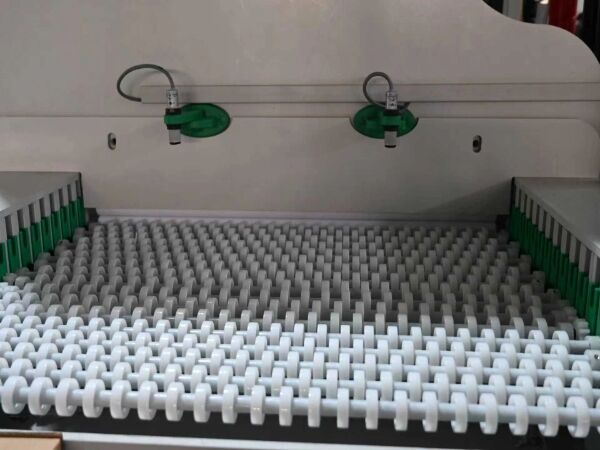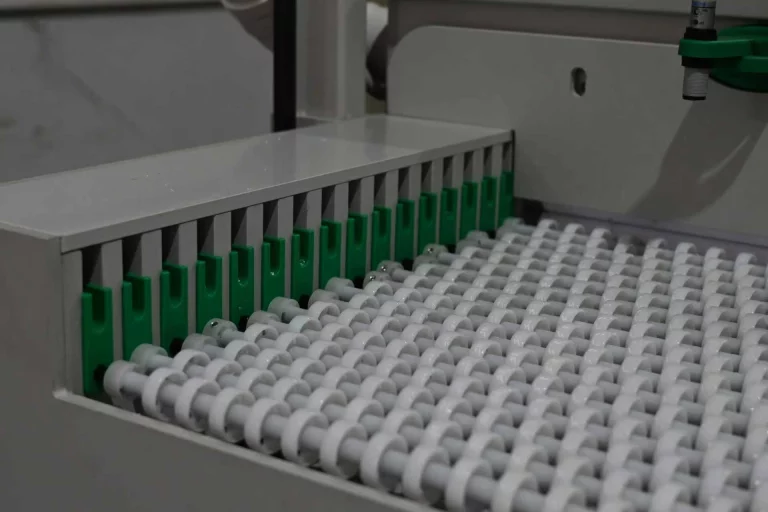
High-speed printed circuit board lines run non-stop in today’s manufacturing world. Strong acids and etching chemicals eat away at regular parts fast. This causes frequent stops, uneven results, and extra expenses. Many shops now use special rollers built to handle these tough conditions. They keep running without quick failure. This case study shows how acid-resistant PP rubber rollers helped one busy PCB line work better and with fewer headaches.
Workers in the wet sections deal with the same problems all the time. Rollers swell up, crack, or lose their hold after just a few weeks in acid baths. The line slows down. Boards come out uneven. Choosing better materials changes the game and keeps everything moving smoothly.
Challenges in High-Speed PCB Wet Processing Lines
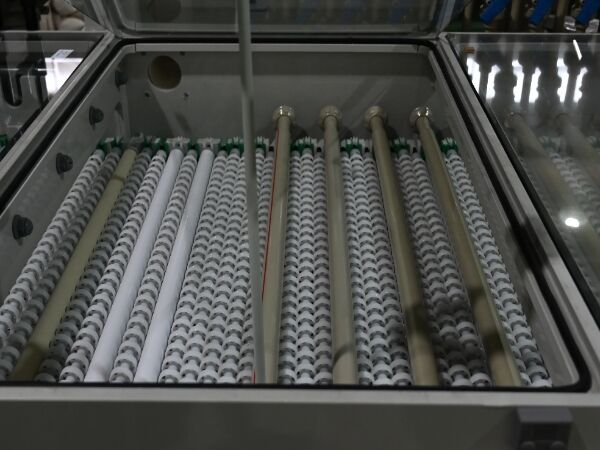
High-speed PCB lines push panels through etching, developing, and rinsing stations without much break. Acid solutions, such as cupric chloride types, attack normal rubber pretty quick. Surfaces break down in four to six weeks. This leads to slipping, which misaligns panels or creates patchy etching.
One factory running 24/7 shifts had to swap squeeze rollers every single month. Each swap took about 45 minutes. It risked hurting costly machines. Output speed fell around 15 percent when wear got bad because crews slowed things to dodge defects. Worn rollers also dragged chemicals into rinse tanks. That bumped up water treatment costs close to 20 percent.
These issues hit harder when making fine lines with tolerances under 50 microns. Small wear on rollers creates pressure changes that mess up copper removal. Teams wasted hours on fixes instead of hitting delivery dates for their electronics customers.
Finding rollers that stand up to strong acids without constant swaps became the main way to get steady output.
Why PP Rubber Rollers Excel in Strong Acid Environments
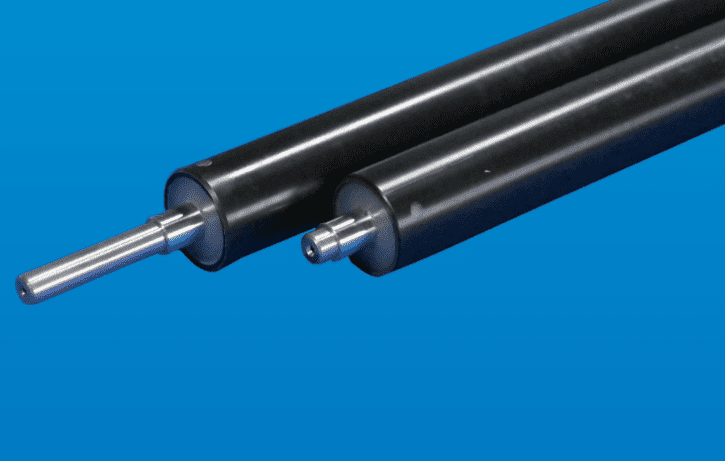
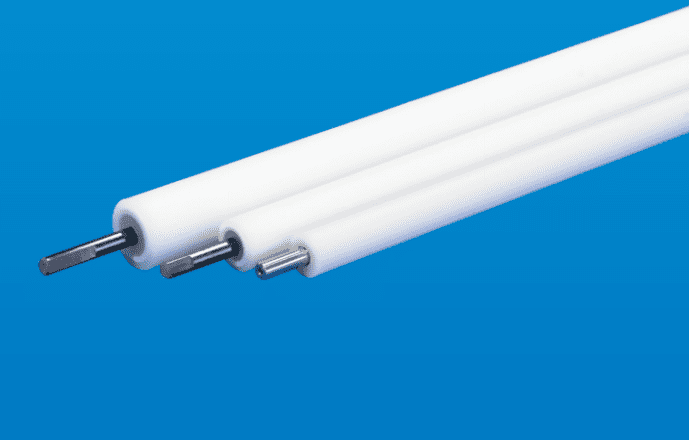
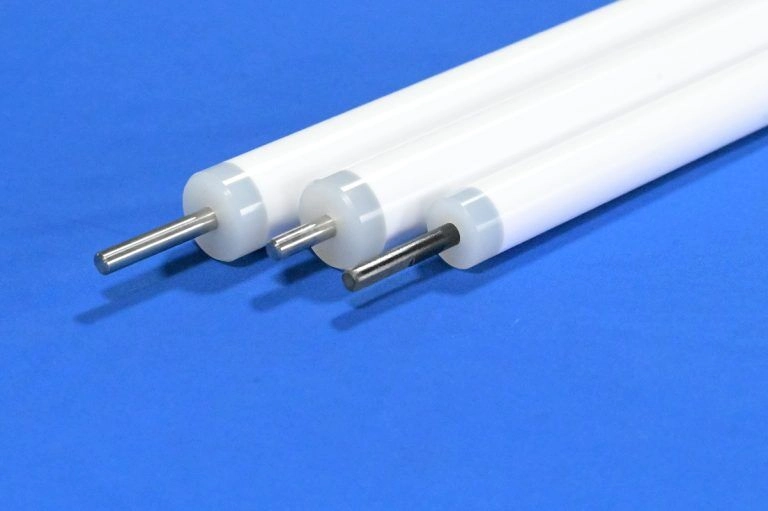
PP rubber rollers use polypropylene-based mixes. They fight off acids, alkalis, and etching fluids used in PCB wet lines. Standard materials soften or crack, but these keep their shape and grip even after months of heavy use.
The benefits show up every day on the floor. The material deals with very low pH levels without much swelling. Hardness stays steady. It gives solid hold for thin panels moving faster than 3 meters per minute. Wear drops a lot compared to usual options. Often they last three to five times longer in harsh chemicals.
In actual wet stations, these rollers soak up less liquid. Less sticks to the surface, so drag-out decreases and solution use drops. Transfers between tanks stay cleaner. This helps etching rates stay even through whole shifts.
Here are some practical pluses:
- Strong resistance to corrosion in heavy acid baths
- Little change in shape under steady pressure
- Much less maintenance work and labor
- Good stability for exact squeezing action
One plant tested these features on a tough high-speed line. The results came fast.
Case Study: Transforming a High-Speed PCB Etching Line
A PCB maker in Asia ran into ongoing trouble on their main etching line. It handled over 500 panels per hour for multilayer boards. They used acidic cupric chloride. Standard rollers only lasted five to seven weeks. They developed deep grooves and lost stretch. Pressure became uneven. Scrap rates hit 8 percent from over-etching or under-etching on fine traces.
The crew switched to acid-resistant PP rubber rollers made to fit their squeeze and transport spots. They installed everything during a planned weekend shutdown. Changes to the frames stayed small.
Improvements showed up soon. After three months, the new rollers looked almost new with very little wear. Etching became more even. Scrap fell below 2 percent. The line ran at full speed without the old slowdowns for checks. Chemical use dropped about 12 percent because of less drag-out. Rinse water needs also went down.
Maintenance records made it clear. Monthly swaps turned into checks every few months. Downtime for roller work fell by 70 percent. Techs could focus on other jobs. Downstream assembly teams gave better feedback on board quality. Complaints about trace width changes dropped.
Take a look at this before-and-after table:
| Aspect | Before (Standard Rollers) | After (Acid-Resistant PP Rollers) |
|---|---|---|
| Roller lifespan | Short service life | Long service life |
| Monthly downtime (hours) | High downtime | Low downtime |
| Scrap rate (%) | High defect rate | Low defect rate |
| Chemical drag-out | Significant carryover | Reduced carryover |
| Line speed consistency | Frequent slowdowns | Stable at full capacity |
These changes added real savings. The plant got its money back on the new rollers in about four months thanks to more output and less upkeep.
Daily work felt different for the team after the switch. Things flowed smoother overall.
Performance Metrics and Long-Term Benefits
Data from the line showed steady pressure across the full roller width, even after 120 days. Surface hardness readings stayed close to the starting numbers. Standard materials usually hardened or got soft in uneven ways.
At high speeds, the rollers stopped the slipping that used to mark panel edges. Crews saw panels move without as many jams at transfer points. The rollers held up well in heated tanks reaching 50°C without cracking.
Longer life also meant smaller stock of spare parts. One set handled more than 1.2 million panels before any noticeable surface shift. This steady performance let the plant handle busy demand periods without rushing for emergency parts.
Here are some key wins on the shop floor:
- Steady etching rates during full runs
- Lower chance of mixing chemicals between tanks
- Easier cleaning at planned stops
- Fewer safety issues from handling hot chemicals during swaps
These points explain why picking the right material really counts in tough PCB setups.
Shenzhen Qixingyuan Machinery Equipment Co., Ltd. serves as a dedicated supplier of spares and parts for PCB horizontal line wet processing equipment. The company focuses on high-quality components designed for reliability in tough chemical conditions, helping manufacturers reduce downtime and maintain consistent output. Their range includes various rollers suited for etching, developing, and rinsing sections, backed by practical industry experience.
Key Factors for Selecting Acid-Resistant Rollers
Not every roller works on every line. You need to think about the exact chemicals, temperature, speed, and panel thickness. Matching diameter, hardness, and any groove patterns to your machines avoids fit problems later.
Check how well the rollers match your specific etchants and cleaners. Running sample tests in real conditions gives the best idea of how long they will last. Shaft material and seals matter too for wet areas.
Use this quick list when you evaluate options:
- Check ratings for acid and alkali resistance
- Look at expected hours based on your speed and chemicals
- Make sure dimensions fit your machine model
- Ask about custom mixes for special needs
Good selection skips the trial-and-error expense. It keeps your line productive right away.
Brand Introduction
Shenzhen Qixingyuan Machinery Equipment Co., Ltd. is a specialized supplier of spares and parts for PCB horizontal line wet processing equipment. With years of focus on the electronics manufacturing sector, the company provides durable rollers and related components designed to withstand demanding chemical environments. Their products help maintain high uptime and consistent quality in etching, rinsing, and developing processes. Customers value the practical performance and responsive support that keeps production lines running efficiently.
Conclusion
Acid-resistant PP rubber rollers bring clear gains to high-speed PCB lines that face strong chemicals. The case study shows longer life, less scrap, shorter downtime, and steadier runs. All this adds up to better efficiency and lower costs. Shops tired of frequent roller failures in wet areas can see similar results by picking materials made for the job.
Operations that want to upgrade parts on PCB horizontal lines will find reliable components make daily shifts easier and more predictable.
FAQs
How long do acid-resistant PP rubber rollers typically last in high-speed PCB etching lines?
In strong acid conditions with steady running, these rollers often last four to six months or more before any real attention. Life depends on acid strength, heat, and speed. Many users get three to five times longer service than standard rollers. This cuts replacement work a lot.
What makes PP-based rollers better than standard rubber for acidic PCB wet processing?
PP mixes hold up against swelling and breakdown from strong acids and etchants much better. They keep steady hardness and grip on panels. This means less drag-out and even pressure. Defects drop and chemical waste goes down compared to materials that fail fast.
How do acid-resistant rollers help reduce overall costs in PCB manufacturing?
They last longer so you buy fewer sets and spend less labor on swaps. Lower drag-out saves on etchants and rinse water. Less scrap from even processing adds more savings. Many plants see payback in just a few months from higher output and less downtime.