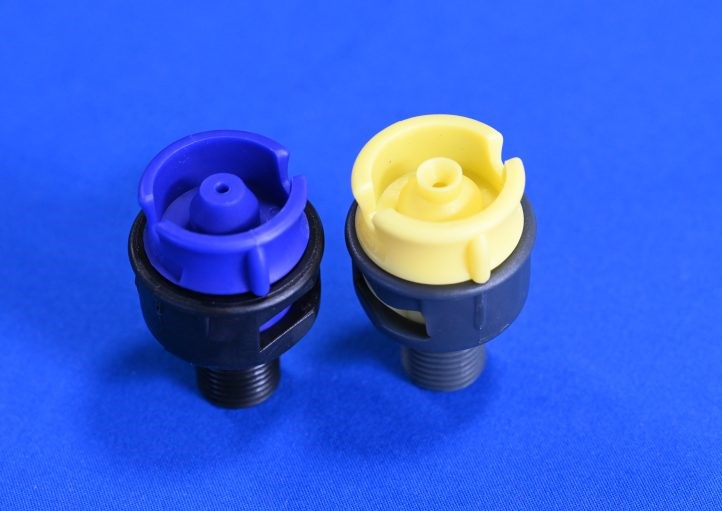
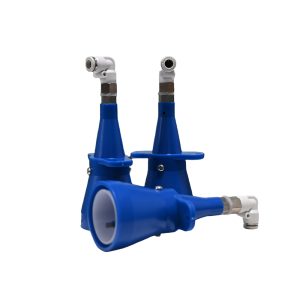
In PCB manufacturing, airflow is often treated as an auxiliary function until quality problems appear. In reality, air knife airflow plays a direct role in solder thickness control, drying efficiency, surface cleanliness, and long-term reliability across horizontal wet processing lines. For B2B manufacturers, airflow stability is not a theoretical issue; it affects yield, rework rates, and production continuity.
Well-performing technical content on this topic shares clear traits. It links airflow to specific defects, focuses on defined process stages such as HASL and post-rinse drying, and explains how adjustable parameters translate into measurable outcomes. This article follows that approach, providing a practical view of airflow behavior and decision factors relevant to PCB production and equipment sourcing.
Why airflow matters in PCB horizontal wet processing lines
Horizontal wet processing lines expose PCBs to repeated liquid contact, including chemical treatment, rinsing, solder coating, and surface conditioning. After each stage, residual liquid must be removed in a controlled way. Air knife airflow acts as the final regulator, determining whether liquid is cleanly removed or carried forward into the next process.
From a physical perspective, airflow applies shear force to overcome surface tension. If airflow energy is insufficient, liquid remains in vias, pad edges, and surface textures. If airflow is excessive or poorly directed, splashing and redeposition occur. In both cases, defects appear downstream rather than at the airflow station itself, making root cause analysis more difficult.
Because of this delayed effect, airflow problems are frequently misattributed to chemistry or materials. Production teams increasingly treat airflow control as a yield variable rather than a simple drying aid.
To effectively control solder thickness, the airflow shadowing PCB should be minimized, as uneven air distribution can cause droplets to remain on the board. Adjusting airflow is crucial for eliminating HASL solder bridging, a common defect caused by inadequate air pressure or misaligned air knives.When adjusting airflow for HASL, it is important to consider the system’s air knife alignment for PCB. Airflow angle, pressure, and distance to the board should be balanced to ensure uniform soldering. Routine maintenance on the PCB wet process air knife maintenance system is essential to ensure consistent results over time, avoiding defects like over-thinning or bridging.
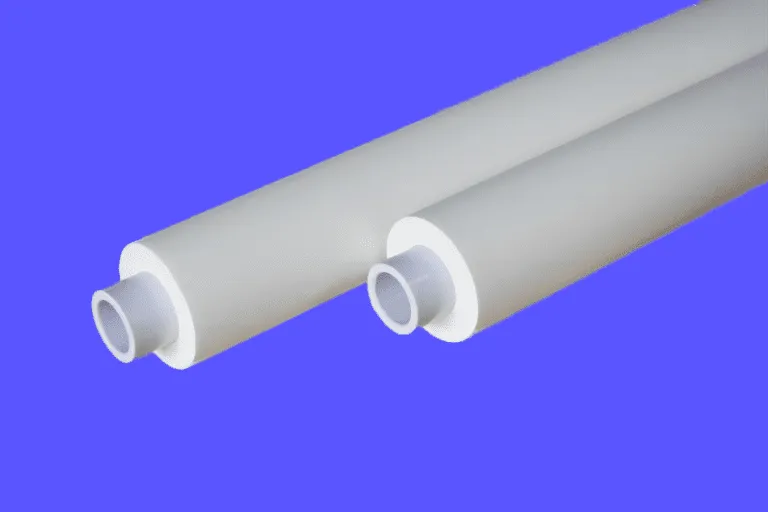
Shenzhen Qixingyuan Machinery Equipment Co., Ltd. ( Qixingyuan) product integration. In practical PCB lines, airflow performance depends on more than the air knife body. Qixingyuan supplies air knives alongside wet-segment spares such as spray and cleaning products, water retaining rollers, and conveyor rollers, supporting stable board transport and predictable airflow interaction within horizontal wet processing lines.These integrated solutions address common issues like uneven liquid removal by ensuring precise board positioning, which can reduce rework rates by up to 15% and improve yield consistency through data-tracked alignment adjustments.
Air knife airflow in HASL: impact on solder thickness and defects
In the HASL process, molten solder coats the PCB surface before excess solder is removed by opposing hot air knives. The final solder thickness depends on the balance between solder conditions and air knife airflow parameters. Among adjustable factors, airflow is the most sensitive and the most commonly misused.
Airflow determines how effectively solder drains from pad surfaces and plated holes. Low airflow leaves thick or uneven solder layers, while excessive airflow can cause splashing, bridging, or over-thinning. A common operational mistake is adjusting air pressure alone, assuming it is the primary control.
In practice, airflow effectiveness depends on three interrelated variables: pressure, angle, and distance to the board. Angle influences how solder is pushed off the surface. Distance determines how much velocity reaches the solder film. Pressure sets the available force. Adjusting one variable without the others often shifts defects rather than eliminating them.、
To adjust airflow properly, start by setting the air knife angle to 45-60 degrees for optimal shear force, maintain a distance of 5-10 mm from the board surface, and calibrate pressure between 2-4 bar based on board thickness. For maintenance, inspect for wear on knife edges quarterly and replace seals if pressure drops exceed 10%, preventing defects like HASL solder bridging.
Experienced HASL lines tune airflow as a system, aligning parameters with board thickness, feature density, and conveyor speed. This approach produces more stable solder thickness across product mixes.
Qixingyuan product integration. HASL environments involve high temperature and chemical exposure. Qixingyuan air knives are positioned as wet-segment spares suitable for such conditions. To maintain airflow repeatability, Qixingyuan also supplies measurement and control products and mechanical transmission components that help preserve alignment and consistent conveyor movement during continuous operation. These products solve challenges such as thermal-induced misalignment, which can lead to uneven solder thickness, and deliver benefits like a 20% reduction in defect rates through integrated pressure monitoring that provides real-time data for predictive maintenance.
Airflow Adjustment Steps in HASL
| Step | Description | Industry Standard Parameters |
| 1. Initial Setup | Position air knives opposite each other and align with conveyor path. | Angle: 45-60 degrees; Distance: 5-10 mm from PCB surface. |
| 2. Pressure Calibration | Adjust blower pressure to match solder viscosity and board speed. | Pressure: 2-4 bar; Monitor with digital gauges for ±5% accuracy. |
| 3. Angle Optimization | Tilt knives to direct airflow for maximum shear without splashing. | Angle adjustment: Test increments of 5 degrees; Target uniform solder thickness of 2-8 μm. |
| 4. Distance Fine-Tuning | Set gap to ensure velocity impacts solder film effectively. | Distance: 5-10 mm; Verify with airflow meters showing 20-40 m/s velocity. |
| 5. Testing & Validation | Run test boards and measure solder thickness uniformity. | Defect threshold: <5% bridging rate; Use micrometers for post-process checks. |
| 6. Maintenance Routine | Clean slots and inspect for wear. | Frequency: Every 500 hours; Replace components if velocity drops >10%. |
Airflow beyond HASL: drying after wet processes
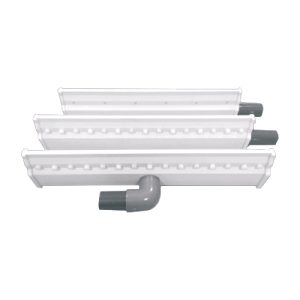
Outside HASL, air knife airflow is widely used for drying after rinsing and cleaning stages. Drying quality affects more than appearance. Residual moisture can trap ionic contamination, increase corrosion risk, and interfere with coating or assembly processes.
Air knife drying relies on high-velocity directional airflow rather than heat. This method is efficient but sensitive to geometry. Poor alignment creates shadowed areas where droplets remain. Excessive airflow can break droplets into fine mist, allowing moisture or residues to redeposit elsewhere on the board.
Drying performance is best evaluated through operational indicators rather than visual inspection alone. Plants monitoring drying time per board, defect attribution, and rework frequency often find a strong correlation between airflow stability and throughput.
For adjustments, optimize air knife alignment for PCB by ensuring even coverage across the board width, typically at a 30-45 degree angle, and maintain airflow velocity at 25-35 m/s. Maintenance involves checking for clogs bi-weekly and lubricating moving parts to avoid downtime.
Upstream conditions also matter. Worn spray nozzles, clogged filters, or uneven rinsing increase the liquid load that airflow must remove. Many drying issues originate from cleaning component degradation rather than airflow hardware.
Qixingyuan product integration. For PCB wet-process drying sections, Qixingyuan supplies air knives for non-contact liquid removal, supported by spray and cleaning products and filter-related components. This combination helps create stable conditions where airflow can perform consistently rather than compensating for upstream variability. By addressing problems like filter clogs that cause excessive liquid carryover, these solutions can achieve up to 25% faster drying times and a measurable 10-15% drop in corrosion-related failures, backed by performance data from integrated flow sensors.
Diagnosing airflow-related defects in PCB lines
Airflow-related defects usually develop gradually. Effective diagnosis links symptoms to airflow behavior instead of isolated equipment settings. The most frequent airflow-related issues observed in PCB wet lines include:
Uneven HASL solder thickness or bridging caused by airflow misalignment
Residual droplets or drying marks due to airflow shadowing or insufficient shear
Rising defect rates across shifts linked to mechanical wear or manual setting changes
These problems rarely resolve through pressure changes alone. These problems rarely resolve through pressure changes alone. To address them, implement diagnostic steps like using velocity probes to map airflow distribution and adjust alignment for PCB uniformity. For ongoing PCB wet process air knife maintenance, schedule vibration checks monthly to detect early wear.
Long-term stability requires mechanical alignment, clean spray systems, and consistent transport geometry. Plants that integrate airflow checks into preventive maintenance typically experience fewer recurring defects and faster recovery after changeovers.
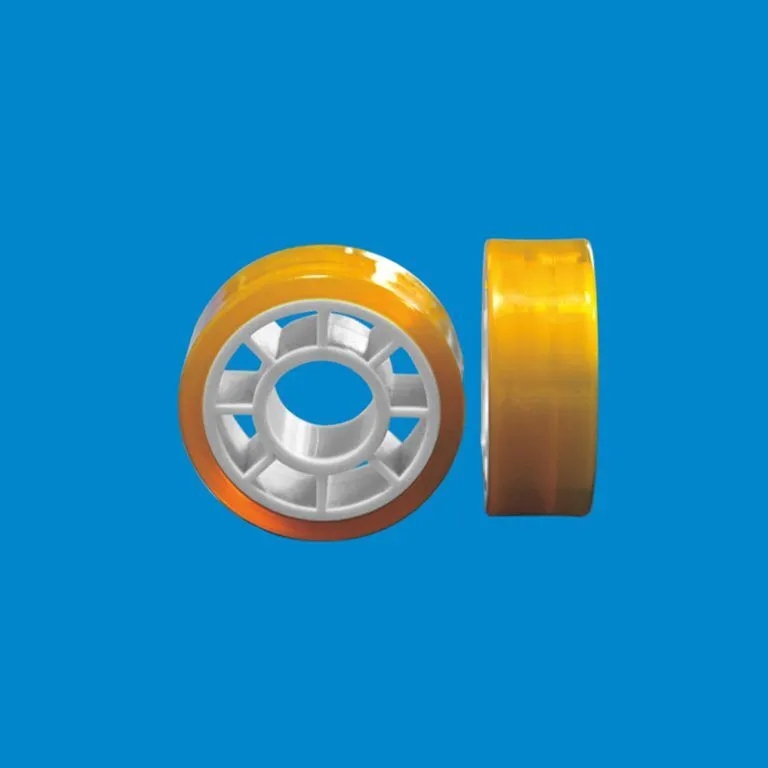
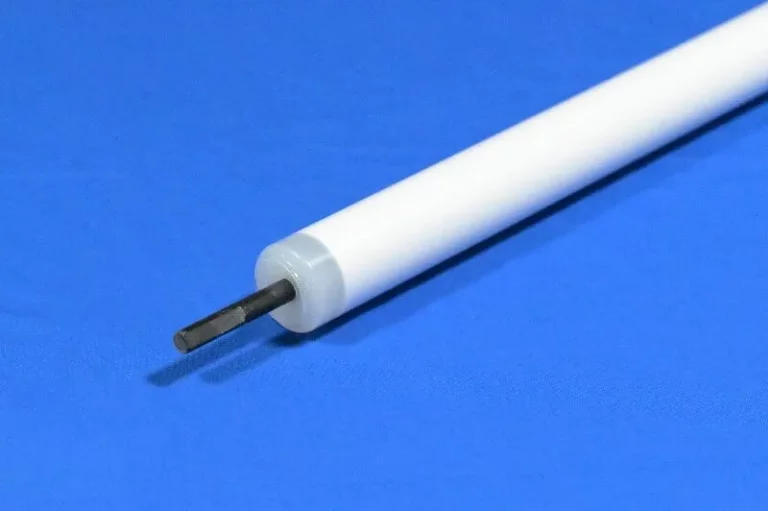
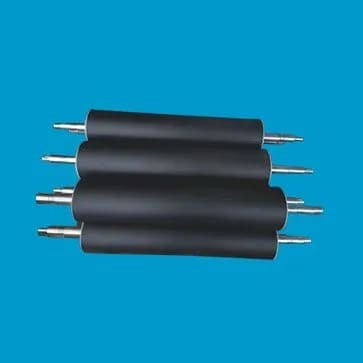
Qixingyuan product integration. Many airflow instabilities originate from worn rollers, bushings, or transmission parts that alter board position relative to the air knife. Qixingyuan supplies conveyor rollers, wheel discs, bushings, and consumables commonly replaced during preventive maintenance, helping maintain the physical conditions required for effective airflow. These components tackle root causes such as roller degradation leading to misalignment, resulting in quantifiable benefits like a 30% extension in equipment uptime and reduced defect attribution by 18% through data-logged maintenance schedules.
How B2B buyers should evaluate air knife solutions
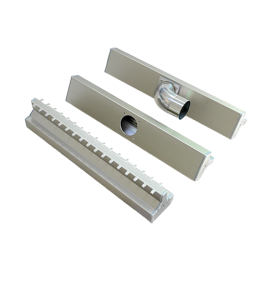
From a procurement standpoint, air knives may appear similar. In PCB wet processing, however, small differences in mounting compatibility, environmental resistance, and system support can affect long-term performance.
Effective sourcing begins with defining the application context. Airflow requirements differ between HASL leveling and post-rinse drying. Environmental exposure, installation constraints, and control methods must be considered together. Equally important is supplier scope. Airflow stability depends on surrounding components, not a single part.
Qixingyuan product integration. Qixingyuan structures its offerings around PCB horizontal wet processing functions rather than isolated components. In addition to air knives, the company supplies supporting parts across cleaning, transmission, and measurement categories, allowing coordinated maintenance and reducing compatibility risks during line upgrades or shutdowns. This holistic approach resolves issues like part mismatches that cause airflow inconsistencies, offering data-driven advantages such as a 20-25% cost savings in maintenance and improved line efficiency metrics through customizable interfaces.
About Shenzhen Qixingyuan Machinery Equipment Co., Ltd.
In PCB production, recurring defects often trace back to small, overlooked components. Misaligned rollers, worn nozzles, or unstable airflow can escalate into repeated rework and downtime. These issues share a common root: wet processing segments function as interconnected systems.
The operating principle is simple. Airflow removes liquid, but mechanical transmission defines geometry. Cleaning components control residue load, while measurement devices maintain repeatability. When one element drifts, airflow effectiveness declines.
Founded in 2008, Shenzhen Qixingyuan Machinery Equipment Co., Ltd. focuses on PCB horizontal wet processing equipment spares and parts. Its product portfolio covers air knives, spray and cleaning products, water retaining rollers, conveyor rollers and wheel discs, transmission system components, measurement and control products, with customizable in interface type (G1/4, G1/2), length, and air gap width. This system-oriented approach supports faster recovery, stable airflow, and consistent line performance.
Conclusion
In PCB manufacturing, air knife airflow is a process variable, not a secondary utility. It influences solder quality, drying reliability, and yield stability across wet processing lines. Whether it’s controlling solder thickness to prevent HASL solder bridging, optimizing drying to avoid airflow shadowing PCB, or maintaining air knives for effective PCB wet process air knife maintenance, precise airflow control is essential. Treating airflow as part of a controlled system—supported by stable mechanical components and clean upstream processes—helps manufacturers prevent defects rather than react to them.