Img.Liquid Level Switches Protect PCB Developer Tanks.Webp
A small drop in a PCB developer tank can create a large production problem. The circulation pump may draw air, spray pressure may swing, and parts of a panel may receive too little developer solution. Incomplete development, resist residue, rough line edges, and later etching defects can follow.
A liquid level switch gives the control system a direct warning before the tank reaches that condition. It can stop a pump, start replenishment, trigger an alarm, or block the next batch. For PCB manufacturers, it is both pump protection and process control.
Why Liquid Level Control Matters in PCB Developer Tanks
In a horizontal developing line, a pump draws developer solution from the tank and sends it through spray pipes and nozzles. The process depends on stable liquid volume, spray pressure, temperature, concentration, and conveyor speed.
Low Level Changes the Whole Spray System
As the solution level falls, the pump inlet has less liquid above it. Turbulence may pull air into the suction line even before the inlet becomes exposed. Flow then pulses instead of staying steady. Operators may see a pressure gauge moving, hear a rough pump sound, or notice uneven spray inside the chamber.
Typical results include:
- weak spray at distant nozzle branches;
- bubbles and pressure fluctuation;
- longer resist-cleaning time;
- residue in holes, fine spaces, or panel edges;
- unstable temperature and chemical concentration.
These signs are often handled as separate faults. In practice, they may share one cause: poor liquid tank level control.
Qixingyuan supplies vertical liquid level float switches and other measurement and control products for PCB wet process equipment. Buyers can provide tank dimensions, liquid type, installation position, wiring needs, and target switching height for application review.
Why PCB Developer Tank Control Is Especially Important
The PCB developer tank is a critical part of the photoresist development process. The circulation pump draws developer solution from the tank and sends it through spray pipes and nozzles, so stable liquid level directly affects spray pressure, chemical contact, and development quality.
If the tank level drops too low, air may enter the suction line, causing unstable flow, cavitation risk, uneven spray, and incomplete development. A reliable liquid level control system helps protect the pump, maintain process stability, and reduce defects caused by inconsistent developer delivery.
How Low Liquid Levels Cause Pump Cavitation
Cavitation starts when pressure at the pump inlet falls far enough for vapor pockets to form. The pockets move into a higher-pressure area and collapse, creating noise, vibration, unstable output, and gradual damage to the impeller or nearby surfaces.
Developer tanks are exposed to this risk because pumps may run continuously while liquid is lost through drag-out, evaporation, leakage, filter work, or an incorrect refill setting.
Cavitation Is Not the Same as Dry Running
Dry running means the pump has too little liquid for cooling and lubrication. Cavitation can occur while liquid still moves, so a pump may appear operational while inlet conditions are already poor.
| Tank condition | Common symptom | Possible result |
| Normal level | Stable pressure and even spray | Consistent resist removal |
| Low level | Noise, bubbles, pressure fluctuation | Uneven development |
| Partly exposed inlet | Intermittent flow and vibration | Defects and pump wear |
| Nearly empty | Dry running or trip | Downtime or pump failure |
A correctly placed low-level switch reacts before the suction point becomes exposed. Its signal can open a pump interlock, start make-up liquid, close a valve, or alert an operator.
Qixingyuan offers compact liquid level detection for PCB developing, etching, rinsing, cleaning, and related wet sections. Replacement requests may be reviewed from photos, samples, dimensions, or equipment drawings.
How Incomplete Development Starts in the Tank
Unexposed photoresist must be removed cleanly without damaging the image that should remain. Chemical strength and temperature matter, but mechanical spray action is also critical. If circulation falls, a board may travel at normal speed while receiving less effective developer action.
A Common Production Scenario
During a long shift, a developer tank slowly loses liquid. The pump inlet remains covered, so the line keeps running. Air enters whenever the surface moves, and pressure drops briefly at several nozzles.
Panels may pass a quick visual check. After etching, however, copper remains in narrow gaps or line edges look rough. Exposure, chemistry, and blocked nozzles should be checked, but unstable tank level also belongs on the root-cause list.
A liquid level sensor removes part of that uncertainty. With level held inside a defined band, engineers can assess concentration, temperature, break point, nozzle wear, and conveyor speed more accurately.
Qixingyuan supplies vertical float level detection alongside pressure gauges, spray parts, filters, nozzles, rollers, gears, and other wet-line spares. Buyers can discuss the level switch within the wider operating condition of the PCB line.
How a Vertical Float Level Switch Works
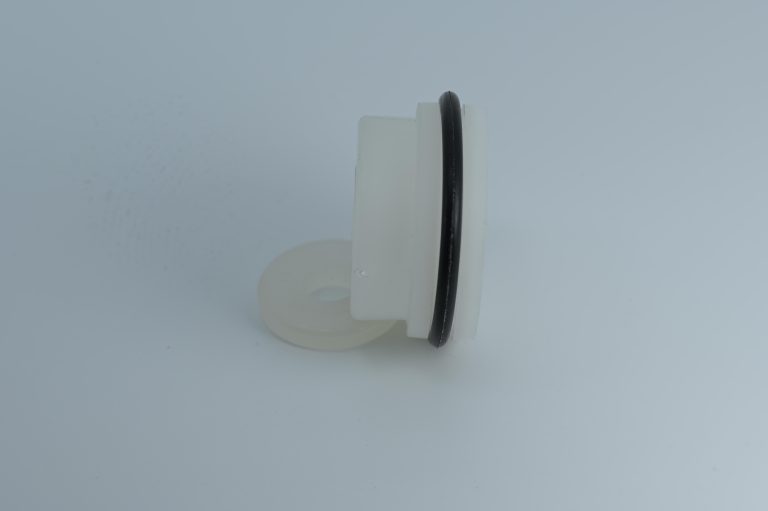
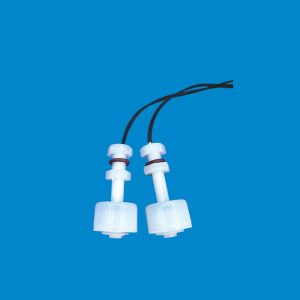
A vertical liquid level float switch follows the liquid surface by buoyancy. The float moves along a fixed stem as the level rises or falls. A magnet inside the float activates a sealed switching element at a set position.
The on-off signal suits alarms, pump protection, filling control, and PLC permissive circuits.
Common Control Functions
A float level switch may provide:
- low-level warning before quality is affected;
- low-low shutdown to prevent pump dry running;
- high-level stop for automatic filling;
- high-high overflow alarm;
- minimum-level permission before line start.
Vertical mounting uses little tank-wall space and gives a clear switching point. Selection still requires checks on stem length, mounting thread, electrical rating, liquid density, temperature, foam, and chemical compatibility.
Qixingyuan can supply a vertical liquid level float for PCB horizontal wet processing equipment. Sharing the developer chemistry, tank drawing, switch action, and control voltage helps the supplier review a practical configuration.
Selecting a Level Switch for a Chemical Tank
The best liquid level switch for a chemical tank is not chosen by appearance. A device suitable for clean water may fail early in warm alkaline developer, acidic rinse liquid, or solution carrying resist particles.
Procurement Checklist
Before requesting a quotation, collect:
- Tank depth and normal operating level.
- Pump suction height and minimum safe level.
- Chemical name, concentration, and temperature.
- Liquid density and viscosity.
- Installation direction and mounting size.
- Required contact logic.
- PLC, relay, or contactor details.
- Space around pipes, heaters, and filters.
- One-point or multi-point control needs.
- Quantity and replacement schedule.
Place the switch away from direct return flow and strong turbulence. Set the low-level point above the minimum safe suction level, with margin for wave movement and control delay. A two-stage layout is often useful: one switch warns or refills, while a lower switch stops the pump.
Liquid Level Switch Selection Table for PCB Developer Tanks
| Type | Advantage | Application Scenario |
| Vertical Float Level Switch | Simple structure, clear switching point, compact installation, suitable for pump protection and level alarms. | PCB developer tanks, etching tanks, rinsing tanks, and other chemical wet-process equipment requiring reliable point level detection. |
| Multi-Point Level Switch | Provides multiple control points for warning, refill, and shutdown functions. | Systems requiring both low-level warning and low-low pump protection or automatic filling control. |
| Custom Chemical-Resistant Level Switch | Can be selected according to chemical compatibility, temperature, mounting space, and electrical requirements. | Special developer solutions or chemical tanks with demanding operating conditions. |
Qixingyuan supports standard wet-line spare parts and custom replacements. Buyers can send the application position, dimensions, material, quantity, equipment information, and clear photos for a faster review.
About Shenzhen Qixingyuan Equipment Parts Co.
Shenzhen Qixingyuan Equipment Parts Co., Ltd. supplies spare parts and custom replacement components for PCB horizontal line wet processing and LCD equipment. Its range includes measurement and control products, air knives, water-retaining rollers, conveyor rollers and wheel discs, gears, screws, spray and cleaning parts, transmission components, bushings, filters, nozzles, and consumables.
The company serves electronics manufacturers, equipment builders, service firms, and maintenance teams working with developing, etching, rinsing, cleaning, conveying, blowing, drying, electroplating, and surface-treatment sections. Parts can be reviewed from drawings, samples, photographs, dimensions, materials, and equipment data. This is useful when an original component is worn, hard to identify, or no longer easy to source.
For liquid level control projects, Qixingyuan can review the vertical liquid level float together with nearby pump, pressure, spray, and tank conditions, helping buyers treat the switch as part of the process system.
Conclusion
Stable PCB development begins with stable liquid delivery. When tank level falls, pump inlet conditions worsen, spray pressure becomes unreliable, and incomplete development becomes more likely. A liquid level switch provides an early response before a minor solution loss turns into cavitation, dry running, defects, or downtime.
The switch should match the chemical, tank geometry, safe suction level, electrical circuit, and maintenance conditions. Qixingyuan supports buyers with vertical float level switches and related PCB wet process equipment parts based on actual application data.
FAQ
1. Where should a low-level switch be installed?
The switching point should stay above the pump’s minimum safe suction level. Allow margin for turbulence, surface movement, control delay, and continued flow after the signal changes. Do not place the float directly beneath a return pipe or strong spray. Qixingyuan can review tank depth, suction position, mounting access, and the required alarm or shutdown level before quotation.
2. Can one float switch control filling and pump protection?
One switch can perform one main switching action, but one setpoint rarely provides both early refill control and low-low shutdown. A two-point arrangement is safer. The upper point can call for replenishment, while the lower point stops the circulation pump. Each PLC input or relay contact should have a clear function and be tested during commissioning.
3. How does a level switch reduce incomplete development?
The switch does not correct chemistry or clean blocked nozzles. It keeps the circulation system away from an unsafe low-level condition. By triggering refill, alarm, or shutdown before suction becomes unstable, it supports steadier flow and spray pressure. This removes one cause of uneven chemical contact and makes other process variables easier to diagnose.
4. What information is needed for a quotation?
Send the tank drawing or depth, normal and minimum levels, installation direction, mounting size, chemical name, temperature, required contact action, electrical load, cable needs, and quantity. Photos of the existing switch and its location are useful. Qixingyuan can use these details, dimensions, or a physical sample to review a suitable replacement or application-specific option.
Qixingyuan welcomes inquiries from PCB factories, wet-process equipment builders, and maintenance teams seeking liquid level switches or related replacement parts for developing and other chemical processing sections.