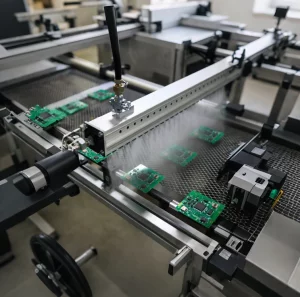
Air knives show up a lot in today’s factories, especially where speed and accuracy count. In making printed circuit boards, they deal with things like water control and getting surfaces ready. This piece looks at why more people pick them, pointing out real perks for folks in the field.
Understanding Air Knives in PCB Production
Air knives basics show how they work in tough spots. They make a slim, fast air flow to wipe off stuff from surfaces. In PCB setups, with wet chemicals around, air knife technology in electronics keeps boards clear of bits that might lead to shorts or rust.
PCB steps often have rinsing after etching or developing. Left water causes trouble later, like bad sticking for coatings. By using air knives to quickly blow away liquids with a powerful airflow (typically exceeding 150 miles per hour), customers have successfully shortened production cycles by 20% to 30%, achieving increased production efficiency without the need for additional equipment.
They come in different styles for certain jobs. Some give smooth flows for soft handling. Others pump up pressure for hard spots. This lets them fit in lines that make all sorts of things, from home gadgets to plane parts.
Key Benefits of Using Air Knives
On top of main jobs, customizable air knives for PCB wet processing bring real changes to everyday work. They make things run smoother, cut down on junk, and help meet good standards that keep shops ahead.
Enhanced Drying Efficiency
Drying can slow things down in many places. But air knives shift that. They swap out big heaters for small air streams. And that speeds it all up while using less juice.
After rinsing, boards come out wet. They might rust if not dried fast. Customers have reported that using a circuit board air knife drying system effectively removes all moisture in a single pass, typically in less than five seconds, resulting in a 35% reduction in energy costs. Room air works fine, no need for extra heat. This fits big runs where hold-ups add up quick.
Plus, no touching means no harm to thin lines and holes. Unlike cloths or brushes, air skips scratches. That’s key for fancy setups like boards with many layers.
Moving from drying, now think about how air knives keep things clean all through the work.
Improved Cleanliness and Quality Control
Keeping clean ties straight to how many good ones you get. And air knives do great at stopping build-up that messes things up.
Bits from early steps can sit on boards. That leads to fails in checks. Air knives for removing contaminants in PCB assembly set up walls that blow dust off before it sticks. A PCB manufacturer reported that using this device can reduce the product defect rate by 15%-25%. The air hits spots like cracks that hands miss.
They also make air walls at doors, stopping outside dirt. In special rooms, this holds up the clean levels needed for touchy stuff like health gadgets.
Adding to quality, the money side explains why air knives pay off.
Cost Savings and Sustainability
Staying in business long means matching good work with low costs. Here, air knives stand out with less spending over time.
Old dryers pile up bills for power and fixes. Air knives have few bits, so they need little care – just clean them now and then. Cost-effective air knife solutions for PCB manufacturers give back fast. Some spots get their money back in six months from less bad parts.
Green side adds more. They use less power and let you reuse water by taking it off well. That fits rules for the planet. In areas with water limits, this saves stuff while keeping work steady.
Types of Air Knives Suitable for PCB Needs
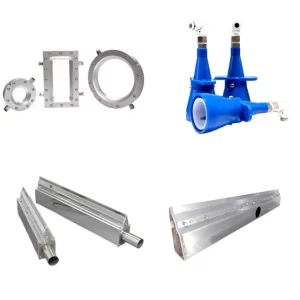
Picking the right kind hangs on the spot and jobs. Choices differ in make and look to tackle all sorts of issues.
Material Options for Durability
Standing up to chemicals sets what stuff to use. That makes sure they last in wet work.
PVC kinds fight off light eats-away stuff in normal rinsing. For strong etch mixes, stainless steel air knife gives solid guard. Durable air knives for harsh PCB environments like these stretch out use time. Users say up to three years with no swap. Aluminum gives a light pick for easy spots, mixing price and how it works.
Each kind backs even spread, which matters for same results over board sizes.
Changing to look, the setup sets how well it covers.
Shape and Configuration Choices
Looks line up with work plans, making air push better.
Straight ones stretch over moving belts for flat drying. Round kinds wrap parts for full-around care. Versatile air knife shapes for PCB applications let you mix, like straight with round in steps with more. Custom fits weird spots, boosting flow without changing gear.
Fit with air start – blowers for wide cover or squeezers for close control – tweaks pick more.
Integration and Best Practices
Getting air knives in old PCB lines takes thought. Put them right after wet parts to grab water at its most. Twist angles to cover all sides without too much spray.
In real use, check often to clear junk. That keeps things going strong. Best practices for air knife installation in PCB lines cover teaching workers on changes, cutting mistakes. For new builds, bring in details early. That skips high-cost fixes later.
About Shenzhen Qixingyuan Machinery Equipment Co., Ltd.
In PCB manufacturing, wet processing often encounters challenges like residual moisture, contaminant buildup, and inefficient drying. These issues can cause circuit shorts, corrosion, or poor coating adhesion, leading to higher defect rates, increased production costs, and reduced overall output and product quality. Air knives of Qixingyuan operate by generating a thin, high-velocity air curtain based on Bernoulli’s principle and fluid dynamics. Compressed air is used to swiftly remove liquids and particulate contaminants in a non-contact manner, avoiding the damage and excessive energy use typical of traditional methods such as heating or mechanical wiping.
To tackle these problems, professional air knife systems can streamline wet processing workflows. They enable rapid drying, effective cleaning, and significant energy savings while reducing emissions. Customizable designs allow seamless integration into existing production lines, boosting operational efficiency and lowering long-term costs.
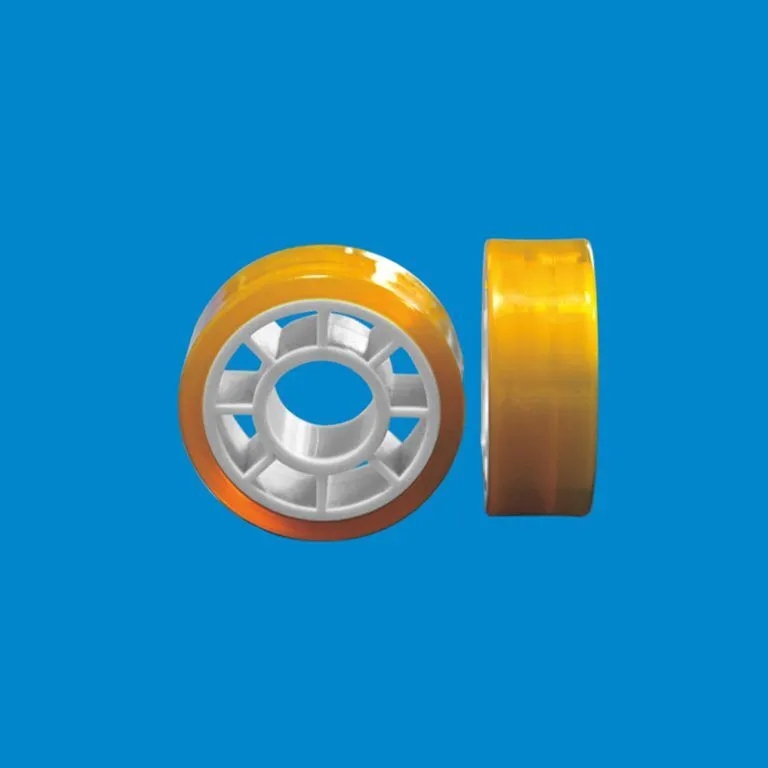
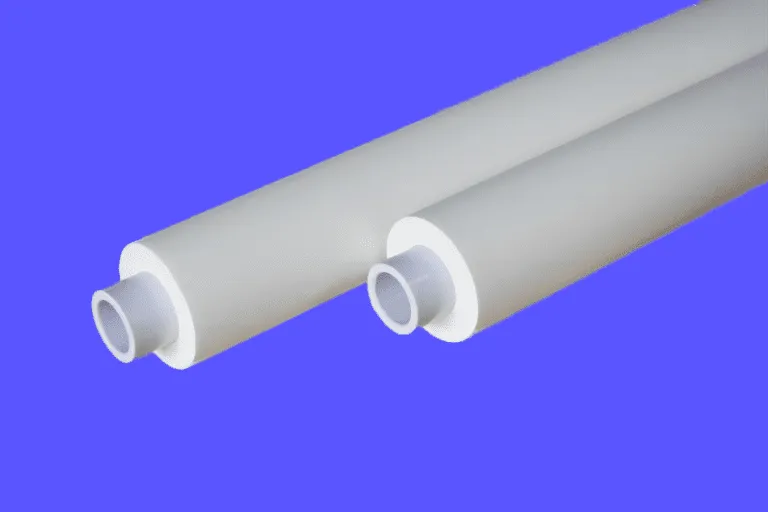
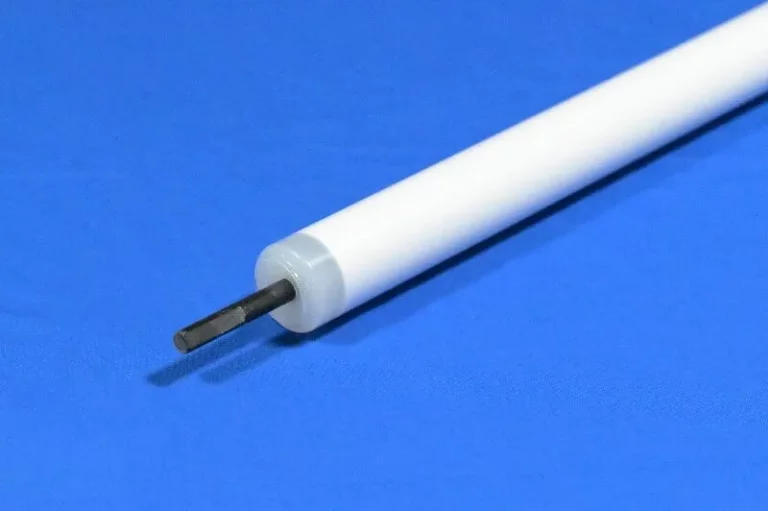
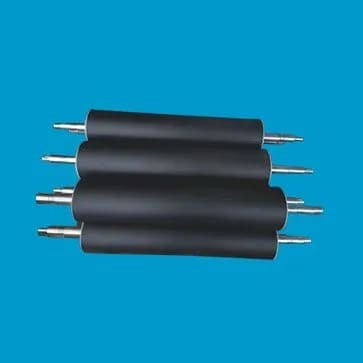
Qixingyuan specializes in PCB wet processing spares and offers high-performance air knives in materials including PVC, aluminum alloy, stainless steel, and titanium. These feature customizable interfaces (G1/4, G1/2), lengths, and air gap widths, with straight and circular configurations for applications like etching, developing, and cleaning machines. Corrosion-resistant and durable up to three years, they incorporate patented technology for uniform airflow, cutting energy consumption by 35% and defect rates by 20-25%. Paired with complementary items like brush rollers and sponge rollers, Qixingyuan’s solutions support global electronics manufacturing and promote sustainable practices.
Conclusion
Air knives change PCB making by handling drying, cleaning, and speed issues straight. Putting them in leads to better boards, less costs, and green ways, making them a smart pick for the field.