Printed circuit boards form the backbone of modern electronics. They connect components and enable devices to function smoothly. Yet, mistakes during production can lead to failures, delays, and extra costs. Many manufacturers face issues like poor cleaning or uneven plating that ruin batches.
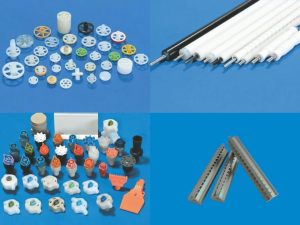
This guide walks through frequent pitfalls and practical ways to sidestep them. By focusing on key steps, you can improve quality and cut down on waste. Companies like Shenzhen Qixingyuan Machinery Equipment Co., Ltd. ( Qixingyuan), which supply reliable spares for wet processing equipment, play a big role here. Their brushes and rollers help keep surfaces clean, reducing defects from the start.
Think about a simple board for a consumer gadget. One small error in etching or drying might cause shorts or weak connections. Spotting these early saves time and money.
Design-Related Errors
Design sets the stage for everything that follows. A flawed blueprint often means rework later on.
Ignoring Component Spacing Rules
Components too close together can overheat or interfere with signals. This happens when designers skip clearance guidelines. Boards end up with hot spots or noise issues.
To fix this, always check datasheets for spacing needs. Use design software to flag violations automatically. Qixingyuan’s gear systems and transmission parts ensure precise movement during assembly, helping maintain those gaps as the board moves through machines.
For example, in high-density designs, even a millimeter matters. Test prototypes early to catch problems.
Overlooking Thermal Management
Heat buildup is a silent killer for PCBs. Without proper vents or heat sinks, components fail under load.
Plan for heat paths from the outset. Add copper pours or vias to spread warmth. During manufacturing, tools like Qixingyuan’s air knives dry boards evenly, preventing warps from uneven cooling.
Real-world cases show that skipping this step leads to delamination. A quick simulation can reveal risks before production.
Neglecting Signal Integrity
Fast signals can degrade if traces are too long or poorly routed. Crosstalk or delays creep in.
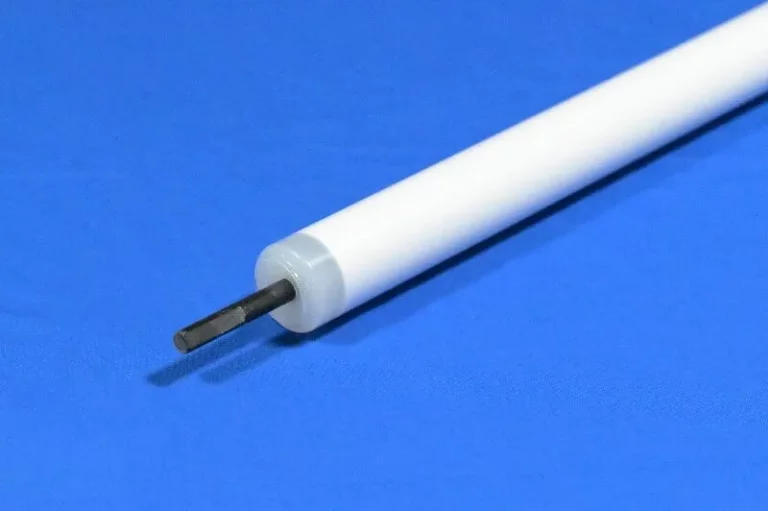
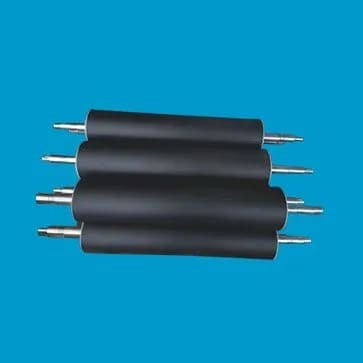
Route critical paths first and use ground planes. Shield sensitive lines. In wet processes, clean boards with Qixingyuan’s brush rollers remove residues that might disrupt signals later.
Many errors stem from rushing this phase. Double-check with tools that model electromagnetic behavior.
Material Selection Mistakes
Choosing the wrong materials invites trouble. They must withstand chemicals, heat, and mechanical stress.
Using Incompatible Substrates
Some boards crack under high temperatures if the base material isn’t right. FR-4 works for many, but flex boards need something else.
Match materials to the environment. For harsh conditions, pick ones with high Tg ratings. Qixingyuan’s filter accessories keep chemicals pure during etching, protecting the substrate from contamination.
A mismatched choice often shows up in testing. Review specs against your application’s demands.
Poor Solder Mask Application
Solder masks protect traces but can bubble or peel if applied badly. This exposes copper to corrosion.
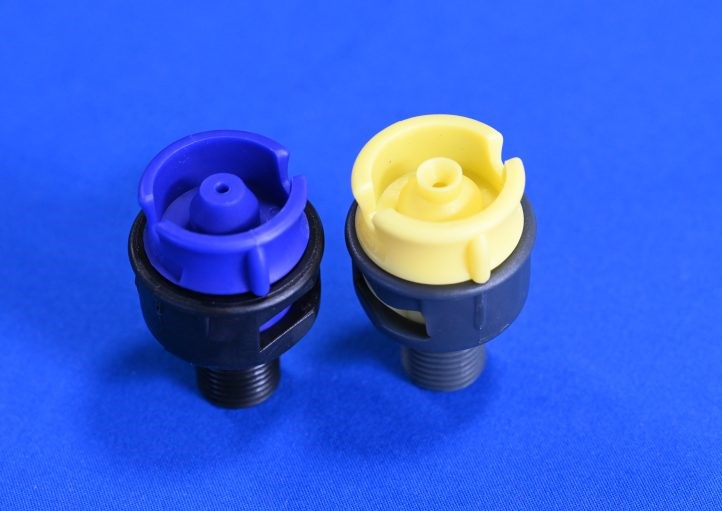
Apply masks evenly and cure them properly. In production, Qixingyuan’s nozzles and spray pipes deliver uniform coatings, cutting down on defects.
Inspect masks under magnification. Catching flaws here prevents shorts in assembly.
Fabrication Process Pitfalls
The actual making of the board is where many errors surface. Precision matters at every turn.
Inaccurate Drilling and Via Placement
Holes off by a hair can misalign components. Vias that aren’t filled right cause opens.
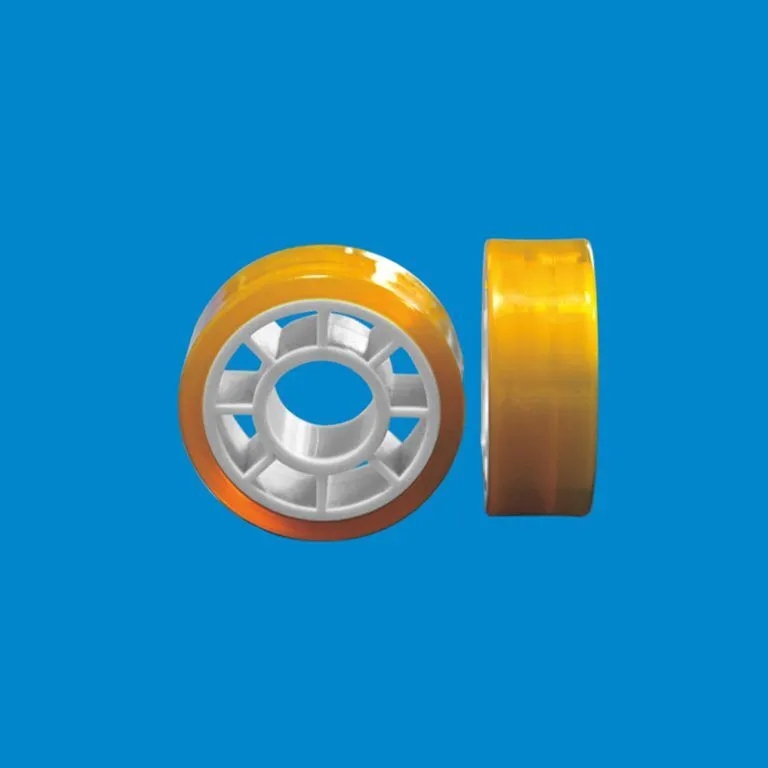
Calibrate drills regularly. Use laser-guided systems for accuracy. Qixingyuan’s plastic bearings and wheels guide boards steadily through drilling stations.
Drilling errors waste entire panels. Monitor tool wear to stay on track.
Etching Inconsistencies
Over-etching thins traces; under-etching leaves bridges. Chemical imbalances are often the culprit.
Control etchant strength and temperature. Qixingyuan’s pressure gauges and flow meters monitor solutions, keeping the process steady.
Consistent etching yields reliable circuits. Test samples from each batch.
Lamination Defects
Layers that don’t bond well delaminate under stress. Air bubbles or dirt are common causes.
Clean surfaces thoroughly before pressing. Qixingyuan’s sponge rollers absorb excess moisture, ensuring dry, clean layers.
Pressure and heat must be uniform. Visual checks post-lamination spot issues early.
Assembly and Finishing Errors
Putting it all together tests the earlier steps. Sloppy work here undoes good fabrication.
Component Misalignment During Placement
Parts shifted during soldering create opens or shorts. Vibration or poor fixtures contribute.
Secure boards firmly. Qixingyuan’s flipping machine wheels and intermediate wheels hold positions during handling.
Alignment tools like vision systems help. Solder only after verification.
Inadequate Cleaning After Soldering
Flux residues corrode over time. They also attract dust, leading to failures.
Use effective cleaners and rinse well. Qixingyuan’s water-absorbing sponges and brush classes remove grime without damage.
Dry boards completely post-clean. Air knives from Qixingyuan blow off water evenly, avoiding spots.
Electroplating Issues
Uneven plating causes weak connections. Current density varies if setups aren’t right.
Balance anodes and cathodes. Qixingyuan’s electroplating accessories, like hangers and brackets, position parts for uniform coverage.
Monitor bath chemistry. Regular tweaks keep deposits consistent.
Testing and Quality Control Oversights
Skipping thorough checks invites field failures. Test at multiple stages.
Insufficient Electrical Testing
Not probing all nets misses hidden defects. Opens or shorts slip through.
Use flying probe or bed-of-nails testers. Cover continuity, isolation, and function.
Qixingyuan’s level switches and sensors aid in automated testing setups, flagging issues fast.
Comprehensive testing builds confidence. Document results for traceability.
Ignoring Environmental Stress Tests
Boards work in the lab but fail in the field due to heat, humidity, or vibration.
Simulate real conditions. Burn-in tests reveal weak spots.
Qixingyuan’s durable gears and rollers support equipment through these rigorous checks.
Stress testing mimics use. It weeds out marginal designs.
Preventive Strategies for Long-Term Success
Build habits that catch errors early. Train teams on best practices.
Involve all departments from design to shipping. Regular audits spot patterns.
Invest in quality spares. Qixingyuan’s range, from gears to filters, keeps lines running smoothly.
Track metrics like yield rates. Adjust based on data.
A proactive approach turns potential problems into strengths. It boosts reputation and cuts costs.
About Shenzhen Qixingyuan Machinery Equipment Co., Ltd.
Shenzhen Qixingyuan Machinery Equipment Co., Ltd. stands out as a trusted supplier of spares and parts for PCB horizontal line wet processing equipment. Founded in 2011 as a small trading operation in Shenzhen’s Bao’an district, the company grew into a full-fledged manufacturer by 2015, launching its own air knife series. By 2022, it expanded into global markets with a dedicated foreign trade arm.
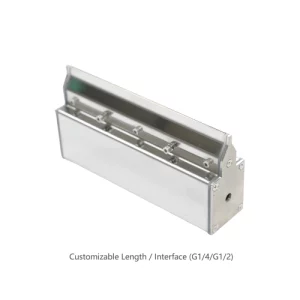
Qixingyuan focuses on high-quality accessories that tackle common PCB production challenges. Their brush rollers clean surfaces effectively, while sponge rollers dry boards without residue. Gears, wheels, and nozzles ensure precise operations in etching, developing, and plating machines. Filters and transmission parts maintain chemical purity and smooth movement. What sets Qixingyuan apart is their commitment to customization, customizable in interface type (G1/4, G1/2), length, and air gap width. Stainless steel air knives and titanium options adapt to unique needs, fitting blowers or compressors.
With a stable global network, Qixingyuan emphasizes innovation, quality, and service. Their products help manufacturers avoid errors, improve efficiency, and extend equipment life. Based in Shenzhen, they offer one-stop solutions, from consumables like screws and seals to functional pieces like hinges and switches. This reliability makes them a go-to partner for steady production.
Conclusion
Steering clear of common PCB manufacturing errors demands attention to detail at every step. From smart design choices to rigorous testing, small adjustments yield big gains in quality and reliability. By using dependable tools and parts, like those from Qixingyuan, you can streamline processes and minimize defects. In the end, this not only saves resources but also strengthens your position in a competitive field. Focus on prevention, and your boards will perform as intended.