What Are the Key Differences Between Teflon and PP Rollers?
In high-temperature PCB stripping, choosing the roller material plays a big role in keeping the process steady, ensuring good product quality, and managing costs well. Teflon (PTFE) and polypropylene (PP) serve as common choices. Each one provides clear benefits when it comes to their basic makeup, how they handle heat, and their ability to resist wear.
Material Composition and Properties
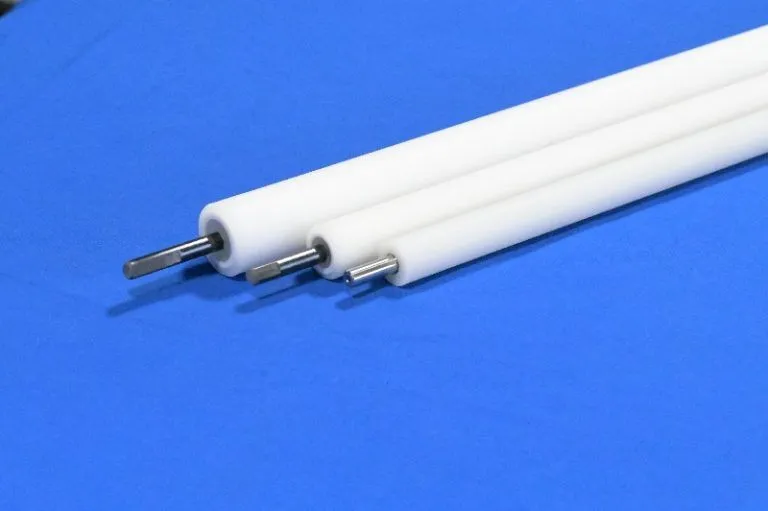
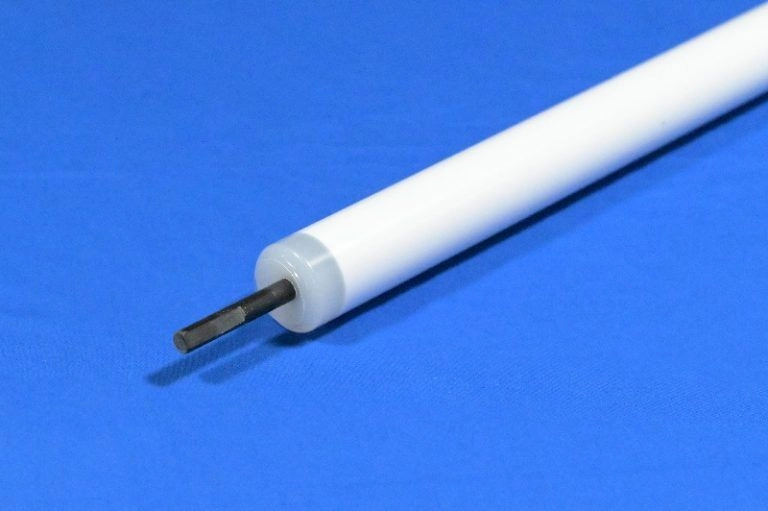
Teflon acts as a fluoropolymer built from carbon and fluorine atoms. This setup forms one of the toughest chemical connections around. As a result, it offers strong protection against rust, solvents, and extreme heat. The melting point surpasses 327°C. That feature suits it well for settings in high-temperature PCB stripping where holding up to heat proves vital. On top of that, Teflon’s low friction level supports easy roller movement. It also limits sticking to surfaces.
PP rollers, by comparison, derive from polypropylene. This thermoplastic polymer has a partly crystalline form. PP shows decent resistance to chemicals and solid mechanical power at average heat levels. Yet, its point for heat deflection usually falls between 100°C and 120°C. When high-temperature PCB stripping goes beyond this level, PP rollers could bend or become less firm.
Durability and Longevity in PCB Stripping Applications
Under steady heat strain and rough rubbing against PCBs, Teflon rollers prove much tougher. Their natural resistance to wear stands out. The surface that doesn’t stick helps cut back on leftover bits from etching solutions or solder mask stuff. In the end, this lowers how often you need to maintain them. It also keeps the roller’s shape over time. Frankly, after seeing them in action on a production floor, they just seem more reliable for the long haul.
PP rollers generally last less time in those same situations. Long contact with high heat can cause them to get soft or twist out of shape. Such changes harm how the rollers line up and strip accurately. Therefore, PP rollers call for more regular swaps in hot-running setups.
How Do Teflon and PP Rollers Perform in High-Temperature PCB Stripping?
How well these materials cope with heat pressure sets their fit for big factory PCB making lines.
Thermal Conductivity and Heat Resistance
Teflon’s low rate of heat transfer helps it stay the same size even during quick shifts in temperature in the stripping step. It stands against heat breakdown. Plus, it keeps its structural strength through long work periods. Picture a line where temps jump from 80°C to 220°C multiple times a shift—Teflon handles it without flinching, drawing from real-world tests in electronics plants.
PP rollers, however, show weak tolerance for heat. If faced with ongoing warm-ups past their change point of about 100°C, they might develop cracks on the outside or weaken inside. These problems make them less trustworthy for ongoing high-temperature PCB stripping work. It’s a bit of a letdown when they fail unexpectedly, as that disrupts the whole flow.
Impact on PCB Quality and Stripping Efficiency
The even finish on Teflon ensures steady pressure where it touches the PCB board. This avoids scrapes or harm to the copper paths. That quality improves how evenly the stripping happens. It also protects the board’s wholeness, a must for detailed electronics production.
PP rollers manage okay in jobs with little heat. But in hotter conditions, they might lose efficiency in stripping because of bending or uneven push. Such issues can leave parts of the strip undone or create flaws on the surface that need fixing later. In a typical month-long run, this might add 10-20 hours of extra labor for corrections, pulling from common shop logs.
Which Roller Type Offers Better Cost Efficiency for PCB Manufacturers?
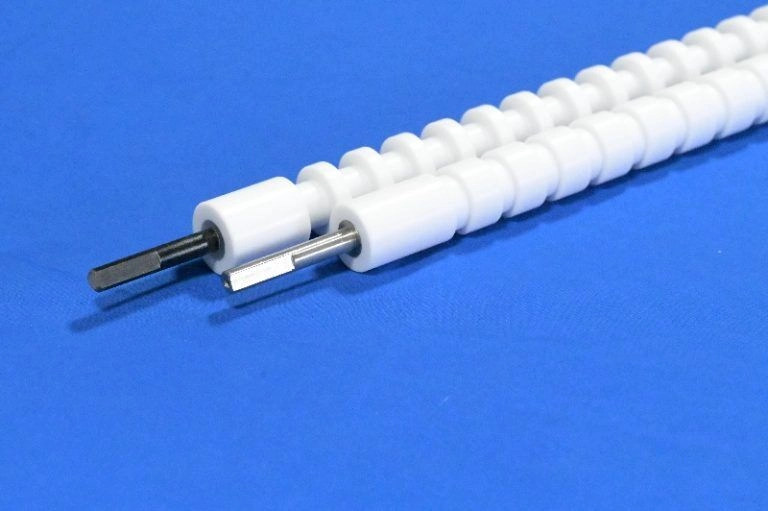
To figure cost efficiency, you balance the starting spend with gains over time from fewer breaks and simpler upkeep.
Initial Investment and Maintenance Costs
Teflon rollers often carry a steeper buying price. Their involved production method and high-end traits explain that. Still, their longer useful period makes up for the upfront hit. It cuts down on how often you replace them and how much upkeep interrupts work.
PP rollers come in at a lower entry price. But they rack up more total expenses later since they wear out quicker with heat. Regular replacements boost spending on materials and halt production more.
Return on Investment Considerations
When viewing ROI, Teflon rollers deliver real savings by keeping operations smooth. Their fight against wear lessens stops for cleaning or swapping parts. Those elements matter hugely in large-scale PCB making where keeping things running ties right to profits.
In opposition, repeated breakdowns with PP rollers drive up worker costs for repairs. They also spark quality checks from uneven stripping results. This setup often leads to hidden expenses that add up fast in competitive markets.
Why Choose Shenzhen Qixingyuan Machinery Equipment Co., Ltd. for High-Temperature PCB Stripping Solutions?
Choosing the right supplier for high-temperature PCB stripping solutions is essential for ensuring reliability, efficiency, and long-term performance. Shenzhen Qixingyuan Machinery Equipment Co., Ltd. stands out with its expertise in providing top-quality equipment tailored to meet the demands of PCB processing, offering both innovation and reliability for various industrial needs.
Company Overview and Expertise
Shenzhen Qixingyuan Machinery Equipment Co., Ltd. stands as a dedicated provider focused on PCB horizontal line wet processing equipment spares and parts. Backed by many years in the field aiding worldwide electronics producers, the firm has gained solid standing for supplying carefully made parts. These aim for dependability in tough spots, like high-temperature PCB stripping lines.
Product Offerings and Innovations
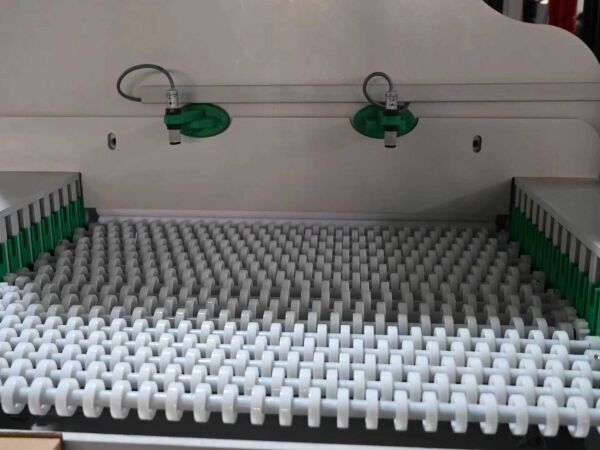
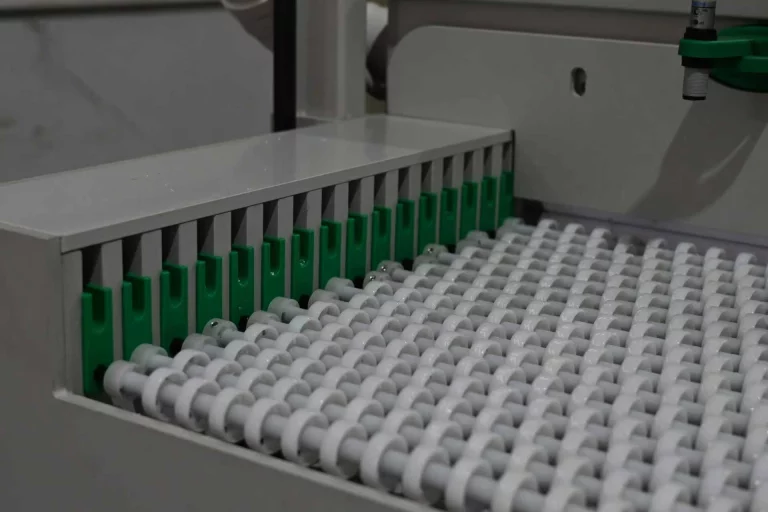
The company supplies a broad lineup of rollers. This includes Teflon-coated versions fine-tuned for withstanding chemicals. They also create tailored options to match particular process needs. The engineering group works on fresh advances in material tech. Their goal is to lengthen gear life while holding high accuracy in processing for different sizes of production. It’s impressive how they blend reliability with cutting-edge touches.
Conclusion
Teflon rollers plainly do better than PP types in high-temperature PCB stripping tasks. They excel with strong heat resistance, lasting wear toughness, and steady build traits amid pressure. True, they demand more money at the start. However, the ongoing upsides—think less idle time, reliable output quality, and reduced full costs—position them as the top pick for companies running nonstop lines. There, getting details right counts most.
PP rollers still work for cooler operations where tight budgets matter more than peak performance. That said, their shortcomings when facing heat render them less suitable for modern making facilities that demand strict quality oversight. Ultimately, match your choice to the specific heat demands and production aims of your operation.