“Same material, same diameter” sounds adequate until an industrial brush roller leaves dirty edges or new board marks. A useful specification begins with cleaning duty, contact behaviour, mechanical fit, and a trial that separates brush construction from process settings.
Define the Cleaning Duty Before Choosing a Brush
Begin at the process position, not a material name. One construction can behave differently as residue, board surface, spray, speed, and contact change.
Identify the Residue, Surface, and Process Position
State what the station must remove: particles, light film, oxide, dried residue, or a mix. Describe the surface and damage to avoid. “PCB cleaning” is too broad for contact selection.
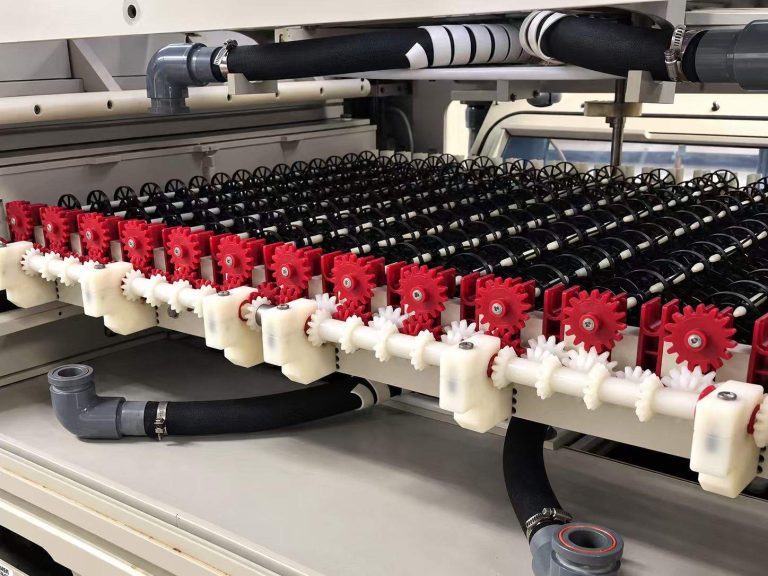
Record the wet-process position, whether boards arrive wet, and whether sprays flush the brush. Pair residue close-ups with a wider photo showing guides, supports, and roller position.
Record Width, Speed, Contact, and Wet Exposure
Keep working width, board range, conveyor and roller speeds, direction, and contact setting in one record. Add liquid identity, concentration, and temperature where relevant. Never infer compatibility from appearance.
For uneven cleaning, map left, centre, and right. Note any pressure increase or line slowdown used to compensate; these are evidence, not permanent settings.
de Qixingyuan industrial brush rollers are selected by material, bristle density, hardness, shaft size, and process position. Share residue, surface, width, speeds, and wet exposure rather than assuming one brush suits every station.
Compare Brush Constructions by Contact Behavior
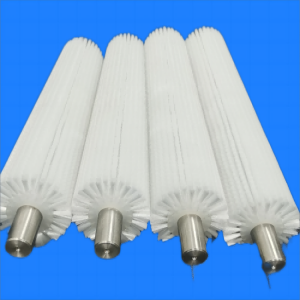
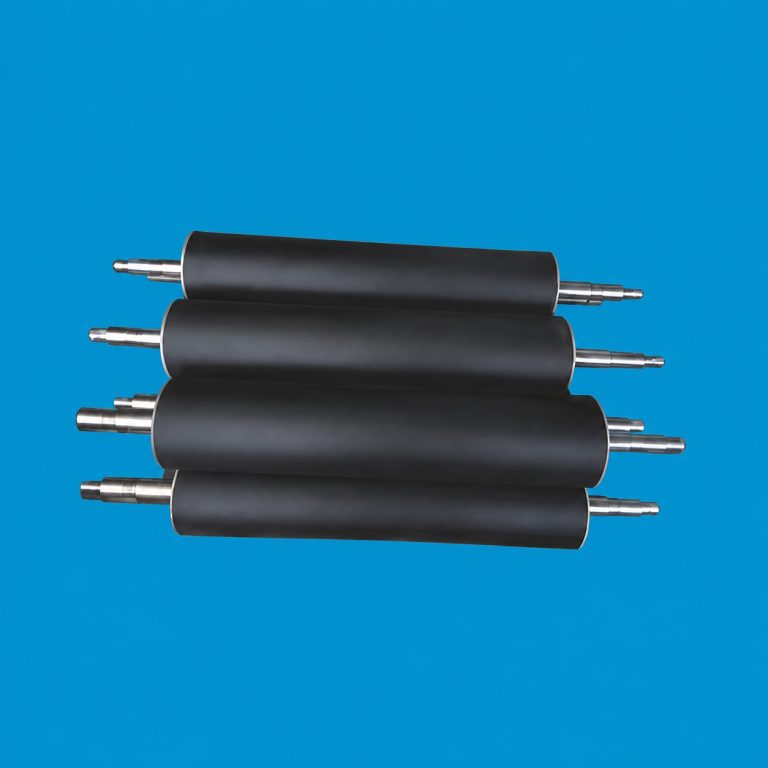
Qixingyuan nylon brush rollers for PCB surface-contact cleaning
Material labels are filters; the purchasing decision follows board contact. Confirm catalog guidance under the buyer’s process conditions.
Compare Spiral, Filament, and Non-Woven Constructions
UN spring brush roller uses a spiral coil. Filament and non-woven rollers present different contact surfaces. These structures can distribute contact and carry residue differently even at matching dimensions.
Qixingyuan positions nylon or high-density brushes for general cleaning, non-woven or softer rollers for controlled contact, and ceramic, grinding, or abrasive options for stronger treatment. These are starting directions, not universal guarantees.
Balance Cleaning Action and Surface Protection
More aggressive contact is not automatically better. Remove the target residue while keeping the accepted surface condition. Test a stronger construction against plant criteria before release.
The comparison table keeps the decision tied to evidence:
Qixingyuan offers several brush constructions for different wet-line duties. Use the spring brush roller page as an RFQ reference, then submit the actual contact requirement for review.
Lock Down Dimensions and Mechanical Interfaces
Once construction is narrowed, define the installed envelope. A correct-looking brush body may still have the wrong shaft or end arrangement.
Record Outside Diameter and Working Length
Measure outside diameter at several positions and state whether the roller is worn. Separate working from total length. Show brush-face distances to end features and machine side clearance.
Do not copy a worn diameter without review. Prefer an original drawing, unworn reference, or equipment requirement. Mark every dimension taken from a used sample.
Define Shaft, Bore, Ends, and Rotation
Draw the shaft or bore, key or flat, thread, shoulders, end caps, and retention method. State rotation viewed from a named end; a photo can reverse left and right.
For paired rollers, record centre distance, drive, and support. State whether the order covers a brush body, complete shafted roller, or matched pair. Incoming inspection should use the purchase drawing’s definitions.
Qixingyuan asks for a drawing or sample, outside diameter, working length, shaft or bore, brush material, and contact requirement. Its nylon brush roller range can be dimensioned to order, while fit remains tied to approved interface data.
Run a Controlled Trial Before Purchase Approval
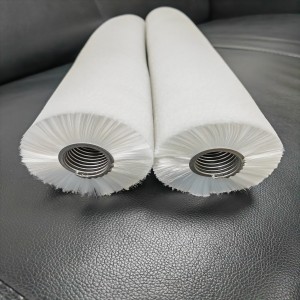
Qixingyuan spring brush rollers for controlled wet-line cleaning trials
A useful trial changes one decision at a time. If construction, pressure, speed, chemistry, and board condition all change, the result cannot show which factor mattered.
Inspect the Same Board Condition Before and After
Agree the board condition and inspection method first. Record the same zones before and after cleaning, using plant checks for residue removal and surface condition. No universal PCB acceptance value applies here.
Use enough samples to judge repeatability for the intended duty. State any scrap-board or limited-board boundary, and never turn a short test into a service-life claim.
Hold Settings Constant and Record Release Observations
Surface-contact research shows that brush type and compliance, speed, pressure, and solution conditions can change friction. Keep them fixed or record each deliberate change.
A practical trial sheet includes:
Roller identity, drawing revision, and installed orientation.
Board or test-piece condition and the residue being assessed.
Conveyor speed, roller speed, rotation direction, and contact setting.
Cleaning-solution identity and relevant operating condition.
Before-and-after observations across left, centre, and right.
Surface marks, vibration, carryover, and operator interventions.
Release decision, limits of the trial, and the person approving it.
Qixingyuan can discuss a custom brush roller by drawing or sample and review trial inputs. Acceptance remains tied to the buyer’s board, process, and quality documents.
Convert Wear Findings Into a Spare Strategy
Use cleaning results, measured dimensions, physical condition, and machine behaviour for spare planning—not an unsupported calendar interval.
Use Replacement Evidence Instead of a Universal Interval
Measure diameter or another approved wear indicator at fixed locations. Note bristle loss, deformation, residue loading, end damage, vibration, and uneven results. Trend them against available operating hours or cycles.
Escalate when the plant’s performance or condition limit is reached. Record any pressure increase or speed reduction used to restore cleaning; the maintenance owner makes the release decision.
Add an Incoming Inspection Check
Match delivery to the drawing: construction, outside diameter, working and total lengths, shaft or bore, ends, and quantity. Check visible condition and approved free rotation before trial.
Label paired positions. Before mixing an old and new roller, compare condition and geometry. Base matched-set decisions on contact balance and equipment requirements.
Qixingyuan supplies brush rollers and related wet-process spares. Send wear records and nearby interface details to its equipment-parts team when the problem may extend beyond the roller surface.
About Shenzhen Qixingyuan Equipment Parts Co.
Shenzhen Qixingyuan Equipment Parts Co., Ltd. focuses on PCB and LCD wet-process equipment spare parts and custom replacement components. Its product coverage includes brush rollers, conveyor and water-removal rollers, wheel discs, gears, shafts, bushings, nozzles, filters, air knives, and measurement items used around cleaning, conveying, spraying, drying, and transmission positions. For brush-roller enquiries, maintenance and procurement teams can provide a drawing, sample, outside diameter, working length, shaft or bore details, brush construction, and required contact effect. Photographs and a short trial or wear record add context when an older line has incomplete documentation. This package also helps separate a brush-surface issue from a shaft, support, spray, conveying, or installation problem before a replacement is quoted and released.
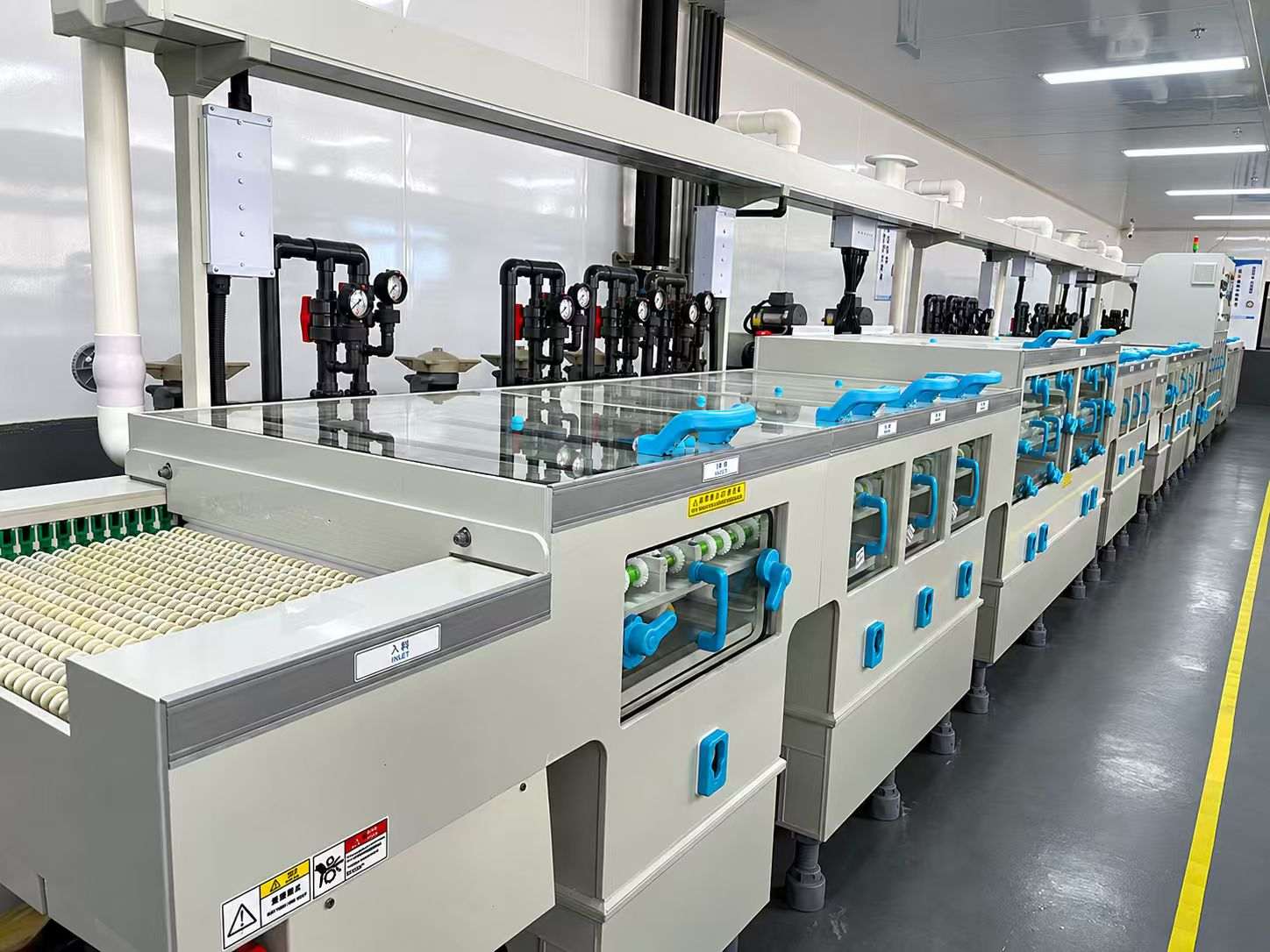
Industrial Brush Rollers for Controlled PCB Cleaning
Qixingyuan can review these inputs for a custom replacement while keeping surface acceptance, compatibility, service life, and process settings subject to the buyer’s procedure.
Conclusion
Industrial brush rollers are controlled-contact components, not generic cylinders. Define residue and surface, compare construction, lock down interfaces, and trial stable settings. Qixingyuan supports several brush constructions and drawing- or sample-based PCB wet-line replacements. A complete RFQ puts fit and cleaning duty ahead of the order.