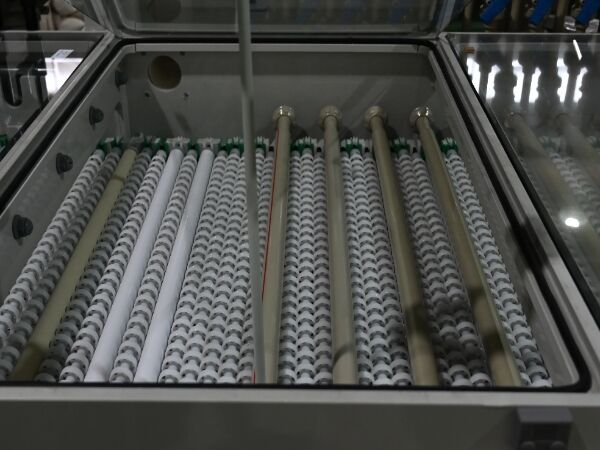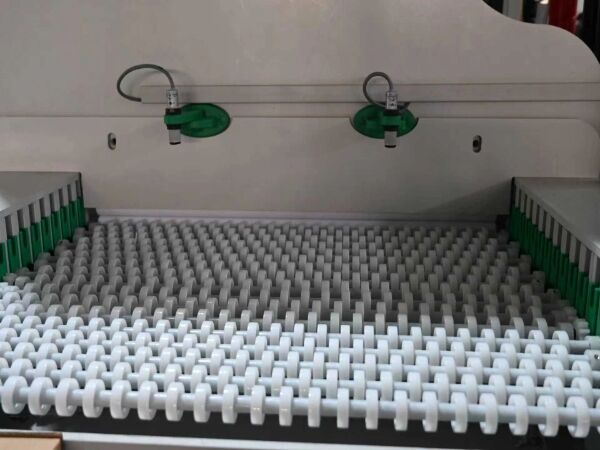
Roller degradation causes real headaches in PCB horizontal wet processing lines. In etching, developing, and cleaning stages, rollers constantly face harsh chemicals, high humidity, and the steady push of moving panels. Over months, this leads to swelling, cracks, uneven wear, and extra liquid that travels between baths. The result? More defects like patchy etching, plus higher scrap, frequent stops, and extra chemical costs. Shops running around the clock feel these problems build up fast.
You spot the issues when rollers stop squeezing liquid evenly. Panels start to drag or slip. The surface shows clear damage after just a few months of heavy use. In busy PCB plants, these small failures turn into lost output and quality complaints.
Why Rollers Degrade Fast in PCB Etching Lines
PCB etching relies on acidic or alkaline solutions that eat away at regular rubber or plastic rollers. The chemicals soften the material. At the same time, constant pressure from the conveyor and board edges wears the surface down. Temperatures that swing between 40 and 55°C make things break down even quicker. Squeeze rollers and water-retaining rollers take the hardest hit because they stay wet for long stretches each shift.
In actual workshops, a standard rubber roller often lasts only three to six months before it hardens or gets deep grooves. That uneven surface leaves streaks of etchant on the panels. Some areas over-etch while others stay under-etched. Thin panels below 0.8 mm easily wrap around the damaged spots and cause jams. Maintenance records show replacement needs double during busy production periods.
One factory had to swap out 40% of its squeeze rollers every three months before they made a change. Each swap shut the line for two to four hours. They also paid for new parts and had to handle chemical-soaked waste. These numbers explain why the right material choice matters so much.
Key Factors Accelerating Roller Wear
- Steady contact with etching and stripping chemicals
- Friction from boards moving at 1 to 3 meters per minute
- Liquid that builds up and causes swelling plus cracks
- Daily heat cycles mixed with cleaning routines
Here is a simple comparison based on what teams see on the floor:
| Material Type | Typical Lifespan in Etching Lines | Main Failure Mode | Chemical Resistance |
|---|---|---|---|
| Standard Rubber | Short service life | Swelling and surface cracking | Low |
| Basic Plastic | Moderate service life | Abrasion and groove formation | Medium |
| Advanced TPV | Long-lasting / Extended lifespan | Minimal wear, stable surface | High |
The difference in how long rollers last directly changes the total cost of keeping the line going.
Teams that need solid spares often look for suppliers who know horizontal PCB equipment inside out. Shenzhen Qixingyuan Machinery Equipment Co., Ltd. focuses on wet processing spares and parts, including tough rollers built for these tough conditions. Their materials help lines stay up and running with fewer breaks.
Common Problems Caused by Degraded Rollers
Worn rollers create a string of troubles that hurt quality and slow everything down. Liquid carryover sits at the top of the list. Bad squeeze rollers let extra etchant or developer move into the next bath. This mixes chemicals, changes pH, and makes etch rates jump around. Boards end up with side etching or rough edges.
Uneven pressure shows up often too. Grooved or swollen rollers push harder in some places than others. This leaves marks on sensitive panels or lifts thin copper traces. In developing areas, poor water control leaves residues that mess with later steps.
Take one multilayer line as an example. Roller wear pushed defect rates from 1.2% up to more than 4% in just two months. Operators spent extra time on manual checks and cleaning. Daily output dropped 15 to 20%. Thin flexible boards jammed more often and needed rework.
Here are typical effects teams notice downstream:
- Higher chemical use from carryover and more bath changes
- More scrap from defects like undercutting or pooling
- Extra line stops for roller fixes
- Lower overall equipment effectiveness scores
Catching wear early stops small issues from growing into big production problems.
Shenzhen Qixingyuan Machinery Equipment Co., Ltd. supplies precision parts that tackle exactly these pain points in PCB wet lines. Their components keep performance steady and support smoother daily runs for manufacturers.
How TPV Rollers Address Roller Degradation
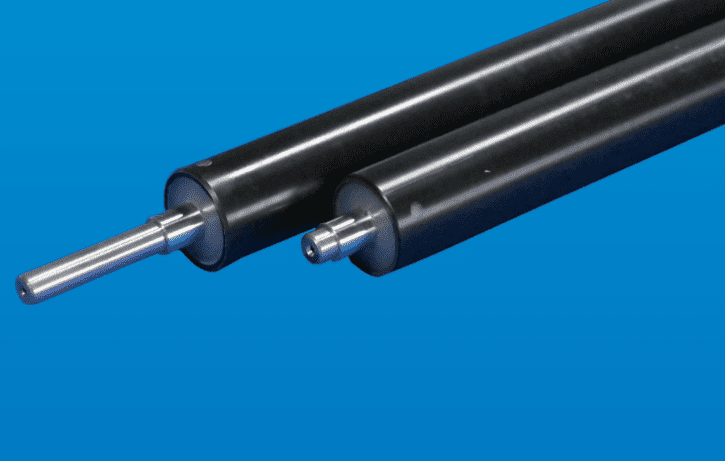
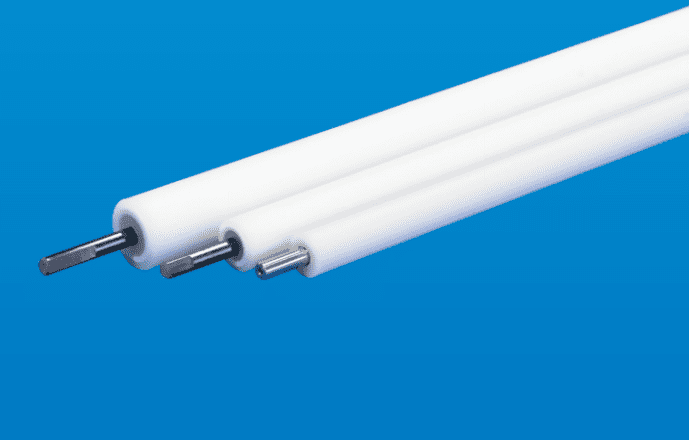
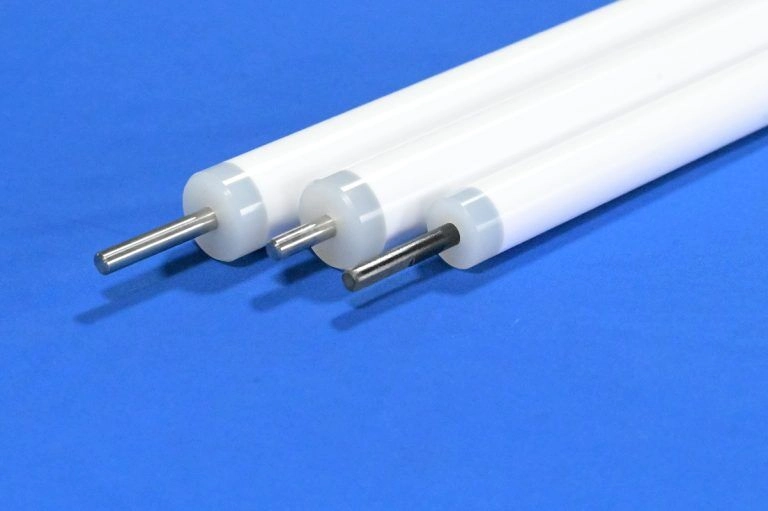
TPV rollers offer a practical step up for etching and other wet steps. This material mixes the bend of rubber with the chemical toughness and lasting power of good plastics. It holds up against acidic and alkaline etchants without swelling or losing its surface qualities over time.
On the line, TPV rollers stay round and squeeze evenly much longer. They do not soak up process liquids easily. That cuts carryover and keeps transitions between chemical stages cleaner. Many lines watch roller life stretch out — often doubling or better — when they switch to TPV for squeeze and water-retaining spots.
The material also handles temperature shifts without trouble. It stays steady even in heated etching cycles. The surface stays smooth, so there is less chance of scratches or drag that old rollers sometimes create. Cleaning gets easier because residues do not stick as hard.
One mid-size PCB maker switched their etching and developing squeeze rollers to TPV. They tracked results for a full year. Replacement frequency fell about 60%. Chemical top-ups dropped 12 to 18%. Defects tied to carryover improved clearly. The upfront cost paid for itself in months through less maintenance and more uptime.
TPV rollers fit well across different stations, from developing through etching to final rinse. Their balanced traits make them a good match for today’s high-density PCB work where steady results count.
Companies looking for dependable spares often turn to Shenzhen Qixingyuan Machinery Equipment Co., Ltd. They provide quality components shaped for horizontal wet processing equipment. Their roller options come from real industry experience and deliver reliable day-to-day performance.
Practical Steps to Implement TPV Rollers and Reduce Degradation
Begin with a focused check of your current rollers. Start with squeeze rollers in etching and developing because they face the heaviest chemical load. Measure the diameter and surface hardness. Look closely for swelling or grooves. Compare performance numbers before and after any switch to see real gains.
When you upgrade, pay close attention to exact sizes and fit. Rollers must match shaft diameters and conveyor gaps perfectly to avoid shaking or uneven pressure. Installation crews should line everything up carefully and run test cycles at normal speeds while watching how liquid gets removed.
Maintenance turns simpler with TPV. A regular wipe with suitable cleaners keeps surfaces in shape. You do not need heavy scrubbing that can harm softer materials. Plan inspections every one to two months instead of weekly swaps.
Here is a basic checklist to get started:
- Review current rollers for wear patterns and weak spots
- Pick TPV grades suited to your exact etchant mix
- Confirm dimensions work with your existing setup
- Show operators what to watch for in visual checks
- Track important numbers: roller life, defect rate, chemical use
Many shops pair TPV water-retaining rollers with small process tweaks like slight spray pressure changes or conveyor speed adjustments. These little moves often bring 10 to 25% better line stability.
About Shenzhen Qixingyuan Machinery Equipment Co., Ltd.
Shenzhen Qixingyuan Machinery Equipment Co., Ltd. acts as a trusted PCB horizontal line wet processing equipment spares and parts supplier. Their focus on quality and real application knowledge helps manufacturers upgrade components for longer service and steadier production.
Shenzhen Qixingyuan Machinery Equipment Co., Ltd. is a specialized supplier of spares and parts for PCB horizontal wet processing equipment. The company provides reliable rollers, including advanced TPV options, along with other essential components for etching, developing, and cleaning lines. Their products emphasize durability, precise fit, and performance in demanding chemical environments. Backed by years of industry experience, Qixingyuan helps PCB manufacturers reduce downtime, control costs, and maintain high output quality through consistent spare parts supply and technical support.
Conclusion
Roller degradation stays a steady challenge in PCB etching. Moving to better materials like TPV gives a direct way to stretch service life, cut defects, and bring down running costs. When teams understand the causes, catch problems early, and pick the right parts, lines run with fewer surprises. The wins appear in better yields, less chemical waste, and more predictable maintenance. Those gains add up fast in a competitive manufacturing world.
FAQs
What causes the fastest roller degradation in PCB etching lines?
Harsh etchants plus constant pressure and heat break down ordinary materials fast. Liquid soaks in and creates swelling. Board edges rub the surface. TPV rollers handle these stresses much better and often last two to three times longer in daily production.
How do worn rollers increase chemical costs in wet processing?
Old squeeze rollers let extra liquid travel between baths. This dilutes solutions and forces more frequent refreshes. Usage can rise 10 to 20% or higher. TPV designs improve liquid control and separation, so shops use less chemistry and spend less on waste handling.
What maintenance differences exist when using TPV rollers versus traditional ones?
TPV rollers need fewer replacements and simpler cleaning. Teams check surface condition instead of constant hardness tests. Maintenance shifts from constant fixes to planned reviews. This frees up technician time for other important tasks on the line.