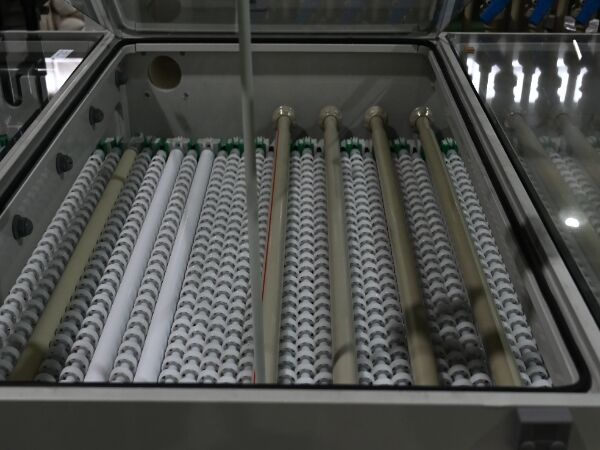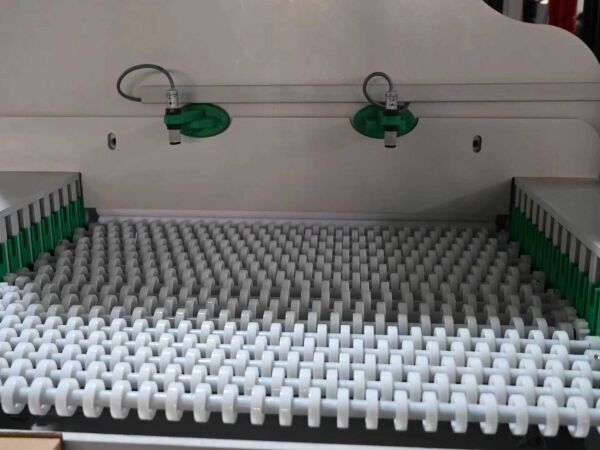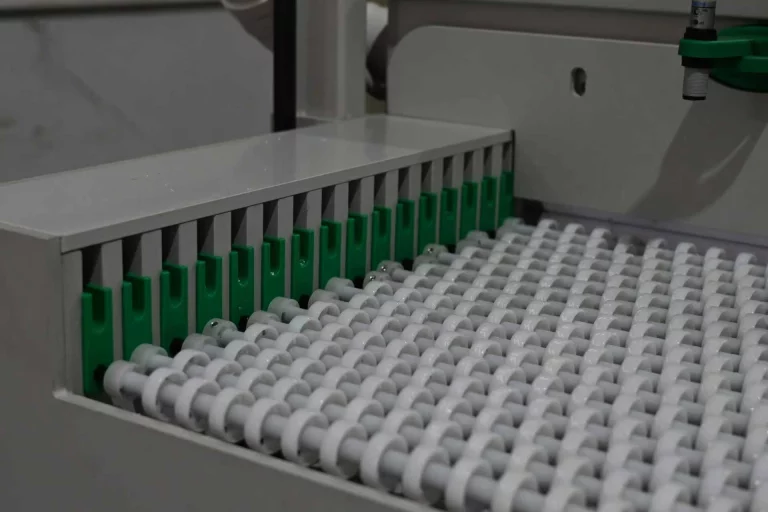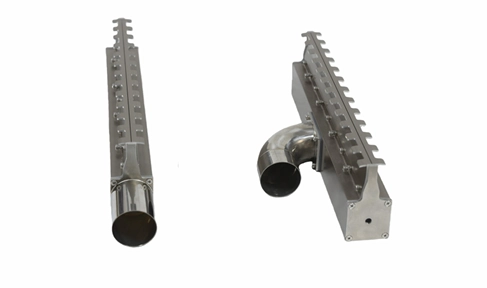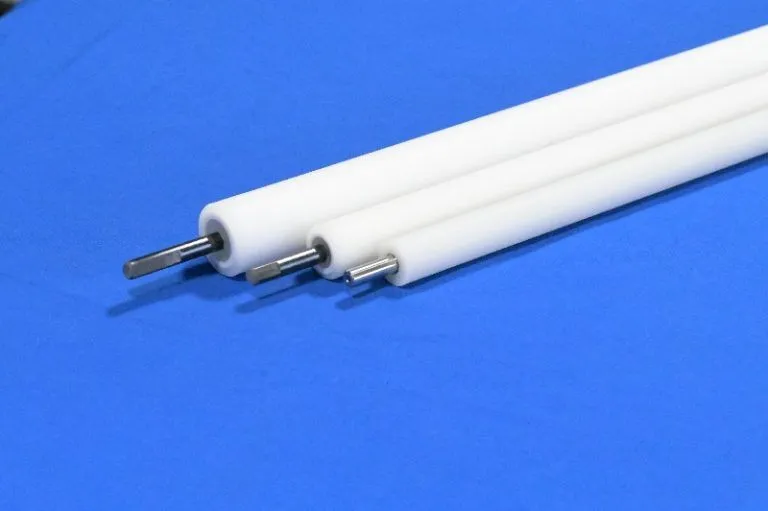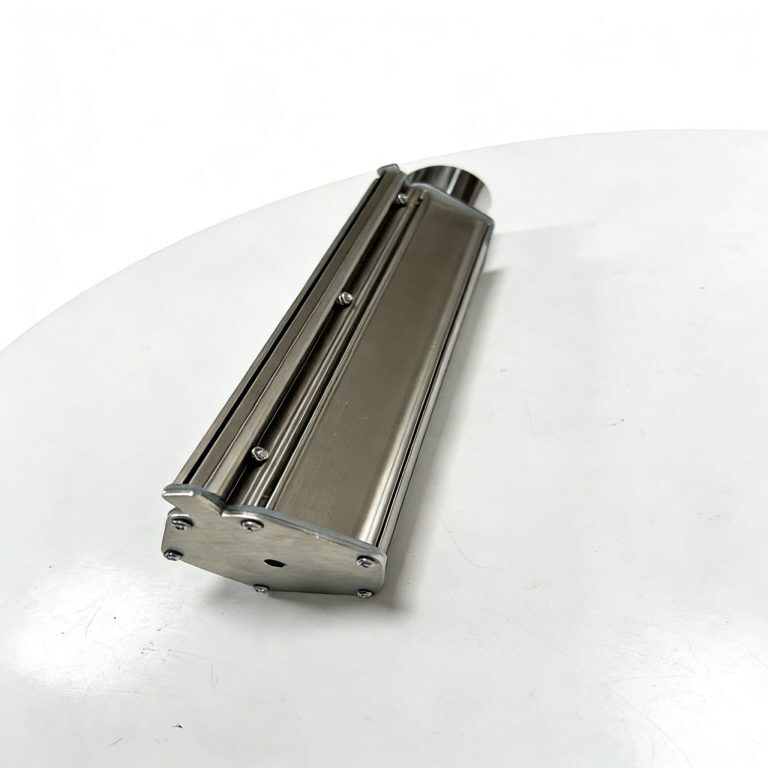
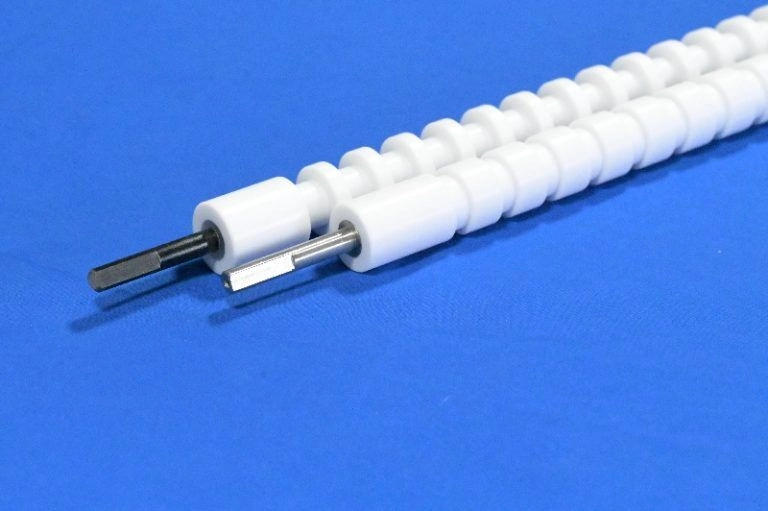
In the fast-paced PCB manufacturing industry, high-temperature stripping is a critical step that ensures precision processing of circuit boards. The choice of roller material directly affects production stability, product quality, and long-term cost efficiency. Teflon (PTFE) and Polypropylene (PP) rollers are two popular options, yet they differ significantly in material composition, heat resistance, wear durability, and service life. This article provides a detailed comparison of Teflon versus PP rollers in high-temperature PCB stripping, examining thermal stability, impact on PCB quality, and cost-effectiveness. Understanding these differences helps manufacturers select the optimal solution for continuous production lines, reducing downtime, improving yield rates, and maximizing return on investment. Trusted suppliers like Shenzhen Qixingyuan Machinery Equipment Co., Ltd. offer customized high-temperature roller solutions tailored to demanding PCB wet processing needs.
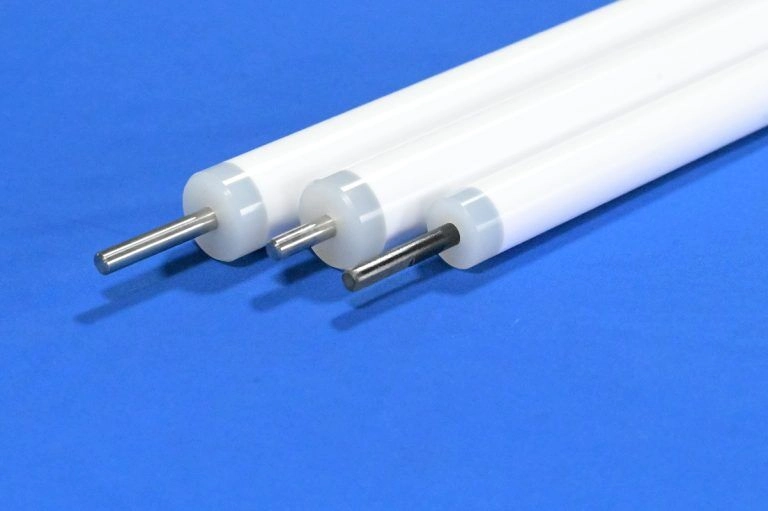
In printed circuit board (PCB) manufacturing, accuracy during wet processes matters a lot for steady quality and lower costs. One key part that often gets ignored is the water retaining roller. These rollers help handle liquid hold-up and cut down chemical mixing between baths. This directly affects product standards and steady operations.
How Do Water Retaining Rollers Function in PCB Manufacturing?
Water retaining rollers play a crucial role in ensuring stability and precision throughout PCB manufacturing processes. By effectively controlling fluid distribution and maintaining consistent surface conditions, they directly influence product quality. To better understand their value, it is essential to explore how they function in real applications and the underlying mechanisms that drive their performance.
Mechanism of Water Retaining Rollers
Water retaining rollers work by managing how much liquid sticks to the PCB as it moves from one chemical bath to the next. Their outer layer, material makeup, and squeeze features are built to hold just the right fluid amount. At the same time, they stop too much carry-over. This careful handling keeps each following bath at its planned strength and chemical mix.
Role in Minimizing Cross-Contamination Between Chemical Baths
PCB production lines use several chemical baths one after another for tasks like cleaning, etching, plating, and rinsing. If liquid management fails, leftover chemicals can blend between steps. This causes unexpected reactions. Water retaining rollers serve as a simple block that lowers this danger. They grab extra solution before it hits the next bath. As a result, bath cleanliness stays intact. And you need to swap solutions less often. Honestly, skipping this step can turn a smooth run into a messy headache—I’ve watched it happen in older setups.
Importance in Maintaining Bath Concentration and Quality
These rollers steady the strength in each bath. So, etching speeds stay even, plating layers come out uniform, and flaws drop. Stable chemical setups boost output rates. They also make process solutions last longer. In one case from a Shenzhen plant, using better rollers cut defect rates by 15% over six months, proving their real value in daily operations.
Impact on PCB Quality and Efficiency
Liquid control is a critical factor in determining both PCB quality and production efficiency. Excess fluid carry-over can lead to contamination, uneven processing, and costly defects. By optimizing fluid management strategies, manufacturers can significantly enhance consistency, reduce waste, and improve overall throughput in high-precision PCB production environments.
Reduction of Defects Caused by Liquid Carry-Over
Liquid carry-over brings in dirt or weakens key chemicals in later baths. This leads to surface flaws or partial treatment. Water retaining rollers handle fluid shifts well. Thus, they cut problems like spots, uneven buildup, or rust marks. These are usual reasons for extra work or tossed boards in PCB making. For example, without them, a single board might show patchy plating, wasting time and materials.
Enhancement of Production Efficiency and Cost-Effectiveness
Chemical baths hold up better when contamination drops. So, upkeep times stretch out. This means fewer pauses for washing or refilling. Plus, less chemical trash builds up. That cuts disposal fees and harm to the environment. Overall, it speeds up the whole line. In high-volume factories, this can save thousands in chemicals yearly—it’s a smart move for any operation.
Why is Reducing Liquid Carry-Over Crucial in PCB Processes?
Poor control of carry-over messes with bath makeup. It changes strengths or adds unwanted bits. Over time, this throws off reaction speeds and even coatings on boards. It also ramps up chemical use. Workers end up tweaking mixes often or dumping whole baths. Take a plating stage: a tiny carry-over from an etch bath can skew metal deposits, leading to rejects that pile up fast.
Potential for Increased Waste and Environmental Impact
Too much waste from shaky processes hikes running costs. It also creates issues with getting rid of dangerous trash. Good liquid handling via smart roller designs cuts these problems a lot.
Benefits of Effective Liquid Management
Well-made water retaining rollers boost bath life by keeping balance through production rounds. Lower use means clear savings on supplies and waste handling. These are big points for green factory work. With proper setup, you see fewer surprises and more reliable runs day in, day out.
What Are the Best Practices for Implementing Water Retaining Rollers?
Putting water retaining rollers to use calls for thought during setup and regular care.
Installation and Maintenance Tips
Right positioning at install time gives even press over the roller face. This is key for steady fluid pull-off. Check often for wear signs or material breakdown from long chemical contact. Clean now and then to stop clogs that might hurt work or add dirt back to the line. Simple habits like these can double a roller’s life—trust me, it’s worth the effort.
Integration into Existing PCB Manufacturing Lines
Before adding new rollers to an old system, confirm they match drive parts and bath gaps. Teach workers on right ways to handle them. This boosts roller durability. It also cuts stoppages from bad use or care slips.
What Makes Shenzhen Qixingyuan Machinery Equipment Co., Ltd. a Reliable Supplier?
Choosing a reliable machinery supplier is critical for ensuring consistent quality, operational efficiency, and long-term business success. Understanding the strengths, reputation, and capabilities of a company provides valuable insight into its reliability. This section bridges key factors that define trustworthiness with an overview of Shenzhen Qixingyuan Machinery Equipment Co., Ltd.’s background and expertise.
Overview of Shenzhen Qixingyuan Machinery Equipment Co., Ltd.
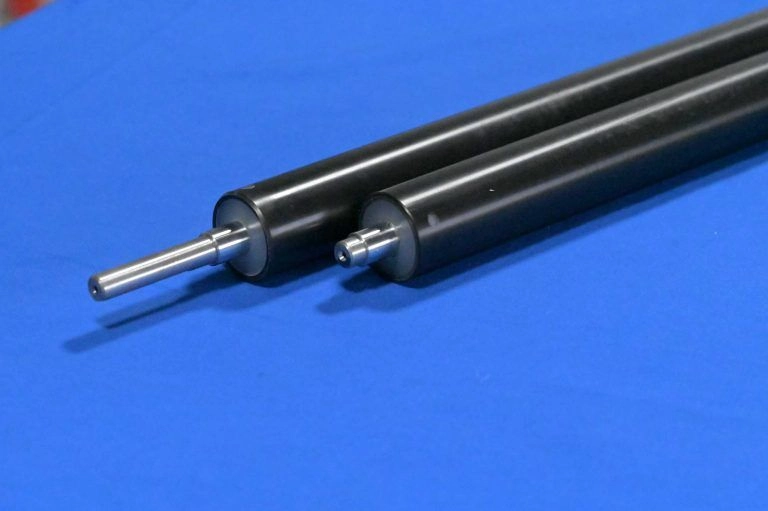
Shenzhen Qixingyuan Machinery Equipment Co., Ltd. focuses on making exact parts for PCB horizontal line wet gear. This includes strong water retaining rollers. The firm has earned a solid name for providing tough fixes matched to buyer needs in worldwide spots.
Shenzhen Qixingyuan Machinery Equipment Co., Ltd. shines as a steady ally for makers wanting solid water retaining rollers for horizontal wet lines. Their tech group works tight with buyers to craft matched fixes for exact process needs. This goes from small test shops to big factory plants. Their drive matches top players who stick to “Quality First, Customer Supreme.” Every item brings clear gains in work speed, toughness, and even standards. It’s refreshing to see such commitment in action.
Advantages Offered by Their Products
Their water retaining rollers come from modern rubber-like stuff that stands up well to usual PCB chemicals. Tailor choices let buyers pick roller firmness, size, outer feel, and fit with various machine types. This ensures easy add-in to current setups. It also tunes steady work. In practice, a custom roller for a tight line space can prevent jams and keep things flowing smoothly.
Conclusion
Water retaining rollers act as vital pieces in today’s PCB systems. They cut liquid carry-over between chemical baths well. Their help goes past fluid check. They guard process soundness, lift output, trim costs, and back green aims via less waste. With pros like Shenzhen Qixingyuan Machinery Equipment Co., Ltd., makers get exact-built parts for lasting trust in tough spots. Overall, investing here pays off in smoother, cleaner production.