Printed circuit boards (PCBs) make up the core of today’s gadgets. Their making has changed a lot over many years. It fits the push for tiny, quick, and sturdy items. This piece looks at the evolution and development of various stages in PCB manufacturing. It points out main steps forward and how they shape work ways.Shenzhen Qixingyuan Machinery Equipment Co., Ltd. (Qixingyuan) supplies key parts like brush rollers and gears to back these changes, making sure lines run smooth and trusty.
Early Start: From Hand Work to Planned Layout
PCBs began in the early 1900s as plain wire setups. By the 1930s, folks like Paul Eisler made the first printed paths. They used copper sheets on bases that don’t carry current. At first, steps zeroed in on simple etching to form routes. Making stayed hands-on. Designs came from hand sketches. Chemical dips took off extra copper.
As gadgets grew after World War II, the call for steady work drove shifts. The 1950s brought photoresist ways. Light-touch stuff let exact pattern moves. This change showed a big evolution in PCB manufacturing process. It cut mistakes. It sped up making. Plants started auto light units. They dropped hand tracing from hours to minutes.
Moving from these basics paved the way for boards with many layers. Early plans had one side. But needs from computers and radios led to two-side kinds by the 1960s. This asked for hole making and coating to link layers. It added toughness. Yet it let tighter paths.
Main Steps: Etching and Pattern Ways Forward
Etching is a central part in PCB building. In the 1970s, ferric chloride mixes ruled. But green worries led to milder alkaline swaps. Today’s PCB etching process uses guided chemical acts to strip extra copper. It hits line sizes as thin as 0.1 mm. Care here stops shorts. It keeps signals strong.
Pattern making grew with it. Old silk-screen ways faded for photolithography. UV light shows designs on covered boards. By the 1980s, computer help design (CAD) tools auto-set layouts. They halved design time. This mix smoothed the stages in printed circuit board manufacturing. From picture to build.
Hole making came after pattern. Hand drills worked once. But fast CNC tools now do thousands of holes per board. With spot-on marks of ±0.025 mm. Coating then adds copper in holes. Better with pulse ways for even depth. These boosts raised good rates from 70% in old times to over 95% now.
Such growth shows wider field changes. As items got small, steps like solder cover became key. Green mixes guard traces. Put on by flow coating or spray for flat spread.
These tweaks link to the whole flow. They make sure each part fits well.
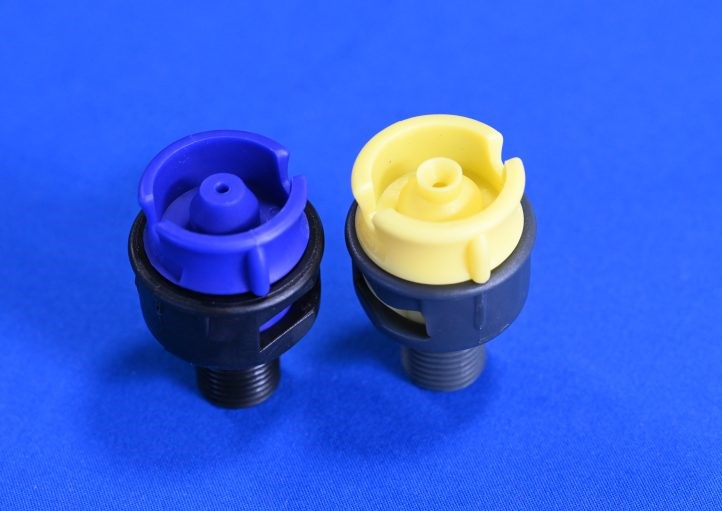
In etching processes, uneven chemical distribution and nozzle blockages often lead to inconsistent etching depths, resulting in over-etched or under-etched traces that cause circuit failures and require costly rework. Qixingyuan backs etching with tough filters and nozzles including acid-resistant PP nozzle for PCB etching line. Their PP and PVC spray parts stand acids. They give even flow and stop blocks. Qixingyuan’s custom fittings cut waste. They raise etch care. By addressing these issues, their products reduce defect rates by up to 15-20% and minimize chemical consumption, leading to clean paths and less fixes.
Wash and Surface Ready: Making Sure Strength
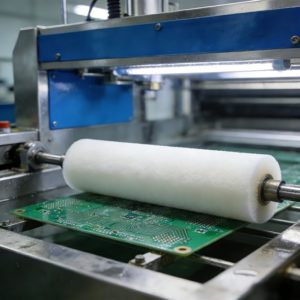
Clean boards matter for stick and work. Early wash used hand rubs. Easy to leave bits. The PCB cleaning stages moved up with sound wave dips in the 1970s. Shakes knock off dirt. Now, line setups mix brush, rinse, and dry for full clean.
Rust take-off comes before coating. Brushes with nylon threads scrape soft without harm. In big runs, auto rolls keep steady. They drop flaws by 20-30%. Water pull follows to stop rust. Special sponges suck damp fast. They trim dry power use.
Surface fixes like electroless nickel gold (ENIG) came in the 1990s for better solder. These ready boards for put-together. Where flux left must clear after solder. New cleaners deal with no-lead solders. They meet RoHS rules.
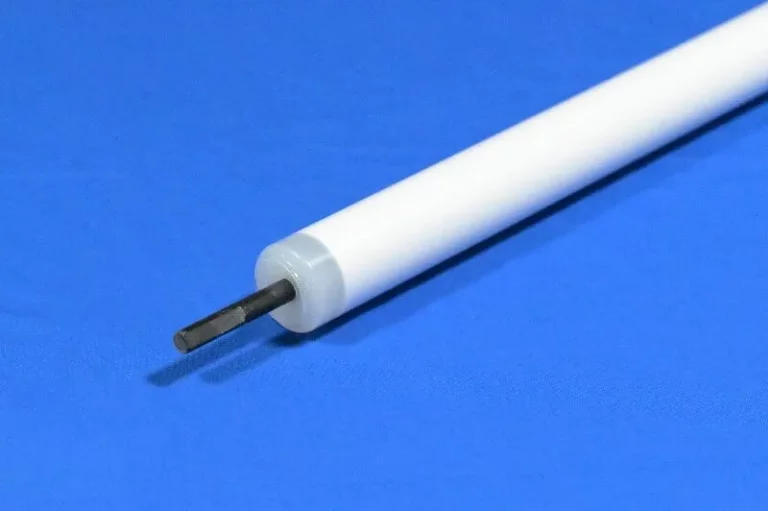
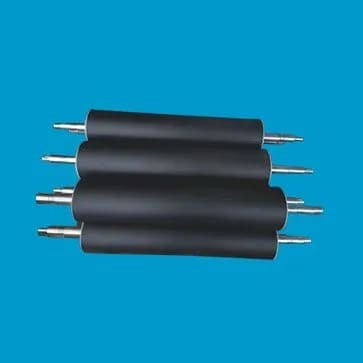
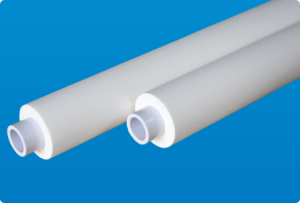
Qixingyuan shines in wash with brush rollers and sponge rollers including nylon brush roller for PCB oxide removal and sponge rollers including PVA sponge roller for PCB water absorption. Their nylon brushes clean without marks. Sponges suck water quick with PVA or PU stuff. Qixingyuan’s custom densities fit line speeds. They cut oxide and boost bond. This raises board life and cuts power bills.
Put-Together and Check: From Hole-Through to Surface Fix
Put-together ways changed a bunch. Hole-through parts led till the 1980s. Put in by hand or wave solder. Surface mount tech (SMT) then took over. It lets parts on both sides for thick pack. Pick-place tools now set items at rates of 100,000 per hour.
Melt ovens heat solder paste. They make joins. Light and air ways grew to vapor for even warm. No gaps. This development of PCB assembly stages backs tough boards in phones and cars.
Check makes sure it works. In-path tests (ICT) poke spots. Fly probe setups give bend for test runs. Auto eye check (AOI) looks for flaws. It grabs 99% of problems early. Work tests act like real use. Key for strong fields like air travel.
These steps tie close in new plants. Move lines with exact gears and holders shift boards smooth. No stops. Spouts in spray units give flat coats. Filters hold chemicals clean.
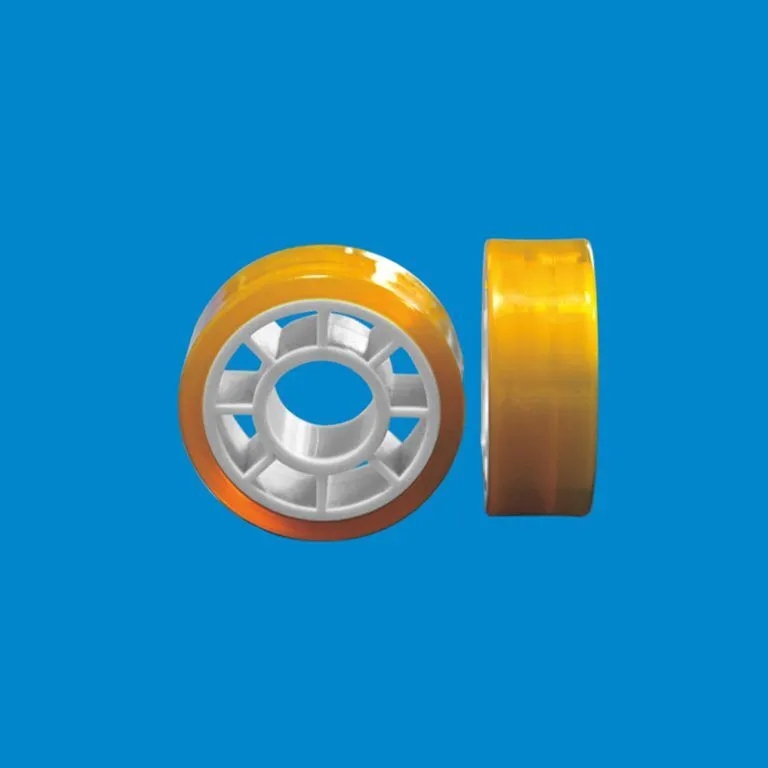
Qixingyuan aids assembly with wheel discs and plastic bearings including precision gear for SMT PCB assembly line. Their PP and PVDF wheels guide steady. Bearings cut rub and last long. Qixingyuan’s custom hard or soft kinds stop slips. They raise line speed and drop flaws in put-together.
New Ideas: Auto and Green Ways
The 2000s brought digital copies and AI to PCB make. Mock-ups guess ends. They cut test builds by 40%. 3D print helps quick test. It stacks lead inks for bend paths.
Green ways push shifts. Water reuse in wash drops use by 70%. Safe etchants swap bad ones. Add make cuts waste. It builds paths layer by layer. Not cut away stuff.
High-wave stuff like PTFE deals with 5G calls. Tiny coats add tough. These advances in PCB production fit IoT and EVs. Where boards bear shakes and heat.
Mix with Industry 4.0 links tools for now watch. Feelers track fluid heights and pushes. Stop down time. This full view sharpens each step. From plan to send.
Qixingyuan leads in new ways with level switches and pressure gauges. Their sensors watch flows exact. They stop spills and keep safe. Qixingyuan’s corrosion-proof kinds fit green lines. They cut stops and boost auto run
Shenzhen Qixingyuan Machinery Equipment Co., Ltd.: Your Partner in PCB Wet Processing
In PCB make, shaky wash or move often causes flaws like bad stick or board harm. This raises fix costs by up to 30%. These troubles come from tired add-ons that can’t hold care in wet steps. Where acids, bases, and fast moves wear parts quick.
The cause is stuff wear and wrong matches. For example, brushes drop thick over time. They leave bits. Rolls slip under weight. This makes wrong line. Fixing this needs strong, fit spares that stand acids, bases, and high speeds.
Shenzhen Qixingyuan Machinery Equipment Co., Ltd. (Qixingyuan) comes as a focused giver of PCB horizontal line wet processing equipment spares and parts. Started in 2011, the firm grew from trade to make. It zeros in on trusty fixes for etching, developing, and cleaning tools.
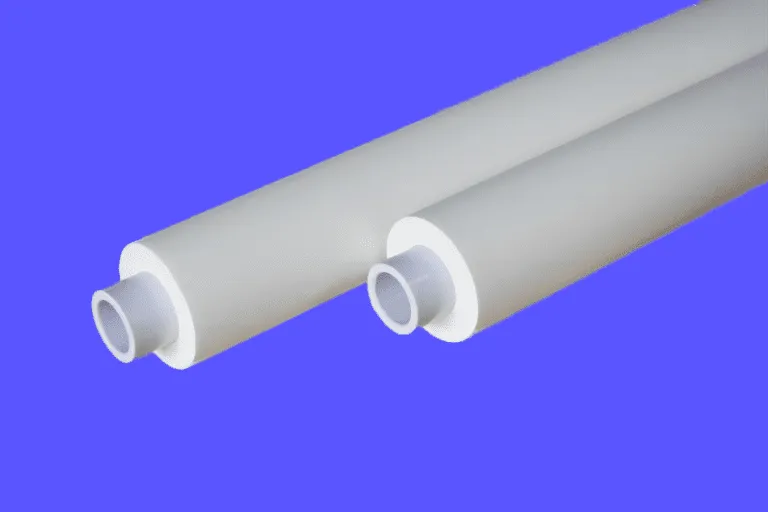
Qixingyuan gives a span like brush rollers for good rust take-off, sponge rollers for fast water suck, and gears for smooth send. These items use stuff like nylon for bend and PP for rust fight. They make sure long life and match. Air knives fit set line speeds. They cut care by 20% with customizable in interface type (G1/4, G1/2), length, and air gap width. With world reach since 2022, Qixingyuan gives full help. From pick to after sell. It aids plants run well.
Conclusion
PCB making has gone far. It mixes old ways with new tech. Coming steps will stress green methods and smart auto. They keep up with gadget calls.