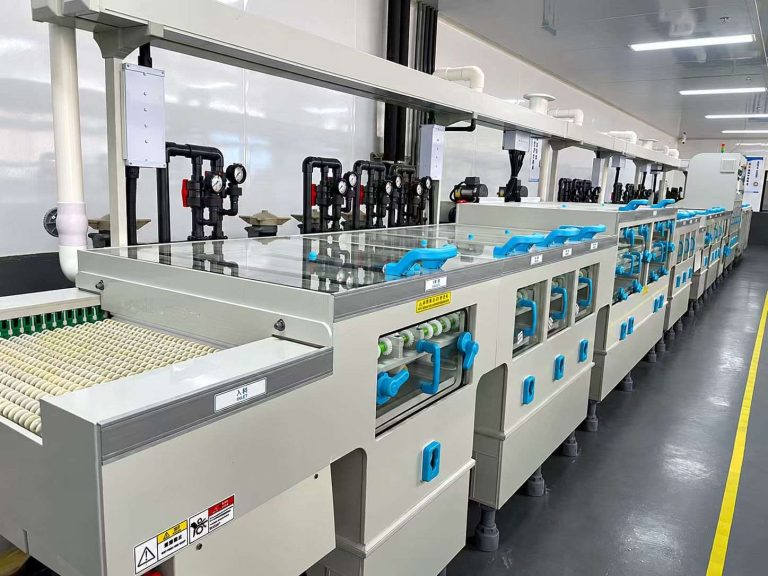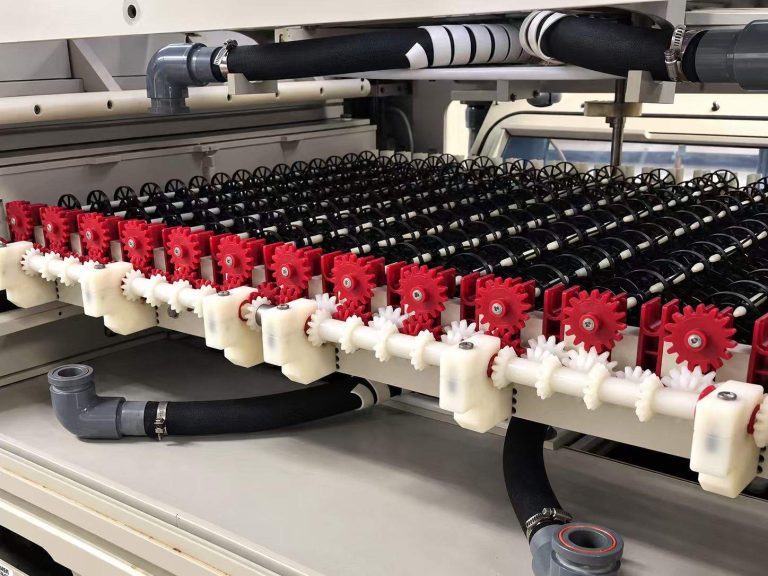
In PCB wet processing, a spray bar controls cleaning force, chemical contact, rinse quality, and drying preparation. When a nozzle pipe, clamp, cap, or joint starts to fail, boards may leave the chamber with flux residue, stains, copper variation, or water marks. This guide helps maintenance, production, and purchasing teams plan PCB spray system maintenance and spare parts.
Why Small Spray Parts Stop Big PCB Lines
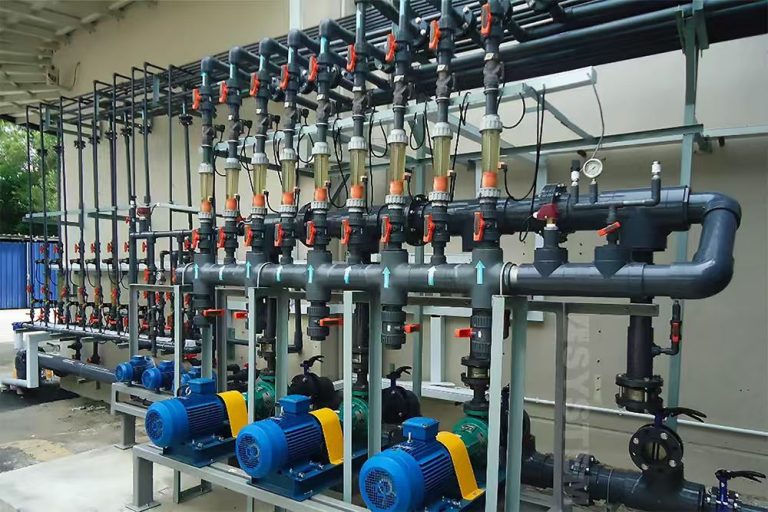
A PCB spray system works as a group. The pump gives pressure, the filter keeps particles out, the nozzle pipe distributes liquid, the clamp fixes direction, the cap seals the end, and each joint carries flow. One weak part can break the spray pattern.
In developing, etching, stripping, cleaning, and rinsing lines, a small spray angle shift may leave an untreated strip that repeats across many panels before inspection catches it.
Early warning signs
Watch for these field symptoms:
- One side of the panel looks wetter than the other.
- The pressure gauge swings more than usual.
- A clamp needs tightening every shift.
- A nozzle pipe cap drips after stop.
- Spray impact looks strong in one row and weak in another.
Qixingyuan supplies nozzle pipes, caps, plugs, covers, spray nozzles, cleaning parts, filters, air knives, rollers, and measurement parts for PCB wet process lines. For buyers who want fewer urgent stops, sourcing related spare parts together makes maintenance planning easier.
Daily Checks for Nozzle Pipes, Caps, Clamps, and Joints
A good daily check does not need to be long. It must be steady. Many factories check chemistry and conveyor speed first, while spray hardware is checked only after defects appear.
Before opening the chamber, record pressure, flow reading if available, tank temperature, and line speed. After safe draining, use a light to check scale, color change, cracks, loose fittings, and nozzle direction drift.
Practical inspection table
| Part | What to check | Field action |
| Nozzle pipe | Crack, bending, blocked holes, aging | Flush, clean, or replace |
| Clamp | Loose grip, wrong angle, worn screw area | Retighten or change |
| Cap or plug | Drips, brittle edge, poor seal | Replace early |
| Joint | Wet marks, vibration, thread wear | Reseat or replace |
| Spray nozzle | Clogging, broken fan, weak impact | Clean, test, or change |
If the same nozzle position fails twice in a month, check the pipe, clamp, and joint around it. The root cause is often poor alignment, particles from an old pipe, or a worn seal.
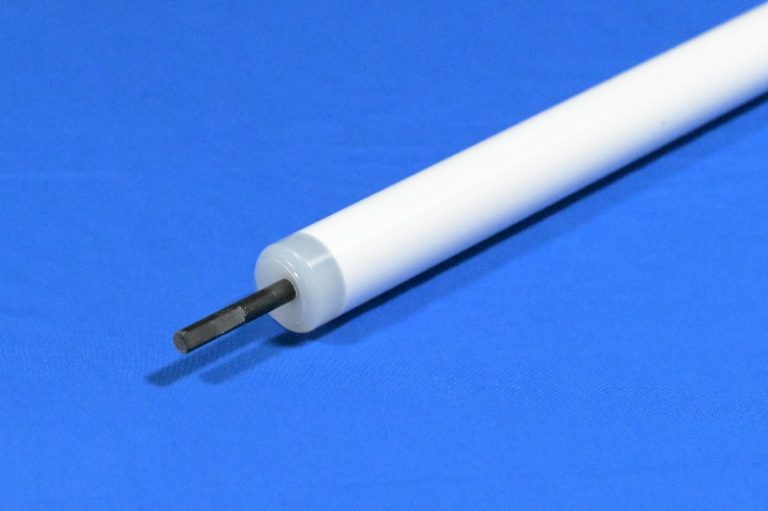
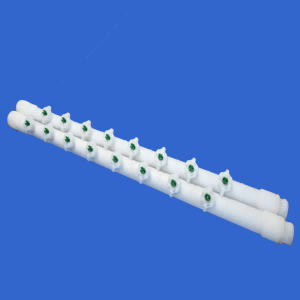
Qixingyuan offers nozzle pipe caps, plugs, covers, PVC nozzle pipes, PP nozzle pipes, blowing nozzles, and nozzle cores for spray and cleaning sections. These parts fit repair kits, line rebuilds, and regular PCB cleaning machine spare part orders.
Cleaning Methods That Reduce Spray Nozzle Clogging
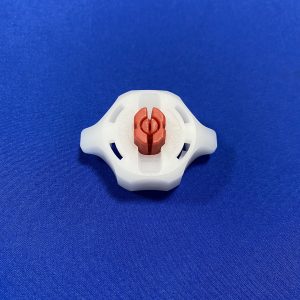
Spray nozzle clogging in PCB lines often comes from dried chemicals, copper sludge, dust, resin residue, or small plastic particles from old parts. A clogged nozzle may still spray, but the fan can split or lean.
Avoid steel wire or hard needles. They may open the hole, but they can scratch the outlet and change the spray angle. Once damaged, cleaning cannot bring back the original pattern.
Safe cleaning routine
A simple routine works better than rough cleaning:
- Rinse the nozzle pipe with clean water after long stops.
- Soak removed spray nozzles in a suitable cleaning liquid.
- Use a soft brush for visible scale.
- Blow from the reverse side with low-pressure air if allowed.
- Compare the cleaned nozzle with a spare sample before reinstalling.
Filters also matter. If nozzles clog again soon after cleaning, inspect the filter cartridge, tank bottom, and pipe inner wall. In etching areas, sludge can move during pump start and settle at the first narrow point.
Qixingyuan’s product range supports teams that want to reduce repeated clogging. Its nozzle pipes, cleaning nozzles, filter parts, and air blowing components can support a cleaner, more stable wet process line.
Material and Part Selection for Wet Process Environments
The right spare part depends on liquid, temperature, pressure, exposure time, and mechanical load. A part that works in a rinse chamber may age faster in an alkaline developer or etching zone.
For many PCB spray applications, plastic nozzle pipes are light, easy to install, and suitable for many wet environments. In higher load areas, teams may need stronger structure or a shorter replacement cycle.
Match parts to real duty
Before placing a purchase order, ask:
- Is the line used for cleaning, developing, etching, stripping, rinsing, or drying?
- What liquid contacts the nozzle pipe and joint every day?
- What is the working temperature range?
- Does the clamp need fast removal for cleaning?
- Are samples, drawings, or old parts available for matching?
For B2B buyers, the best spare part is the one that keeps the spray pattern stable across shifts, fits the current machine, and can be reordered without repeated checks.
Qixingyuan provides PCB wet process equipment spares across spray, cleaning, transmission, consumable, and measurement categories. For nozzle pipe maintenance, the company can support material selection, drawing-based matching, and related line parts.
When Replacement Makes More Sense Than Repair
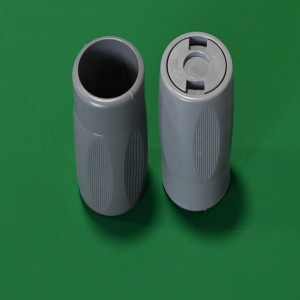
Caps, clamps, and joints look small, so they are often reused too long. In practice, one unstable spray section can cost more than a spare part kit.
A nozzle pipe or joint should be replaced when leakage returns after resealing, threads are worn, the pipe wall turns brittle, or nozzle direction cannot stay fixed. Change clamps with uneven grip, and replace caps or plugs when sealing edges deform.
RFQ details buyers should send
For a faster quotation, collect the machine section, process name, old part photos, pipe outer diameter, connection size, liquid type, working temperature, required quantity, and any drawing or sample. These details lower the risk of receiving parts that nearly fit but still leak or misalign.
Qixingyuan is suitable for buyers who purchase more than one type of PCB wet line spare part. Along with nozzle pipes, caps, clamps, joints, and spray cleaning products, it also supplies rollers, wheels, gears, screws, bushings, air knives, and measurement parts for connected equipment areas.
À propos de Shenzhen Qixingyuan Machinery Equipment Co., Ltd.
Shenzhen Qixingyuan Machinery Equipment Co., Ltd. is a PCB horizontal line wet processing equipment spares and parts supplier based in Shenzhen, China. The company focuses on parts used in PCB and LCD production equipment, including spray and cleaning products, air knives, water retaining rollers, conveyor rollers, wheel discs, gears, screws, transmission parts, bushings, consumables, and measurement control components.
For maintenance teams, this product range is useful because spray problems rarely come from one part alone. Uneven cleaning may involve nozzles, filters, rollers, air blowing, pressure readings, and conveyor stability at the same time. Qixingyuan works with B2B customers that need replacement parts, regular spare part supply, and custom spare parts based on drawings or samples.
Qixingyuan’s value for procurement teams is practical: broad product coverage, wet process application experience, and support for factories that want to reduce downtime caused by small but critical parts.
Conclusion
Nozzle pipe maintenance is not only about cleaning spray nozzles. It is a full PCB spray system maintenance task covering pipes, clamps, caps, plugs, joints, filters, pressure readings, and replacement timing. Strong results come from daily checks, gentle cleaning, correct materials, and early replacement.
For buyers planning a spare part list, Qixingyuan can provide nozzle pipes, nozzle pipe caps, plugs, covers, spray nozzles, blowing parts, filters, and related PCB wet process equipment spares. A clear inquiry with photos, sizes, liquid conditions, and usage quantity helps the team recommend better-matched parts for stable production.
FAQ
What causes uneven spray in a PCB wet process line?
Uneven spray can come from clogged PCB spray nozzles, blocked nozzle pipes, worn clamps, leaking joints, pump pressure changes, poor filtration, or incorrect nozzle direction. Conveyor support can also affect how liquid reaches the board surface. For purchasing teams, it is smart to prepare spare nozzles, caps, clamps, joints, and filters together instead of replacing one visible part only.
When should a nozzle pipe cap, plug, or cover be replaced?
Replace a nozzle pipe cap, plug, or cover when it leaks after tightening, shows cracks, becomes brittle, swells from chemical contact, or no longer sits flat against the pipe end. A small drip may look harmless, but it can lower spray pressure and create chemical splash around nearby parts. Keeping spare caps in stock helps teams handle leakage during planned stops.
How should buyers choose between different nozzle pipe materials?
Buyers should start with the process liquid, temperature, pressure, and cleaning frequency. A rinse area may need a different nozzle pipe material than an etching or developing section. Part size alone is not enough. Share the machine section, old part photos, liquid conditions, and sample if possible. Qixingyuan can help match nozzle pipes, joints, and related spray cleaning parts.
What information should be sent when requesting a quotation?
A useful RFQ should include part name, quantity, photos, dimensions, machine section, liquid type, temperature range, and whether a sample or drawing is available. For nozzle pipe maintenance, also note clamp position, cap style, joint connection, and spray direction. Clear details help Qixingyuan check compatibility faster and provide suitable PCB spray system spare parts for repeat purchasing.