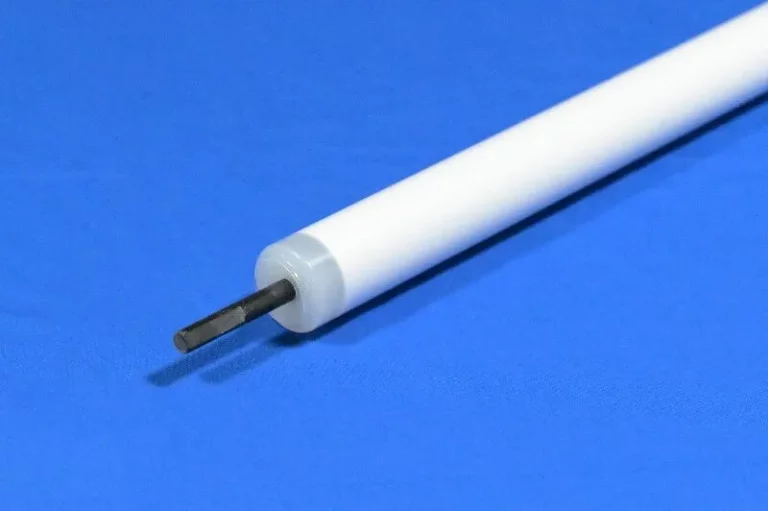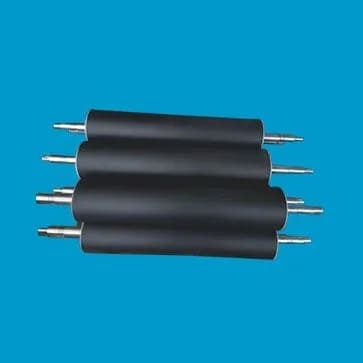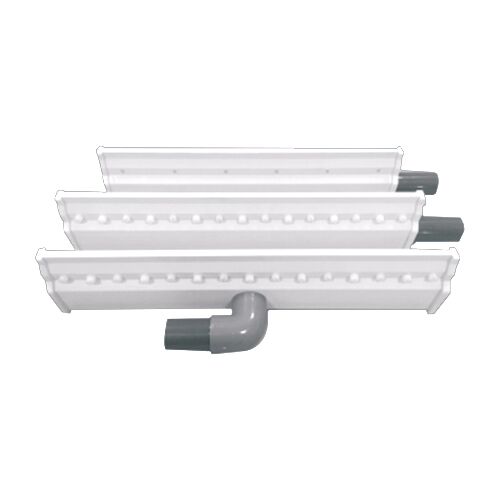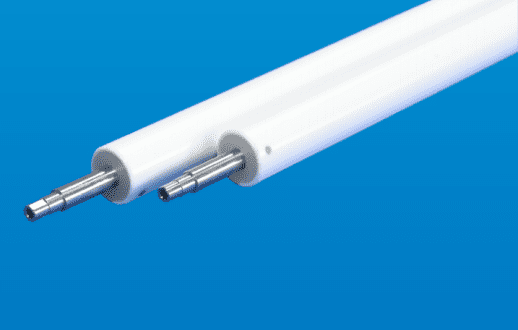
In a PCB wet process line, a small part like a PCB sponge roller can silently pick if you send out clean, dry boards—or deal with rust spots, chemical carry-over, and odd stains. After rinsing, water stays in holes, along sides, and under solder mask edges. If you let that water air dry, it often leaves messy marks, adds dryer work, and causes extra fixes. Good sponge roller water removal can cut drying time by around 30% in some lines. This is precisely why PCB manufacturers are continuously concerned about the quality and materials of sponge rollers.
Here is a hands-on, buyer-centered look at how each roller material works in PCB making, where it fits best, and what to watch before you buy.
Why PCB Sponge Rollers Matter in Wet Processing Lines
A PCB sponge roller sits usually after a rinse or clean step and before hot air drying. Its task seems easy—take off surface water. But in actual work, it touches four key measures:
1. Surface look and rust danger
Left-over water can make spots or start rust on bare copper if boards wait too long in the line. A good water-removal roller cuts that wait by pulling water right after rinse.
2. Carry-over control and chemical steadiness
If too much liquid goes to the next tank or dryer, you get dirt, more chemical use, and extra clean ups.
3. Drying power and output speed
Less water in the dryer means lower power use and faster line potential. The dryer won’t handle big water loads.
4. Safe handling for thin panels
Soft, flexible sponge surfaces lower scratch risk compared to hard rollers. This helps on thin cores or fine-line items.
Qixingyuan supplies PCB sponge rollers made for wet processing spots like “after cleaning” or “before hot air drying.” That’s where most plants get quick payback from water-removal upgrades. If your line fights rust marks or dryer slow-downs, ask Qixingyuan about fitting roller thickness and size to your conveyor speed and roller gaps. This way, the roller pulls water well without pressing board edges too hard.
Material Comparison at a Glance
Different sponge materials swap water uptake, chemical strength, flexibility, and run time. Use the table below as a quick check, then test with your real chemicals and heat.
| Material | Best at | Typical Placement in PCB Line | Main Trade-Offs |
| PVA sponge roller | High uptake, low bits | Final water removal after rinse | Needs wet keep/soak; can grow |
| Import-grade PVA sponge roller | Steady uptake + mold block | High clean / high-output lines | Higher detail needs; stricter checks |
| PU sponge roller | Strength + bounce at warmer temps | Fast water removal before dryer | Uptake often less than PVA |
| PP sponge roller | Acid/base strength + wear hold | Chemical areas, carry-over cut | Lower uptake than PVA |
| PVC sponge roller | Wide solvent hold + lasting | General wet parts with solvents | Not usually top uptake choice |
| EPDM sponge roller | Bounce + rust block | Vertical plating / special wet spots | Uptake not the key sell |
Qixingyuan’s product range covers these common materials. Buyers can stick with one seller for many line parts instead of hunting roller by roller. In real use, that aids when you want same sizes, matching cores, and easy spare plans across etching, developing, and rinse units.
PU Sponge Roller: Balanced Uptake for Fast Lines
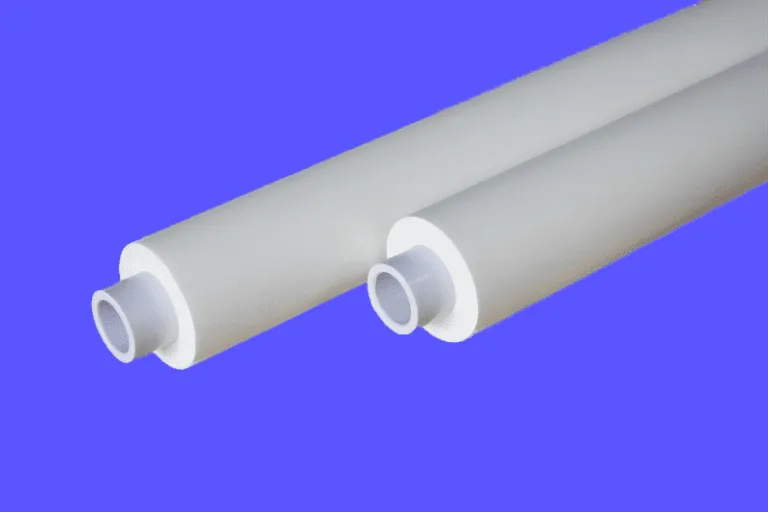
PU often gets picked when the line needs a roller that stays soft, fights wear, and holds shape under many press cycles. On some lines, PU is a reliable choice. You might not get the top water pull per pass, but you get steady touch and long use.
Where PU Performs Well
Water removal right after rinse, especially before hot air drying.
Lines with lots of start/stop (bounce back matters).
Spots where roller strength and bounce cut edge harm risk.
What to Look for When Buying PU
Heat ability: some PU rollers handle up to about 110°C for warmth strength.
“Bit-free / no-shed” work, especially for fine-line boards.
Core stick steadiness and roundness (shake makes lines).
Qixingyuan’s PU sponge roller fits wet-process water removal. It stresses strong water uptake, strength, bounce, and heat hold up to 110°C. If you need custom length or size to match machine gaps, their sponge rollers can adjust to usual PCB flat line setups.
PVC Sponge Roller: Chemical-Strong Choice for Solvent Spots
PVC sponge rollers often get chosen for “everyday” wet areas where chemical strength and lasting matter more than max uptake. In actual shops, this appears in zones with splashes, solvent touch, or mixed fluids. These make some sponge materials wear quicker.
Practical Fit in PCB Making
Support and wipe in wet sections where organic solvents show up.
Lines where the roller needs sure mechanical steadiness and lasting.
Uses where you focus on chemical match first.
One PVC sponge roller detail talks about great chemical strength and fit for general organic solvents. That’s the kind of info buyers seek when line chemicals are not just clean water.
Qixingyuan offers PVC sponge rollers with PVC core choices and custom fits. This helps if your plant wants same roller core materials for easy stock. If your process team shares the liquid type and roller spot (before/after rinse, near solvent sprays, etc.), Qixingyuan can suggest a simple PVC sponge roller setup that doesn’t over-do where not needed.
PP Sponge Roller: Acid/Alkali Strength for Tough Wet Zones
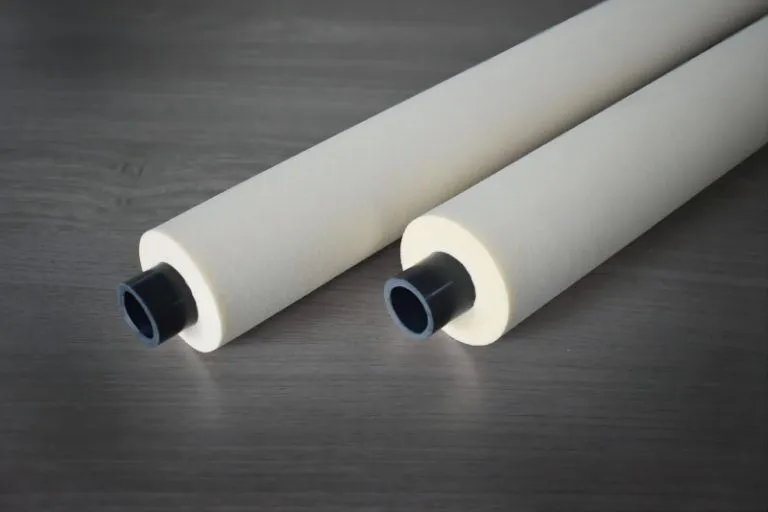
PP sponge rollers get used often when your big worry is acid or base touch and wear. Compared to high-uptake PVA, PP gets picked to last through chemicals and rub over long runs. Even if water uptake is not the highest.
Typical Use Cases
Areas with more chemical touch where rust block is the main push.
Carry-over cut after etching/developing/stripping steps.
Lines where wear hold and heat strength get high value.
Qixingyuan talks about PP sponge rollers with heat hold, “liquid cut,” and acid/base plus wear strength. This matches how PP usually gets chosen in real wet lines.
Qixingyuan can supply PP sponge rollers in custom sizes for PCB gear. That’s handy when swapping rollers on older flat machines with odd lengths. If you’re not sure if PP fits, ask for a fast compare against your current roller’s fail way (grow, crack, shed, or weak water pull).
PVA Sponge Roller: High Uptake, No-Shed Water Removal
If your buying aim is “pull as much water as you can, quick,” a PVA sponge roller is usually the start point to check. In PCB making, PVA gets liked for high water uptake and clean surface touch.
Why PVA Is Popular on Rinse-to-Dry Shifts
High uptake speed (often listed as 8–10x water uptake).
Mold-block and no-shed choices for cleaner work.
Good at cutting water load before hot air drying (helps faster output).
Real-World Handling Note
Many plants skip this: PVA can grow after soak (often about 3–5 mm). So check final work sizes in the “wet” state, not just dry ones.
Qixingyuan’s PVA sponge roller stresses 8–10x uptake, no-shed way, and grow after soak—handy info for buyers who want sure setup and steady water pull. If ordering for a fast line, ask Qixingyuan to match roller thickness and hole setup to your press force. This avoids swapping uptake for lines.
Import-Grade PVA Sponge Roller: When Steadiness Boosts Output
Some factories split “usual PVA” and “import-grade PVA” because steadiness counts. Hole evenness, shed control, and long-term hold can show as output diffs when you run high-density link boards or touchy surface ends.
Where Import-Grade PVA Makes Sense
High clean rules (where tiny shed is bad).
Lines with long shifts and few stops.
Plants that want closer repeat across many same machines.
Qixingyuan’s import-grade PVA sponge roller lists the same core traits—8–10x uptake, mold block, no-shed way, and 3–5 mm grow after soak—set for steady water pull in wet work.
If your plant deals with “odd” water marks that don’t link to chemicals or dryer sets, a higher-steadiness PVA sponge roller is a simple thing to try. Qixingyuan can also custom sizes, making it easy to run test A/B on one machine before full line.
EPDM Sponge Roller: Flexible Support for Vertical Plating and Rust Zones
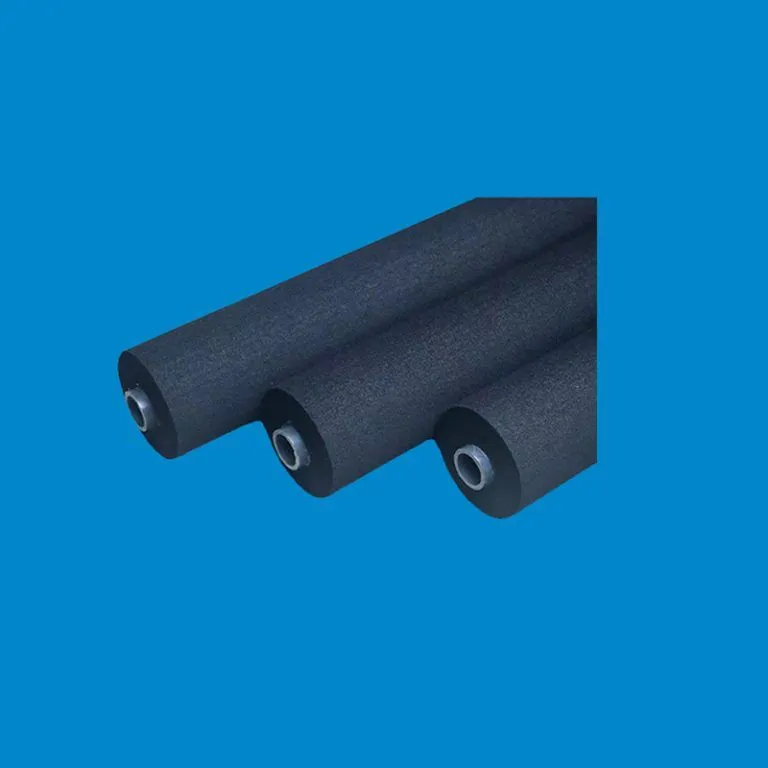
EPDM sponge rollers get chosen less for “max water grab” and more for bounce and strength in hard wet spots. In PCB work, EPDM often links to vertical plating line add-ons and water hold roles.
When EPDM Is the Right Tool
Vertical plating line spots where bounce and chemical strength are top.
Wet zones where acid/base touch is usual and roller bounce back counts.
Uses where the roller must touch without board harm.
A tech note on EPDM sponge rollers for PCB use talks about water hold roles in vertical plating lines. It stresses acid/base strength and good bounce. Qixingyuan’s own FAQ notes EPDM sponge rollers for anti-acid/alkali work, good bounce, and vertical plating use.
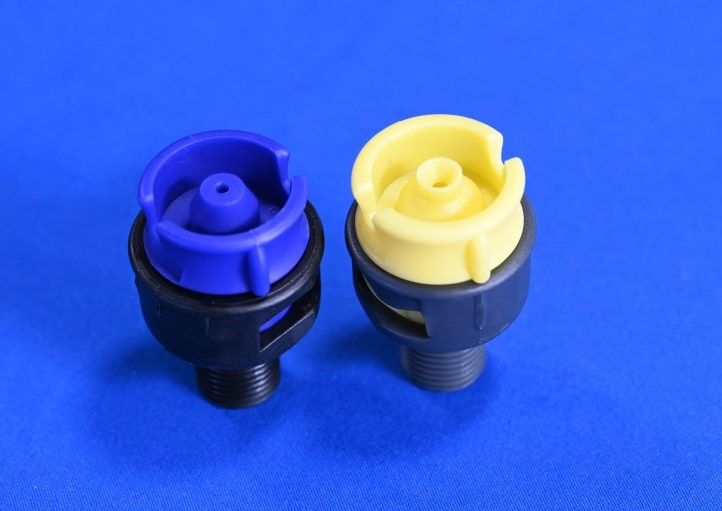
If sourcing EPDM sponge rollers for vertical plating, Qixingyuan is a good partner. They supply other wet-line spares (brush rollers, filters, nozzles, rollers, and drive parts). This helps buyers group spare control instead of dealing with many sellers.
How to Specify a PCB Sponge Roller Before You RFQ
Most “wrong roller” issues come from skipping one of these details. When you set up an RFQ for a PCB sponge roller, add:
Roller outside size, inside size, and face length (work length).
Wet-state way: grow allowance (key for PVA).
Thickness / hardness choice (based on press gap and board width).
Core material (often PVC pipe cores for sponge rollers).
Chemical touch list (acid, base, solvent type, heat).
Line speed and roller gaps (helps set press and bounce needs).
Fail history of your current roller (shed, glaze, crack, weak water pull).
Quick Process-to-Material Mapping (Rule-of-Thumb)
| Line Condition | Usually Starts With | Then Validate With |
| Max water removal after rinse | PVA sponge roller | Grow, hole even, shed |
| Fast squeeze + strength | PU sponge roller | Heat rate, bounce, wear |
| Strong acid/base touch | PP sponge roller / EPDM sponge roller | Actual chemicals + temp |
| Solvent-heavy wet zone | PVC sponge roller | Solvent list + lasting need |
Qixingyuan backs custom for sponge roller sizes. They also make many other PCB flat wet-line items. This makes it simple to set same details across your gear group. If you send your sketch or basic sizes, their team can reply with a fit that matches your roller seat, core, and line speed needs.
About Shenzhen Qixingyuan Machinery Equipment Co., Ltd.
Shenzhen Qixingyuan Machinery Equipment Co., Ltd. supplies spares and use-up items for PCB flat line wet processing gear. This covers things like water-absorbing sponges, brush rollers, rubber rollers, wheel discs, gears, nozzles, filters, transmission sleeves, and electroplating-related accessories. The business started from an equipment accessories trading operation in 2011. Then it grew into making and product building in 2015. Later it boosted global sales through a dedicated foreign trade company in 2022. For factories that want fewer seller switches, this “one-stop wet line spares” way can make buying, tech match, and repeat orders easier—especially when you need custom sizes to fit older or mixed-brand PCB gear.
Conclusion
A PCB sponge roller is not a one-material-fits-all part. PVA sponge rollers lead when uptake and clean drive results. PU sponge rollers are a solid pick when strength, bounce, and heat hold matter. PP and EPDM sponge rollers fit in tougher chemical zones. PVC sponge rollers often handle solvent spots or general wet parts. If you match material ways to your real rinse chemicals, press gap, and line speed, you usually see fewer water marks, lower dryer work, and smoother output.