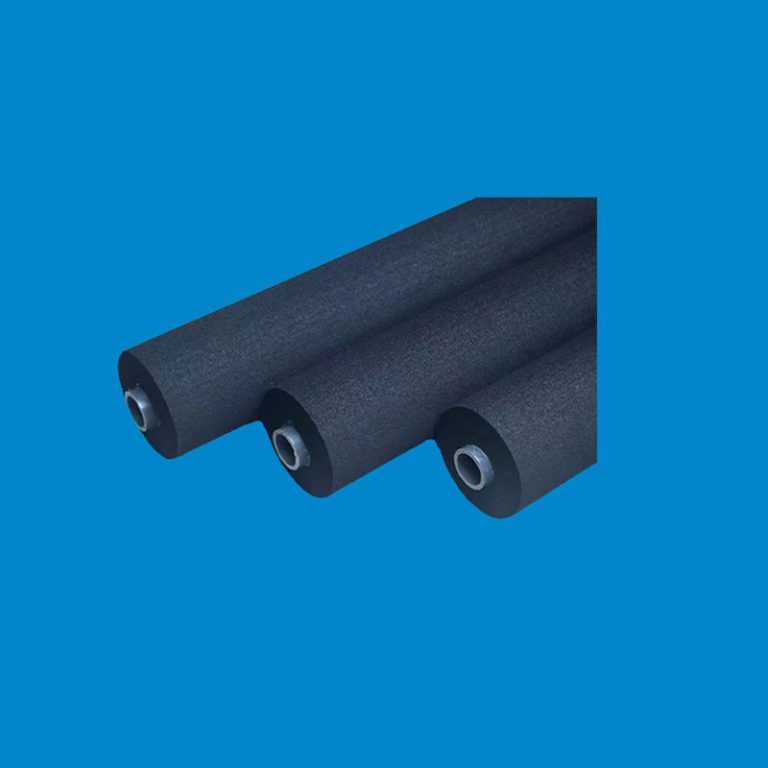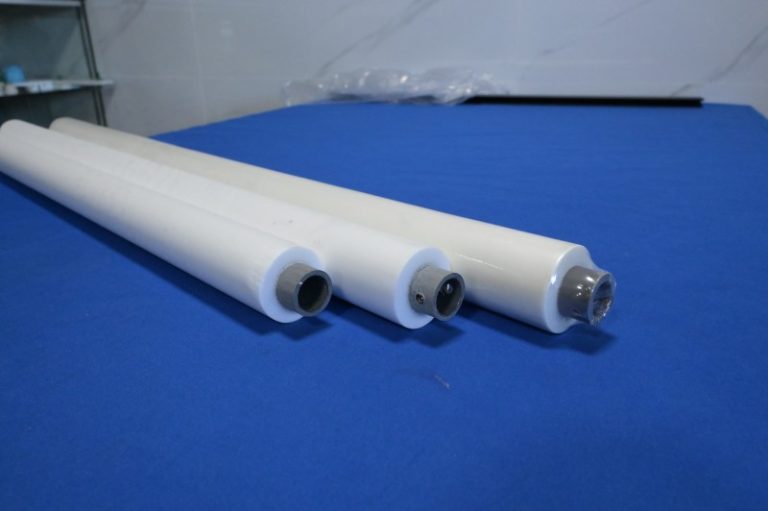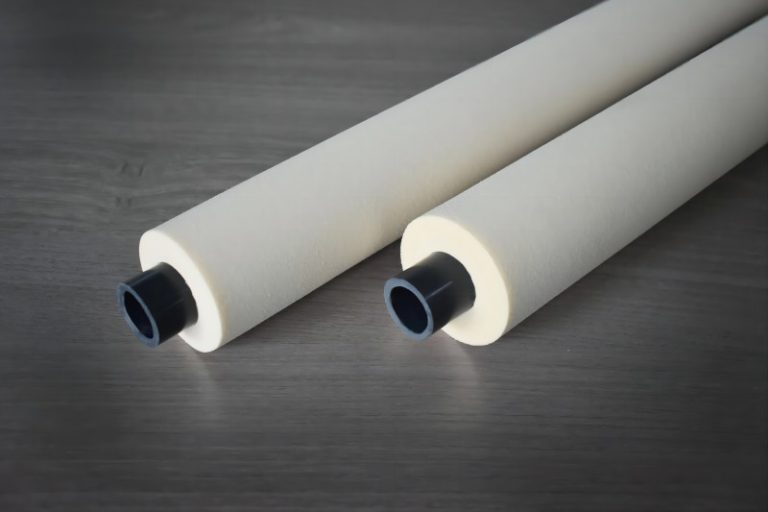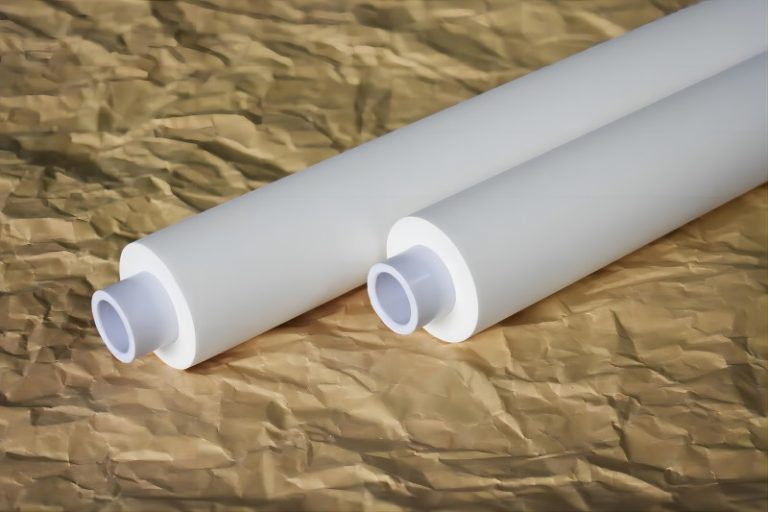
PVC Sponge roller for water-absorption and wiping positions after PCB cleaning or before hot-air drying. PVC + PVC pipe and chemical resistance, durability and suitability for general organic solvents.
Core Advantages: Strong water absorption, soft and non-shedding, long service life.
Significant Advantages: Quickly removes residual water, improves drying efficiency, reduces energy consumption, and ensures smoother post-processing.
The PVC sponge roller removes residual water from PCB surfaces after cleaning. Its absorbent working surface contacts the board to take up water and assist wiping before the next stage, including hot-air drying where the equipment layout requires it.
The roller uses a PVC sponge and PVC pipe construction. It is resistant to acids and alkalis, does not swell, and requires no pre-soaking for normal use. Custom dimensions help match the working diameter, contact length, and mounting arrangement to the machine.
| Item | Specification |
| Product Name | PVC sponge roller |
| Material | PVC + PVC pipe |
| Primary Function | Water absorption and surface wiping |
| Process Position | After PCB cleaning or before hot-air drying |
| Acid and Alkali Resistance | Resistant to acids and alkalis |
| Preparation Before Use | No pre-soaking required |
| Swelling Behavior | Non-swelling |
| Size | Customizable |
| Diameter and Density | Selected to suit line speed and roller spacing |
– Acid and alkali resistance supports use where the roller encounters compatible process liquids. Confirm the actual chemical, concentration, temperature, and exposure conditions when selecting the roller.
– No pre-soaking is required for normal use, so installation does not depend on a separate soaking preparation step. Routine inspection and machine setup are still necessary before startup.
– Non-swelling behavior helps maintain the working diameter during use. Roller spacing and contact should be set to the specified dimensions, with no allowance needed for swelling preparation.
– Absorbent sponge surface takes up residual rinse water where it contacts the board, helping prepare the surface for the following process.
– A wiping function complements water uptake as the board passes through the roller position. Contact and alignment should suit the equipment and board thickness.
– Use before hot-air drying can reduce the water carried into the drying section. The result depends on the incoming water load, contact arrangement, and roller condition.
– Custom dimensions support equipment matching and replacement projects. Diameter, working length, and mounting details should follow the approved drawing.
– Diameter and density can be selected with reference to line speed and roller spacing, allowing the roller specification to be reviewed for its actual operating position.
After PCB cleaning, water remaining on a board travels toward the next module. An absorbent roller provides a contact position where this water can be taken up and wiped from the surface. It can support water removal before hot-air drying, although complete drying still depends on the machine layout and downstream process.
Match the roller to the water load, board path, and liquid exposure at the intended position. Acid and alkali resistance is a material selection advantage, but it does not replace effective rinsing or confirm that process residues have been removed from the board.
– Residual-water absorption after cleaning in PCB processing equipment
– Surface wiping at a suitable contact position downstream of rinsing
– Water removal before hot-air drying in a matched PCB line
– Replacement of matched absorbent rollers in existing PCB lines
Pre-soaking is not required before normal operation. Inspect the working surface for cleanliness and visible damage, confirm the mounting dimensions, and follow the equipment’s normal startup procedure. There is no need to wait for soaking or expansion before setting the roller contact.
The PVC sponge does not swell during use. This helps keep the working diameter consistent without a swelling allowance. Non-swelling does not mean the roller cannot compress, wear, or become damaged; correct contact pressure, alignment, and regular inspection remain important.
Roller size can be customized to suit the installation. Provide the outside diameter, working-face length, overall length, pipe dimensions, and shaft or bore arrangement. A drawing or sample helps confirm how the roller fits the existing supports and adjacent components.
Include line speed, roller spacing, board thickness, and the amount of water reaching the roller. These details help with diameter and density selection. Confirm the available density, final construction, mounting details, and dimensional requirements before production rather than relying on appearance alone.
Start by confirming the process position and liquid exposure. The roller is acid and alkali resistant, but compatibility should be reviewed against the specific chemical, concentration, working temperature, and duration of contact. Provide these details rather than relying on the acid or alkali classification alone.
Check dimensions, roller spacing, operating speed, and board contact next. The roller needs appropriate contact to remove water without applying excessive force to the board or sponge. Specify the required working diameter directly; no soaking or swelling preparation is needed before normal use.
– Isolate the machine according to its maintenance procedure before removing or fitting the roller.
– Verify the working length, diameter, and mounting arrangement against the approved drawing or replacement sample.
– Inspect the working surface and complete normal machine setup before operation. Pre-soaking is not required.
– Keep mounting surfaces and the sponge free from grit, sharp debris, and process deposits.
– Check free rotation, alignment, and contact using the equipment manufacturer’s setup procedure.
– Inspect for tears, deformation, uneven wear, contamination, or a change in water-removal performance.
– Use clean water for routine rinsing where appropriate, and confirm any cleaning solution and method for the supplied roller and actual operating conditions.
– Review roller contact, surface contamination, incoming water load, and rinse conditions if water removal becomes uneven. Replace the roller when damage or wear affects its function.
Agree the roller dimensions, density selection, pipe and mounting details, and working-surface requirements against a drawing or sample. Include the intended process position and chemical exposure in the order confirmation. These details help maintenance teams fit the replacement and set the correct contact without a pre-soaking step.
Qixingyuan Machinery supplies accessories for PCB processing equipment. Send the existing roller dimensions, installation photographs, and operating conditions to discuss a suitable replacement or customized size.
Confirm packaging that protects the sponge surface from contamination, sharp contact, and concentrated pressure. Include storage and pre-use preparation instructions with the order. Packaging dimensions, quantity, destination, and delivery requirements should be discussed when requesting a quotation.
– Equipment model and the intended water-absorption or wiping position
– Outside diameter, working-face length, and overall length
– PVC pipe dimensions and shaft or bore arrangement
– Drawing, sample, or photographs of the existing roller and mounting points
– Line speed, roller spacing, and board thickness
– Water load, working temperature, chemical type, concentration, and exposure duration
– Required density where already specified, quantity, and delivery destination
Where should the PVC sponge roller be installed?
Use it at the designated water-absorption or wiping position after PCB cleaning. It can be used before hot-air drying when the machine layout provides for this arrangement. Match the dimensions, contact arrangement, and liquid exposure to the installation.
Is this roller resistant to acids and alkalis?
Yes. This PVC sponge roller is resistant to acids and alkalis. Confirm compatibility with the actual chemical, concentration, temperature, and contact time; this does not establish resistance to every acid or alkali under all conditions.
Does the roller need soaking before use?
No. Pre-soaking is not required for normal use. Inspect the roller, install it correctly, and follow the equipment’s normal setup and startup procedure.
Does the PVC sponge roller swell during use?
No. The PVC sponge is non-swelling. Set the contact arrangement to the specified roller dimensions, and continue to inspect for compression, wear, or damage during service.
Can the size be customized?
Yes. Provide the outside diameter, working length, overall length, pipe dimensions, and mounting details. A drawing or sample helps confirm the required configuration.
Can it completely dry the PCB?
Its function is to absorb and wipe away residual water at the roller contact position. The final drying result depends on the water load, contact arrangement, and subsequent drying stages.
To provide high-precision, high-performance PCB equipment accessories, empowering the global electronics manufacturing industry to achieve efficient production.