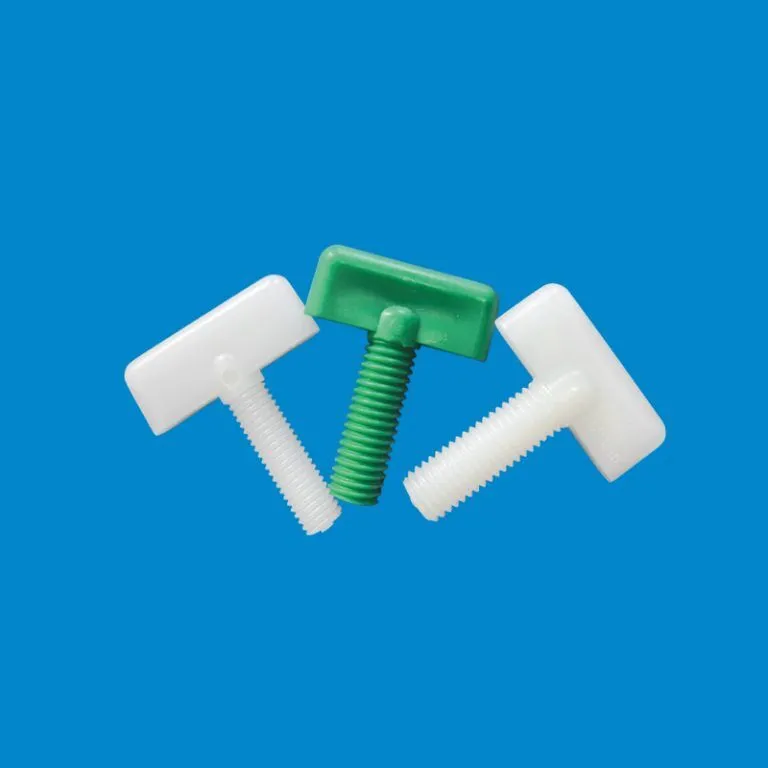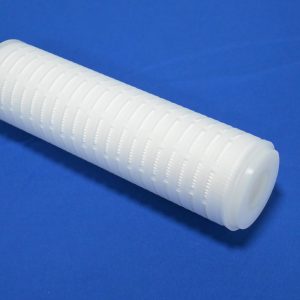
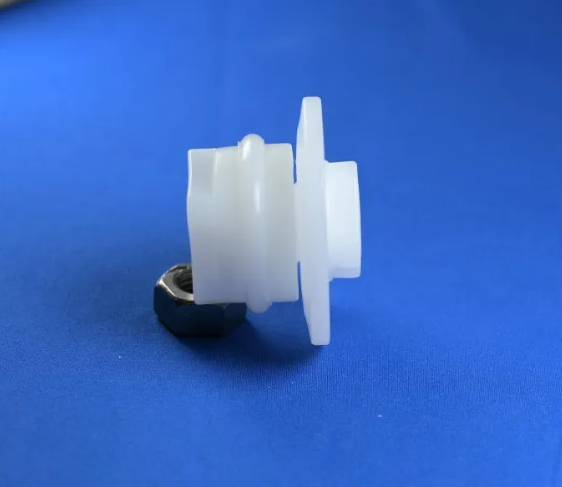
In a PCB wet processing line, a conveyor roller rarely gets attention until something goes wrong. A board shifts to one side. A line operator hears extra noise. A wet panel gets stuck near a guide rail. A batch slows down because one small spare part has lost shape, grip, or smooth rotation.
For PCB manufacturers, conveyor roller quality control is not a paperwork exercise. It affects line speed, board guidance, chemical resistance, maintenance cost, and production stability. A roller used in cleaning, developing, etching, rinsing, or drying must deal with moisture, chemicals, repeated contact, and long working hours.
This article looks at how quality standards for conveyor rollers should be built from design to delivery, and why buyers should treat roller selection as a technical decision rather than a simple spare parts purchase.
Why Conveyor Roller Quality Matters in PCB Wet Processing
PCB horizontal wet lines handle panels through several process zones. Each zone has its own working conditions. Some areas need stable board support. Some need low-friction movement. Some need chemical resistant conveyor rollers. Others need rollers that reduce vibration and help prevent scratches on wet or sensitive board surfaces.
A poor roller does not always fail at once. It may start with a small runout issue, slight swelling, uneven surface wear, or a loose fit. After several weeks, the result can be board misalignment, jamming, uneven conveying pressure, or higher replacement frequency.
Common field problems include:
- Boards moving off track during high-speed transport
- Rollers swelling after contact with alkaline or acidic liquids
- Excessive noise from poor rotation or improper fitting
- Surface marks caused by hard spots, burrs, or dirt buildup
- Frequent downtime due to uneven wear across the line
For this reason, conveyor roller inspection needs to cover material, machining, concentricity, surface finish, rotation, packaging, and traceability. A low-price roller may look acceptable on the shelf, but the real test starts inside a running PCB wet processing line.
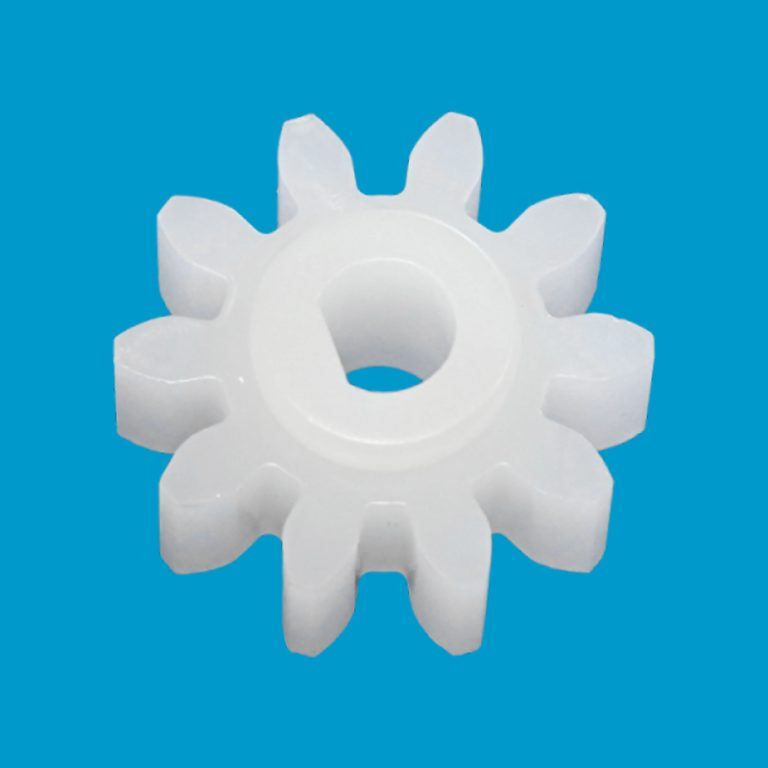
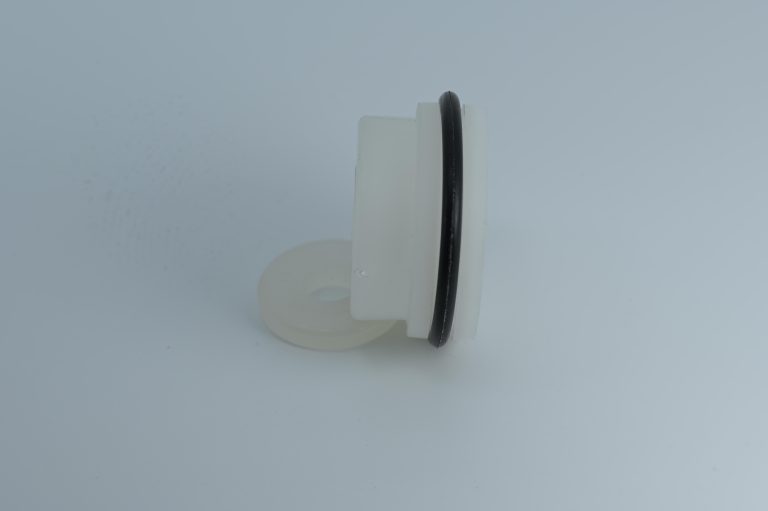
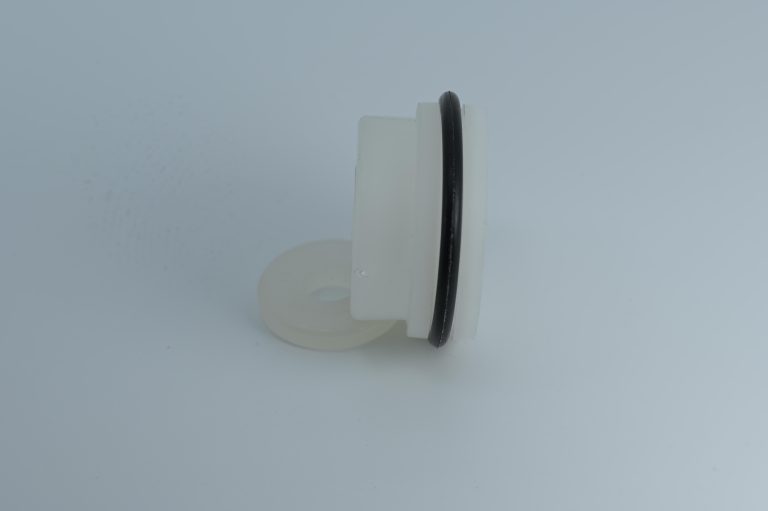
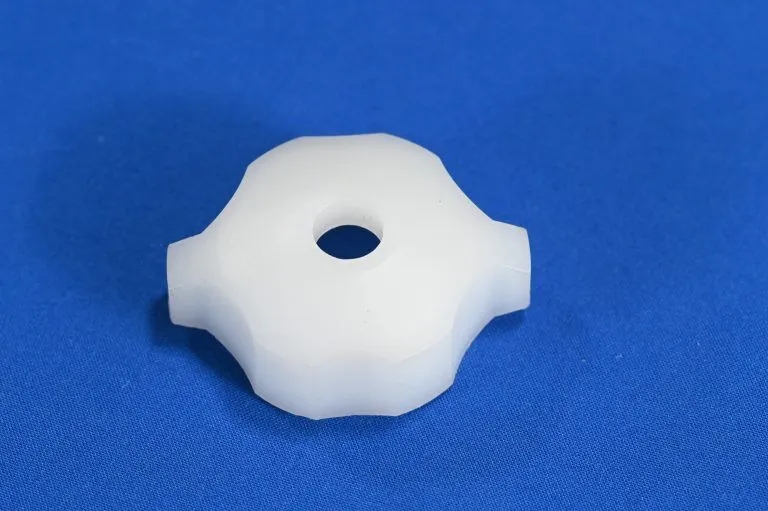
Qixingyuan focuses on PCB horizontal line wet processing equipment spares and parts, including conveyor rollers and wheel discs for PCB transmission systems. Its product range gives buyers a practical source for roller replacement, wet line maintenance, and customized conveyor component selection.
Design Review Before Production Starts
Good conveyor roller quality control begins before machining. The first step is checking where the roller will be used, what liquid it may contact, how fast the line runs, and what kind of board support is needed.
Matching the Roller to the Process Area
A roller used near a cleaning section may need good water resistance and easy drainage. A roller used near an etching or developing section may need stronger chemical resistance. In a transfer or guide rail area, dimensional stability and roller alignment may matter more than surface softness.
A practical design review often checks these points:
| Design Factor | Why It Matters in PCB Lines |
| Roller diameter | Affects board support, line speed, and contact area |
| Roller length | Helps match conveyor width and panel size |
| Shaft fit | Reduces wobble, noise, and uneven rotation |
| Material choice | Affects chemical resistance, wear life, and deformation |
| Surface finish | Influences friction, water carryover, and board contact |
| Hardness | Balances grip, cushioning, and service life |
Reducing Risk Through Custom Conveyor Rollers
Standard spare parts do not always fit older equipment or modified production lines. A slight mismatch in roller width, shaft size, or hardness can create repeated problems. Custom conveyor rollers help buyers match existing equipment, process liquid, board size, and maintenance targets more closely.
At the end of this stage, the goal is clear: build the roller around the real working condition, not around a generic catalog size.
Qixingyuan supports PCB equipment users with roller-related products such as middle rollers, flange rollers, plastic bearings, wheel discs, and other transmission parts. For buyers dealing with old line upgrades or repeated roller failure, this product scope makes technical matching easier.
Material Inspection and Manufacturing Control
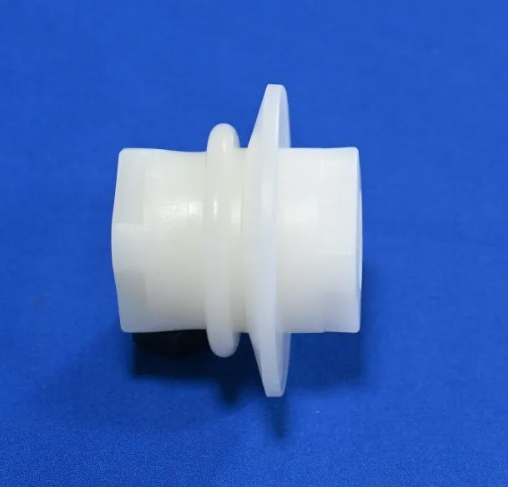
Once the design is set, material selection becomes the next key point. In PCB wet processing, rollers may face moisture, cleaning chemicals, acid or alkaline liquid, heat, friction, and repeated mechanical load. A material that performs well in a dry conveyor may not last in a wet line.
What Material Inspection Should Check
Material inspection is the first barrier against unstable roller quality. A useful check does not stop at appearance. It should include hardness, material batch, surface defects, size consistency, and basic resistance requirements based on the working zone.
For wet process rollers, buyers should pay attention to:
- Whether the material is suitable for chemical exposure
- Whether the roller body keeps shape after long use
- Whether the surface is too hard, too soft, or uneven
- Whether the shaft hole or bearing seat has stable dimensions
- Whether the supplier can explain material selection based on process use
Machining Accuracy and Roller Stability
Precision conveyor rollers need controlled machining. Diameter tolerance, roundness, straightness, end-face flatness, and shaft hole accuracy all affect how the roller behaves after installation. A small concentricity problem can turn into vibration at line speed. A rough edge can collect dirt or mark panels.
Surface finish also matters. A roller that is too rough may increase drag or leave marks. A roller that is too smooth may lose grip in wet transport. In real production, the right surface is not the prettiest one. It is the surface that gives stable board movement without creating new quality risks.
Qixingyuan’s conveyor rollers and wheel discs are positioned for PCB equipment where stable transport, wear resistance, corrosion resistance, and smooth movement are common buyer concerns. This makes material choice and machining control central to its product value.
In-Process Inspection and Functional Testing
Final inspection is important, but it should not be the only quality checkpoint. If a roller problem is found only before shipment, cost has already been added. In-process quality control catches dimensional or surface issues while the part can still be corrected.
Key Inspection Points During Production
For conveyor roller manufacturing, in-process inspection usually covers dimensions, surface condition, fit, roundness, and concentricity. In a PCB line, these checks are not abstract numbers. They connect directly with board movement.
A roller with poor concentricity may cause shaking. A shaft hole with poor fit may create noise. Uneven surface finish can affect board support. Poor straightness may lead to unstable contact across the panel width.
A simple but useful quality control flow may look like this:
| QC Stage | Main Check | Production Risk Reduced |
| Material check | Hardness, batch, surface defects | Early deformation or chemical failure |
| Machining check | Diameter, length, shaft hole | Poor fit and unstable installation |
| Surface check | Burrs, roughness, scratches | Board marks and dirt buildup |
| Rotation test | Smoothness, runout, noise | Vibration and line instability |
| Final check | Quantity, drawing, packaging | Wrong shipment and damage in transit |
Functional Testing Under Realistic Conditions
A roller can pass a size check but still fail in motion. That is why functional testing matters. Rotation should feel smooth. The roller should not wobble. The bearing or shaft connection should not be loose. When pressure is applied, the roller should remain stable.
For buyers, a practical question is simple: will this roller keep the line moving after installation? Good conveyor roller quality control should answer that question before the shipment leaves the factory.
Qixingyuan’s product line covers rollers, wheel discs, plastic bearings, transmission parts, and related components used around PCB transport systems. This lets procurement teams source matched parts for guidance, support, flipping, and transmission areas from one supplier instead of mixing uncertain spare parts from different sources.
Final Inspection, Packaging, and Delivery
A roller may be well made, but it can still arrive damaged if packaging is weak. Export shipments may involve long-distance handling, stacked cartons, humidity, and vibration. For small but precise spare parts, delivery quality is part of product quality.
What Final Quality Control Should Cover
Before shipment, final inspection should confirm that the rollers match the order, drawing, material requirement, and quantity. The inspector should check visible defects, shaft fit, surface condition, labels, and packaging. For customized conveyor rollers, drawing confirmation is especially important.
Good final inspection should ask practical questions:
Does the roller match the agreed size?
Is the surface clean and free from damage?
Are different sizes or materials clearly separated?
Can the buyer identify the parts quickly after arrival?
Is the package strong enough for international transport?
Why Packaging Matters for B2B Buyers
In B2B procurement, a damaged or mixed shipment does more than waste money. It delays maintenance work. It may stop a planned line repair. It may force engineers to reuse worn parts for a few more days. Proper labeling and protective packaging reduce those risks.
From design to delivery, quality control is not one big action. It is a chain of small checks. If one check is skipped, the weakness may appear later on the production line.
Qixingyuan provides communication channels for international buyers and supports technical consultation for custom roller solutions. For factories planning PCB line maintenance, this can shorten the gap between problem description, part matching, and delivery preparation.
How Better Conveyor Roller Quality Lowers Long-Term Cost
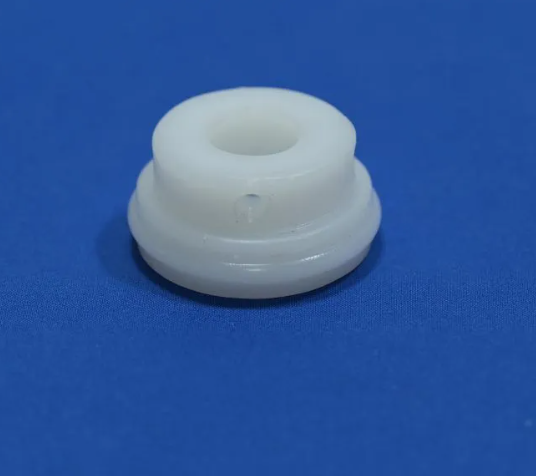
Many buyers compare rollers by unit price. That is understandable, but it is not the full cost. A cheaper roller that needs frequent replacement can become more expensive than a better roller with longer service life.
In PCB production, the real cost may include downtime, engineer labor, scrap risk, emergency freight, repeated troubleshooting, and lower line speed. A roller that lasts longer and runs more steadily can reduce these hidden costs.
Strong conveyor roller quality control helps in four practical ways. It improves batch consistency. It lowers replacement frequency. It reduces random line stoppage. It helps maintenance teams plan service work instead of reacting to sudden failures.
For purchasing teams, the better question is not “Which roller is cheapest?” The better question is “Which roller gives stable movement in this process area for the longest reasonable period?”
Qixingyuan’s product categories cover conveyor rollers and wheel discs, water retaining rollers, air knives, gears, spray and cleaning products, and transmission system parts. This wider PCB wet line parts range supports buyers who want to improve not only one roller position, but the reliability of the whole transport and cleaning section.
About Shenzhen Qixingyuan Machinery Equipment Co., Ltd.
Shenzhen Qixingyuan Machinery Equipment Co., Ltd. is a supplier of PCB horizontal line wet processing equipment spares and parts. The company serves electronics manufacturing lines that need reliable parts for conveying, cleaning, blowing, drying, transmission, measurement, and related wet process operations.
Its main product range includes conveyor rollers and wheel discs, air knives, water retaining rollers, gears, spray and cleaning products, transmission system and bushings, consumables, and measurement and control products. These parts are used in PCB transmission systems, PCB blowing and drying, developing and etching lines, LCD cleaning, and other wet processing applications.
For B2B buyers, Qixingyuan’s value lies in application-based part selection. Instead of treating rollers as simple replacements, the company connects product choice with line condition, material requirement, equipment fit, and maintenance needs. This helps PCB factories choose more suitable spare parts for stable production.
Conclusion
Conveyor roller quality control starts long before a roller reaches a PCB production line. Design review, material inspection, machining accuracy, surface control, concentricity checks, functional testing, final inspection, and export packaging all shape the final result.
For PCB wet processing lines, a reliable conveyor roller helps reduce jamming, misalignment, vibration, roller swelling, and unplanned downtime. It also supports smoother maintenance planning and lower long-term operating cost.
Qixingyuan provides PCB conveyor rollers, wheel discs, and related wet processing equipment spares for factories that need stable conveying performance and practical replacement solutions. For procurement teams seeking a conveyor roller manufacturer or supplier with PCB process knowledge, Qixingyuan offers a focused product range and technical support for custom roller needs.