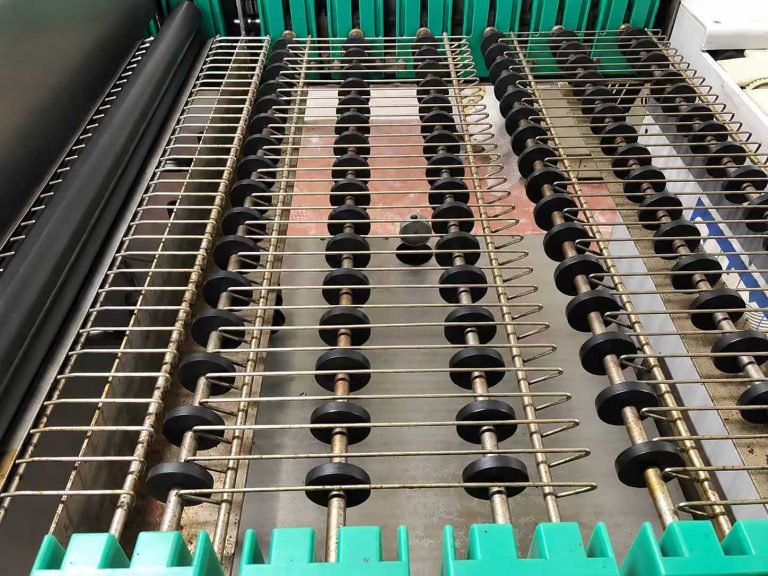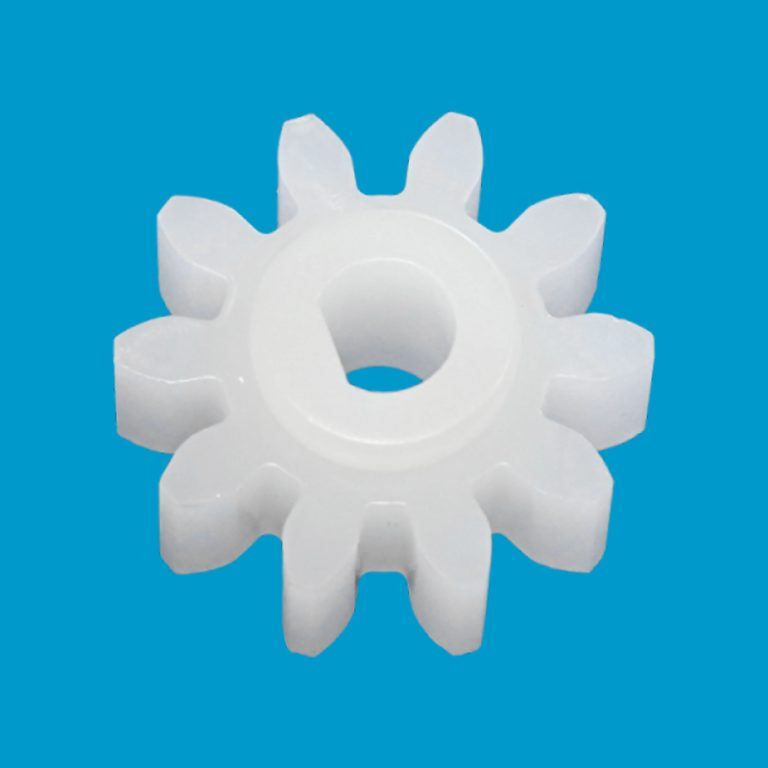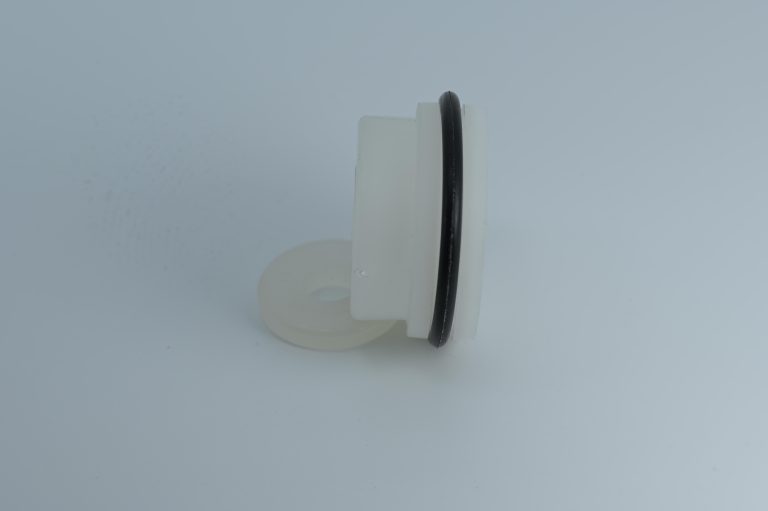
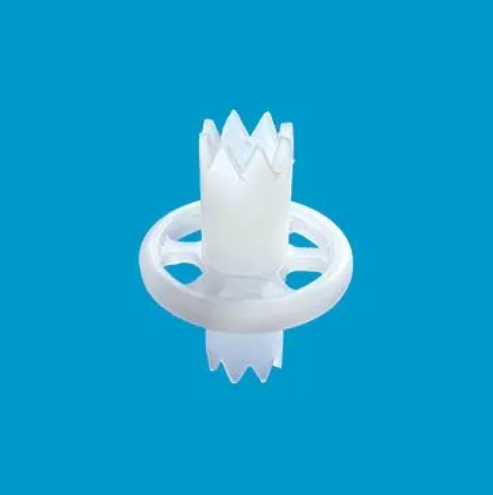
PCB wheel discs look small on a wet processing line, but their hardness can decide whether a board runs smoothly or shifts, slips, scratches, or jams. In PCB conveyor systems, Shore hardness affects grip, pressure, wear, noise, vibration, and the way a wheel contacts the board surface.
For buyers, maintenance engineers, and line managers, the question is not simply “soft or hard?” A wheel disc must match the board type, line speed, chemical area, load, and machine position. A soft wheel may grip well but wear faster. A hard wheel may support the board better but create more noise or surface risk if used in the wrong place.
This guide explains how to select the right Shore hardness for PCB wheel discs in wet processing lines, including etching, developing, cleaning, drying, positioning, and flipping sections.
What Shore Hardness Means for PCB Wheel Discs
Shore hardness is a way to describe how much a material resists indentation. In simple terms, it tells how soft, elastic, firm, or rigid a wheel disc feels under pressure. For PCB conveyor wheel discs, this matters because the wheel is not only rotating. It is also carrying the board, guiding its path, and keeping contact stable during movement.
Shore A and Shore D in PCB Conveyor Wheels
Most rubber, silicone, and PU wheel discs are measured by Shore A hardness. This scale is commonly used for flexible and elastic materials. Hard plastic wheel discs are often measured by Shore D hardness because they are more rigid and resist deformation under load.
A lower Shore A value usually means better cushioning and higher surface grip. A higher Shore A value means the wheel is firmer, less likely to deform, and usually better for longer running cycles. Shore D materials are used when the wheel needs more shape stability, especially in guide, support, or positioning sections.
| Material Type | Common Hardness Scale | Typical Use in PCB Lines |
| Silicone wheel disc | Shore A | Soft contact, low noise, delicate board handling |
| Rubber coated wheel disc | Shore A | Anti-slip transfer, vibration damping |
| PU wheel disc | Shore A | Grip, wear resistance, balanced transport |
| Hard plastic wheel disc | Shore D | Stable support, guiding, positioning |
Qixingyuan supplies PCB conveyor rollers and wheel discs for wet processing equipment, including hard plastic wheel discs, soft and rubberized wheel discs, middle rollers, flange rollers, and related conveyor parts. For plants comparing different wheel hardness options, Qixingyuan can help match the material and structure to actual line conditions rather than relying on a single general-purpose choice.
Why Shore Hardness Matters in PCB Wet Processing Lines
PCB wet lines are not clean, dry, and slow environments. Boards move through water, chemical spray, hot air, pressure rollers, and transfer sections. A wheel disc that works well in a dry test may behave differently after long exposure to process liquid, temperature change, and repeated board contact.
Grip, Pressure, and Surface Protection
If the wheel disc is too hard, the contact area may be small. This can reduce grip and create higher local pressure on the board edge or surface. In thin boards, this may cause tiny marks, unstable feeding, or alignment issues.
If the wheel disc is too soft, it may flatten under load. At first, the board may move quietly and smoothly. After long use, however, the wheel can show uneven wear, wobble, or loss of roundness. In a high-speed PCB conveyor system, that small change may lead to board skewing or jamming.
The right Shore hardness keeps a stable contact area without pressing too aggressively. It also helps reduce vibration from shafts, chains, and transfer gaps.
For Qixingyuan products, this is where material selection and wheel geometry work together. A soft and rubberized wheel disc may be used where anti-slip movement is needed, while a hard plastic wheel disc can be used where stable support and shape control matter more. This product range gives PCB factories more practical choices for different conveyor positions.
How to Match Hardness with Board Type and Line Speed
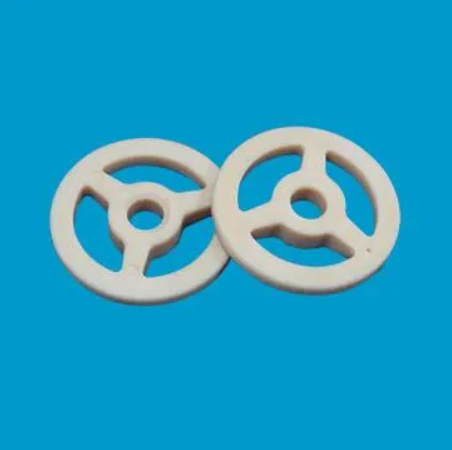
A PCB factory rarely runs only one board type forever. Some lines handle thick rigid boards in the morning and thinner panels later in the day. Some production lines run at moderate speed, while others push speed to reduce cycle time. Wheel hardness should be selected around the real process window, not a perfect lab condition.
Thin Boards, Heavy Boards, and High-Speed Transfer
Thin PCB panels, flexible boards, and fine-line products need softer contact. A medium-soft rubber or silicone wheel disc can reduce point pressure and help protect the surface. It also lowers the risk of sudden slipping when the board enters a wet transfer area.
Heavier or thicker boards need more support. A wheel disc that is too soft may compress too much, causing height variation across the conveyor. In this case, a medium-hard PU wheel disc or hard plastic wheel disc may be more suitable.
Line speed also changes the answer. At higher speed, the wheel must grip quickly when the board arrives. During acceleration or stop-start movement, anti-slip performance becomes more important. Still, going too soft is risky. A very soft wheel can heat up, wear out, or leave contact marks after long use.
A simple field check is useful: if boards slip during acceleration, hardness may be too high or the surface friction may be too low. If wheels deform, shed material, or wear unevenly, hardness may be too low for the load and speed.
Qixingyuan’s conveyor rollers and wheel discs are designed for PCB wet processing equipment where transport stability, board guidance, and repeatable movement are critical. For buyers working with mixed board thicknesses or changing line speeds, Qixingyuan can provide wheel disc options based on shaft size, outer diameter, material, coating style, and use position.
Material Selection for PCB Wheel Disc Hardness
Hardness cannot be separated from material. A 70 Shore A silicone wheel and a 70 Shore A PU wheel may not perform the same way. Their grip, rebound, wear rate, chemical resistance, and aging behavior can be different. That is why PCB wheel disc selection should include both Shore hardness and material type.
Silicone, Rubber, PU, and Hard Plastic Options
Silicone wheel discs are often chosen for soft contact, quiet movement, and gentle handling. They are useful where surface protection matters more than heavy load support.
Rubber coated wheel discs are practical in areas where friction is the key issue. They help reduce slipping when the board surface is wet or when conveyor movement is not fully steady.
PU wheel discs are often used when buyers need a balance between grip and wear resistance. PU can be suitable for lines that need longer service life while still keeping better traction than hard plastic.
Hard plastic wheel discs are used where the wheel needs to keep its shape, guide the board, or support more stable movement. In chemical sections, the plastic material itself must also be selected based on the process environment.
| Line Problem | Possible Hardness Direction | Common Wheel Choice |
| Board slipping in wet transfer | Softer or higher-friction surface | Rubber coated wheel disc |
| Surface marks on thin boards | Softer contact | Silicone or soft rubber wheel disc |
| Wheel flattening under load | Firmer hardness | PU or hard plastic wheel disc |
| Unstable guidance | Higher shape stability | Hard plastic or flange wheel disc |
| High noise and vibration | More elastic contact | Rubberized wheel disc |
Qixingyuan offers multiple PCB equipment accessories, not only wheel discs. Its product range includes conveyor rollers, gears, screws, bushings, spray and cleaning parts, water retaining rollers, and other wet line components. This helps maintenance teams review the whole transport section instead of replacing one part while leaving related wear points unchanged.
Signs That the Wheel Disc Hardness Is Wrong
Wrong Shore hardness often shows up as production trouble before anyone checks the wheel itself. Operators may first notice board skewing, noise, or irregular spacing. Maintenance staff may replace bearings or adjust shafts, but the real reason can be the wheel disc material or hardness.
Common Symptoms on the Production Floor
Several signs point to a poor hardness match:
- Boards slip when entering wet transfer sections
- Thin panels show light marks or edge pressure
- Wheel discs wear unevenly across the surface
- Conveyor movement becomes louder after a short running time
- Boards drift to one side during positioning
- Flipping or transfer sections become unstable
- Wheel surfaces swell, crack, or lose friction after chemical exposure
For example, in a developing line, a wheel disc with poor chemical resistance may still look acceptable during installation. After several weeks, the surface may harden, glaze, or swell slightly. The board then starts to move less smoothly. The issue looks like a line adjustment problem, but the root cause may be the wrong material and hardness for that zone.
A good inspection routine checks wheel diameter, surface wear, hardness change, shaft fit, and board contact marks. Replacing only one wheel in a worn set can also create height differences, so matched replacement is often safer.
Qixingyuan’s PCB conveyor wheel discs are relevant for factories dealing with conveyor guidance instability, stuck equipment, board jamming, or uneven transport. The company’s related rollers, wheel discs, bearings, shafts, and transmission parts allow buyers to source matching components for a more stable wet processing line.
How to Select Shore Hardness by Application Area
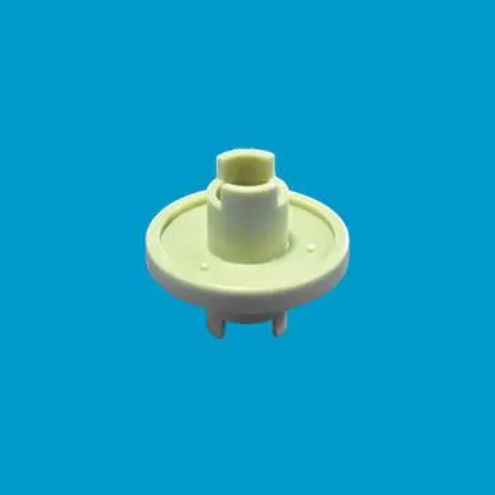
Different sections of a PCB wet processing line need different wheel behavior. A single wheel hardness across the entire line may reduce purchasing complexity, but it may not give the best long-term result.
Etching and Developing Sections
Etching and developing areas require steady movement and chemical-resistant materials. Board speed must stay consistent because unstable transport can affect process uniformity. In these sections, wheel discs need good shape control, chemical resistance, and enough grip to prevent slipping under wet conditions.
Cleaning and Drying Sections
Cleaning sections may carry water film and residues. This raises the risk of slipping. A slightly softer or rubberized wheel surface can help keep stable movement. In drying sections, temperature and airflow may affect material aging, so heat resistance and hardness retention should be checked.
Flipping and Positioning Sections
Flipping sections place extra stress on wheel discs. The wheel must grip, support, and release the board at the right moment. Too hard, and the board may slip. Too soft, and the wheel may deform during repeated movement. Positioning areas need stable diameter and good roundness, so material consistency is just as important as hardness.
Thin Board and Fine-Line PCB Handling
Thin boards need gentle support. In these cases, a softer Shore A wheel may reduce surface risk. Yet the wheel must still hold its shape under continuous use. For fine-line boards, a small scratch or pressure mark can become a quality issue, so contact area and wheel surface finish should be reviewed together.
Qixingyuan can support custom PCB wheel discs for different wet line areas, including transport, guiding, flipping, and positioning. When buyers provide board thickness, process area, speed, shaft size, and working environment, the recommended product can be matched more closely to the actual machine condition.
Ordering Checklist for Custom PCB Wheel Discs
Before asking for a quotation, buyers should collect more than the old wheel diameter. Shore hardness is only one part of the specification. A clear request helps suppliers recommend the right wheel disc faster and reduces back-and-forth communication.
Key Details to Provide Before Purchase
Useful purchase information includes:
- Outer diameter and inner bore size
- Wheel width and shaft structure
- Existing material or coating type
- Required Shore A or Shore D hardness
- Board thickness and board weight range
- Conveyor line speed
- Wet process section, such as etching, developing, cleaning, or drying
- Chemical exposure and temperature range
- Main problem, such as slipping, wear, noise, or scratches
- Drawing, sample photo, or old part dimensions
- Order quantity and expected replacement cycle
Buyers should also explain whether the wheel is used for direct board contact, side guidance, flipping, or general support. These roles require different hardness logic.
Qixingyuan works with PCB equipment users who need replacement parts, customized conveyor rollers, hard plastic wheel discs, soft and rubberized wheel discs, and related transmission components. For B2B buyers, a clear technical request can help Qixingyuan provide a more suitable material and hardness recommendation for long-term wet line operation.
About Shenzhen Qixingyuan Machinery Equipment Co., Ltd.
Shenzhen Qixingyuan Machinery Equipment Co., Ltd. is a PCB horizontal line wet processing equipment spares and parts supplier serving electronics manufacturing lines that require stable conveyor movement, reliable cleaning parts, and durable transmission components. The company focuses on practical spare parts used in PCB and related wet processing equipment, including conveyor rollers and wheel discs, air knives, water retaining rollers, gears, screws, spray and cleaning parts, bushings, transmission parts, consumables, and measurement components.
For wheel disc selection, Qixingyuan’s value lies in matching the product to actual use conditions. PCB factories may need hard plastic wheel discs for support, soft and rubberized wheel discs for grip, or custom conveyor parts for specific shaft and machine layouts. With experience in PCB wet processing equipment components, Qixingyuan can support procurement teams, maintenance engineers, and production managers looking for stable replacement parts and custom solutions.
Conclusion
Selecting the right Shore hardness for PCB wheel discs is a practical engineering decision. It affects board grip, transport stability, wear rate, noise, surface protection, and long-term maintenance cost. A soft wheel may help with anti-slip movement and delicate board handling. A harder wheel may give better support and shape stability. The best choice depends on board thickness, load, line speed, chemical exposure, and the exact conveyor position.
For PCB wet processing lines, hardness should never be selected alone. Material, wheel geometry, surface finish, shaft fit, and process environment all matter. A well-matched PCB wheel disc can reduce slipping, board skewing, jamming, scratches, and unplanned replacement.
Qixingyuan provides PCB conveyor rollers and wheel discs for factories that need stable, practical, and application-matched spare parts. For buyers planning replacement or custom wheel disc procurement, sharing line conditions and failure symptoms can lead to a more accurate recommendation.