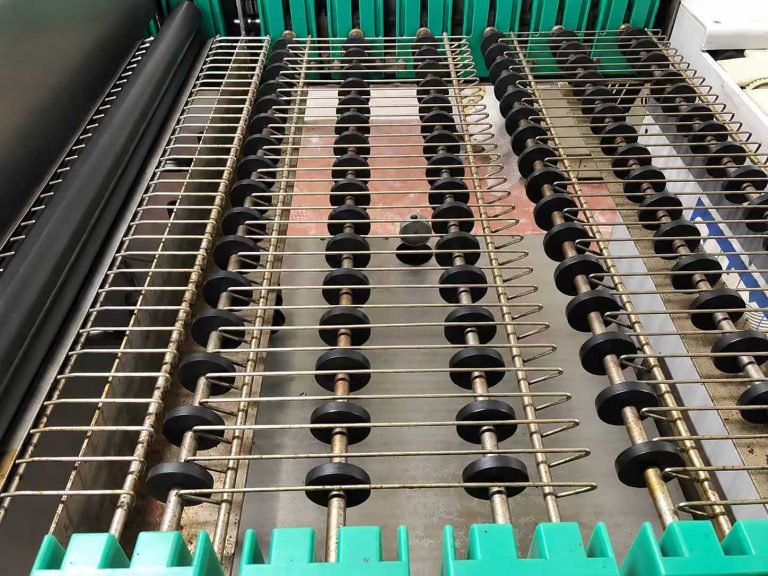
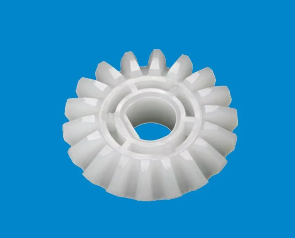
In a PCB wet process line, a small conveyor gear can decide whether boards move smoothly or drift, shake, or stop. The right gear teeth count for PCB conveyor transmission is not chosen by sight alone. It must match speed, torque, shaft distance, gear module, material, and the real machine position. This guide helps buyers check tooth count before ordering.
Why Gear Teeth Count Matters in PCB Conveyor Transmission
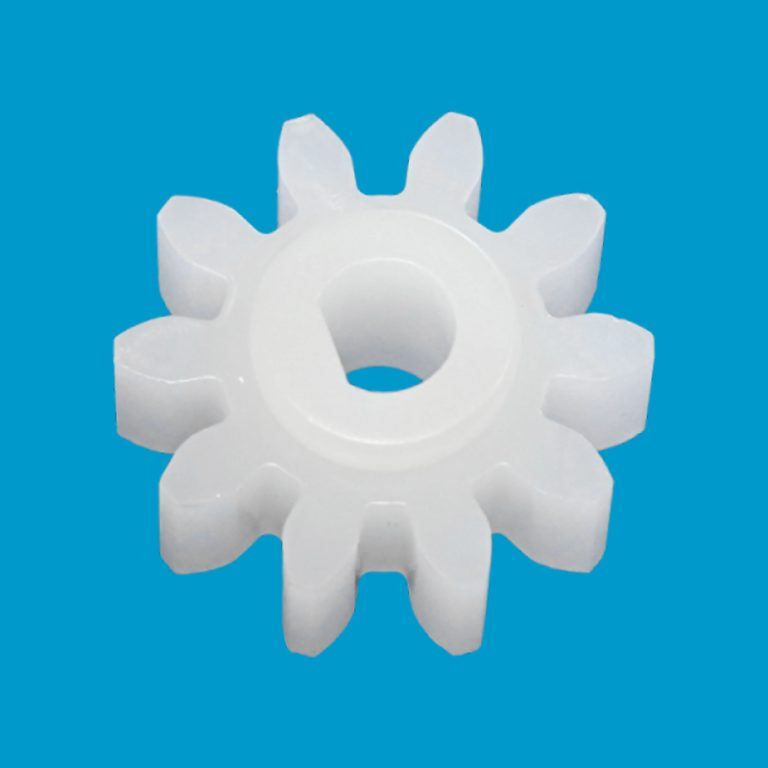
Gear teeth count means the total number of teeth around the gear. In PCB conveyor transmission, it affects shaft speed, torque transfer, and roller synchronization. If one gear is replaced with a different tooth count, board speed can change enough to create spacing errors, unstable contact time, or poor transfer.
Do not measure only the outer diameter. Two gears can look close in size yet have different modules, tooth profiles, and tooth numbers. A wrong tooth count can also cause poor mesh, clicking noise, plastic dust, and repeated wear.
Qixingyuan supplies gears and screws for PCB horizontal line wet processing equipment, including spur gears, helical gears, bevel gears, pin gears, double gears, conveyor rollers, wheel discs, bushings, shafts, and transmission parts. For PCB conveyor gear replacement, its team can review photos, drawings, or worn samples to help confirm tooth count, module, bore, and material.
Start With the Existing Gear, Not a Guess
Before changing the gear teeth count, check what the original conveyor design required. In many PCB wet process machines, tooth number was selected together with motor speed, roller diameter, center distance, shaft layout, and the matching gear. Changing one gear without checking the system can create a new speed ratio and move the problem elsewhere.
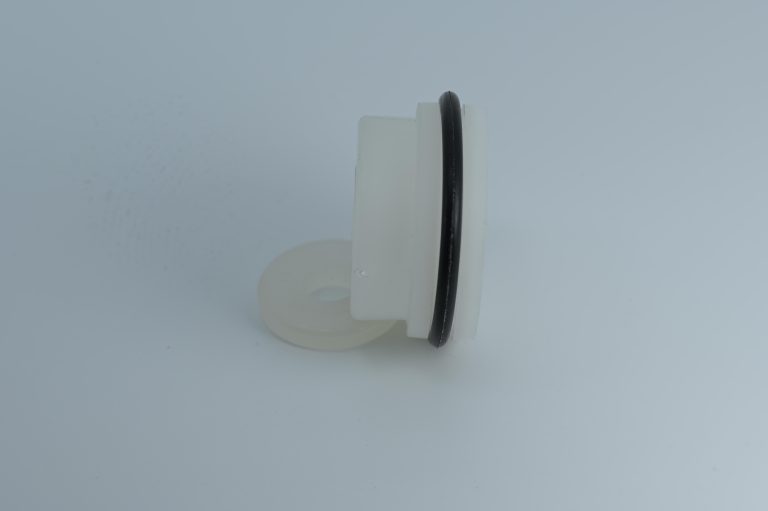
Clean the old gear, count the teeth under good light, and mark the first tooth with a pen. If the gear is damaged, compare it with the mating gear or machine drawing. Then measure the key dimensions. A small mistake in bore diameter or gear thickness can be as damaging as a wrong tooth count.
Replacement data to record
| Item to check | Why it matters for replacement |
| Number of teeth | Sets the ratio with the mating gear |
| Gear module | Controls tooth size and meshing |
| Bore diameter | Decides shaft fit and runout |
| Gear thickness | Affects alignment and contact width |
| Material | Must handle load, water, mist, and chemicals |
| Shaft hole or keyway | Prevents slipping during operation |
Qixingyuan supports custom PCB conveyor gears by drawing or sample, useful when the original supplier is unavailable or the gear is too worn to identify. A gear photo, machine position, and measurements can shorten quotation time and reduce replacement risk.
Use Gear Ratio to Check Speed and Torque
 The gear ratio calculation is:
Gear ratio = teeth count of driven gear ÷ teeth count of driving gear
If the driven gear has more teeth than the driving gear, the output shaft normally turns slower and gains more torque. If the driven gear has fewer teeth, the output shaft runs faster but may have less torque. In PCB conveyor transmission, this matters because board movement is tied to process time. A faster roller can shorten wet contact time. A slower roller can break line balance.
For example, a driving gear with 12 teeth turning a driven gear with 24 teeth gives a 2:1 ratio. The driven shaft turns half-speed. For thin panels, that steadier motion may help. In a transfer area, it may be too slow.
What happens when the ratio is wrong?
- Boards move too fast through spray or rinse areas.
- Roller synchronization becomes unstable.
- Gear teeth show edge wear after short use.
- The conveyor makes noise at one drive section.
- Panels skew between two roller groups.
Qixingyuan’s PCB conveyor and transmission parts are made for wet line service, where gear ratio, shaft fit, rollers, bushings, and wheel discs work as one system. A gear inquiry can also include nearby shaft holders or bushings when the same area shows repeated wear.
Match Tooth Count With Gear Type and Material
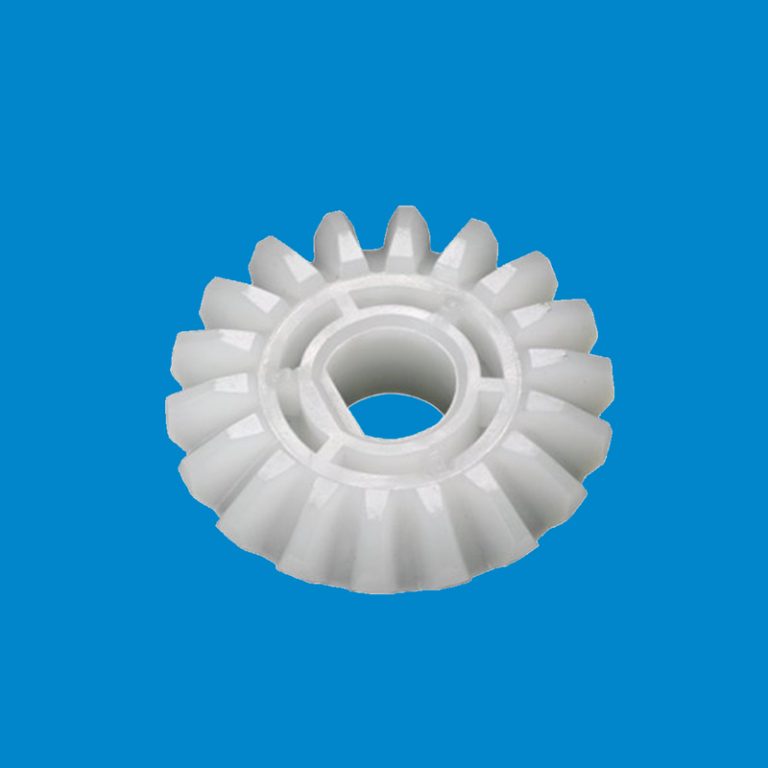
Tooth count cannot be separated from gear type. A spur gear is often used for parallel shaft transmission and simple replacement. A helical gear can give smoother engagement and lower running noise because the teeth contact gradually. Bevel gears are used when the drive direction changes. Pin gears and double gears may appear in compact or special transmission layouts. Same tooth number does not mean same gear.
Material also changes performance. PCB wet process lines may expose parts to water, acid mist, alkaline residues, heat, and long running hours. Plastic gears are common because they are light, quiet, and corrosion resistant in many wet areas. However, the material must match the load and chemistry.
Common material choices
| Material | Typical reason for use | Buyer note |
| PP | Wet areas with moderate load and cost control | Check heat and load limits |
| PVDF | Stronger chemical exposure or demanding wet zones | Useful when chemical resistance is the priority |
| POM | Smooth movement and low friction in suitable areas | Check chemical contact before use |
| Stainless or titanium | Special strength or corrosion needs | Best for specific heavy-duty positions |
Qixingyuan provides PCB transmission gears in material options for wet processing equipment. Buyers can share the working section, chemical exposure, operating temperature, and running hours, so the gear teeth count and material choice are checked together.
Practical Selection Checklist for Buyers
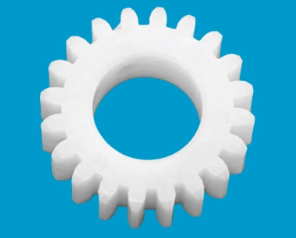 A good gear inquiry should help the supplier confirm the part without several rounds of emails. A front-view photo is useful, but it does not show the bore, thickness, keyway, or tooth form. For custom PCB conveyor gears, the better package is a drawing, one used sample, one installed photo, and a note about the working position.
Before ordering, ask three questions. Is this a direct replacement or design change? Does the current gear fail because of wrong material, poor alignment, or wrong tooth count? Are nearby rollers, bushings, shafts, or wheel discs also worn? If the same position breaks gears again and again, the gear may only be the visible symptom.
Information to send for quotation
- Gear type and teeth count
- Module, outer diameter, bore, and thickness
- Shaft hole shape, keyway, screw hole, or fixing method
- Material request or chemical working environment
- Machine section, such as developing, etching, rinsing, cleaning, or drying
- Photos of the old gear, mating gear, and installed position
- Drawing or physical sample when available
Qixingyuan works with B2B customers who need repeatable parts supply for PCB wet process equipment. For gears, rollers, screws, bushings, and related conveyor transmission parts, clear selection data helps its team quote faster, check compatibility, and support repeat orders with fewer disputes.
Shenzhen Qixingyuan Machinery Equipment Co., Ltd.
Shenzhen Qixingyuan Machinery Equipment Co., Ltd. supplies PCB horizontal line wet processing equipment spares and parts. The company focuses on components used in developing, etching, stripping, cleaning, rinsing, conveying, blowing, and drying sections. Its range covers gears and screws, conveyor rollers and wheel discs, air knives, water retaining rollers, spray and cleaning parts, transmission systems, bushings, shafts, consumables, and measurement-related components.
For overseas PCB factories, equipment builders, and maintenance service providers, the value is practical. Many wet line spare parts are not standard catalog items. They may need to match an older machine, non-standard shaft, or harsh chemical area. Qixingyuan can work from drawings, samples, installed photos, and application notes to support replacement selection and custom manufacturing.
Conclusion
Selecting the right gear teeth count for PCB conveyor transmission is a system decision. Tooth count affects gear ratio, speed, roller synchronization, and wear, but it only works when module, bore, thickness, material, shaft alignment, and the mating gear are also correct. For direct replacement, copy the original specification as closely as possible. For repeated wear or unstable board movement, review the full conveyor transmission area before changing the gear.
Qixingyuan supports buyers with PCB conveyor gear replacement, custom spare parts by drawing or sample, and related transmission components. A clear inquiry with measurements and photos gives both sides a faster path to reliable parts.