A PCB wet process filter replacement should be driven by evidence, not a date circled on a maintenance calendar. A cartridge may load quickly after a tank cleanout, yet run much longer during a stable production period. The practical question is whether the cartridge caused the change and which replacement details will restore the original duty.
Read the Circulation Loop before Opening the Housing
A weak spray or slow tank turnover often points toward the filter, but the cartridge is only one restriction in the loop. Follow the liquid path through the suction side, pump, housing, valves, pipework, spray headers, and return before removing it.
Separate a Loaded Element from a Restricted Pipe
Compare inlet and outlet pressure at a steady operating condition. Check pump sound, valve position, visible leaks, return flow, and whether all spray zones weakened together. A loaded cartridge normally creates a growing restriction across the housing, while a local blockage may affect only one branch. If gauges are unreliable, use a repeatable proxy such as tank turnover time at the same pump setting.
Do not open a chemical housing until the plant’s isolation, drainage, ventilation, and protective-equipment rules have been followed. Process liquid, trapped pressure, and hot surfaces can make an ordinary cartridge change hazardous.
Capture the Starting Readings after Every Changeout
The clean baseline is more useful than a generic pressure limit. Record inlet pressure, outlet pressure, pump setting, liquid temperature, active product load, and a simple flow observation immediately after restart. Use the same operating condition each time. A higher clean reading after a change may point to the wrong micron rating, an incompatible seal, incorrect installation, trapped air, or a housing problem rather than normal loading.
Qixingyuan supplies PCB process equipment filter products and replacement cartridges for horizontal wet lines. Buyers can use housing photos, cartridge dimensions, end details, and operating records to match the replacement to the installed position.
Use Three Readings for the Changeout Decision
No single number tells the whole story. Combine restriction across the filter, liquid delivered to the process, and evidence from the board or equipment. Set plant-specific alert and stop points from the clean baseline, housing limits, and process requirements.
Combine Gauge Trend, Return Flow, and Process Evidence
The following table turns routine observations into a consistent review. It is a decision aid, not a universal threshold.
| Evidence | What to Compare | Purchasing or Maintenance Meaning |
|---|---|---|
| Pressure difference | Clean baseline versus the same pump setting today | A rising restriction supports a loaded-cartridge diagnosis |
| Return or spray flow | Stable reference point versus current delivery | Falling flow shows that the process is losing usable circulation |
| Process condition | Nozzle blockage, residue, particles, or unstable rinsing | Downstream evidence shows whether filtration duty is being met |
| Cartridge condition | Surface loading, collapse, bypass marks, seal position | Physical evidence separates normal loading from installation damage |
Replace the cartridge when the approved changeout rule is reached or process control cannot be maintained. A sudden rise after maintenance calls for an installation check. Low pressure with downstream particles may indicate bypass, a damaged element, the wrong seal, or an overly open micron rating.
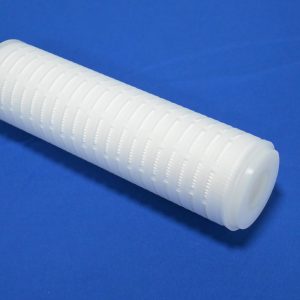
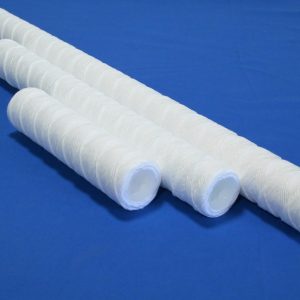
Qixingyuan can help purchasers compare PP pleated filter cartridge, string-wound, and polypropylene filter cartridge options against the observed particle load, required dimensions, and changeout pattern. Final selection still depends on the customer’s liquid and operating evidence.
Control the Swap and the First Restart
The change should leave a traceable result. Prepare the cartridge, seals, disposal container, tools, and log sheet before shutdown. Mark the housing position when several stations use similar-looking elements.
Prevent Bypass, Trapped Air, and Reversed Flow
After isolation and drainage under the site’s safety procedure, examine the removed cartridge before it is discarded. Note where solids collected, whether the element deformed, and whether the seals sat evenly. Clean the housing using the approved method, inspect sealing surfaces, confirm flow direction, and install the replacement without forcing the end connection.
During restart, bring circulation back gradually under the equipment procedure. Watch for leaks, unstable gauge movement, abnormal pump noise, weak return flow, or air that remains trapped in the housing. Once conditions settle, capture the new baseline and compare it with the previous clean record.
Before releasing the line, confirm:
- The correct housing position and cartridge type are recorded.
- Seals and end connections are seated without visible bypass paths.
- Inlet and outlet readings are stable at the reference pump setting.
- Return flow and spray behavior match the accepted baseline.
- The removed element is labeled for any required failure review.
Qixingyuan supports filter cartridge replacement matching from a drawing, sample, installed-part photo, or dimensional record. This is useful when old elements have unclear labels or when several wet-line stations use different end arrangements.
Convert Service Logs into Stock Levels
Replacement history should guide purchasing. Track time between changes and events that alter particle load: tank cleaning, process upset, new chemistry, pipework work, or heavy production. Keep critical housings covered by local stock and leave time for receiving inspection before the last approved element is installed.
An RFQ should state cartridge construction, length, outside and inside dimensions, end configuration, seal material if known, target micron rating, working liquid description, temperature range, normal flow, clean pressure readings, quantity, and photos of the housing and removed part. Mark unknown fields instead of guessing. The supplier can then identify what must be confirmed by sample or trial.
Qixingyuan provides filter-series parts for PCB cleaning, developing, etching, stripping, and rinsing circulation positions. Its team can review the installed part and purchasing record before a repeat order is released.
About Shenzhen Qixingyuan Equipment Parts Co.
Shenzhen Qixingyuan Equipment Parts Co. is a supplier of spares and parts for PCB horizontal wet processing equipment. Its product scope includes filtration parts, spray components, rollers, wheel discs, gears, screws, transmission parts, measurement and control products, and air knives for developing, etching, stripping, cleaning, rinsing, and drying sections. For replacement work, buyers can provide a drawing, physical sample, installed-part photo, or measured dimensions when the original reference is unavailable. Qixingyuan’s filter range includes cartridge formats used in PCB liquid circulation, with specification review based on the installed housing, end connection, process position, and operating environment. The company can support sample matching and repeat supply after the customer approves the relevant dimensions and trial result. This approach gives equipment builders, maintenance teams, and procurement staff a clearer route from an uncertain old part to a controlled purchasing record.
For a PCB wet process filter replacement inquiry, Qixingyuan can review cartridge photos, measurements, liquid duty, and observed service history before confirming the quotation scope.
Conclusion
PCB wet process filter replacement works best as a measured maintenance decision. Trace the whole loop, establish a clean baseline, combine pressure, flow, and process evidence, and treat restart data as part of the change. The same record also improves spare planning and future RFQs because the next buyer can see why the element was changed and what the accepted replacement delivered.
Qixingyuan supplies filter cartridges and related PCB wet-line parts, with support for dimensional matching, sample confirmation, and repeat purchasing after the customer’s operating check.
FAQs
Which Readings Belong in a Cartridge Changeout Log?
Record the housing position, date, cartridge description, inlet and outlet pressure, pump setting, liquid temperature, operating hours or production days, visible particle load, return-flow observation, and reason for change. After restart, capture the same readings as the new clean baseline. Add the removed element’s condition and any seal or housing issue. This lets maintenance compare like with like and gives procurement evidence for the next PCB wet process filter replacement.
Can a Loaded Cartridge Return to Service?
Reuse depends on cartridge construction, process chemistry, contamination risk, and the plant’s approved procedure. Some elements are intended for replacement rather than cleaning. Washing can also move particles deeper, damage media, or leave uncertain retention performance. Do not return a cartridge to a PCB chemical loop merely because it looks cleaner. Confirm the manufacturer’s handling limits, inspect the element, and validate pressure and process behavior before any approved reuse.
How Can Confidential Chemistry Be Described without Sharing a Formula?
Provide the liquid family, whether it is acidic, alkaline, oxidizing, solvent-containing, or water-based, plus the working temperature, concentration range if permitted, solids type, and known compatibility concerns. A safety-data reference may be handled under the buyer’s normal confidentiality process. If composition cannot be disclosed, request a material-compatibility review using a coded sample and state that final approval remains with the equipment owner.
What Proves That Circulation Has Stabilized after the First Changeout?
Use the same pump setting and operating condition as the accepted baseline. Confirm stable inlet and outlet readings, steady return flow, even spray behavior, no housing leakage, no abnormal pump sound, and no immediate pressure climb. Then inspect the first processed boards or the line’s approved quality indicator. Keep the result with the cartridge lot and housing position so a repeat order can be compared with the same release evidence.
Qixingyuan can support FAQ-stage purchasing questions with filter cartridge identification, dimensional review, sample matching, and product information for PCB wet-process circulation equipment.