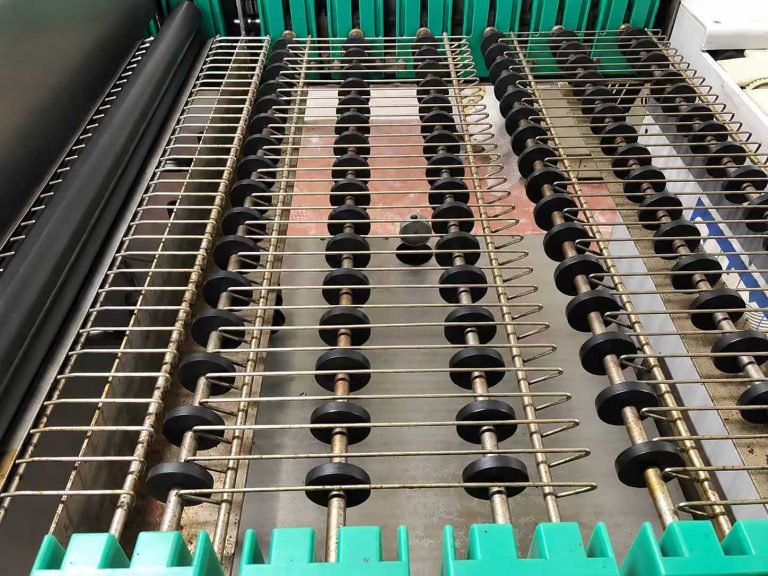
Uneven PCB etching is often blamed on chemistry, spray nozzles, or conveyor speed. Those checks are necessary. Yet in many horizontal wet process lines, the real trigger sits closer to the board: roller pressure, roller alignment, worn wheel discs, or unstable conveyor support.
When a PCB does not travel flat and straight through the etching chamber, even a well-set chemical process can produce weak results. One side may show copper residue. Another side may look over-etched. Fine traces may lose width consistency. For process engineers and maintenance teams, this is not just a quality issue. It can mean higher scrap, more line stops, and slower delivery.
What Uneven PCB Etching Looks Like on the Line
Uneven etching usually appears as inconsistent copper removal across the board surface. Operators may see clean edges but a weak center area, or one side of the panel may etch faster than the other. In fine-line production, even small changes in copper removal can affect trace shape and final circuit quality.
Common signs include:
- Copper residue in repeated board areas
- Local over-etching near edges or corners
- Different results between left and right sides
- Thin panels drifting during transport
- Defects repeating after the same conveyor section
These patterns matter. Random defects often point to chemistry fluctuation or nozzle blockage. Repeated defects linked to board position often point to mechanical transport. If a panel shifts 0.2–0.5 mm while passing through a spray zone, the etchant contact can change enough to create visible differences.
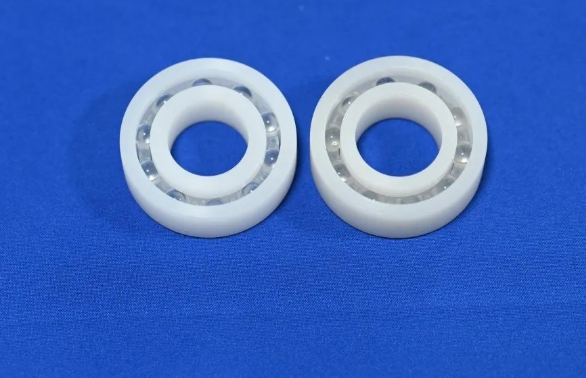
For plants reviewing this kind of defect, Qixingyuan supplies conveyor rollers, wheel discs, middle rollers, flange rollers, and plastic bearings for PCB wet process equipment. These parts are designed to support stable board movement, reduce transport deviation, and help maintenance teams address mechanical causes behind uneven PCB etching.
Why Roller Pressure Can Change Etching Results
Roller pressure sounds like a simple setting, but it affects how the PCB meets the chemical process. Too much pressure can bend thin panels or increase drag. Too little pressure can let boards float, bounce, or skew. Uneven pressure from left to right creates a different problem: the board may track toward one side of the line.
Too Much Pressure
High roller pressure can make thin boards flex between contact points. The board may still move forward, but it does not stay perfectly flat. In a spray etching chamber, that small change can alter liquid flow, dwell contact, and surface drainage.
Too Little Pressure
Low pressure gives the panel more freedom to move. In real production, this often appears as slight side drift, unstable entry into the chamber, or a short vibration when the board crosses a roller gap.
Uneven Pressure Across the Width
This is the most common hidden issue. One side of the conveyor grips harder than the other. The PCB keeps moving, but not in a straight line. The result may look like a spray issue, while the cause is actually transport force.
| Roller pressure condition | Likely board behavior | Possible etching result |
| Too high | Flexing, drag, local stress | Edge over-etching or surface marks |
| Too low | Floating, bouncing, slipping | Patchy copper removal |
| Left-right imbalance | Board drift or skew | Uneven side-to-side etching |
| Pressure changes over time | Unstable tracking | Defects that come and go |
Qixingyuan’s conveyor rollers and related wheel disc components are used in PCB horizontal wet processing lines where stable contact and smooth movement are required. For buyers facing repeated etching defects, replacing worn or mismatched rollers can be a practical first step before changing more costly process settings.
How Roller Alignment Affects Etching Uniformity
Roller alignment decides whether the PCB moves straight through each chamber. In a horizontal etching line, the board passes through many contact points. If one roller is slightly tilted, worn, or set at the wrong height, the error may grow as the board moves forward.
A misaligned roller can create three problems at once: side force, vibration, and uneven support. Side force causes the board to drift. Vibration changes the distance between the board and the spray pattern. Uneven support allows thin panels to sag or lift.
Check Parallelism First
Rollers should sit parallel to each other and square to the conveyor direction. A small angle error may not stop production, but it can slowly push panels toward one side.
Watch the Board, Not Only the Roller
A roller may look acceptable when the line is stopped. The better test is live observation. Run a test panel and watch whether the leading edge stays square as it enters and exits the etching section.
Do Not Ignore Bearings
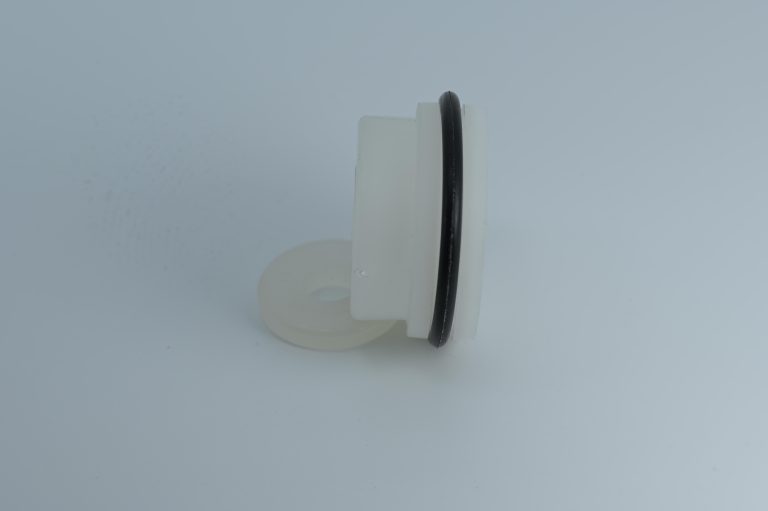
Plastic bearings, shaft holders, and bushings affect alignment over time. When bearings wear, the roller may rotate unevenly or move under load. That movement can be enough to disturb transport stability.
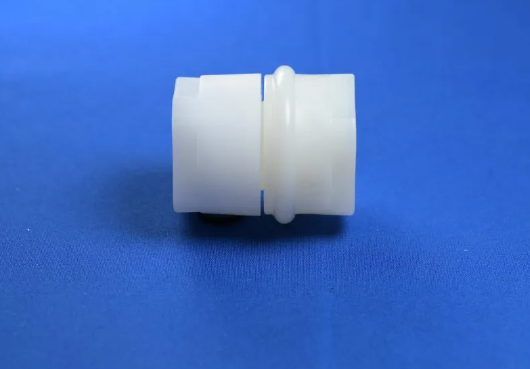
Qixingyuan provides middle rollers, flange rollers, plastic bearings, conveyor shafts, bushings, and related transmission parts for PCB equipment. These parts help maintenance teams rebuild worn conveyor sections and restore the straight, steady movement needed for better etching uniformity.
Other Process Factors Still Need to Be Checked
Rollers are important, but they are not the only cause of uneven etching. A good troubleshooting process should separate mechanical problems from chemical and spray problems. This avoids replacing parts blindly.
Spray Pressure and Nozzle Condition
Blocked or worn nozzles can create uneven spray coverage. If defects appear as fixed spray shadows or streaks across many panels, check nozzle pipes, joints, pressure gauges, and spray balance.
Etchant Strength and Temperature
If the whole panel is under-etched or over-etched, chemistry may be the main issue. Check etchant concentration, temperature, copper load, and flow condition before adjusting mechanical parts.
Conveyor Speed and Dwell Time
A small speed change can affect dwell time. If speed is unstable because of gear wear, shaft drag, or roller resistance, the issue becomes both mechanical and process-related.
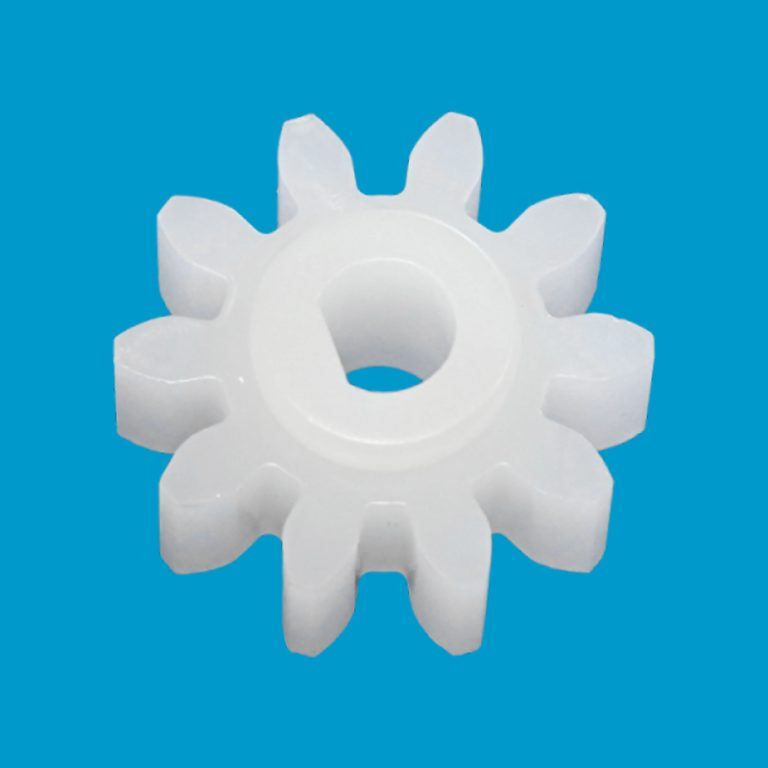
For a complete check, Qixingyuan’s product range also includes spray and cleaning parts, nozzles, nozzle pipes, brush rollers, sponge rollers, pressure gauges, flow meters, gears, screws, and transmission system parts. This makes it easier for procurement teams to source matching wet process spare parts from one supplier instead of mixing parts from several channels.
A Practical Checklist for Troubleshooting Uneven Etching
A clear checklist saves time. It also helps the process team and maintenance team speak the same language. Before changing multiple parameters, record the defect position, board movement, and machine condition.
Step 1: Map the Defect
Mark whether the issue appears on the left side, right side, center, leading edge, or trailing edge. If possible, compare three to five panels from the same lot.
Step 2: Observe Board Tracking
Look for side drift, bounce, skew, or sudden speed change. A panel that does not move straight through the chamber can receive uneven chemical contact.
Step 3: Measure Roller Gap and Pressure
Check whether the roller gap matches the board thickness. Thin panels need stable support without excess force. Thick panels need enough clearance to avoid drag.
Step 4: Inspect Roller Surface
Look for swelling, cracks, hard spots, chemical residue, or uneven wear. A roller that has lost its original shape may still rotate but no longer support the board correctly.
Step 5: Check Alignment and Bearings
Check roller parallelism, shaft straightness, bearing wear, and wheel disc condition. Replace parts that show play, eccentric rotation, or uneven contact.
Step 6: Confirm Spray and Chemical Settings
After mechanical checks, review nozzles, pressure, etchant condition, temperature, and conveyor speed. Run a controlled test panel after each major adjustment.
Qixingyuan can support this maintenance workflow with conveyor rollers and wheel discs, plastic bearings, spray and cleaning parts, water retaining rollers, and transmission components. For buyers, sharing board thickness, line speed, chemical environment, roller dimensions, and current defect photos helps the team recommend more suitable replacement parts.
When Replacement Is Better Than Adjustment
Adjustment can solve setup errors. It cannot fix a roller that has changed shape, lost surface quality, or no longer turns true. Many factories spend hours adjusting pressure when the real issue is worn hardware.
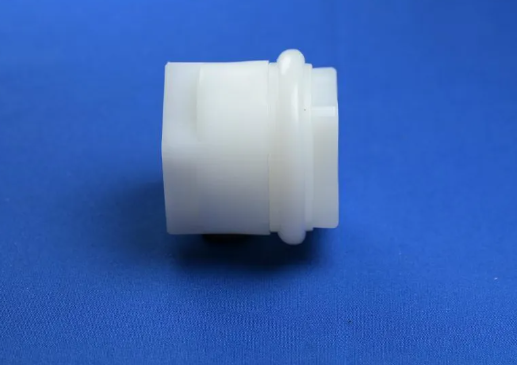
Replacement is usually the better choice when rollers show swelling, cracking, surface hardening, deep grooves, unstable rotation, or repeated chemical buildup. It is also worth replacing plastic bearings if the roller has side play or noise during operation.
A useful rule is simple: if the same defect remains after cleaning, pressure setting, and alignment correction, inspect the part itself. A low-cost roller or bearing can become expensive when it causes scrap, rework, and unplanned downtime.
Qixingyuan focuses on durable wet process spare parts for PCB production lines, including rollers, wheel discs, plastic bearings, gears, bushings, air knives, and cleaning components. For factories buying replacement parts, consistent material selection and dimensional matching can reduce trial-and-error during maintenance.
Shenzhen Qixingyuan Machinery Equipment Co., Ltd.
Shenzhen Qixingyuan Machinery Equipment Co., Ltd. is a supplier of spares and parts for PCB horizontal line wet processing equipment. The company serves production lines that involve developing, etching, cleaning, drying, conveying, and related wet process stages. Its product range covers conveyor rollers and wheel discs, water retaining rollers, air knives, spray and cleaning products, gears and screws, transmission system parts, bushings, consumables, and measurement and control products.
For PCB factories, the main value is not only replacing a single worn part. It is getting parts that match the real working environment: chemical exposure, line speed, board thickness, temperature, pressure, and maintenance habits. Qixingyuan supports custom roller solutions and technical consultation for customers who need stable conveying, cleaner transfer between process sections, and fewer defects linked to roller wear or poor alignment.
Conclusion
Uneven PCB etching is not always a chemistry problem. In a horizontal wet process line, the board must move flat, straight, and steadily before spray pressure and etchant flow can do their job. Roller pressure, roller alignment, wheel disc wear, bearing condition, and conveyor stability all affect etching uniformity.
The best troubleshooting path is practical: map the defect, watch the board move, check pressure and alignment, inspect worn parts, then confirm spray and chemical settings. For B2B buyers and maintenance teams, high-quality conveyor rollers and matching spare parts are not small accessories. They are part of process control.