In a PCB wet processing line, a conveyor roller is rarely the largest part in the machine. It is also rarely the most expensive part on the purchase list. Yet once a roller begins to swell, wear, wobble, or lose surface stability, the whole conveying system can become harder to control.
For production managers, this does not only mean replacing a worn part. It can mean unstable board travel, scratches, chemical residue, panel jamming, higher maintenance frequency, and unplanned downtime. For buyers, it raises a more practical question: what makes one PCB conveyor roller last longer than another?
The answer is not found only on the surface. Longer conveyor roller life comes from a chain of manufacturing choices: material selection, shaft design, machining accuracy, surface treatment, inspection, and application matching. When these steps are handled well, a roller becomes more than a consumable part. It becomes a stable link in the PCB production process.
Why Roller Life Matters in PCB Wet Processing Lines
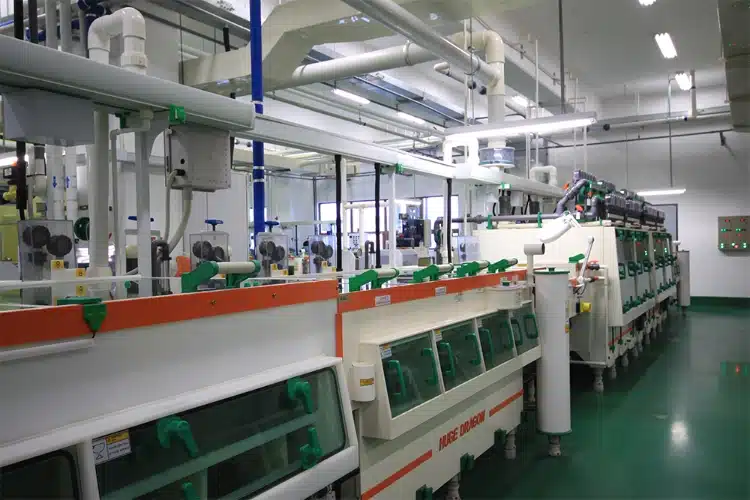
PCB wet processing lines run through demanding steps such as developing, etching, cleaning, rinsing, drying, and surface treatment. Rollers guide panels through chemical tanks, spray sections, and transfer zones. They must keep the board moving smoothly while facing moisture, chemicals, heat, friction, and repeated load.
A small roller issue can create a large production problem. A slightly swollen roller may change the contact height. A rough roller surface may leave marks on thin boards. A poorly balanced roller can create vibration at high line speed. In many factories, the first visible symptom is not the roller itself. It is a stuck panel, uneven transport, or a sudden stop during a busy shift.
For B2B buyers, roller service life should be measured by more than replacement cost. The real cost includes labor, machine stoppage, yield loss, and emergency sourcing.
| Roller Problem | Production Impact | Buyer Concern |
| Surface wear | Poor contact and unstable board movement | Frequent replacement |
| Chemical swelling | Roller diameter changes | Process instability |
| Poor concentricity | Vibration and uneven rotation | Higher failure risk |
| Weak shaft fit | Loosening or misalignment | Downtime and repair cost |
| Residue build-up | Contamination risk | Lower board quality |
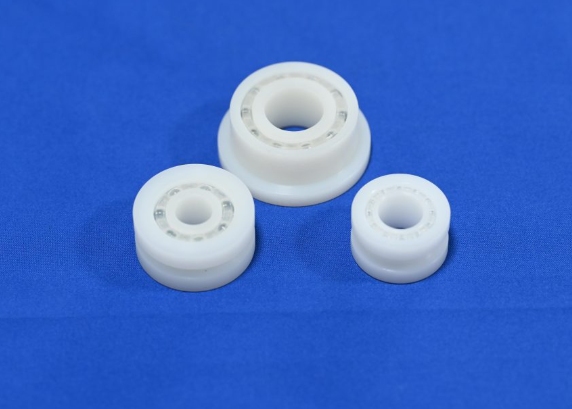
Qixingyuan supports PCB wet process equipment users with conveyor rollers, wheel discs, water retaining rollers, plastic bearings, and related transmission parts. For buyers dealing with roller wear or unstable guidance, these products can be matched to different sections of PCB horizontal lines.
What Usually Shortens Conveyor Roller Life?
A roller fails for reasons that are often linked together. Chemical attack makes the surface weaker. Poor machining increases vibration. Vibration speeds up wear. Wear changes board contact. Once this cycle begins, even a small part can become a repeated maintenance issue.
Chemical Exposure
In developing and etching areas, rollers may contact acidic, alkaline, or cleaning solutions. If the roller material is not suited to the process chemistry, it can absorb liquid, soften, swell, crack, or lose its original shape. This is why chemical resistant rollers are important in PCB wet process lines.
Friction and Line Speed
Rollers in high-speed conveying sections face repeated contact with boards, water, spray pressure, and drive forces. Over time, the surface may become uneven. If the roller surface finish is too rough or too soft, wear can appear faster.
Alignment and Rotation Errors
Straightness, roundness, and concentricity are not small details. A roller that rotates unevenly can create shaking, edge pressure, or irregular board travel. In thin PCB panels, even minor instability may lead to jamming or surface contact marks.
Qixingyuan’s conveyor rollers and wheel discs are designed for PCB equipment conditions where guidance, wear resistance, and dimensional stability matter. The company’s related parts, including middle rollers, flange rollers, plastic bearings, and wheel discs, help maintenance teams address common conveying problems in wet processing equipment.
Material Selection Comes Before Machining
The manufacturing process begins before any cutting, turning, or polishing. It starts with material selection. The right material depends on the working section, chemical environment, temperature, load, and required surface contact.
In PCB wet process equipment, one material cannot solve every problem. A roller used in a rinsing section may not face the same chemical stress as a roller used near etching. A wheel disc in a sandblasting area may need stronger wear resistance than a guide roller in a light conveying section.
Common material considerations include:
- Chemical resistance against acid, alkali, and cleaning agents
- Dimensional stability after long exposure to moisture
- Surface hardness for steady board support
- Wear resistance under repeated rotation
- Shaft strength and corrosion resistance
- Compatibility with bearings, bushings, and machine holders
A practical example is roller swelling. If a roller absorbs liquid and expands by even a small amount, its diameter changes. That can affect board height, pressure, and contact consistency. In a line that runs thousands of panels per day, this small change becomes a real production risk.
Qixingyuan supplies rollers and related PCB equipment spare parts for different wet processing needs. For buyers who need custom conveyor rollers, the material choice can be discussed based on the process section, chemical exposure, line speed, and equipment structure.
Precision Machining Controls Long-Term Stability
After material selection, machining decides whether the roller can keep stable rotation over time. In PCB roller manufacturing, accuracy is not only about looking neat. It affects how the roller contacts the board, how the shaft fits into the equipment, and how much vibration appears during operation.
Good machining focuses on several key points:
| Manufacturing Item | Why It Matters for Roller Life |
| Outer diameter control | Keeps board height and contact stable |
| Shaft fit accuracy | Reduces loosening and abnormal wear |
| Roundness | Supports smooth rotation |
| Straightness | Reduces vibration and board deviation |
| Surface consistency | Lowers wear and contamination risk |
When CNC turning and precision grinding are well controlled, the roller can maintain better balance. A balanced roller puts less stress on bearings and nearby transmission parts. It also reduces the chance of local wear, where only one side of the roller wears faster than the rest.
In a maintenance workshop, engineers often notice the difference after installation. A well-machined roller runs quietly, rotates evenly, and does not require repeated adjustment. A low-precision roller may work at first but begin causing noise, wobble, or unstable guidance after a short running period.
Qixingyuan focuses on PCB horizontal line spare parts where machining accuracy and part fit are closely linked to line reliability. Its conveyor rollers, wheel discs, transmission parts, and plastic bearings are suitable for buyers who need stable replacement parts rather than generic components.
Surface Treatment Is More Than a Smooth Look
The surface of a PCB conveyor roller does more than touch the board. It controls friction, protects the PCB surface, resists chemical attack, and reduces residue build-up. This is why roller surface treatment is one of the most important steps in extending conveyor roller life.
A surface that is too rough may scratch or mark the board. A surface that is too smooth may reduce grip in wet sections. A surface that reacts with chemicals may become sticky, cracked, or uneven. The right surface finish depends on the real working condition.
Surface Finish and Board Contact
A stable roller surface helps PCB panels move without sudden slipping or pressure points. For thin panels, flexible boards, or high-speed lines, surface consistency is especially important.
Wear Resistance
Wear-resistant roller surfaces reduce frequent replacement. They also help the roller keep its original diameter and shape for longer.
Residue Control
Wet process lines can carry chemical droplets, particles, and cleaning residue. A poor surface may hold residue more easily, increasing contamination risk. A better surface can reduce build-up and make routine cleaning easier.
Qixingyuan provides conveyor rollers and wheel discs for PCB equipment users who need better surface stability, guidance accuracy, and longer operating life. For procurement teams, discussing surface finish and working environment before ordering can help avoid mismatched parts.
Structural Design Affects Load and Balance
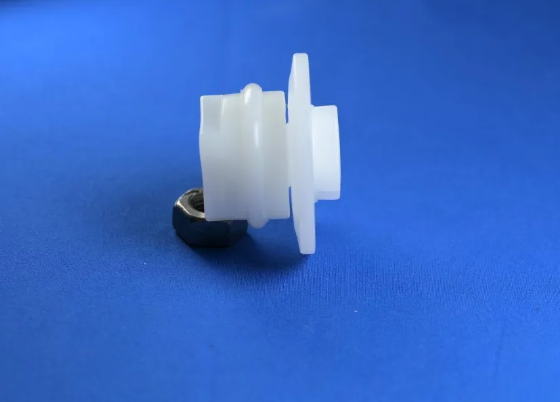
A roller is not only a cylinder. It includes the roller body, shaft, bearing area, wheel disc structure, flange design, and mounting fit. When these parts are not designed as a whole, the roller may wear faster even if the material itself is good.
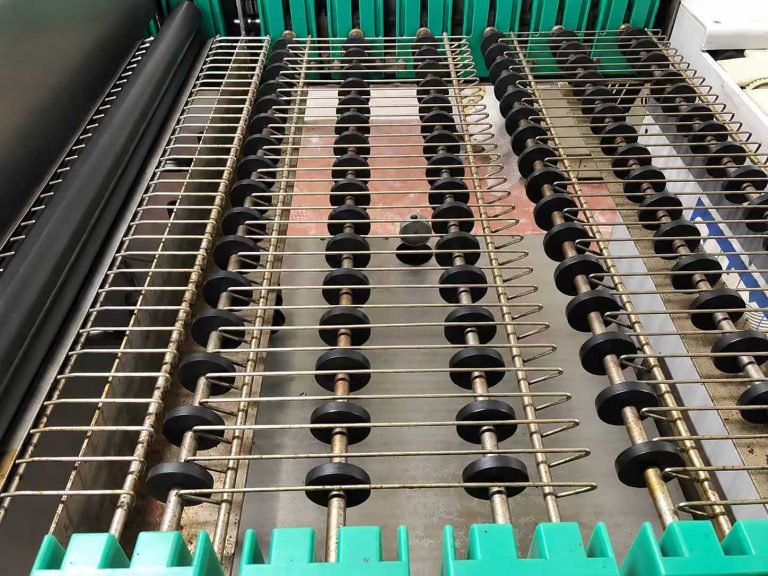
For example, flange rollers help guide PCB boards and keep movement aligned. Middle rollers support conveying across the line width. Plastic bearings reduce friction and support rotation. Wheel discs may be used in sections where board support, spacing, and chemical resistance all matter.
The structure should match the equipment, not the other way around. Important design factors include:
- Roller length and diameter
- Shaft material and shaft end shape
- Bearing or bushing fit
- Flange height and guide position
- Load distribution across the board width
- Installation space in the machine
Poor load distribution can cause edge wear. Weak shaft support can create bending. Incorrect bearing fit can increase resistance. These issues may not be obvious during the first installation, but they often appear after continuous operation.
Qixingyuan offers middle rollers, flange rollers, plastic bearings, hard plastic wheel discs, soft and rubberized wheel discs, and sandblasting machine wheel discs for PCB equipment. This product range helps buyers choose parts based on the actual function inside the line.
Inspection Turns Manufacturing Into Reliability
Even with the right material and machining process, inspection is what keeps quality consistent. For PCB conveyor rollers, inspection should check more than visible appearance. A roller may look acceptable but still have poor concentricity, weak shaft fit, or uneven surface quality.
Useful inspection items include outer diameter, total length, straightness, roundness, surface defects, bearing fit, shaft alignment, and batch consistency. For custom conveyor rollers, drawings and samples can also be checked against the installation position.
A reliable inspection process reduces variation between batches. This matters for factories that replace many rollers at the same time. If one roller is slightly different from the others, the conveying system may need extra adjustment. In high-speed wet process lines, consistent replacement parts save time.
Qixingyuan positions its work around PCB/LCD equipment accessories and high-precision spare parts. For international buyers, stable communication, drawing confirmation, and application-based part selection are useful when sourcing conveyor rollers and wheel discs for ongoing maintenance.
Custom Manufacturing Fits Real Line Conditions
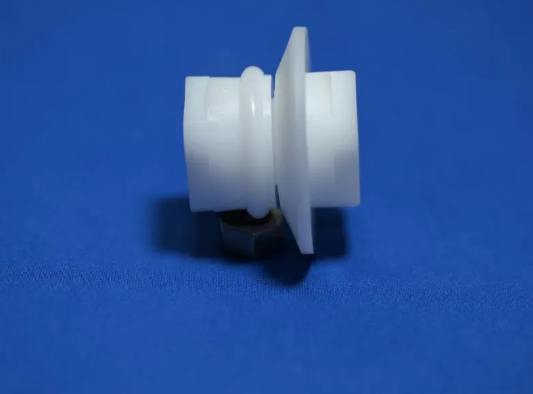
Standard rollers can work in many cases, but PCB wet process lines are not always standard. Machines may have different layouts, tank widths, spray pressure, shaft supports, chemical conditions, and board thickness ranges. That is where custom conveyor rollers become valuable.
A custom roller is not simply a roller with a different size. It can involve material changes, shaft design, surface finish, bearing type, flange structure, or wheel disc geometry. For a buyer, the goal is not to buy a special part for its own sake. The goal is to make the replacement part fit the machine and process better.
Useful details to provide before ordering include:
- Roller diameter and total length
- Shaft diameter and end structure
- Working process section
- Chemical exposure
- Operating temperature
- Board size and thickness
- Current failure problem
- Photos or drawings of the existing part
With this information, the supplier can recommend a more suitable solution instead of only matching appearance.
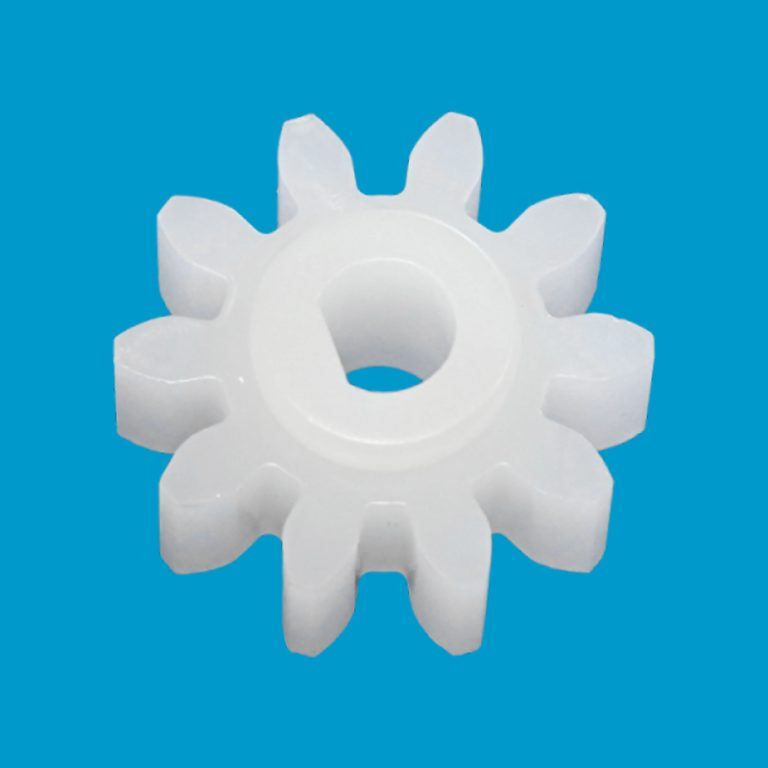
Qixingyuan supports custom roller solutions for PCB horizontal line wet processing equipment. Its product categories cover conveyor rollers, wheel discs, water retaining rollers, air knives, gears, screws, transmission system parts, bushings, cleaning products, and consumables for PCB equipment maintenance.
About Shenzhen Qixingyuan Machinery Equipment Co., Ltd.
Shenzhen Qixingyuan Machinery Equipment Co., Ltd. is a supplier of PCB horizontal line wet processing equipment spares and parts. The company focuses on practical components used in PCB and LCD production environments, including conveyor rollers, wheel discs, water retaining rollers, air knives, gears, screws, transmission parts, bushings, spray and cleaning products, consumables, and measurement-related accessories.
For PCB factories and equipment maintenance teams, Qixingyuan’s value is in matching small but important spare parts to real production problems. A roller, wheel disc, bushing, or air knife may seem simple, but each part can affect line stability, cleaning performance, drying quality, and maintenance cost. Qixingyuan works with buyers who need replacement parts, custom components, and technical communication for wet process equipment.
Conclusion
Longer PCB conveyor roller life does not come from one feature. It comes from a complete manufacturing process. Material selection resists chemical attack. Precision machining controls rotation. Surface treatment manages friction and wear. Structural design improves balance. Inspection keeps every batch more consistent.
For PCB manufacturers, choosing the right conveyor roller supplier can reduce maintenance pressure and help production lines run with fewer interruptions. Qixingyuan provides conveyor rollers, wheel discs, and related PCB equipment spare parts for wet process lines where stable movement, chemical resistance, and long service life are important purchasing priorities.