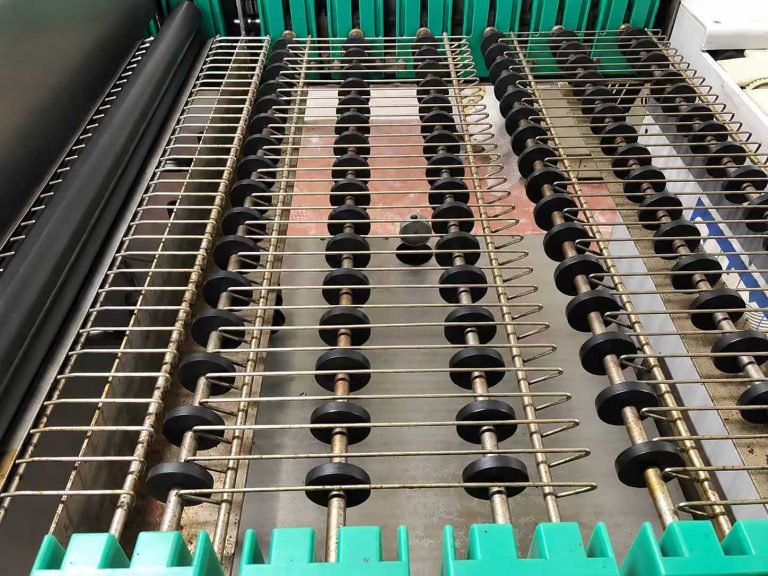
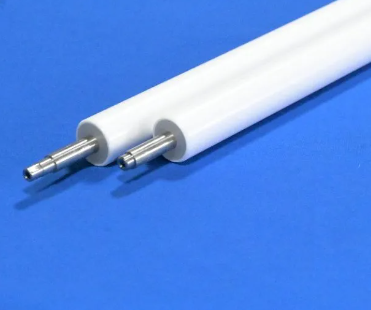
Chemical drag-out is one of the quiet cost drivers in electroplating. It does not usually stop a line at once, but it slowly raises chemical use, rinse water demand, wastewater load, and quality risk. In a horizontal wet process line, the problem often starts with a thin liquid film that moves with the board, panel, rack, or conveyor system. Water retaining rollers are designed to break that film, block carryover, and keep each tank cleaner for longer.
Why Chemical Drag-Out Matters in Electroplating
In electroplating, drag-out happens when plating solution leaves the process tank and moves into the next stage. The carried liquid may contain copper, nickel, tin, acid, alkali, surfactants, brighteners, or other additives. Even a small amount becomes costly when a line runs for 8, 16, or 24 hours per day.
A typical problem looks simple: boards exit a plating bath and enter a rinse section. The rinse tank looks cloudy earlier than expected. Conductivity rises. Operators open more water. Chemical concentration in the previous tank drops faster. Wastewater treatment receives a higher metal load. The line still runs, but the plant pays for it through more water, more chemicals, and more maintenance.
Common signs include:
- Higher rinse water flow than planned
- Faster bath concentration changes
- Stains, water marks, or surface residue
- More frequent tank cleaning
- Higher wastewater treatment cost
- Roller swelling, cracking, or slipping near chemical tanks
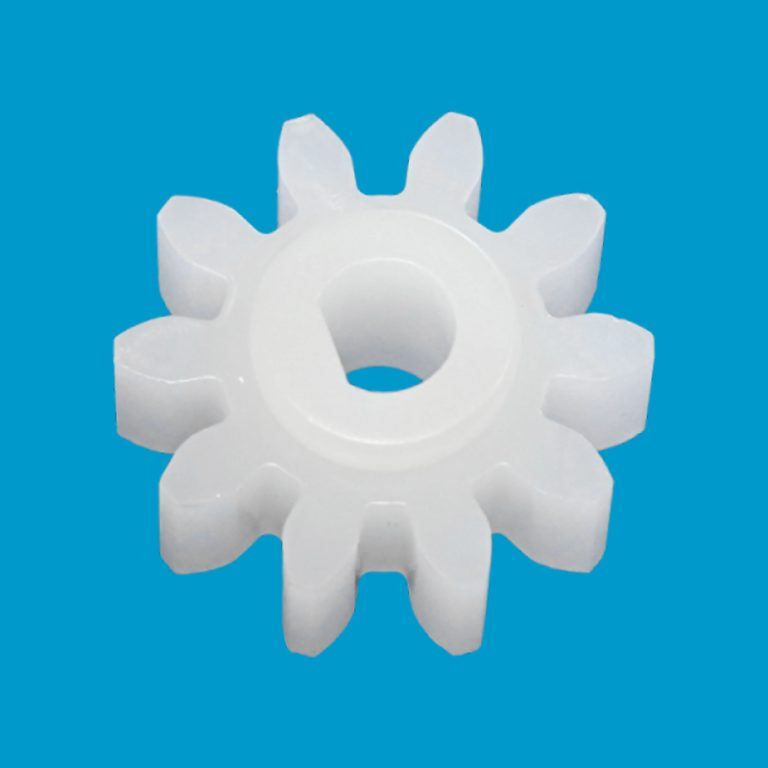
Qixingyuan focuses on PCB horizontal line wet processing equipment spares and parts, including water retaining rollers, conveyor rollers, wheel discs, air knives, spray and cleaning parts, gears, screws, bushings, and related consumables. For plants facing drag-out and carryover issues, Qixingyuan can support both fluid control parts and transmission parts in the same wet process line.
How Water Retaining Rollers Control Chemical Carryover
A water retaining roller is not just a transport roller. It works as a contact point, liquid barrier, and drainage aid. When a wet panel or board passes through the roller area, the roller surface helps squeeze, guide, or block the liquid film. The aim is not to make the line completely dry at this stage. The real aim is to stop most of the process liquid from moving into the wrong tank.
The sealing effect depends on roller material, hardness, groove design, pressure, shaft accuracy, and installation position. A roller that is too soft may deform too much. A roller that is too hard may fail to contact the board surface evenly. Poor concentricity can create uneven pressure, which leaves liquid bands on the panel.
Breaking the Liquid Film
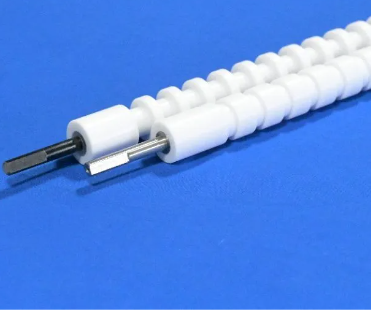
After a board leaves a chemical tank, liquid clings to flat surfaces, holes, edges, and conveyor contact areas. A water retaining roller disrupts this film before it becomes carryover. Grooved PP rollers, EPDM/PVC rubber rollers, and TPV rollers can be used depending on the chemical zone and expected pressure.
Building a Mechanical Barrier
In many plating lines, water blocking rollers are placed between a process tank and a rinse tank. Their job is to create a controlled sealing point. The roller helps return liquid to the previous section instead of letting it travel forward.
Guiding Liquid Back to the Right Area
Good roller design helps liquid drain downward or back toward the tank. This matters because uncontrolled splashing may create new contamination points. A small change in roller gap, surface finish, or groove pattern can make a visible difference in carryover behavior.
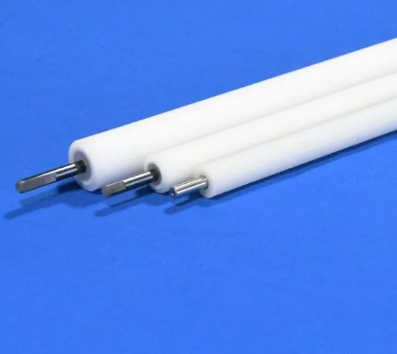
Qixingyuan supplies water retaining rollers made from materials such as Teflon/PTFE, PP, PVC, EPDM, and TPV for wet processing, PCB fabrication, glass processing, and electroplating applications. These roller options help buyers match sealing needs with acid resistance, alkali resistance, wear life, and line speed.
Best Positions for Water Blocking Rollers in a Plating Line
The best place for a water retaining roller depends on where the liquid should stop. In a horizontal electroplating or PCB wet process line, the highest-value positions are usually tank exits and transition points.
Useful installation points include:
- After a plating bath and before the first rinse
- Between acid cleaning and alkaline cleaning sections
- After etching, stripping, or developing stages
- Before air knife drying
- At conveyor transfer points where liquid pooling is common
- Before sensitive process tanks that must stay clean
One practical example is a copper plating line where rinse water becomes dirty too quickly. Instead of increasing water flow first, engineers should check whether too much copper solution is leaving the tank on the board surface and rollers. If a water retaining roller at the tank exit removes part of that film, the rinse stage has less work to do.
Another example is a PCB developing or etching line. If the board carries too much chemical into the next stage, surface quality can become unstable. A proper roller setup can reduce edge residue and lower the chance of cross-contamination.
Qixingyuan’s product range covers not only water retaining rollers, but also conveyor rollers and wheel discs used for stable PCB transport. When water blocking and board movement need to be solved together, using matched rollers, wheel discs, shaft parts, and bushings can reduce jamming, uneven pressure, and premature wear.
Choosing the Right Roller Material for Harsh Chemicals
Material choice decides whether a roller performs for weeks, months, or much longer. Electroplating lines expose parts to acids, alkalis, temperature changes, metal salts, and constant wet contact. A low-cost roller with poor chemical fit may swell, harden, crack, or lose shape.
| Roller Material | Typical Strength | Suitable Use in Wet Processing |
|---|---|---|
| PTFE/Teflon | Strong resistance to acids, alkalis, and heat | Harsh chemical areas and demanding plating zones |
| PP | Chemical stability, light weight, good process fit | Water blocking, transmission, grooved roller designs |
| PVC/EPDM | Good sealing and general water retaining work | Rinse sections, sealing points, common wet areas |
| TPV | Acid resistance, aging resistance, durable contact | Long-running surface treatment and electroplating lines |
The wrong material often fails in a predictable way. Rubber may swell in strong chemicals. A roller surface may become sticky. The shaft may run out of alignment. The board may start drifting or shaking. These failures affect both drag-out control and conveyor stability.
A buyer should share these details with the supplier before ordering:
- Tank chemistry and approximate concentration
- Operating temperature
- Board or workpiece thickness
- Conveyor speed
- Roller length, diameter, shaft type, and groove needs
- Required hardness or contact pressure
- Cleaning schedule and expected replacement cycle
Qixingyuan offers multiple water retaining roller materials, including PTFE/Teflon, PP, PVC, EPDM, and TPV, giving buyers a practical way to match the part to the actual bath environment. This is useful for electroplating lines where one section may need strong acid resistance while another needs better sealing touch or wear resistance.
Water Retaining Rollers vs Standard Conveyor Rollers
Standard conveyor rollers mainly move, support, and guide the board. Water retaining rollers must do more. They need to carry the board while also managing liquid behavior. That is why the surface, material, and installation accuracy matter so much.
| Comparison Point | Standard Conveyor Roller | Water Retaining Roller |
|---|---|---|
| Main job | Transport and support | Transport plus liquid control |
| Key concern | Smooth movement | Sealing, squeezing, and chemical blocking |
| Common risk | Jamming or poor guidance | Carryover, swelling, uneven contact |
| Best use | General conveyor sections | Tank exits, rinse entries, wet transitions |
| Buyer focus | Size and running stability | Material, hardness, chemical fit, groove design |
A plant may replace many rollers over time but still miss the reason for repeated contamination. If standard rollers are used where a sealing roller is needed, the line may keep dragging liquid forward. This creates a false maintenance cycle: clean the tank, adjust the water flow, replace a worn roller, then face the same carryover again.
Qixingyuan’s conveyor rollers and wheel discs are built for PCB equipment guidance and stable transmission, while its water retaining rollers are designed for water blocking, squeezing, and chemical-resistant use. For B2B buyers, this combination helps simplify spare parts sourcing for wet process lines.
Maintenance Checks That Keep Sealing Performance Stable
Even a good roller needs routine checks. In plating plants, deposits form quickly around tank exits. Metal salts, dried chemicals, and fine particles can block grooves or change the roller contact surface. Once that happens, the roller may spin normally but fail to stop liquid well.
A simple maintenance check should include roller surface, groove condition, shaft runout, bearing or bushing wear, and contact pressure. Operators should also look for chemical attack. Swelling, surface cracks, color change, edge peeling, and hardness change are early warning signs.
For high-output lines, it is useful to track rinse tank conductivity before and after roller replacement. If conductivity rises slowly after fitting a better roller, the result is not just visual. It shows that carryover has been reduced.
Qixingyuan supports wet processing spare parts beyond rollers, including transmission system parts, bushings, brackets, spray and cleaning products, filters, and measurement and control products. This helps maintenance teams handle sealing, spraying, conveying, and process monitoring with compatible components from one supplier.
About Shenzhen Qixingyuan Machinery Equipment Co., Ltd.
Shenzhen Qixingyuan Machinery Equipment Co., Ltd. is a high-tech enterprise established in 2008, focusing on PCB horizontal line wet processing equipment spares and parts. The company serves production lines where small parts have a direct effect on yield, uptime, and process control. Its product range includes water retaining rollers, conveyor rollers, wheel discs, air knives, gears, screws, spray and cleaning products, transmission system parts, bushings, consumables, and measurement and control products.
For electroplating and PCB wet process buyers, Qixingyuan’s value lies in practical part matching. A roller is not selected by size alone. It must fit the chemical tank, line speed, board type, sealing pressure, and maintenance plan. Qixingyuan provides custom roller and wet process spare part support for customers who need stable production, cleaner transfer sections, and lower replacement pressure.
Conclusion
Chemical drag-out is a process problem, a cost problem, and a quality problem. Water retaining rollers help control it at the point where it starts: the wet transition between tanks. By breaking the liquid film, creating a sealing point, and guiding solution back toward the correct area, they reduce chemical carryover before it becomes rinse water load or bath contamination. For electroplating, PCB fabrication, and other wet process lines, choosing the right roller material and design can bring steadier production and fewer hidden losses.