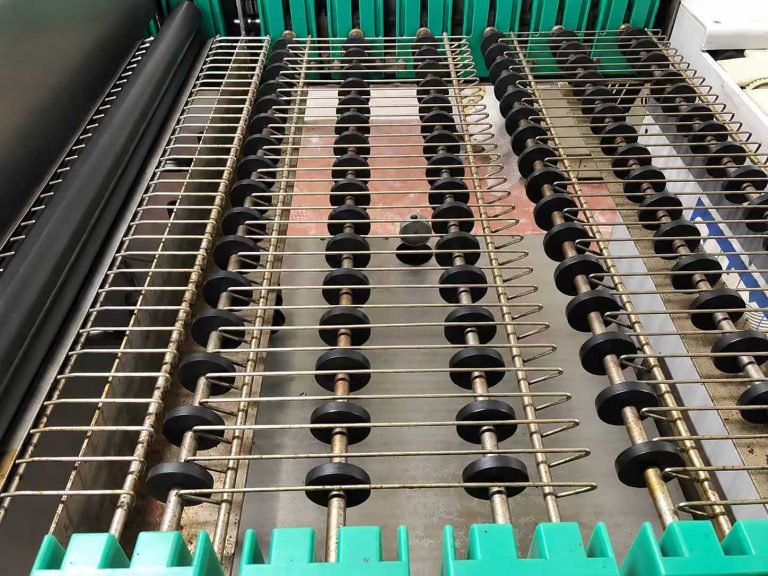
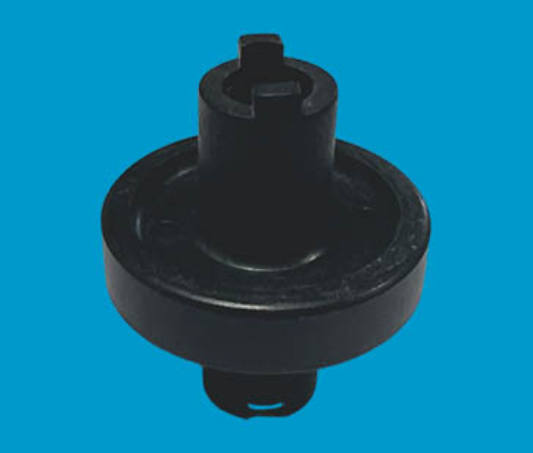
In PCB wet processing lines, conveyor rollers look like small parts. They are not expensive compared with tanks, pumps, dryers, exposure machines, or inspection equipment. Yet when rollers are poorly machined, badly matched, or made from the wrong material, they can quietly raise the total cost of ownership across the whole production line.
A low-price roller may seem like a quick saving during procurement. The real question is different: how much does it cost after six months of running, cleaning, adjustment, line stoppage, board jamming, and replacement? For PCB factories, especially those running horizontal wet process equipment, roller precision is tied to output, yield, maintenance planning, and delivery stability.
What Conveyor Roller TCO Really Means
Total cost of ownership, or TCO, is the full cost of using a part over its service life. For conveyor rollers, this includes more than the unit price. It covers installation time, alignment, cleaning, spare parts, labor, energy loss from higher drag, unplanned downtime, board defects, and shorter replacement cycles. Conveyor system TCO is commonly built around initial cost, operating cost, and maintenance cost over useful life.
A practical conveyor roller TCO formula can be:
| Cost Area | What It Means in PCB Production |
|---|---|
| Purchase cost | Unit price, shipping, inventory, minimum order quantity |
| Setup cost | Installation, alignment, trial running, technician time |
| Maintenance cost | Cleaning, bearing checks, roller replacement, labor |
| Downtime cost | Lost production during jamming, repair, or line inspection |
| Quality loss | Scratched boards, unstable tracking, rework, rejected panels |
| Service life value | How long the roller performs before replacement |
The mistake many buyers make is comparing only the first line: purchase cost. A roller that saves 15% at the buying stage but causes one extra line stoppage per month can become the more expensive choice.
Qixingyuan supports PCB factories by supplying conveyor rollers, wheel discs, water-retaining rollers, gears, plastic bearings, shaft sleeves, and other wet process spare parts for horizontal lines. Its product range fits the kind of TCO-based purchasing decision where durability, stable movement, and correct material choice matter more than the lowest unit price.
Hidden Cost 1: Board Jamming and Unplanned Downtime
In a busy PCB plant, downtime is rarely caused by one dramatic failure. More often, it starts with small mechanical problems: a roller that does not rotate evenly, a wheel disc with uneven wear, a guide that slowly shifts, or residue that changes surface friction. Low-precision rollers make these problems appear earlier and more often.
Roller runout and poor concentricity can create tiny speed changes as the board moves. On a slow line, this may look harmless. On a high-speed PCB conveyor, it can cause board skew, edge rubbing, unstable spacing, or jamming at the transfer point. One jam may stop the line for only 10 minutes. But if it happens during etching, cleaning, drying, or coating, the lost production and restart checks add up quickly.
Typical signs include:
- Boards drifting to one side at the same station
- Repeated scraping near guide rails
- New vibration marks or squealing sounds
- Operators slowing the line to avoid jams
- Frequent manual adjustment after cleaning
Qixingyuan’s conveyor-related PCB spare parts are designed for wet and corrosive environments, where stable tracking and reduced stoppage risk are key purchasing concerns. Its hard wheel discs, soft rubberized wheel discs, and water-retaining rollers help stabilize friction and reduce vibration-related defects in conveyor sections.
Hidden Cost 2: More Maintenance Labor Than Expected
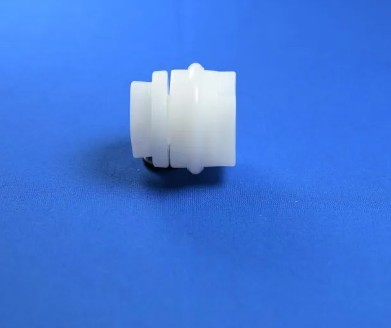
A low-precision roller does not always fail fast. That is why it can be difficult to identify in cost reports. Instead, it often creates small but repeated maintenance tasks. Operators clean it more often. Technicians adjust the guide rails more often. Bearings run hotter. Shaft sleeves wear unevenly. Wheel discs develop polished zones or hardened surfaces.
These “small fixes” become part of the hidden conveyor roller maintenance cost. A technician may spend 20 minutes checking a noisy roller set. Another operator may spend 30 minutes cleaning chemical residue from the same transfer section. The production team may keep a larger spare inventory because service life is not predictable. None of these costs appear in the purchase quote.
For maintenance teams, the key question is not “Did the roller break?” It is “How much attention does this roller need to keep the line stable?”
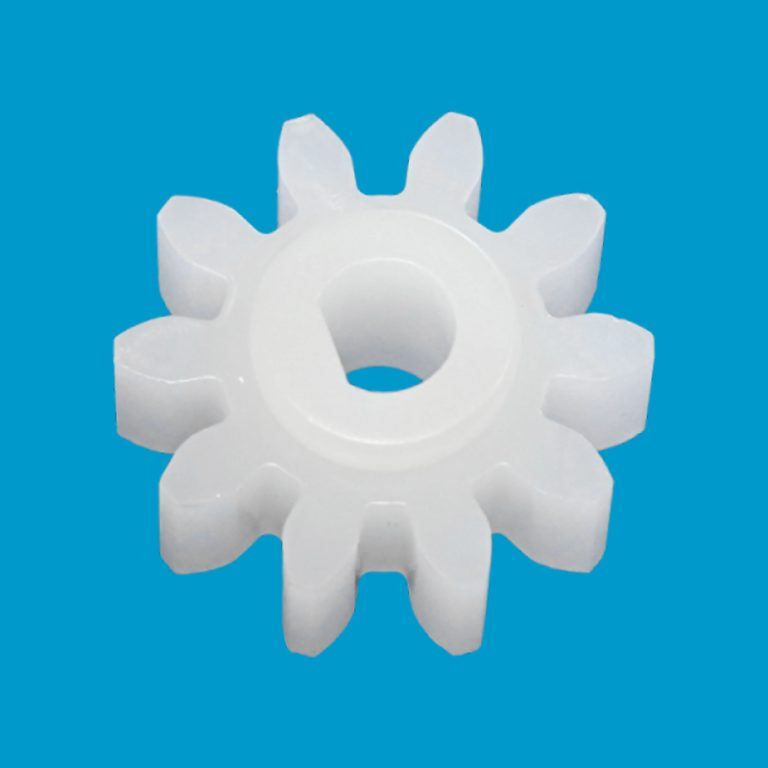
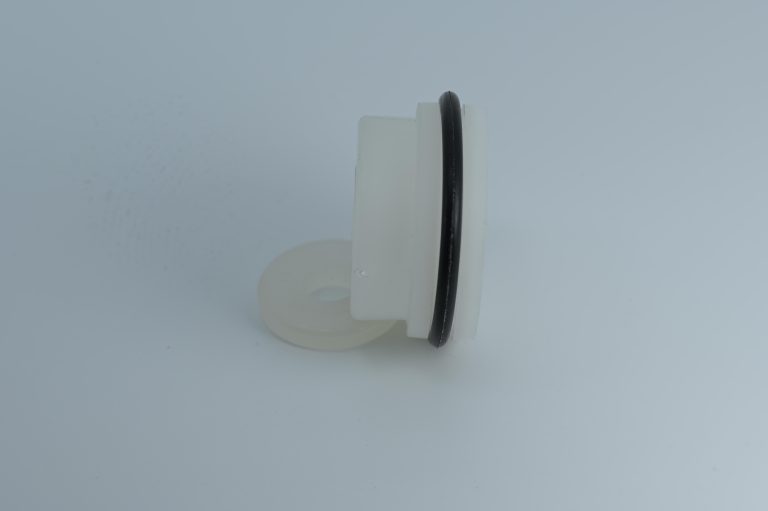
Qixingyuan supplies supporting conveyor components such as plastic bearings, shaft sleeves, locking sleeves, gears, and corrosion-resistant fasteners. These parts help reduce recurring alignment problems and make replacement cycles easier to plan, especially in PCB wet lines where moisture and chemical carry-over can shorten part life.
Hidden Cost 3: Defects, Scratches, and Yield Loss
In PCB manufacturing, roller precision is not just a mechanical issue. It can become a quality issue. A roller with poor straightness may place uneven pressure on the panel. A worn wheel disc can change contact points. A surface that has hardened after repeated cleaning may lose grip and cause micro-slipping.
These problems can lead to:
- Surface scratches
- Board edge damage
- Uneven transport speed
- Misalignment before drying or coating
- Higher cross-contamination risk
- Rework after inspection
For high-mix PCB production, this matters even more. Thin boards, flexible panels, and small batches are less forgiving than thick standard panels. A roller set that works “well enough” for one board type may cause problems when panel weight, size, thickness, or surface condition changes.
Yield loss is often the most underestimated part of conveyor roller TCO. A few rejected boards can cost more than a full set of better rollers. This is why procurement teams should involve process engineers and maintenance staff before choosing a low-cost replacement.
Qixingyuan focuses on PCB horizontal line wet processing equipment spares and parts, with products used in PCB transmission, blowing and drying, LCD cleaning, developing, and etching applications. This makes its conveyor roller and wheel disc solutions relevant for factories that need smoother handling across several process sections, not only one transfer point.
Hidden Cost 4: Faster Wear in Wet and Chemical Environments
PCB wet process lines expose rollers to water, acidic or alkaline solutions, cleaning agents, heat, pressure, and residue. A roller material that works in a dry conveyor may swell, soften, glaze, crack, or lose shape in a chemical environment. Once the roller surface changes, precision is no longer only a machining issue. It becomes a material stability issue.
For example, a water-retaining roller near a spray or coating section must control liquid movement while keeping its shape. If the material has poor compression recovery, the roller may not seal well after months of use. If it absorbs chemicals, its diameter may change. That can affect board support, splash control, and bearing life.
Material choice should be based on the working section:
| Working Area | Common Risk | Roller Requirement |
|---|---|---|
| Etching | Chemical attack, residue buildup | Chemical-resistant material |
| Cleaning | Water, detergent, particles | Easy-clean surface, stable rotation |
| Drying | Heat, airflow, vibration | Shape stability, low drag |
| Coating or printing | Splash migration, contamination | Water-retaining or blocking design |
| Transfer section | Board drift, shock, noise | Correct wheel disc hardness |
Qixingyuan supplies water-retaining rollers made with materials such as TPV, PVC, and PP, selected according to chemical setup and operating conditions. Its engineers also provide material advice based on real line requirements, which is useful for buyers replacing rollers in wet processing areas.
Low-Cost Rollers vs Precision Conveyor Rollers
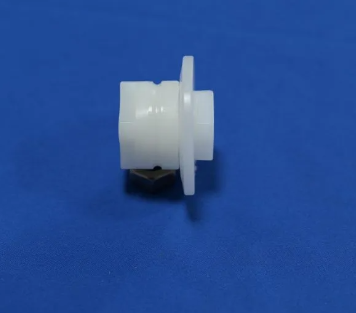
The real difference between low-cost rollers and precision conveyor rollers is not only price. It is control. A precision roller gives the line more predictable behavior. Maintenance teams know when to inspect it. Operators see fewer sudden changes in board tracking. Buyers can plan replacement stock more accurately.
Low-precision rollers may be acceptable in simple, low-speed, non-critical applications. But in PCB wet processing lines, the environment is too sensitive. Chemical exposure, thin panels, high cleanliness needs, and tight delivery schedules all raise the cost of unstable conveyor parts.
A better purchase decision asks:
- How often will the roller be cleaned?
- What chemicals will touch it?
- How sensitive is the board to scratches?
- What happens if the line stops for 30 minutes?
- Can the supplier customize size, material, or wheel disc hardness?
- Is the replacement part consistent from batch to batch?
For B2B buyers, the lowest-risk supplier is usually one that knows the application and can discuss actual working conditions. Qixingyuan provides customized services for non-standard needs and supplies PCB wet process equipment accessories for transmission systems, blowing and drying, LCD cleaning, developing, and etching lines.
How to Build a Better Roller Purchasing Checklist
Before sending an inquiry, prepare more than a part name. A clear checklist helps the supplier recommend the right conveyor roller, wheel disc, or support component.
Useful information includes:
- Roller diameter, length, shaft size, and drawing
- Board size, thickness, and weight range
- Line speed and operating hours per day
- Wet or dry section location
- Chemical exposure and cleaning method
- Temperature range
- Current failure signs
- Expected service life
- Required quantity and spare stock plan
A strong inquiry does not simply ask, “What is your best price?” It asks, “Which roller design will lower downtime, reduce maintenance, and fit our process conditions?”
Qixingyuan provides contact channels and technical support for buyers who need to match spare parts with existing PCB equipment. For factories dealing with repeated jamming, wheel disc wear, bearing failure, or roller swelling, sharing photos, drawings, and line conditions can lead to a more accurate replacement proposal.
About Shenzhen Qixingyuan Machinery Equipment Co., Ltd.
Shenzhen Qixingyuan Machinery Equipment Co., Ltd. is a PCB horizontal line wet processing equipment spares and parts supplier. Established in 2008, the company integrates design, production, and sales, and focuses on reliable accessories for electronics manufacturing lines. Its main product range includes air knives, absorption and cleaning products, rollers and wheels, gears, transmission and bushings, peripheral functional parts, consumables, special equipment parts, and measurement and control products.
For PCB factories, Qixingyuan’s value is not only in supplying replacement parts. It also lies in matching materials, structures, and component designs to real wet process conditions. This is important when buyers need conveyor rollers, wheel discs, water-retaining rollers, plastic bearings, gears, or custom spare parts for non-standard equipment sections. The company’s focus on PCB wet processing applications helps procurement teams reduce trial-and-error purchasing and move toward parts that support longer service life, smoother operation, and lower total cost of ownership.
Conclusion
Low-precision rollers can look affordable at the purchasing stage, but their hidden costs appear later: extra cleaning, more alignment work, bearing wear, board jamming, downtime, scratches, contamination risk, and unpredictable replacement cycles. In PCB wet processing lines, these costs can easily exceed the price difference between a cheap roller and a precision conveyor roller.
A better TCO decision starts with the real working environment. Buyers should check roller runout, concentricity, straightness, material stability, bearing fit, wheel disc wear, and chemical exposure before choosing a supplier. For plants that run continuous PCB production, precision rollers are not simply spare parts. They are part of line reliability, yield control, and long-term cost management.