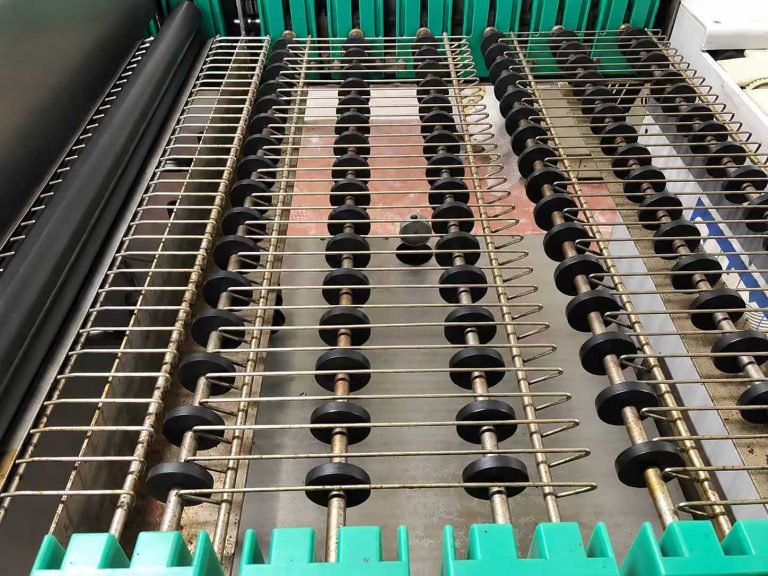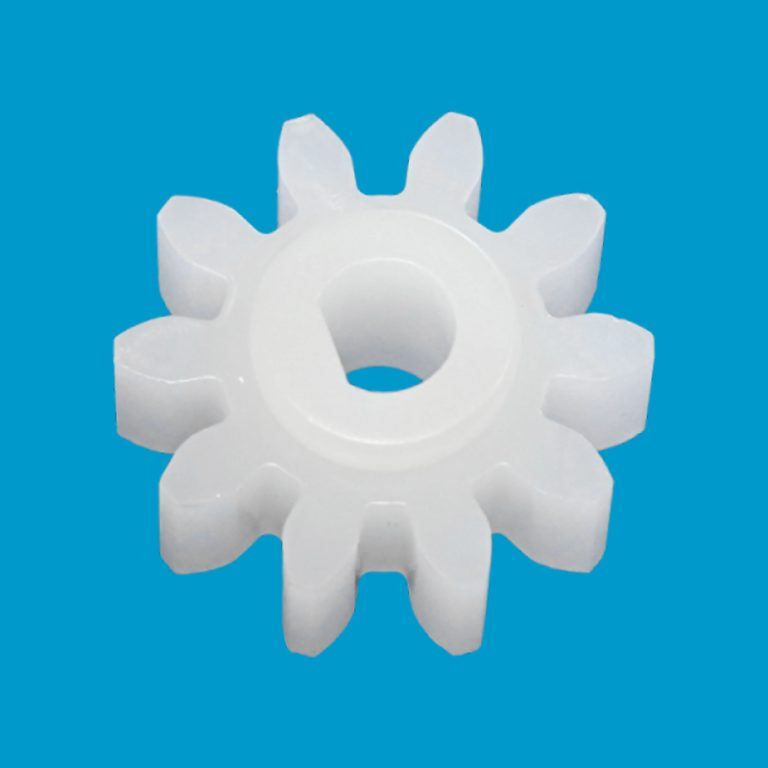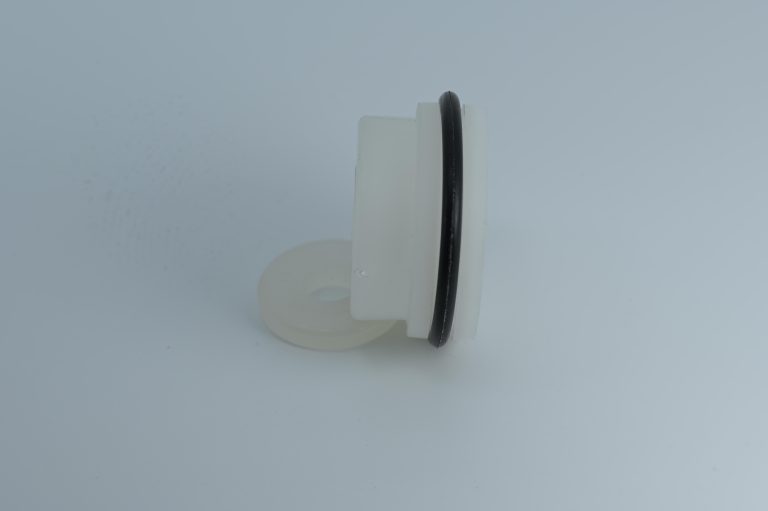
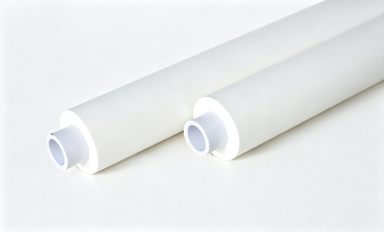
Wet process rollers hold a vital position in fields like textile finishing, film coating, and battery electrode production. Their effectiveness greatly affects the quality and evenness of liquid handling on materials. If they swell or warp, it can harm the whole production setup’s speed and accuracy.
Functions of Rollers in Wet Processing Lines
Rollers handle several key tasks in wet processing setups. They help spread liquid evenly over materials. This happens because they ensure steady touch between the roller’s outer layer and the item under treatment. As a result, it creates reliable coating or soaking depth. Also, rollers keep firm pressure and contact while working. This stops flaws from uneven liquid spread. Another important job is allowing managed fluid movement between process steps. Thus, each layer gets just the right amount of liquid. It avoids too much soaking or running dry.
Common Materials Used in Conventional Wet Process Rollers
Usual wet process rollers come from basic rubber, EPDM (ethylene propylene diene monomer), or polyurethane. People pick these for their bounce and low cost. However, they face issues in tough chemical settings. Basic rubber gives solid hold but weak defense against acids. EPDM works better in base-like conditions. Yet it grows in size under acid contact. Polyurethane fights wear well but breaks down in wet or hot spots from water breakdown. So, choosing materials needs to look at things like pH levels, solvent contact, and heat steadiness. This helps ensure good work over a long period.
Common Materials Used in Conventional Wet Process Rollers – Comparison Table
| Material | Advantages | Disadvantages | Suitable Environment | Key Performance |
|---|---|---|---|---|
| Basic Rubber | Low cost, good elasticity, strong grip | Poor resistance to acids, weak chemical stability | General industrial wet-process conditions | Easily degrades in acidic environments |
| EPDM (Ethylene Propylene Diene Monomer) | Good resistance to alkali, strong weather resistance | Swells and deforms in acidic conditions | Alkaline or neutral wet-process environments | Dimensional stability is affected by acids |
| Polyurethane | Excellent wear resistance, high mechanical strength | Prone to hydrolysis in high temperature or long-term wet conditions | High-wear industrial applications | Strong wear resistance but limited hydrolysis and heat stability |
To move to the next part, it helps to see why standard rollers often lose size control during use.
What Causes Swelling in Conventional Wet Process Rollers?
After understanding the key factors that cause swelling in conventional wet process rollers, it becomes clear why improved materials and structural designs are necessary to address these long-standing performance limitations.
Chemical Interactions with Acidic or Alkaline Solutions
A main reason for roller growth is chemical mixing with strong solutions in wet work. Rubber mixes soak up active particles from acid pools. This leads to changes deep in the polymer setup. With time, water breakdown and rusting harm the polymer links. They weaken the roller’s strength and create rough outer spots. Such harm causes size growth. It results in bumpy roller outsides. This messes up material pull and liquid spread evenness on items.
Water Absorption and Its Impact on Roller Performance
Water uptake makes growth issues worse in standard rollers. Their open build holds water during ongoing work. Long contact softens them and cuts their springiness. Water seeps into the polymer web. The size increase in roller width changes squeeze force. It also shifts touch spots between rollers. As a result, coating depth varies. Product standards drop. These problems call for regular fixes or swaps. That raises running costs and stop times for makers.
After looking at growth causes, we shift focus to how design improvements created acid-proof water-holding rollers. These aim to beat the weak points of old ones.
How Are Acid-Resistant Water Retaining Rollers Engineered?
These engineering principles not only solve the swelling issues seen in conventional rollers but also demonstrate how modern design strategies deliver stable performance under aggressive chemical operating conditions.
Material Composition and Chemical Resistance Mechanisms
Acid-proof water-holding rollers use modern fake rubbers or fluoropolymers. These show better defense against chemicals than old materials. The polymers have linked molecule setups. They limit chemical entry by building tight webs that stand up to acid hits. Their steady molecules in low-pH spots stop link breaks. Those breaks often hit basic rubber mixes. This greatly lengthens work life in rough acid settings. Adding these materials keeps size changes tiny when facing harsh chemicals. So, they hold steady work over long runs.
Structural Design for Controlled Water Retention
Material makeup is not all. Build design also matters for balanced water hold without growth. Builders add tiny path systems in the roller outside. These guide fluid spread. At the same time, they stop full soaking at the base layer spot. Set porosity lets a slim water coat stay on the roller for smooth slide and even pass. But it skips deep pull into the main part. Best density gives enough hold for material guiding. It also keeps size steady in changing wet air levels. This is key for jobs needing exact coating evenness. Examples include lithium battery electrode setup or careful film joining processes.
With these build ideas set, it shows that acid-proof plans bring real gains over basic rollers in strong chemical spots.
What Are the Performance Advantages of Acid-Resistant Water Retaining Rollers?
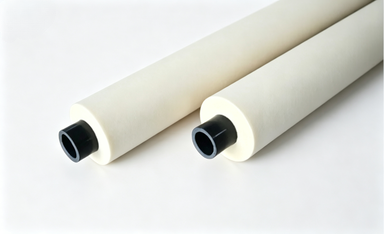
With these clear performance advantages established, the next step is to consider how acid-resistant water retaining rollers can be effectively integrated into existing production systems and equipment configurations.
Dimensional Stability Under Harsh Chemical Conditions
The top gain is their strong size steadiness in acid or base settings. Basic rubber rollers grow a lot after long soak. But acid-proof kinds keep almost fixed shape. This comes from low soak rates and neutral molecule makeup. Such steadiness holds even material pull through full production shifts. It cuts stop times from re-set or part swaps. That is vital for keeping flow speed in nonstop wet process lines.
Improved Process Consistency and Product Quality
Another key plus is better process steadiness. It leads right to top product standards. Even liquid pass from steady roller shape boosts coating care over broad items. This cuts changes in wet coat depth between batches. So, makers see fewer flaws like lines or spotty soak marks. They also gain from less upkeep needs. That is because less wear hits linked parts like supports or rods. Those parts suffer from off-balance loads from grown rollers.
To put these gains into current production tools well, some setup thoughts need close checks before updating gear plans.
What Should Be Considered When Upgrading to Acid-Resistant Rollers?
Once proper installation and operational reliability are ensured through correct upgrading practices, attention should also shift toward long-term supplier collaboration and customized component support to sustain consistent performance in specialized applications.
Compatibility with Existing Equipment and Processes
Before fitting, match checks must confirm details like roller firmness (Shore A value), width limits, outer finish smoothness (Ra), and fit with present drive parts or pull control setups. Plus, chemical match with current pool mixes should get tested. Some fluoropolymer outsides might change wet spread ways versus basic rubber covers at set heats or solvent amounts. This could need small changes in line pace or pull setups for best results over all work steps.
Maintenance and Lifecycle Optimization Strategies
Though acid-proof water-holding rollers last better than usual types, they still need planned upkeep times. Focus on outer checks for wear signs, breaks, dirt build, and steady clean with neutral pH soaps. This keeps chemical strength while dodging harm from strong clean tools. Following work hours aids in guessing swap times right. It allows ahead-of-time asset care. This cuts surprise breakdowns. It ensures nonstop output over long making runs.
Once work trust is set through good fitting, long-term ties with sellers matter a lot. This is true when getting exact-built parts for special jobs.
Shenzhen Qixingyuan Machinery Equipment Co., Ltd.: A Reliable Roller Supplier
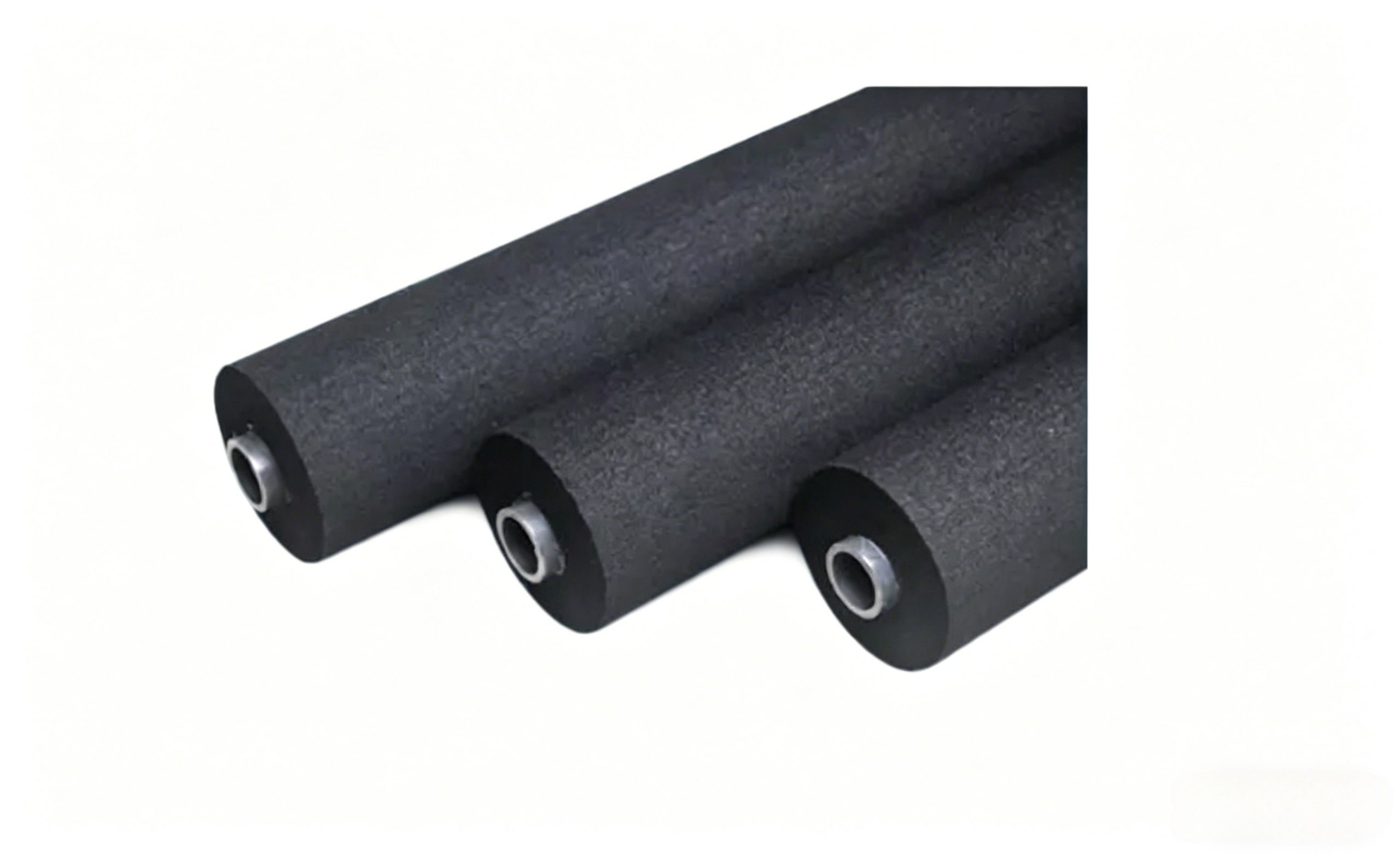
Shenzhen Qixingyuan Machinery Equipment Co., Ltd. stands as a dependable maker focused on high-work industrial rollers. They offer custom fixes for various wet process jobs. This includes acid-proof water-holding rollers built for top lasting, care, even weight, and chemical toughness. Their skills cover study, plan, making, and quality checks. Every roller hits strict work rules. They back clients around the world. These clients want better work trust, lower fix costs, and stronger product evenness.
As tech progress keeps moving in making areas, looking at coming changes hints at even bigger speed and green ways in wet process work.
Conclusion
Acid-resistant water retaining rollers mark a big step ahead. They fix old issues with growth and warp in standard wet process rollers. Their modern material know-how and exact build work give top size steadiness, steady fluid guide, better product evenness, and less stop time. This sets fresh marks for trust and speed in chemical-heavy making spots.