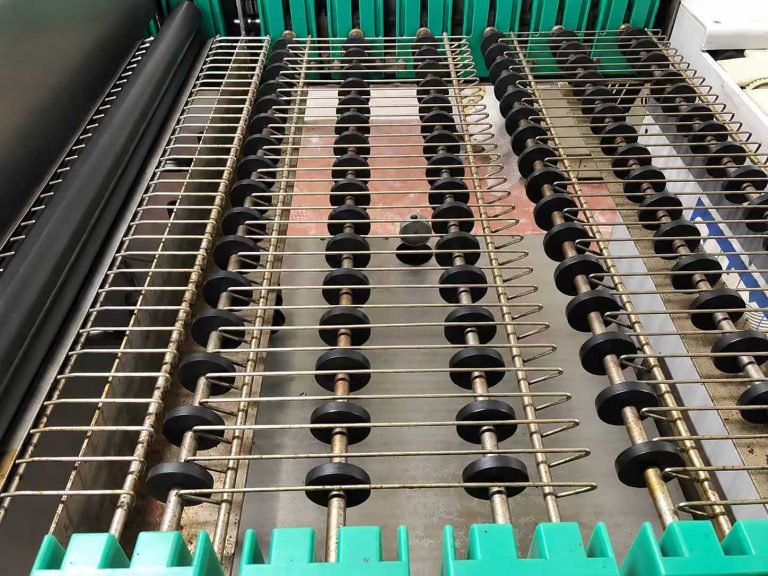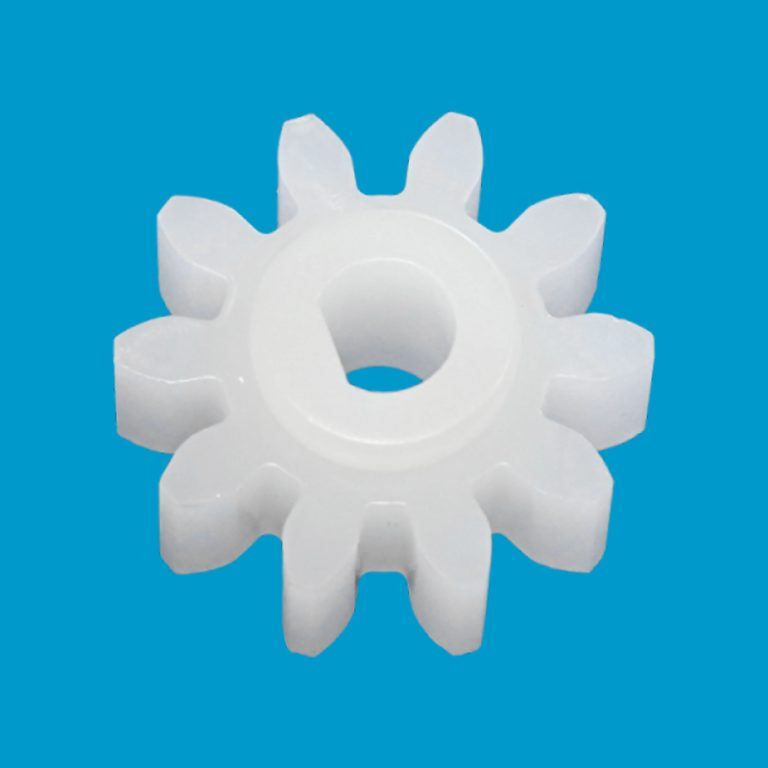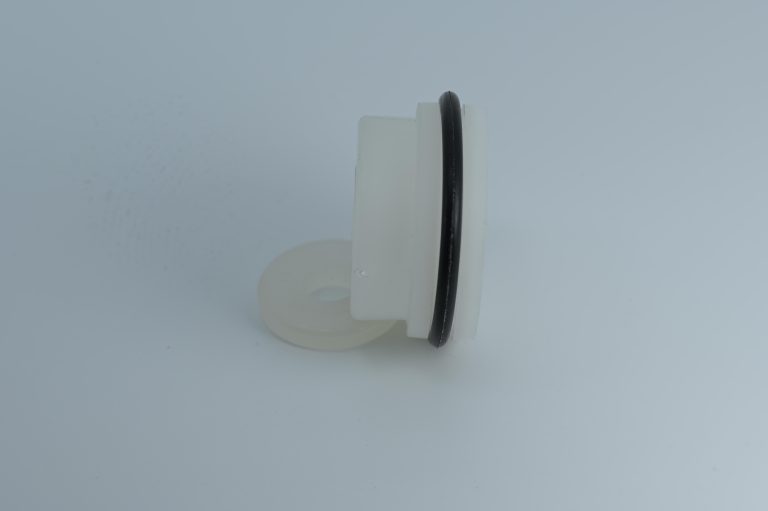
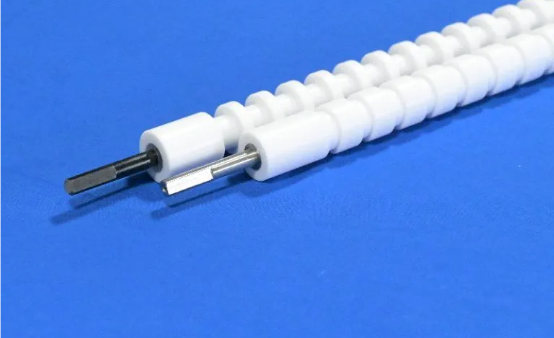
 Choosing materials for PCB water retaining rollers greatly affects how well wet process equipment works, how long it lasts, and how much it costs to run. These rollers face chemicals, changing temperatures, and physical strain all the time in printed circuit board (PCB) production. Picking the best material keeps things running smoothly and cuts down on repair time. Typical options include thermoplastic vulcanizate (TPV), polyvinyl chloride (PVC), and polypropylene (PP). Each one has clear benefits based on how it handles chemicals, how stretchy it is, and the surroundings it works in. When deciding, think about starting performance. Also, consider how it holds up over time with constant contact to acids, bases, and cleaners.
What Makes TPV a Strong Candidate for PCB Water Retaining Rollers?
Now, moving from broad material ideas to specific choices, TPV shines as a top pick for tough PCB settings.
Composition and Structural Features of TPV
TPV belongs to a group of thermoplastic elastomers. It blends rubber’s bounce with plastic’s easy handling. The setup includes a linked rubber part spread out in a plastic base. This gives it bendiness and toughness. Because of this mix, TPV keeps its form under repeated squeezes. It also bounces back well. The linked design boosts its ability to fight shape changes. It stays the same size even under long-term physical pressure. Plus, TPV handles heat very well. So, it works steadily in ongoing jobs on PCB lines where temps often shift.
Performance Advantages in Wet Process Environments
In wet systems, TPV shows great resistance to chemicals like acids, bases, and cleaners used in copper plating or etching. It keeps its stretch after long contact with water and higher heat without much breakdown. TPV has a low compression set. This helps with sealing by keeping steady pressure where the roller touches. As a result, it boosts water holding power and lowers leak chances. On top of that, TPV’s toughness stretches out how long it lasts. This cuts down on how often you replace it and saves money in busy production setups.
How Does PVC Perform Compared to TPV in PCB Applications?
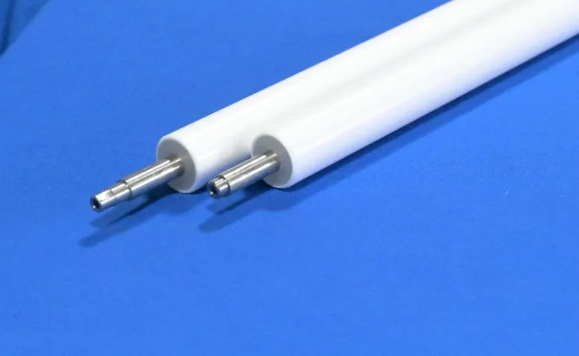
After noting TPV’s strong points, we need to check how PVC does as another choice in the same work settings.
Key Mechanical and Chemical Properties of PVC
PVC comes in stiff or bendy versions based on how much plasticizer it has. It fights rust well and stands up to many chemicals in PCB wet jobs. Its built-in fire resistance adds safety in factory spots. But PVC handles heat only so-so compared to TPV. Long heat can make it soften or get brittle, depending on the mix. Even so, people use PVC a lot because it’s cheap and easy to shape into tricky forms or parts for roller builds.
Limitations When Used in Water Retaining Rollers
PVC starts with solid sealing ability. However, its less stretch than TPV can mean weaker results later on. That’s because repeated squeezes cause it to stiffen or crack. In steady heat from horizontal line gear, PVC loses bendiness quicker than rubber-like plastics. Also, worries about the environment come from its chlorine when you throw it away or recycle it. This pushes makers to look for greener picks like TPV or PP if long-term green effects matter.
Why Is PP Considered a Cost-Efficient Option for PCB Wet Processing Equipment?
After looking at those stretchy polymers, polypropylene (PP) shows up as a sensible choice that focuses on saving money without losing key work traits.
Structural Characteristics of Polypropylene (PP)
PP is a partly crystal-like plastic famous for its top-notch resistance to acids, bases, and solvents often seen in wet lines. It’s light, which makes rollers weigh less. This drops the effort needed to spin them and uses less power. PP holds its size under normal physical stress. It also fights tiredness well at usual room temps in PCB gear.
Performance Trade-offs Compared to TPV and PVC
PP has these perks, but it has less hit strength than TPV. It might bend under big loads or hot conditions unless you add support. Its small bendiness limits how well it seals where parts need to move to hold water on shifting pieces. Still, PP fits well in setups that value low cost over top stretch. It’s great for helper rollers or low-pressure parts of horizontal wet lines where stress is not too high.
How to Choose Between TPV, PVC, and PP for Optimal Roller Performance?
Picking the right material means weighing strength, how it matches chemicals, heat handling, and overall costs based on your exact needs.
Evaluation Criteria for Material Selection
With these evaluation criteria in mind, it becomes essential to examine how each material performs under real chemical, mechanical, and operational conditions.
| Property / Material | TPV (Thermoplastic Vulcanizate) | PVC (Polyvinyl Chloride) | PP (Polypropylene) |
|---|---|---|---|
| Chemical Resistance | Excellent (strong acids, bases, etchants) | Good (most chemicals) | Excellent (acids, bases, solvents) |
| Elasticity & Flexibility | Very high (rubber-like) | Medium (depends on plasticizer) | Low (rigid structure) |
| Compression Set | Low (maintains sealing force) | Medium to high | High (limited sealing ability) |
| Temperature Resistance | High (>80°C stable) | Moderate (may soften or become brittle) | Moderate (can deform under heat) |
| Mechanical Strength | Excellent fatigue and resilience | Moderate (can crack over time) | Good rigidity but lower impact resistance |
| Sealing Performance | Excellent (ideal for water retention rollers) | Acceptable (degrades over time) | Poor (not ideal for sealing) |
| Weight | Medium | Medium | Lightweight |
| Cost | High | Low | Low |
| Service Life | Long | Medium | Medium (depends on load) |
| Environmental Impact | More eco-friendly than PVC | Concerns due to chlorine content | Relatively eco-friendly |
| Best Use Scenario | High-load, high-temp, strong chemical environments | Cost-sensitive, moderate conditions | Low-load, auxiliary rollers |
Chemical Compatibility with Process Fluids
First, check how much contact there is with acids, bases, solvents, or oxidizers in each production step. TPV beats PVC or PP in fighting many chemicals when strong etchants are around.
Mechanical Load and Operating Temperature Range
Roller materials have to fit the expected push from moving parts and heat from spinning friction. In high-push areas with temps over 80 °C, TPV holds up better than PVC or PP.
Maintenance Frequency and Lifecycle Expectations
How often you maintain depends on wear from things like heat changes or solvent contact. Choosing stuff with better tiredness strength like TPV can push out replacement times past what you get with regular PVC or PP rollers.
Why Partner with Shenzhen Qixingyuan Machinery Equipment Co., Ltd.?
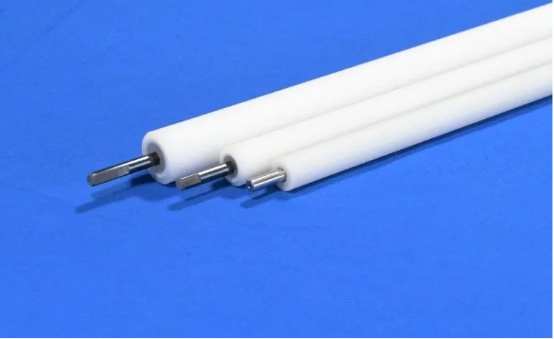 Before you lock in material picks, teaming up with a skilled provider makes sure the design matches real-world results.
Expertise in PCB Horizontal Line Wet Processing Equipment Components
Shenzhen Qixingyuan Machinery Equipment Co., Ltd. focuses on making spare parts for PCB horizontal line wet gear. The firm supplies exactly made water retaining rollers from TPV, PVC, or PP to fit what customers want. Their engineers give advice on picking materials. They look at the chemical setup and work details for each line setup.
Commitment to Quality and Long-Term Support
The company uses tight quality checks in every making step. Each roller gets tested in fake work conditions to ensure good sealing every time. With worldwide shipping and quick after-sale help, Shenzhen Qixingyuan Machinery Equipment Co., Ltd. gives steady fixes that keep productivity going in PCB plants around the world.
Conclusion
TPV stands as the toughest pick of the three. It keeps its stretch well under chemical hits and heat shifts common in wet lines. PVC works as a fair middle option where okay bendiness is enough at lower prices. But it has issues with heat wear over long runs. PP gives a cheap, light choice that’s best for easier spots needing rust fight more than moving seal power.