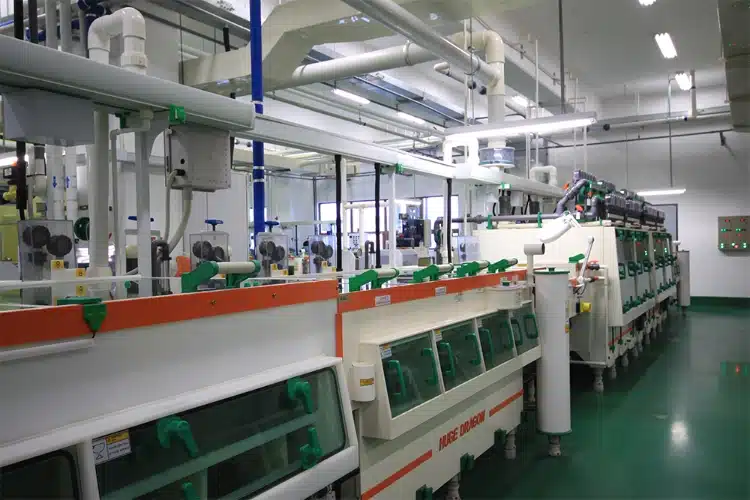
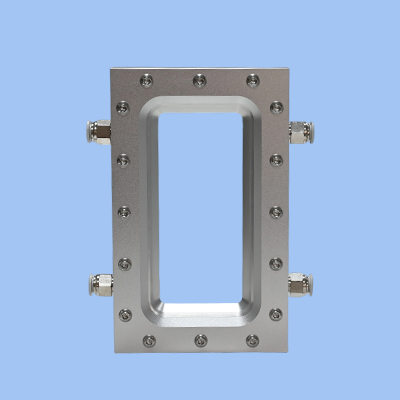
 The drying step plays a key role in printed circuit board (PCB) production. Even small problems here can cause quality issues and slow down the line. After cleaning and rinsing, all moisture needs to leave the PCB surface. This prevents rust, layers coming apart, or electrical problems. Standard drying setups often face uneven patterns, leftover water spots, and high energy use. Such issues cut down on output and raise costs.
To fix these problems, current PCB makers are using combined drying methods. These mix air knives and water retaining rollers. The setup speeds up water removal. It also keeps surfaces even on tricky board shapes. By improving air flow and controlling water before drying, these systems offer better results and save energy.
How Do Air Knives Enhance the Efficiency of PCB Drying Washers?
Moving from old hot-air ways to newer air knife setups marks a big improvement. It helps reach exact drying control.
Principle of Air Knife Operation in PCB Processing
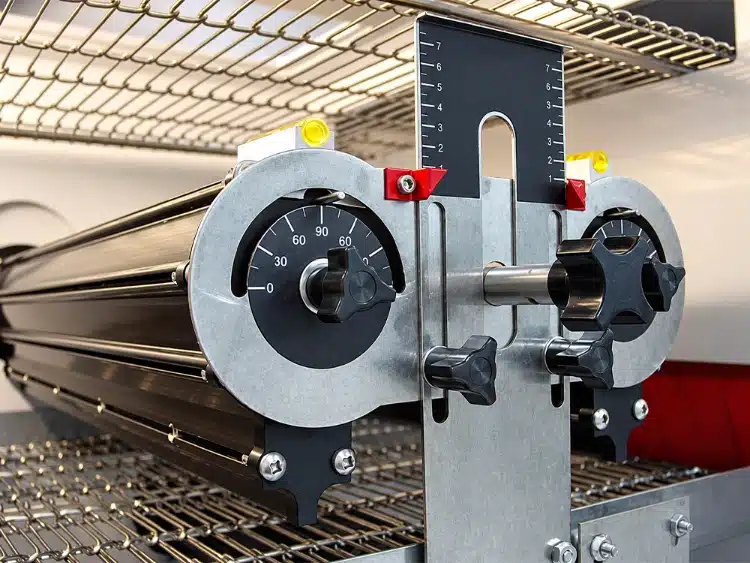
Air knives work by sending a steady, fast jet of pressed air over the PCB surface. This smooth air flow pulls off leftover water. It avoids rough spots that could cause patchy drying. The setup lets users adjust force and direction. Operators can tweak it for board size, material type, and design details. In the end, it creates a managed drying area. This cuts down on dirt risks. There is no touch between the air knife and the board.
Benefits of Implementing Air Knives in the Drying Stage
Adding air knives to PCB washer systems brings clear gains compared to traditional hot air drying methods.
Traditional hot air dryers rely on heating large volumes of air and blowing it over the boards for extended periods. This often results in uneven drying, higher energy consumption due to continuous heating, potential thermal stress on sensitive components, and longer processing times. In contrast, air knives use a high-velocity, uniform sheet of ambient or low-pressure air (typically driven by centrifugal blowers rather than compressed air or heaters) to shear water off the surface instantly through the Coanda effect and aerodynamic force.
Key improvements include:
- Significant energy savings: Air knives can reduce energy use by 30%-70% or more, as they eliminate the need for prolonged heating and consume far less power than hot air ovens or high-pressure compressed air systems.
- Non-contact and damage-free drying: Unlike hot air which may cause oxidation, warping, or residue from uneven heat, air knives provide gentle, touchless drying that protects fine copper traces, solder masks, and delicate components from scratches, contamination, or thermal damage.
- Faster drying speed and higher throughput: Water is removed in seconds rather than minutes, allowing production lines to run 20%-50% faster with fewer water spots, shorts, or corrosion risks — directly improving PCB yield rates (up to 15% in high-volume production).
- Better drying uniformity and quality: The adjustable laminar airflow ensures consistent results across complex board designs, reducing defects and enhancing reliability for subsequent processes like etching or plating.
- Lower operating costs and maintenance: Fewer moving parts, no heating elements to replace, and quieter operation make air knives more reliable and cost-effective over time.
Overall, switching to air knife technology in PCB drying washers delivers superior efficiency, precision, and product quality while aligning with modern demands for energy-saving and high-yield electronics manufacturing.
What Role Do Water Retaining Rollers Play in Optimizing the Drying Process?
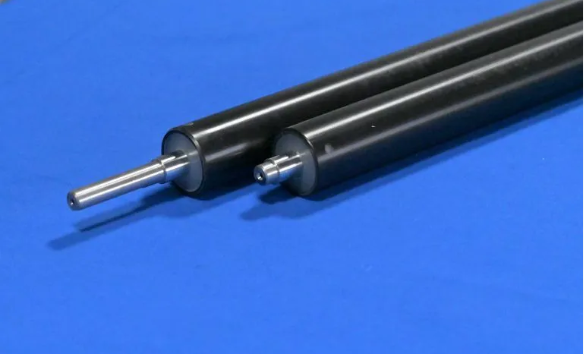
Before air knives can do their job well, exact control of leftover water matters. Water retaining rollers handle this part.
Functionality of Water Retaining Rollers in Washer Systems
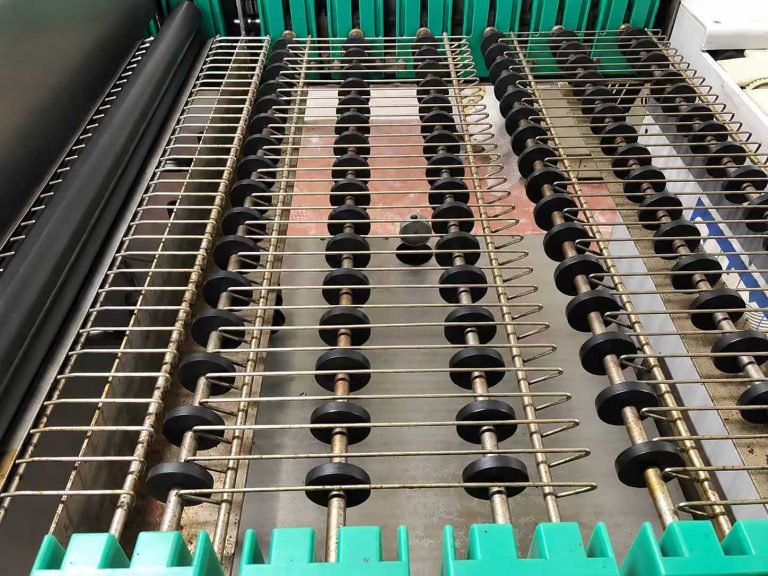
Water retaining rollers act as a middle step between rinse and final air dry. Their main job is to manage water left on the PCB surface. This happens before the board hits the air knife area. By keeping a thin, even water layer, these rollers make sure air flow removes moisture well and evenly. Choosing rollers made from tough, soft materials avoids harm to circuits. It also ensures they last.
Enhancing System Stability Through Roller Design Improvements
New roller builds focus on less shaking and better setup through careful work. Better surface patterns boost water pull for higher capture. Plus, adding sensors and auto controls lets users watch roller speed, pressure spread, and wear right away. This boosts steady running and easy upkeep plans.
How Can the Combination of Air Knives and Water Retaining Rollers Maximize Drying Performance?
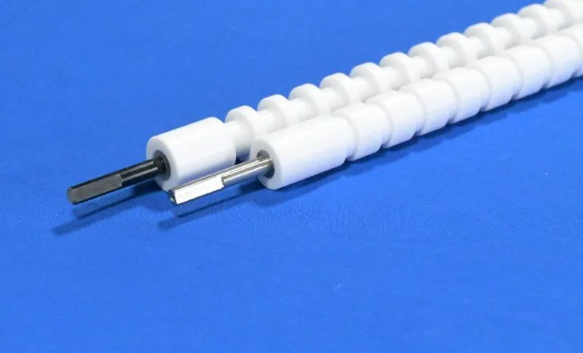 When timed right, air knives and water retaining rollers team up. They form a matching pair for quick, accurate water removal.
Synergistic Effects Between Air Flow and Water Control Mechanisms
The joint work of these parts makes a smooth shift from wet to dry in the washer line. By cutting back on water before air hits, rust chances drop in later steps. These include putting on protective layers or joining boards. This teamwork also allows faster line speeds. It keeps product evenness. It avoids flaws from poor drying.
Implementation Strategies for Upgrading Existing PCB Washers
Updating current washer lines does not mean swapping everything out. Add-on kits let makers fit in new air knife parts and exact roller units. This causes little stoppage. Setup checks are vital. They fine-tune air direction, force levels, and roller timing for top results. Routine care—like clearing nozzles, testing seals, and checking roller faces—keeps steady work. It cuts stop times over time.
How Does Process Optimization Impact Energy Efficiency and Cost Savings?
Improving the process with combined drying tools affects energy use and overall savings in busy production spots.
Energy Consumption Analysis in Upgraded Washer Systems
Smart air flow cuts the need for heavy compressor work. Less air gets lost to rough flow or leaks. Good water handling by rollers lowers heat needs in steam steps if extra warmth follows. Also, live data tools with sensors follow main measures. These cover air speed, even heat, and power use. They give useful tips for ongoing fixes.
Economic Advantages for High-volume PCB Manufacturers
For big makers with many lines, tiny efficiency boosts lead to large money wins. Less power cuts daily bills. It also eases harm to the environment. Better output rates reduce fix work and waste from bad drying or dirt flaws. Quicker rounds help more boards per line. In the end, this raises returns on setup costs across the plant.
Why Is Shenzhen Qixingyuan Machinery Equipment Co., Ltd. a Reliable Partner for PCB Washer Upgrades?
Shenzhen Qixingyuan Machinery Equipment Co., Ltd. shines as a solid provider. It focuses on flat wet handling parts for PCB lines. The firm supplies exact-made items like air knives, water retaining rollers, pumps, filters, conveyor pieces, and matching add-ons. These fit various maker washer systems. Their know-how guarantees easy match with old setups. They offer custom fixes for exact needs. With good tech help and focus on quality checks, Shenzhen Qixingyuan Machinery Equipment Co., Ltd. gives steady answers. These aid makers in reaching top results in wet work.
Conclusion
Mixing new air knife tech with tuned water retaining roller builds sets up a balanced drying setup. It handles both pace and accuracy in today’s PCB plants. These combined updates bring real gains in energy use, steady process, and total output standard. As world needs for top electronic parts grow, steady new ideas in part builds stay key. They meet changing field rules. They also support green making ways.