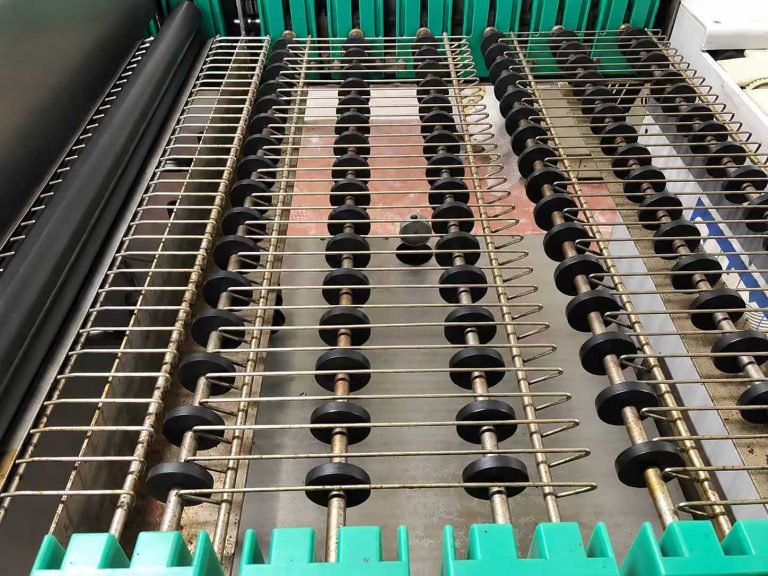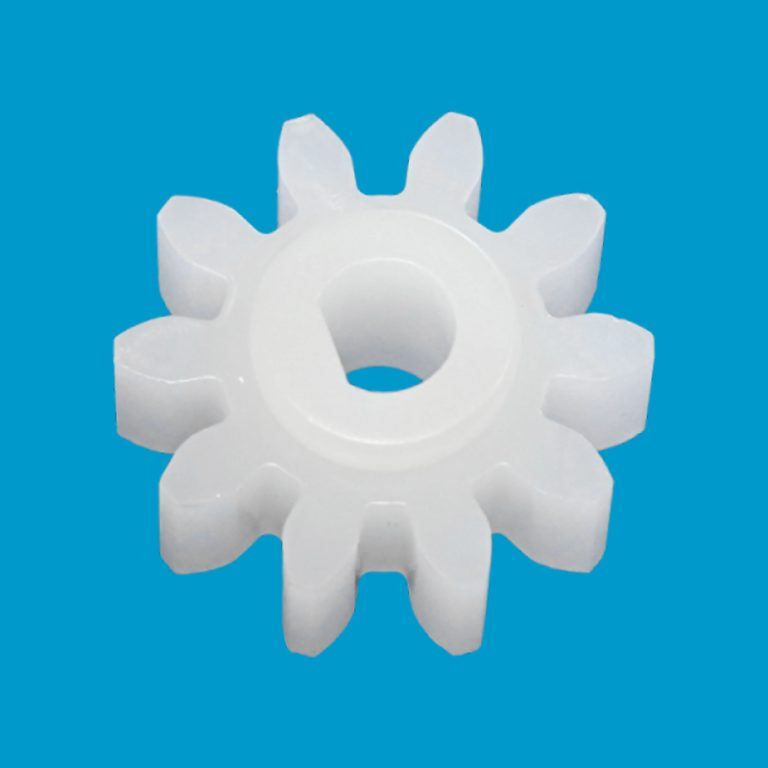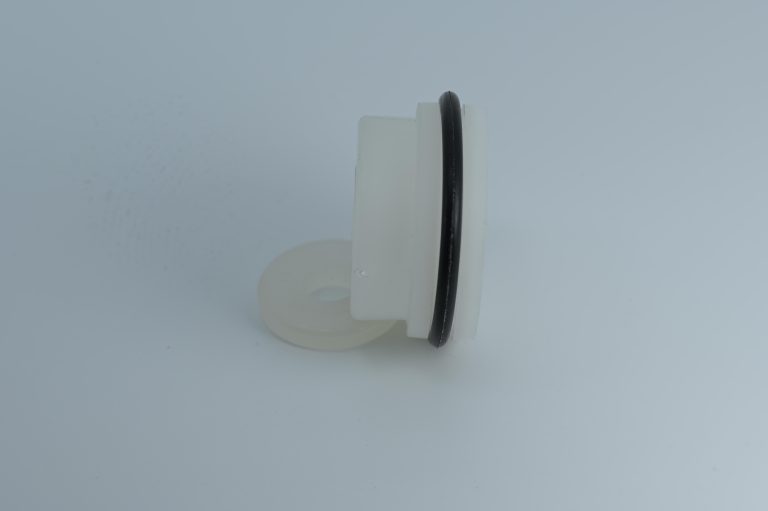
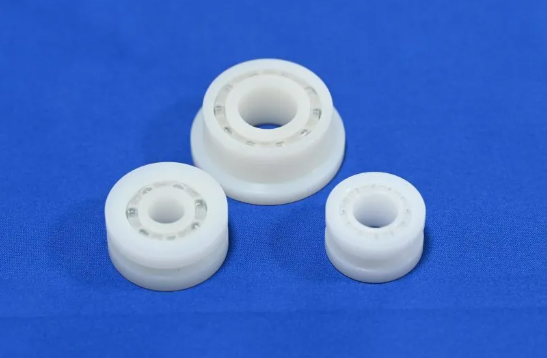
Efficiency in PCB inner layer developing affects production quality, process stability, and cost savings. In high-precision manufacturing settings, each part of the pcb developing machine needs to work with steady accuracy. This helps keep yield rates high. Conveyor roller systems help a lot. They make sure every printed circuit board panel gets even exposure to the developer solution. They also move the panels smoothly through the processing area. When roller setups work well, makers can cut down on surface flaws, boost output, and make equipment last longer. These are main points for staying strong in today’s electronics making.
What Factors Influence Efficiency in Inner Layer Developing?
The efficiency of inner layer developing relies on how well mechanical transport systems work with chemical steps. Conveyor rollers are key parts here. They shape uniformity and steadiness.
The Relationship Between Conveyor Rollers and Developer Uniformity
Roller design shapes how evenly developer solutions spread over PCB surfaces. Smooth rollers that are machined with care ensure steady contact between panels and the chemical spray. This stops streaking or overdevelopment. The material makeup and surface feel of rollers affect the flow of developer. They also affect how long it stays on copper layers. For instance, rollers coated with rubber or polymer give good grip. At the same time, they resist chemicals well. But if rollers are out of line or worn, they create uneven pressure spots. These lead to spotty development results. They also lower overall yield. So, checking roller condition now and then is vital. It keeps the process even.
The Impact of Speed Control and Pressure Settings
Once mechanical steadiness is set, operational settings like conveyor speed and spray pressure need fine tuning. Good matching makes sure each PCB stays under the developer for the right amount of time. It needs to be long enough for full exposure. But it should be short enough to avoid etching harm. Too much pressure can hurt fine copper traces. It might also lift resist films. Too little pressure causes incomplete development. Newer pcb developing machines use exact control systems. These adjust the settings on their own. They give steady results across production runs.
How Can Conveyor Roller Design Improve Process Stability?
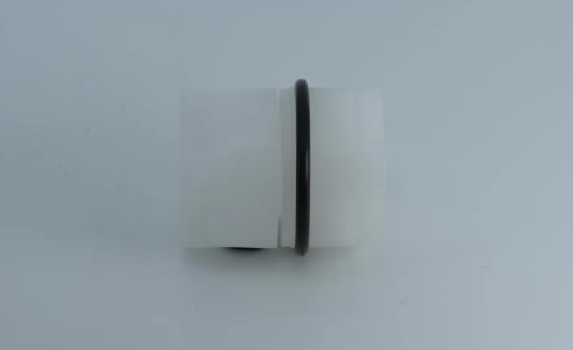
Improving roller design helps developer uniformity. It also boosts long-term process steadiness. This happens by cutting down vibration, slippage, and dirt risks.
Key Parameters in Roller Configuration
Main settings like roller diameter, spacing, and material choice must fit specific PCB thicknesses and panel sizes. Bigger diameters offer smoother shifts between rollers. They reduce bend stress on thin laminates. Coatings that stop slipping help avoid tiny scratches. These come from mechanical rub or stuck debris during movement. Plus, roller assemblies that can be swapped easily make upkeep simple. They let you replace parts fast without taking apart whole conveyor sections. This cuts downtime in ongoing production setups.
Enhancing Chemical Resistance and Durability
Developers in PCB making are often alkaline solutions. So, picking materials that resist chemicals for rollers is key. Stainless steel shafts with polymeric covers give strong structure and protection from rust. Bearings from sealed stainless or ceramic cut down breakdown from long chemical contact. Good cleaning steps help too. For example, regular rinsing with neutralizing agents keeps surface strength over many uses. It stops buildup that could change how transport works.
Why Is Alignment Calibration Critical for Consistent Results?
Even good rollers can lose their value if alignment shifts over time. This might happen from mechanical strain or heat growth.
Effects of Misalignment on PCB Quality
Rollers that are skewed or tilted cause uneven developer exposure across the panel width. This leads to uneven line widths. It also causes incomplete pattern removal at one side. Misalignment adds extra stress on panel edges. This can result in chipping or bending after lamination. Regular calibration keeps transport forces balanced. It ensures every panel moves evenly through the developing area.
Techniques for Accurate Alignment Adjustment
Getting exact alignment needs both hands-on skill and tech help. Laser tools give true reference spots for placing each roller next to others. New production lines use automatic feedback systems more often. These watch roller position with light sensors. They make small changes in real time to stop shifts during long runs. Set inspection routines check calibration truth at planned times. This keeps output quality steady.
How Does Maintenance Strategy Affect Long-Term Efficiency?
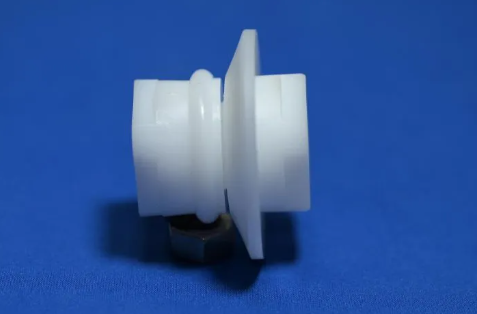
A smart maintenance plan stretches equipment life. It also keeps operational efficiency during big-volume making cycles.
Preventive Maintenance Practices for Conveyor Rollers
Regular lubrication cuts friction losses between moving parts. It lessens wear on bearings and shafts. Planned checks let workers spot early signs of surface wear. This includes cracking or swelling from chemical soak. Replacement times should base on total work hours and exposure conditions. They should not follow fixed date plans. This gives reliability without extra part swaps.
Data Monitoring for Predictive Maintenance Implementation
Adding sensors to conveyor parts allows real-time checks of vibration levels, temperature changes, and load shifts. These signs point to possible problems. Predictive analytics tools look at this data. They predict part failures before they stop production. When linked with Manufacturing Execution Systems (MES), these tools improve tracking. They connect maintenance notes with batch records. This helps with better planning.
Who Is Shenzhen Qixingyuan Machinery Equipment Co., Ltd.?
Shenzhen Qixingyuan Machinery Equipment Co., Ltd. is a skilled maker. They focus on well-made conveyor rollers for PCB making settings. Their products stress lasting strength, easy movement under high-output conditions, and strong defense against alkaline chemicals used in inner layer developing. The firm offers tech help services. These include custom choices fit to client needs. They also follow strict quality checks that match global industry rules. This makes them a trusted partner for advanced electronics makers looking for solid conveyor fixes.
Conclusion
Getting the most efficiency in inner layer developing relies on improving every bit of the conveyor system. This includes roller shape to calibration exactness and automation links. By paying attention to roller design settings, keeping alignment true through planned checks, using forward-thinking maintenance plans backed by predictive tools, and taking on digital automation tech, makers can get higher yields. They can do this with less stop time. At the same time, they can make machines last longer. Working with skilled suppliers like Shenzhen Qixingyuan Machinery Equipment Co., Ltd. gives access to well-tuned parts. These support ongoing top work across today’s PCB building lines.