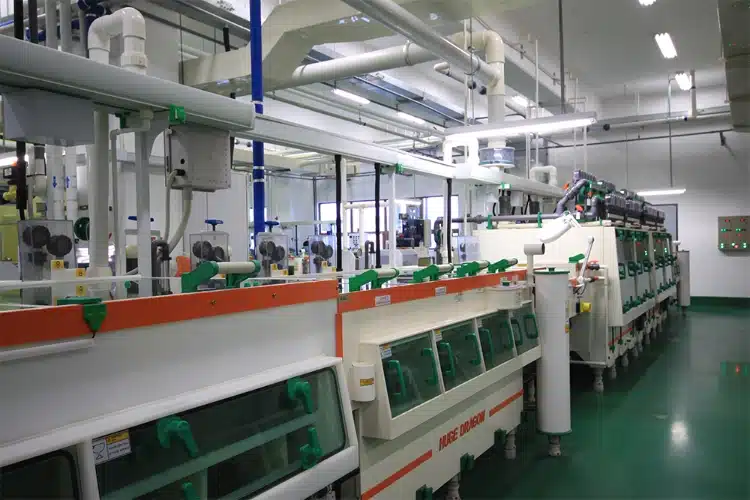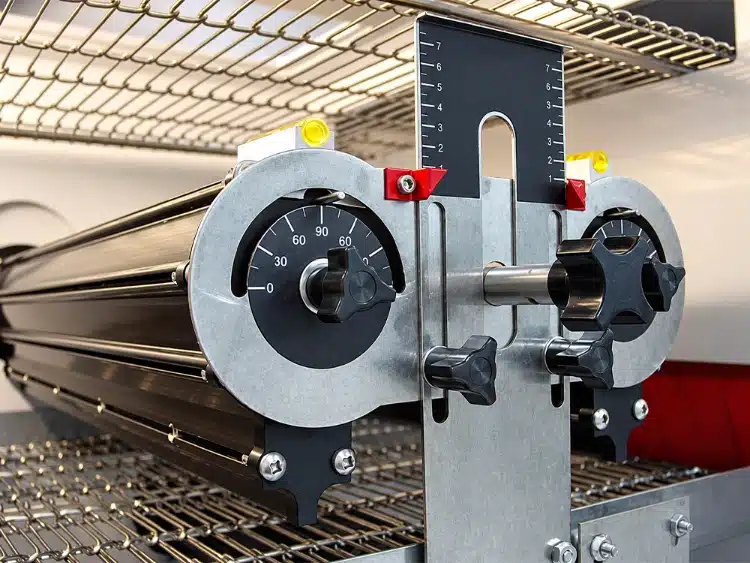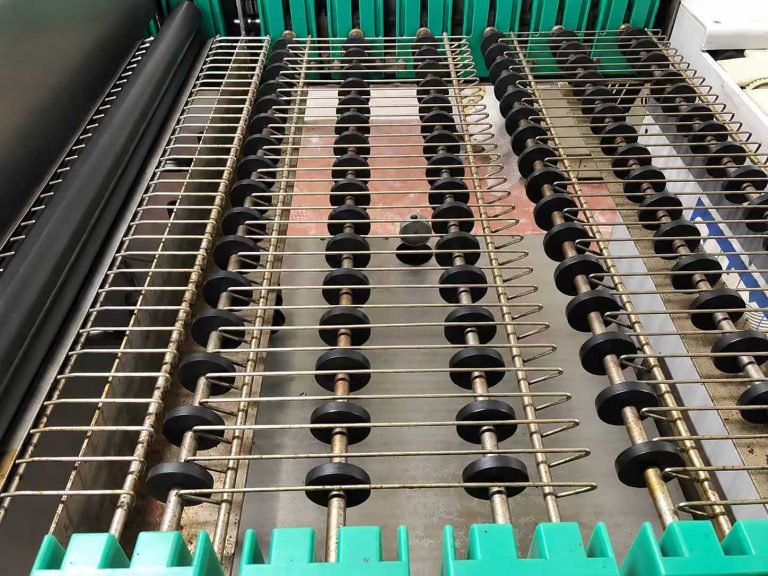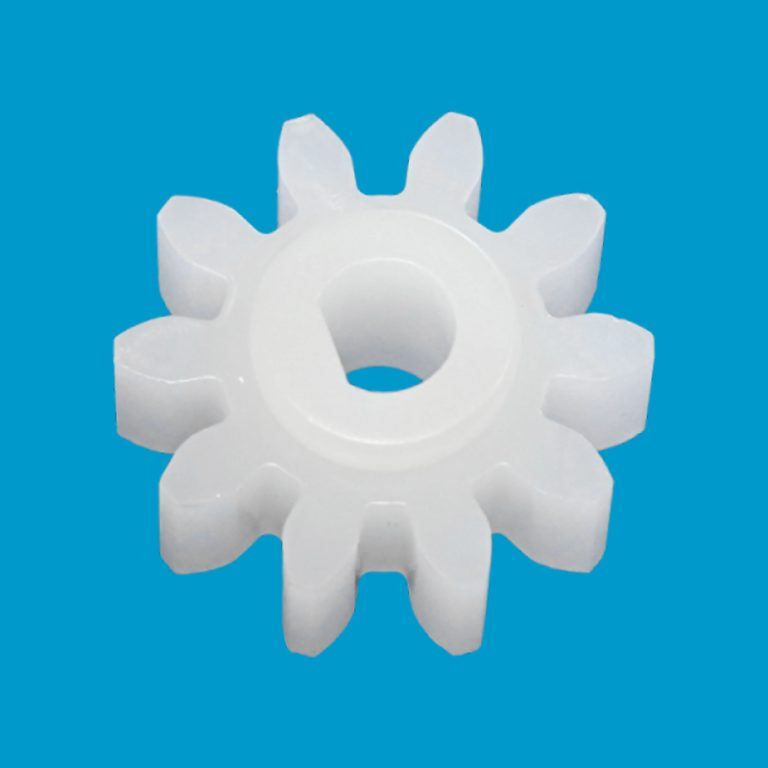
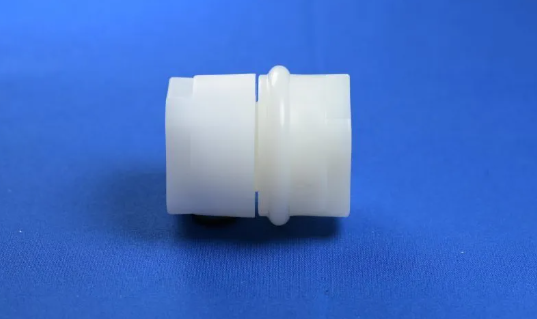
In today’s PCB manufacturing, conveyor rollers play a key part in keeping production smooth. They help each printed circuit board move easily through every step. These rollers allow steady and exact board travel. This is vital when shifting between automatic tasks like solder paste printing, part fitting, and reflow heating. Reliable movement cuts down on handling harm. It also keeps board position intact. As a result, vision check tools and robot arms work with great care. Plus, the makeup and outer layer of conveyor rollers affect board steadiness and purity. They stop dirt that might hurt electrical work.
The Relationship Between Roller Design and Process Efficiency
From simple tasks to better output, roller shape has a big impact on improving work speed. Better roller form lowers rubbing, shaking, and charge build-up. These issues can cause off-center boards or tiny marks on fine PCB sides. Good spread of weight over the roller group stops twisting or curving of slim bases. This happens especially in hot steps. So, improved roller shape adds to faster flow. It also brings steady accuracy in ongoing production rounds.
How Can Conveyor Rollers Be Designed for Chemical-Intensive PCB Environments?
Now, let’s look at how to build conveyor rollers for tough chemical settings in PCB work.
Identifying Chemical Challenges in PCB Manufacturing
PCB making includes several steps heavy on chemicals. These cover etching, coating, washing, and flux clearing. Each part puts conveyor rollers in touch with strong stuff like acids, bases, and cleaners. Such contact can wear down usual materials over time. It leads to rust or swelling on roller outsides. This harms size exactness and raises dirt risks. Thus, knowing how materials match chemicals is key. It helps pick choices that last in rough conditions.
Material Selection Strategies for Chemical Resistance
Choosing the right materials is main for long life in pcb conveyor roller setups in chemical areas.
Polymer-Based Rollers
Strong polymers are usually picked for their good guard against acids, bases, and organic cleaners in PCB lines. Items like PEEK (polyether ether ketone) or PTFE (polytetrafluoroethylene) hold size steady even with many heat changes. Their low outer energy also cuts down on sticky leftovers from flux or solder mix.
Surface Treatments and Finishing Techniques
Before adding to production paths, outer finishing improves roller work. Non-stick covers help block dirt from flux bits or solder drops in fitting steps. Rough outer layers boost grip. Yet, they keep soft touch with fine copper lines or solder covers. Also, ESD (electrostatic discharge) guard covers are added. They stop charge build-up that might harm touchy electronic parts during move.
What Engineering Factors Influence Custom Roller Design?
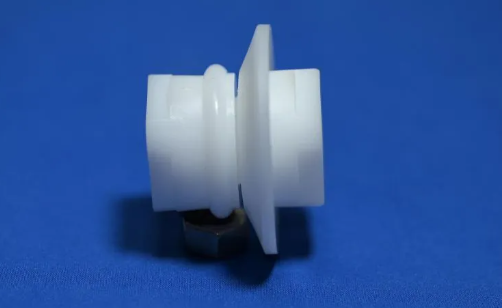
To get the best outcomes in pcb manufacturing, design groups must match exact mechanics with step flexibility. Several factors shape how custom rollers are made.
Dimensional Precision and Tolerance Control
Strict size limits make sure even board level all through the conveyor setup. This is a big point for auto pick-and-place tools and AOI systems. Exact cutting lowers wobble mistakes. Those could shift boards in solder cover printing or vision checks.
Load Capacity and Mechanical Performance Optimization
Right mechanical build makes sure rollers handle steady work under changing weights without break-down.
Bearing Selection and Alignment Systems
Bearings get chosen by weight limits and turn speed needs. They back non-stop work. Self-fitting bearing cases fix small frame off-sets. At the same time, they keep firm turn over long conveyors.
Shaft Design and Balancing Techniques
Active balancing ways cut uneven wear on roller tips and power parts. For wide conveyors where less weight matters, empty shafts give firmness without extra bulk. This boosts energy saving. It also keeps build strength.
How Do Customized Solutions Enhance Process Reliability?
Custom work makes sure each bit of the pcb conveyor roller fits the exact run setting of a maker’s line. This leads to better trust in the whole process.
Collaborative Design Between Engineers and Manufacturers
Tight teamwork between design builders and gear makers lets exact match between chemical touch outlines and mechanical needs. Online model tools allow testing of stress spread or chemical mix models before real samples are made. This cuts build time. It also boosts end work steadiness.
Long-Term Benefits of Tailored Roller Systems in PCB Production Lines
Made-to-fit fixes give longer use life. This comes from better material match with step chemicals. Better step steadiness makes sure steady product quality over big runs. It does this by cutting shifts from roller wear or dirt pile-up. Also, custom-built systems lower full cost of owning. They do so by dropping upkeep times and cutting surprise production halts.
Why Choose Shenzhen Qixingyuan Machinery Equipment Co., Ltd.?
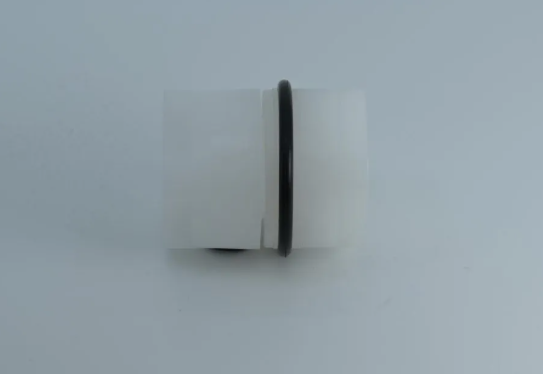
Shenzhen Qixingyuan Machinery Equipment Co., Ltd. stands out as a solid provider. It focuses on pcb conveyor roller build and making fixes made for hard electronic production spots. The firm blends top cutting tech with strict quality checks. This delivers rollers that work under tough chemical states common in today’s PCB making lines. Its build team works hand-in-hand with clients around the world. They create made fixes that improve both lasting power and step exactness. This makes it a sure ally for high-work auto gear providers.
Conclusion
The growth of conveyor rollers in pcb manufacturing shows a steady push for exact building and setting toughness. From picking chemical-proof materials like PEEK mixes to adding smart sensor tech for forecast upkeep, each new idea adds right to better output rates and less stop time. Made designs grown through teamwork between builders and providers like Shenzhen Qixingyuan Machinery Equipment Co., Ltd. make sure every production path hits top trust under special run limits. This proves how made building turns normal moving into a key edge for forward electronics making.