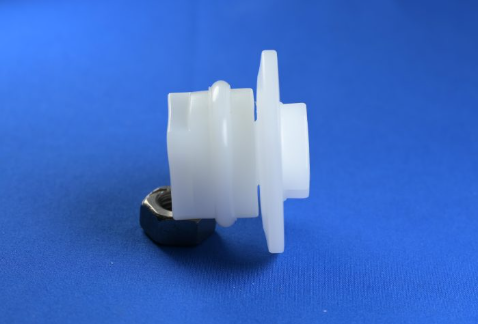
Accuracy forms the base of today’s PCB making process. Tiny errors can cause big problems in how well the boards work. In this setup, conveyor rollers act as key parts that move PCBs smoothly and without dirt from one step to the next. Their even shape affects how steadily boards move and how clean the line stays. If a roller bends from its planned form, it brings shakes, uneven force, and bits of junk. All these can harm the board’s quality and raise chances of dirt spreading. Keeping rollers straight matters a lot for steady work and the strong trust needed in making electronics.
How Does Roller Straightness Influence PCB Manufacturing Quality?
Before we look at dirt effects, we should check how roller parts help with making accuracy.
The Mechanical Role of Conveyor Rollers in PCB Lines
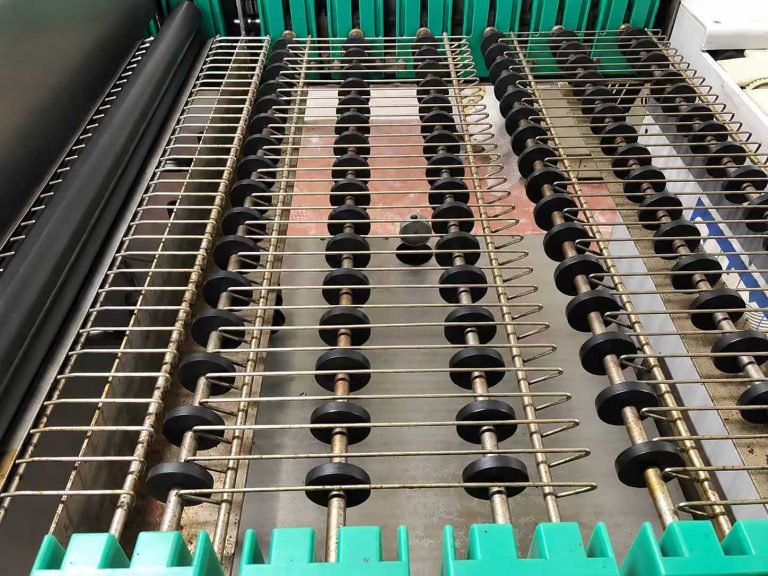
Conveyor rollers give firm support and steady movement for PCBs as they go through steps like etching, plating, or checking. Each roller needs to touch the board surface evenly to stop slips or wrong positions. If a roller bends or has an uneven size, it makes shakes that spread through the conveyor setup. These shakes can lead to place errors or uneven weight on many boards. Such shaky mechanics not only mess up process times but also speed up damage to rollers and belts. Good roller shape keeps steady straight movement. It also holds timing between conveyor parts and stops small shifts that might harm solder mask lining or part placing.
The Connection Between Roller Straightness and Surface Integrity
Surface quality is another area shaped by roller exactness. Uneven or bent rollers can make spot pressure on PCB panels. This leads to marks or tiny scrapes on copper lines or solder resist coats. These flaws often start spots for rust or power leaks later on. Plus, rubbing from off-line rollers can make small bits. These include metal dust from shafts or plastic bits from cover layers. Such bits can stick in solder joins or holes. Once there, they work as blocks to power or starters for rust. Keeping strong straightness cuts down on touch problems. It ensures even weight spread and lowers force stress that could twist thin boards in heat changes.
Why Does Roller Deviation Lead to Cross-Contamination?
We have seen the mechanics side. Now, we need to see how shape flaws turn into dirt risks.
Sources of Contaminants Resulting from Roller Imperfections
Bent rollers create small rub areas. In these spots, steady friction wears down cover coats or metal layers. This wear lets out junk made of stainless steel bits, aluminum pieces, or broken plastic leftovers. The roller type decides the junk kind. These bits move easily to later boards because of direct touch on the conveyor way. Also, rough surfaces from shape changes boost sticking of dust and chemical leftovers from work fluids. Over time, these bits build up. They move across many making steps. This makes a lasting dirt cycle that’s hard to stop without full system clean.
Effects on Electrical Performance and Reliability of PCBs
Even small amounts of dirt can weaken power work in new circuits. Metal junk caught under solder joins might make wrong power paths. This causes short circuits. Non-power bits can block good flow during heat soldering. As a result, joins get weak and easy to break from heat wear or shake breaks. Leftover films from plastic wear might change surface power traits too. This affects sticking during cover coat steps. Many of these bits are too small for normal light checks to spot. They hide risks that show up only after use in the real world.
What Are the Key Factors Affecting Conveyor Roller Straightness?
Roller bending comes from built-in making factors and outside work effects that grow with time.
Material Selection and Manufacturing Precision
Choosing the right roller material sets how well it holds shape under weight and heat shifts. Stainless steel gives strong stiffness and rust block. But it needs exact cutting to keep close limits. Aluminum is lighter but bends more under push. Engineering plastics fight chemicals well but hold size poorly in high heat. Getting the best shape means controlling cut limits in tiny measures with CNC grinding and exact turning jobs. Heat treatment steps ease inside stresses that might cause warp after making. Fine surface work also cuts rub wear during use.
Environmental and Operational Influences on Deformation
After long use, outside settings like heat changes and wet shifts can cause heat grow mismatches between roller centers and covers. In the same way, steady weight push, mainly in fast lines, can lead to slow bend from material tiredness or bearing off-line. Regular care steps like oil checks, line checks, and pull balance help cut these effects. They ensure even weight spread over all rollers.
How Can Manufacturers Ensure Optimal Roller Alignment?
To keep long-term accuracy in PCB conveyors, makers must mix measure control with stop-ahead care plans. This approach helps maintain smooth operations over time.
Measurement Techniques for Assessing Straightness Accuracy
Good checking starts with clear tools like laser line systems. These can spot tiny bends under a millimeter along roller lines. Dial gauges on firm frames can measure wobble during spin tests too. Regular setup checks keep these tools trusty over time. Thus, they allow early spot of bending before it hits making output.
Preventive Maintenance Strategies for Long-Term Stability
Normal cleaning with soft cleaners stops leftover build that could change roller balance or add new dirt to the setup. Care plans should cover eye checks for cover wear and size checks against first specs. From wear study data over work rounds, makers can set change times fit to line settings. This ensures steady work without surprise stops.
Why Is Precision Critical for High-Density PCB Production Lines?
As electronic tools move to smaller size and more complex circuits, making limits get much tighter. This shift demands careful handling in every step.
Increased Sensitivity in Advanced PCB Designs
High-density interconnect boards have thinner lines and closer part spaces than old designs. They react more to bit dirt or touch stress. Even tiny junk from bad rollers can link nearby wires or mess with light-print steps in making. So, getting super-clean move needs perfect line systems. In these, every roller keeps steady straightness all through its work life.
Who Is Shenzhen Qixingyuan Machinery Equipment Co., Ltd.?
Shenzhen Qixingyuan Machinery Equipment Co., Ltd. stands out as a skilled maker focused on exact conveyor parts for PCB making spots. The firm works on making high-straightness pcb conveyor rollers built for lasting strength in tough work settings. They cut dirt chances with new finish methods and strict quality checks. Their skills help world clients boost flow speed while keeping top clean rules in build lines. This makes them a sure pick for makers who value trust in large electronics making.
Conclusion
Keeping exact conveyor rollers line is basic for stopping dirt spread in PCB making lines. Even small off-shapes harm move steadiness and add bit sources that risk long-term board trust. By putting money in exact-made rollers plus active check routines and setting controls, makers gain better output rates, steady quality results, and lower care costs. In the end, this builds their strong place in new electronics making.