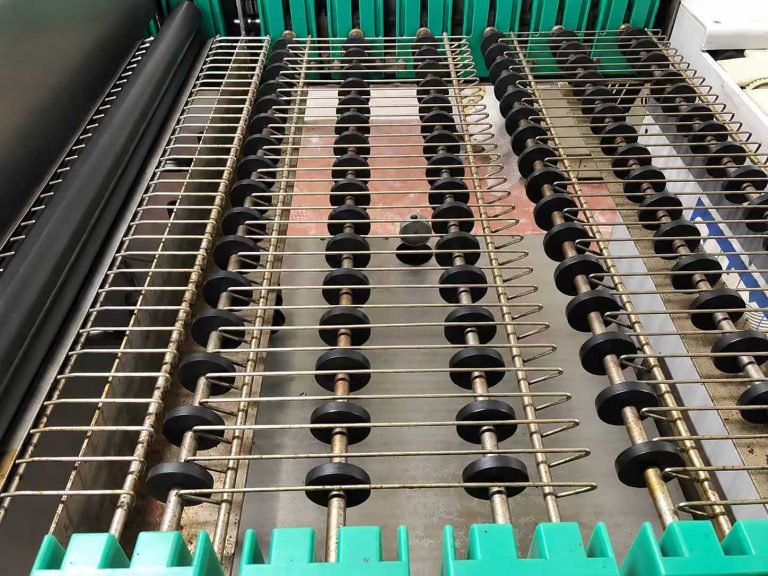
In today’s fast-paced PCB production setups, smooth handling of PCB boards is key to keeping steady output and high product standards. Boards move non-stop through various steps like etching, cleaning, plating, and drying. This needs exact mechanical teamwork. Yet, a common headache in these setups is board jamming. It stops work and can harm delicate printed circuit boards. The main issue here is the accuracy of conveyor rollers, especially their concentricity. Small flaws in roller shape can mess up board position and movement. This leads to expensive delays and lower production rates.
What Causes Board Jamming in High-Speed PCB Lines?
Good PCB board handling relies on solid mechanical work and steady processes. If these slip from best conditions, boards get out of line and jam. Let’s look at the main reasons.
Mechanical Factors Leading to Board Misalignment
Mechanical problems often start transport troubles. Differences in roller size or off-center spinning cause bumpy straight movement over the conveyor width. As a result, boards twist or stop. Old or badly fitted conveyor rollers create uneven grip levels. This brings slips or sharp pulls during shifts. Plus, shakes from motors or frame vibrations make position mistakes worse as speeds rise. So, alignment gets harder to keep.
Process and Environmental Influences
Mechanical wear is not the only issue. Outside factors affect roller work a lot. In quick operations, tiny changes grow into big alignment headaches. Heat changes can make metal parts expand. This shifts roller gaps and pressure on board surfaces. Also, dirt like dust or chemical leftovers build up on rollers. They cut down hold and raise jam chances.
How Does Roller Concentricity Affect PCB Board Handling?
Understanding roller concentricity helps explain its big role in smooth PCB board handling in fast production lines. The exact shape of each roller decides how evenly it passes motion over its area. Now, we dive deeper into this link.
The Relationship Between Roller Geometry and Transport Stability
Conveyor rollers with true concentricity give even straight speed over their full circle. Thus, every part of a PCB travels at the same pace. There is no side slip or shake-caused shift. But if concentricity is off, it adds repeating speed changes. These show as rough motion or twisted paths. In the long run, this bumpy action raises jam dangers. It also speeds up damage to rollers and boards. Even rollers cut shake spread through the conveyor structure. They shield thin circuit layers from tiny scratches or bend strain.
Measurement and Assessment of Roller Concentricity
To ensure solid PCB conveyor roller work, makers use careful tools like dial gauges and laser setups for checks. These spot small flaws in roller roundness or shaft fit before fitting. Limits for concentricity come from run speed and board dimensions. Quick lines need stricter limits to keep parallel rollers in sync. Regular upkeep plans must check roller shape now and then for lasting steadiness.
What Are the Engineering Solutions to Prevent Jamming?
To fix jamming, we need better designs and steady upkeep habits that keep mechanical strength over time. These steps build a reliable system.
Design Improvements in Conveyor Rollers
Before we talk upkeep, think about how smart design boosts system trust. Good changes start at the build stage.
Material Selection and Surface Treatment
Choosing materials that fight static and resist wear keeps grip steady in different moisture levels. Special coatings like tough plastics cut dirt buildup. At the same time, they hold firm during long runs.
Structural Optimization for Balance and Rigidity
Stronger roller shafts stop bending under big weights at fast spins. In making, balance methods fix wobble issues. This avoids off-center turns in daily use.
Maintenance and Calibration Practices
Top designs still need active upkeep for steady results. Habits like these keep things running well.
Regular Inspection Protocols
Standard checks look at roller wear signs, bearing health, and fit accuracy. Keeping records of these over time helps predict weak spots. So, fixes happen before they halt work plans.
Alignment and Replacement Procedures
If re-setup is needed, clear steps ensure even gaps across rollers in a line section. Rules for swapping bad rollers without full stops help keep flow going. This cuts delay costs.
How Can Process Control Enhance Conveyor Performance?
New control tools let engineers watch conveyor systems live, not just by hand. This brings better oversight. Let’s see how it works.
Data Analysis for Predictive Maintenance
Gathered work data shows wear shifts or line errors in PCB conveyor rollers. Smart analysis tools handle this to guess upkeep times better than set dates. Thus, fixes come before drops in work lead to jams.
Why Is Supplier Quality Critical for Reliable PCB Conveyor Rollers?
The build quality of parts from suppliers decides if a fast line runs smooth or faces many halts from mechanical slips. Strong suppliers make a real difference.
Importance of Manufacturing Precision in Roller Production
Suppliers with top machining tools hit the close concentricity needs for new auto lines. Full quality checks, like balance tests under real loads, prove each part’s steadiness in actual settings.
Evaluating Supplier Expertise and Support Services
More than build skill, supplier know-how offers advice fit to line setups. Quick access to spare parts cuts stop risks. It allows fast fixes from surprises without missing deadlines.
Who Is Shenzhen Qixingyuan Machinery Equipment Co., Ltd.?
To wrap up our look at reliable engineering in PCB board handling systems, note a top supplier for worldwide PCB work.
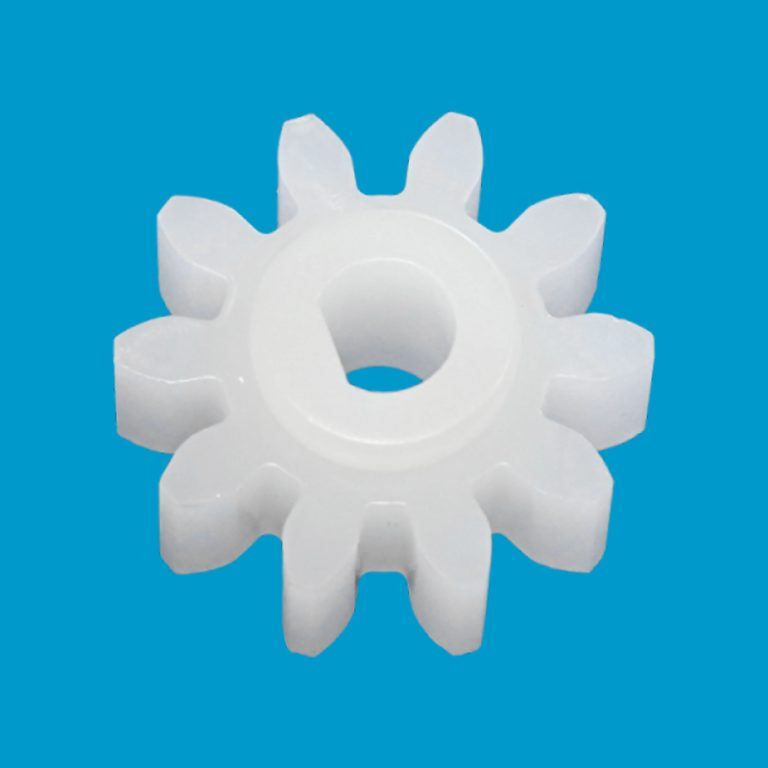
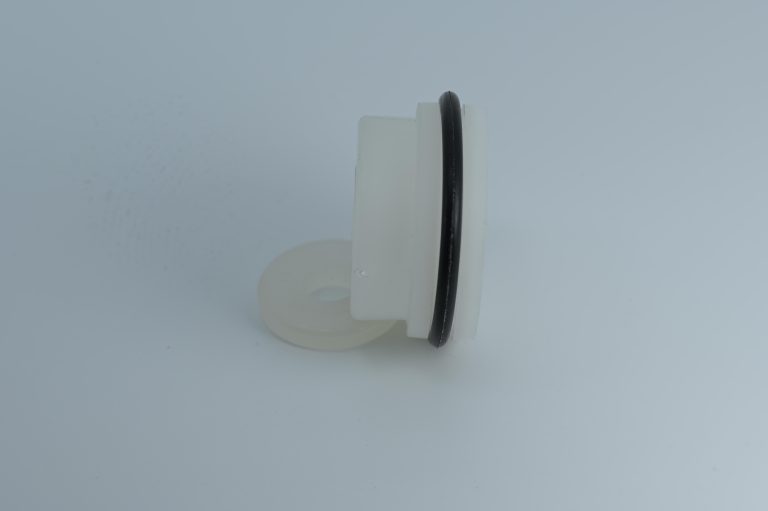
Shenzhen Qixingyuan Machinery Equipment Co., Ltd. focuses on parts for PCB horizontal line wet gear. Their lineup covers well-made conveyor rollers, gears, bearings, shafts, tanks, spray pipes, pumps, filters, heaters, sensors, valves, air knives, motors, chains, belts, brushes, nozzles, couplings, fans, and more. All built for tough use. They stress exact making standards for fit with global PCB lines. Ongoing new ideas come from teaming with gear makers and users around the world.
Conclusion
Roller concentricity stays a top factor in work speed for high-speed PCB board handling systems. Keeping exact shape in each conveyor part lets makers cut jam risks. It also holds steady board flow over long runs. Mixing strong build ideas with steady upkeep stretches gear life. It keeps output quality even in tough schedules. Teaming with solid suppliers like Shenzhen Qixingyuan Machinery Equipment Co., Ltd. gives key exact parts for trusted work in advanced PCB build spots.