spur gear
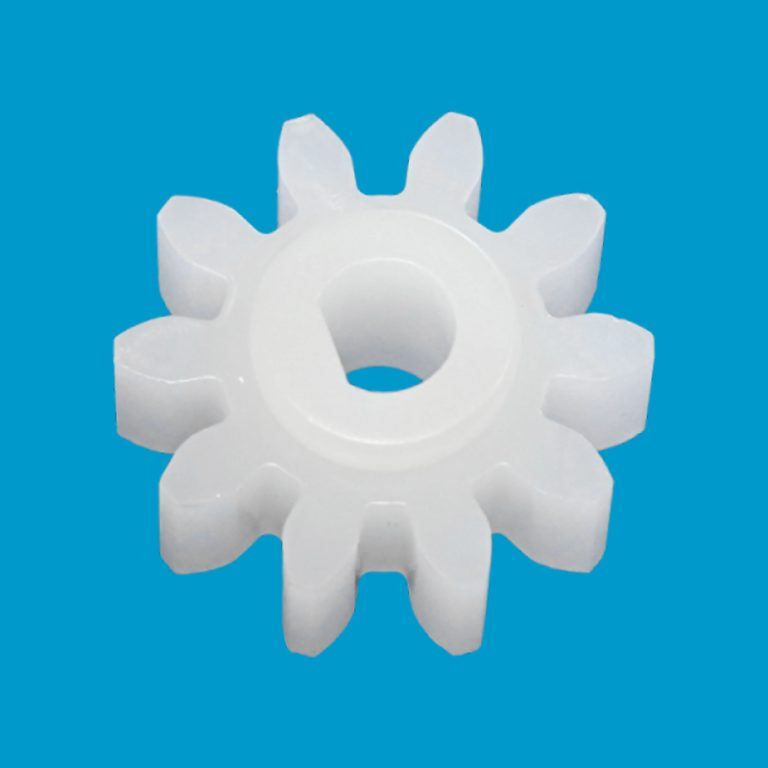
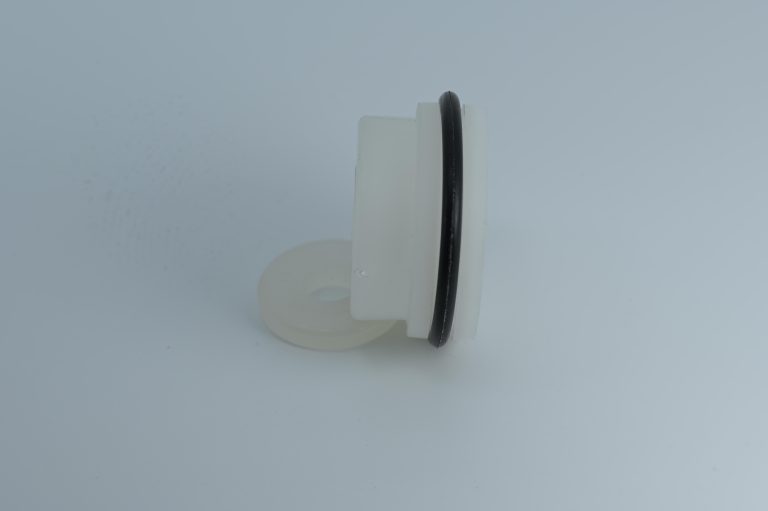
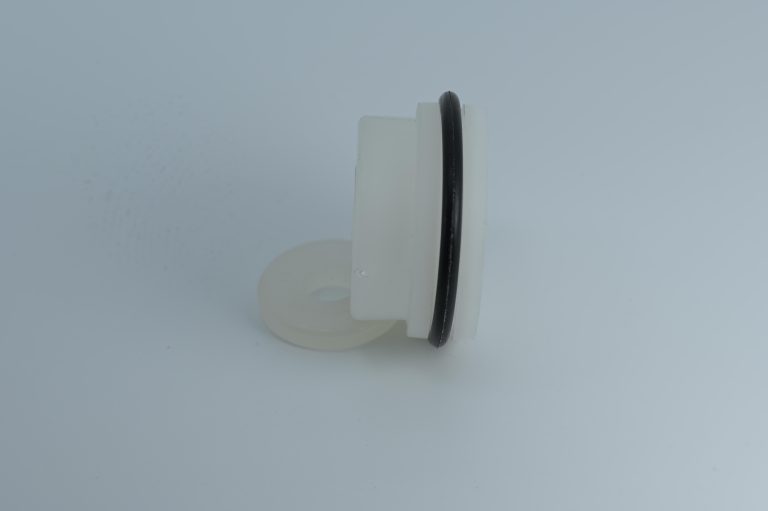
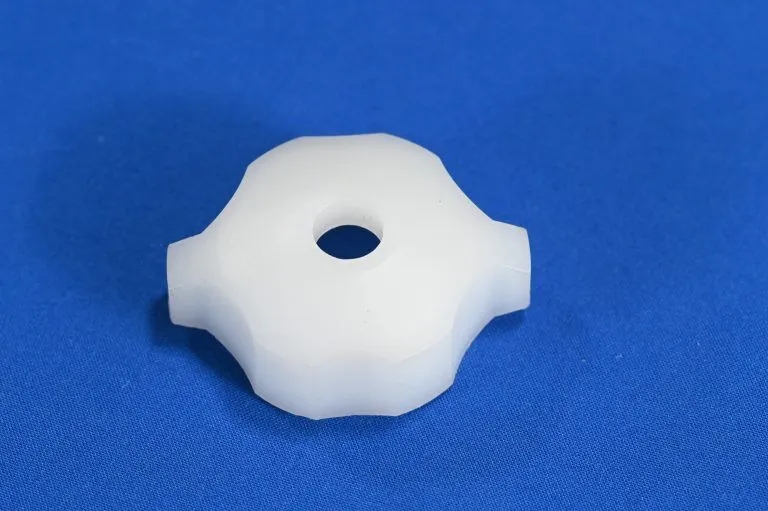
Spur gears can be made from plastic, such as acetal or nylon, or metal. Plastic spur gears are lightweight, non-rusting, and quiet, making them a good choice for medical equipment and food production. Metal spur gears are stronger, can carry more load, and are more heat resistant than plastic gears.
Spur gears are a type of cylindrical gear with straight teeth that are parallel to the gear’s axis. They are used to transfer motion and power between shafts to regulate speed, torque, and power. Spur gears are often used in mechanical systems because they are efficient at adjusting speed and torque.
Here are some characteristics of spur gears:
Design: Spur gears are simple in design, with straight teeth around the circumference of a cylinder.
Performance: The performance of a spur gear is significantly influenced by its design and construction.
Noise: Spur gears can be noisy, especially at high speeds.
Tooth profile: The tooth profile of a spur gear is usually a portion of an involute curve.
Pressure agle: The standard pressure angles for spur gears are 14.5 and 20 degrees.
Ratios: The gear with more teeth is called the “gear” and the one with fewer teeth is called the “pinion”.