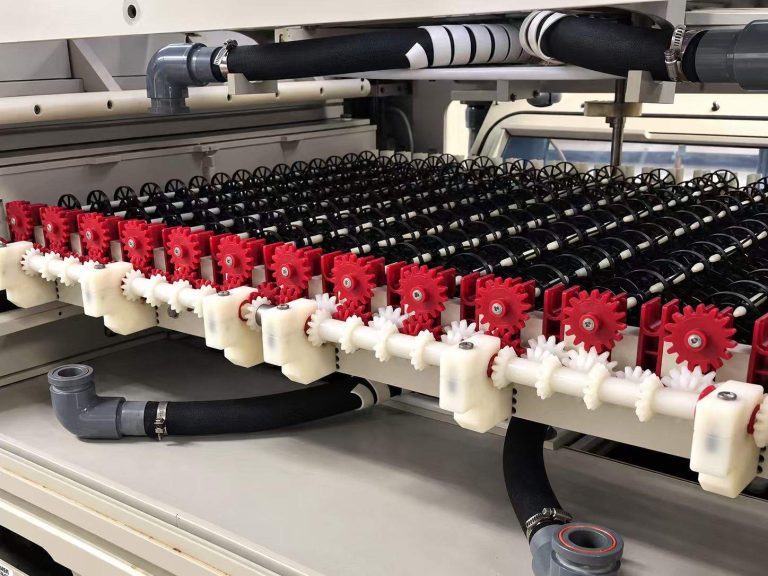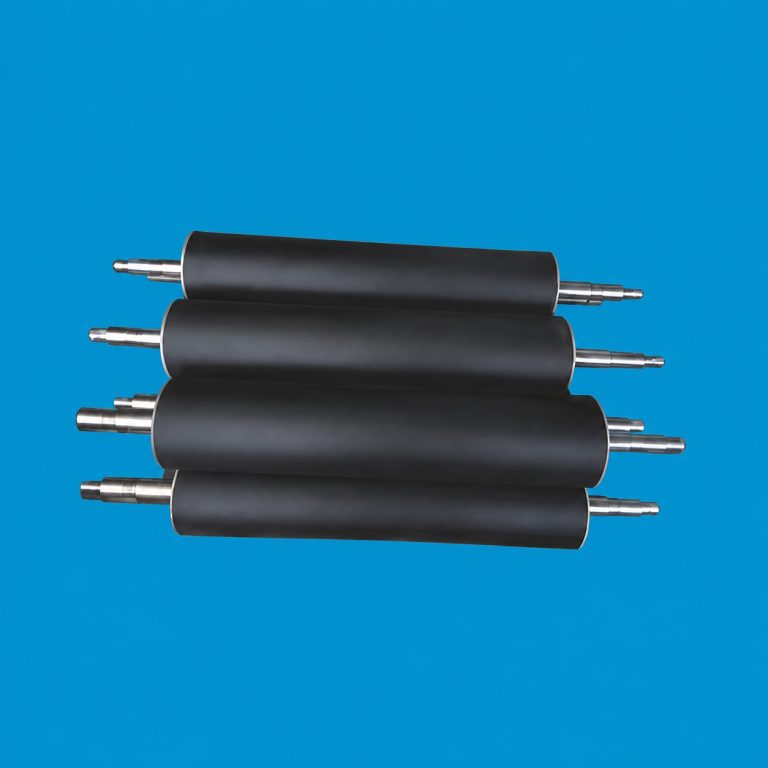
This guide gives maintenance and purchasing teams a practical way to review the relevant PCB wet-process replacement before a part is released for routine use.
Match the Service Rhythm to Line Duty
A fixed replacement calendar can waste good parts or miss a fast fault. Start from a clean reference and adjust the rhythm to exposure, filtration, stoppages, and observed drift.
Record a Baseline After Installation
Photograph the spray at approved pressure. Record nozzle position, cap orientation, filter condition, and test liquid. Keep any permitted pattern-board or catch-test result. Another technician should be able to recognize a change in fan width, edge definition, or distribution.
Shorten the Interval Where Deposits Build Faster
Nozzles near tank corners, return zones, or poorly flushed headers may foul first. Lines that stop with liquid in the pipe need closer attention. Shorten the interval after recurring blockage, panel marks, pressure drift, or unequal wear between spray bars.
Qixingyuan supplies ceramic nozzle core components and spray-line parts for PCB horizontal wet processing equipment. Nozzle position, liquid duty, photographs, and service history help its team discuss a practical replacement rhythm.
Read Wear Signals Before Any Intervention
An irregular spray does not prove the insert has failed. Read the evidence in order so a filter, seal, or header problem is not mistaken for nozzle wear.
Compare Pattern Evidence Across the Nozzle Bank
Check adjacent nozzles at the same pressure. One narrow or split fan suggests blockage, assembly error, or edge damage. Similar changes across a bar point toward pressure, filtration, or pipe contamination. Note whether a panel defect follows one lane or repeats across the width.
Separate Blockage From Permanent Geometry Change
Inspect the orifice and seat under good light. Film may distort the fan without changing the ceramic. A chip, crack, rounded edge, or repeated fault after approved cleaning is stronger evidence. Sharp metal can create the suspected damage.
Qixingyuan can review pattern photographs, removed assemblies, and blockage evidence when matching parts. Its scope includes nozzle cores, complete nozzles, pipes, joints, and filtration components for wet-process spray systems.
Protect the Ceramic Surface During Deposit Removal
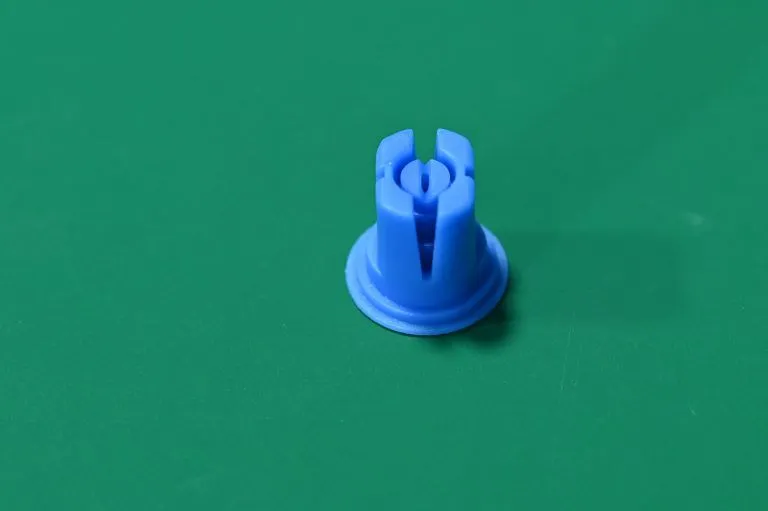
Ceramic resists wear, but its discharge feature remains vulnerable to impact and aggressive cleaning. A controlled method protects both the part and the diagnostic evidence.
Use a Documented Cleaning Sequence
Follow the line owner’s approved procedure. Remove loose residue with compatible liquid and a non-damaging method, then rinse and retest. Keep parts separated by position; mixed caps, seals, and cores can resemble a product defect.
A practical ceramic nozzle cleaning record should include:
nozzle bank and exact position;
removal reason and pattern symptom;
cleaning liquid, time, and method;
condition of the core, cap, and seal;
pressure and result of the post-cleaning check;
return-to-service or replacement decision.
Stop When Cleaning Becomes a Rework Process
Drilling, grinding, filing, or forcing wire through the opening is uncontrolled modification. The geometry no longer matches the reference. Quarantine that core instead of returning it to service.
Qixingyuan can identify a ceramic nozzle core from an intact sample, drawing, or dimensional photographs. For repeat orders, a controlled sample is more reliable than a heavily modified reference.
Treat the Cap, Seal, and Core as One Process Requirement
Many spray faults begin outside the insert. The cap controls retention and orientation; the seal affects seating and leakage. Confirm these interfaces before treating a core as interchangeable.
Inspect Every Mating Surface
Check the core seat for deposits. Examine seals for flattening, swelling, cuts, or wrong thickness. Inspect cap threads and orientation marks. A core that sits high, tilts, or moves can change the fan despite correct orifice geometry.
Define the Replacement Scope Before Quotation
State whether the request covers the core, a core-and-seal set, or the complete PCB spray nozzle. Provide connection, cap and seal geometry, liquid exposure, pressure range, position quantity, and an unused reference. Mark interfaces that must fit the header.
Qixingyuan supplies ceramic cores, nozzle assemblies, and connections. Matching can consider the cap, seal, seat, orientation, and spray duty rather than outside appearance alone.
Judge the Batch Against the Process Target
Dimensions do not show how an assembly behaves under pressure. A staged review keeps one uncertain part from becoming a full-bank event.
Check the Trial Parts Before Installation
Confirm the reference, quantity, condition, key dimensions, seating faces, and orientation. Separate trial parts, install them in known positions, and label removed cores for traceability.
Compare the Pattern Under Representative Conditions
Start with a low-risk setup, then move to the approved range. Check leakage, retention, pattern direction, fan overlap, pressure, and panel evidence. Record the result, position, and purchase decision.
Qixingyuan can supply a trial quantity and retain the accepted ceramic nozzle core reference for repeat orders. One record lets maintenance, engineering, and procurement judge the same evidence.
About Shenzhen Qixingyuan Equipment Parts Co.
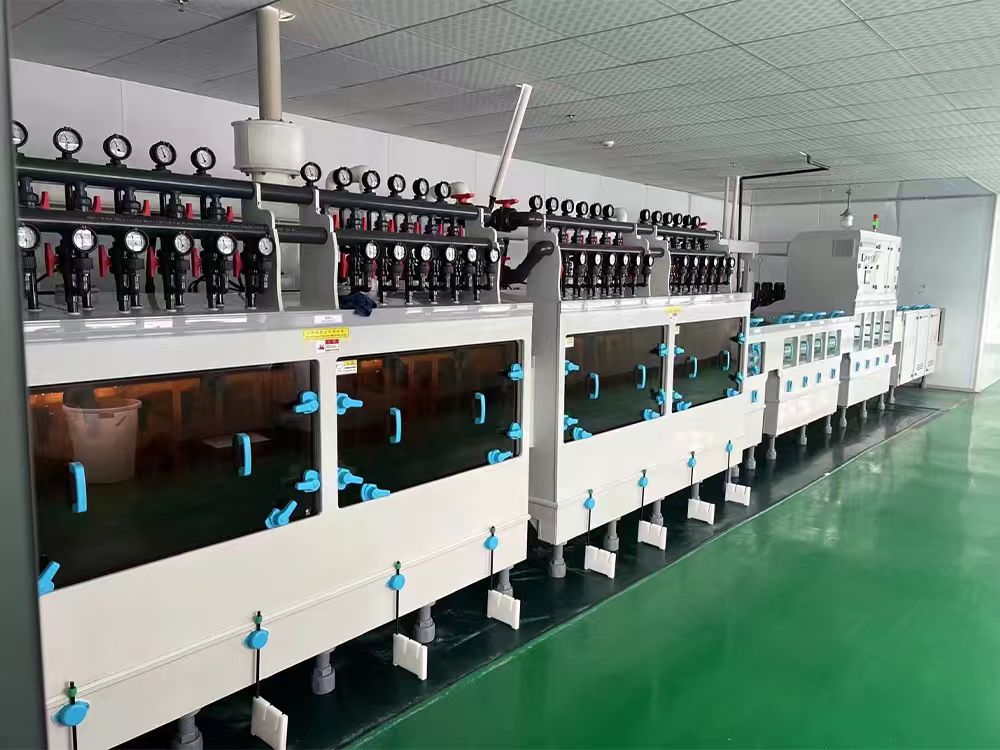
Shenzhen Qixingyuan Equipment Parts Co. is a supplier of spares and parts for PCB horizontal wet processing equipment. Its range includes ceramic nozzle cores, spray nozzles, pipes and joints, filters, rollers, gears, bearings, and other wet-line components. Buyers may submit a drawing, intact sample, assembly photographs, process position, liquid duty, pressure information, and the cap or seal that mates with the core. Qixingyuan can review the core with its connection and surrounding spray system. When an installed part is worn or modified, uncertain dimensions can be marked for buyer approval instead of copied. Trial quantities and incoming inspection let buyers verify fit, retention, and pattern before repeat purchasing. An accepted sample can also give maintenance and procurement a common reference. Final line settings, chemical compatibility, cleaning methods, and production acceptance remain under the equipment owner’s control.
Qixingyuan’s role is to provide traceable replacement support and relevant wet-process parts while keeping operating assumptions visible to the buyer.
Conclusion
A ceramic nozzle core should be managed through evidence, not a fixed replacement date or a quick visual judgment. Set inspection intervals from line conditions, compare patterns across the bank, use a non-damaging cleaning method, inspect caps and seals, and release replacements through a controlled trial. These records help separate a true core fault from pressure, filtration, assembly, or maintenance problems.
Qixingyuan can review ceramic nozzle core samples, assembly details, pattern evidence, and operating context for PCB spray lines, then support trial and repeat supply against an agreed reference.