This guide gives maintenance and purchasing teams a field-by-field way to review pressure sensor interfaces on PCB wet lines before a replacement is released.
Identify the Failure Before Ordering
Start with the symptom and the operating state. A displayed value that changes may come from the sensor, wiring, supply, controller input, or process conditions. Record the alarm, the time, the line position, and the value shown by the local and control interfaces where available.
Separate Signal Faults From Process Changes
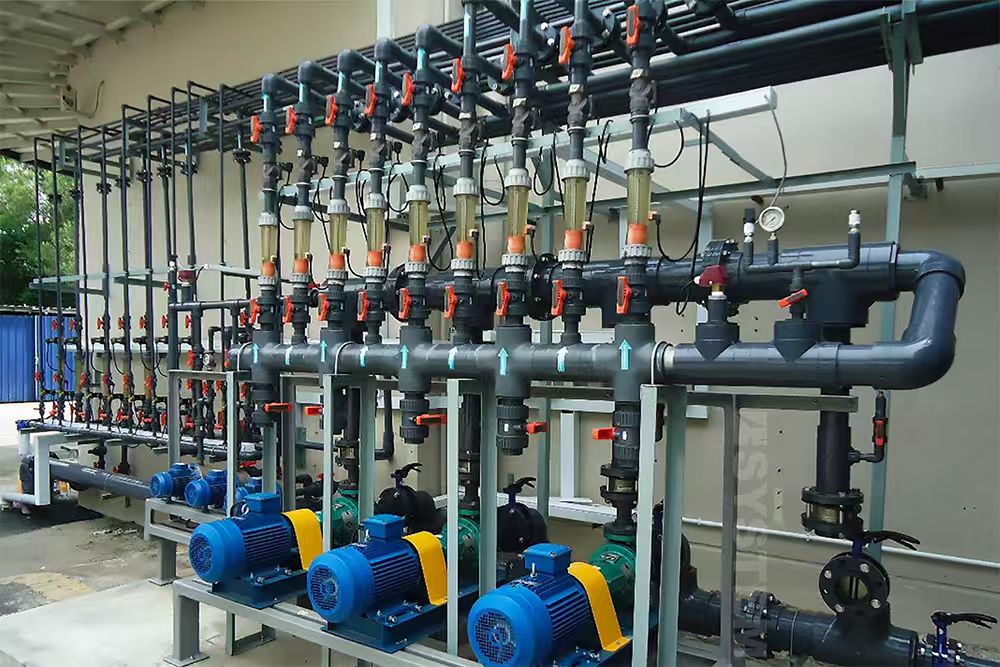
Check whether the indication changes with a known process event. Note loose plugs, damaged cable jackets, wet connectors, visible leakage, or a recently changed fitting. Keep the old sensor installed until the responsible technician has recorded the evidence.
Qixingyuan supplies PCB wet-process equipment spares and custom replacement components. A symptom record and a clear installed photograph help its team review a pressure sensor replacement without treating the first alarm as proof of sensor failure.
Qixingyuan can review the port, seal, and mounting envelope from the buyer’s marked drawing or installed photographs before a pressure sensor replacement is specified.
Build a Port and Seal Record
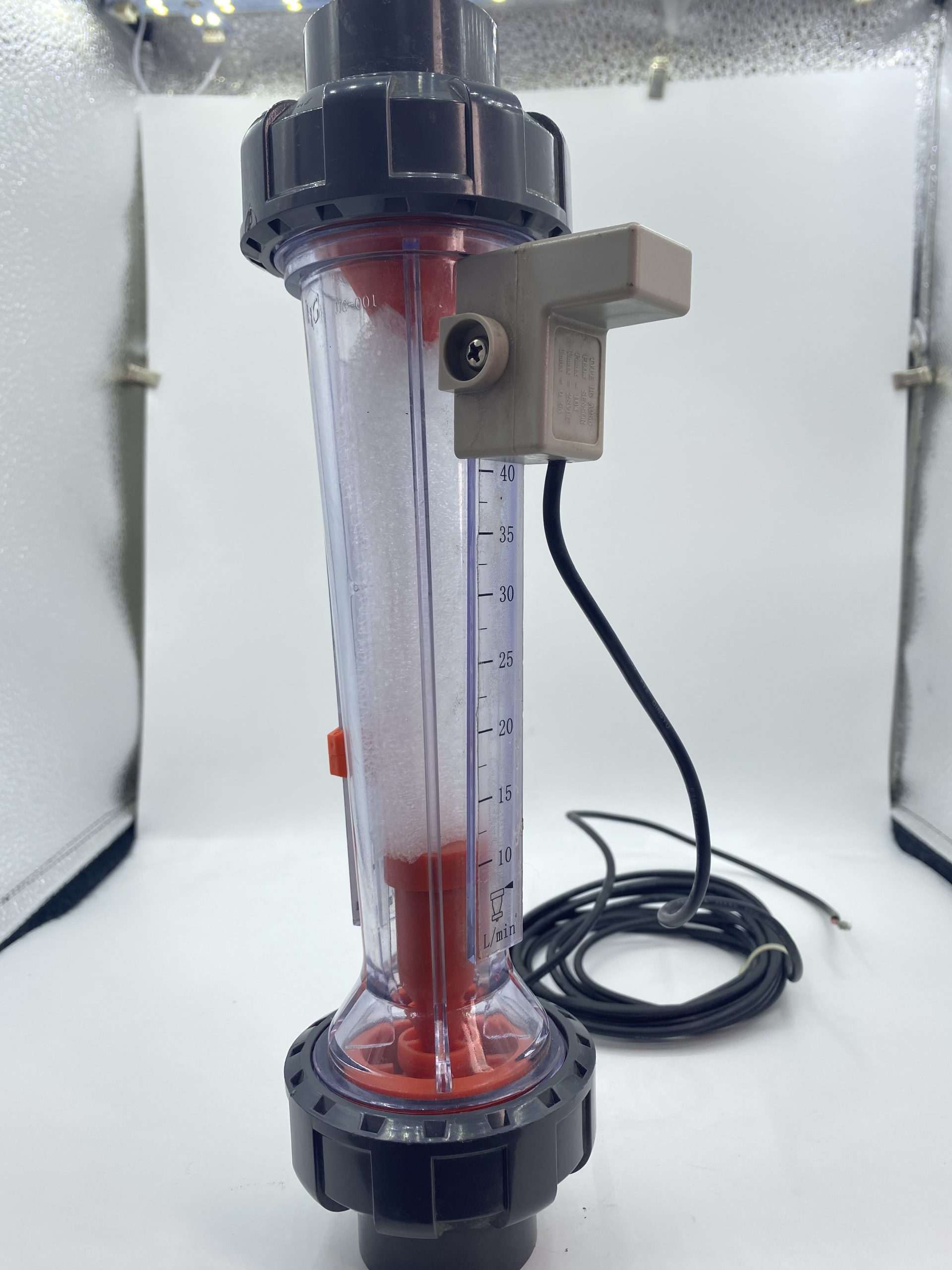
The process connection controls the mechanical fit. Record the port form, size, thread or fitting description used by the plant, sealing method, insertion depth, and the available wrench or service clearance. Photograph the connection from two sides and include a scale reference.
Capture the Wetted Boundary
State the fluid or approved service description, expected operating conditions, and which parts are exposed to the process. Do not infer chemical compatibility from the sensor body colour or from a generic product label. Ask the supplier to review the defined duty and the plant material restrictions.
Record the Mounting Envelope
Measure the distance from the port to the cable bend, guard, panel, and adjacent pipe. Note whether the sensor points up, down, or sideways. A replacement can fit the thread and still collide with a cover or leave the connector in a wet path.
Qixingyuan can review the port, seal, wetted boundary, and mounting envelope together. Send the installed drawing or marked photograph with the inquiry so the proposed pressure sensor is checked against the complete interface.
Keep unknown fields visible. A table is a request checklist, not a substitute for the equipment drawing.
For output and connector selection, Qixingyuan can compare the old label, wiring record, and required control signal with the proposed replacement configuration.
Match Output, Supply, and Connector
The output signal must suit the receiving control input. Record the signal type, supply requirement, connector family, pin information available to the plant, cable length, and shielding or grounding practice. Ask the controls owner to approve any change in signal or wiring.
Do Not Copy a Label Without the Interface
Two sensors can show the same pressure unit while using different outputs or connector pinouts. Photograph the complete label and the connector, then compare it with the approved electrical record. If the old label is damaged, send the best available drawing and cable information for review.
Qixingyuan can review a pressure sensor inquiry with the old label, port image, wiring record, and required signal. The final output and connector arrangement should be confirmed for the order before installation.
Compare Range and Installation Conditions
Record the normal operating point, expected upper condition, pressure spikes known to the equipment owner, and the approved measurement range. Do not choose a range from a single transient reading. The process owner should confirm what the sensor is intended to measure and how the control system uses it.
Prepare the RFQ Package
Include the sensor photographs, port and seal record, output and supply details, installation envelope, process description, quantity, required delivery date, and the drawing revision. Mark measured dimensions and copied dimensions separately. If an old sensor has been modified, identify those changes.
Useful RFQ attachments include:
a marked-up connection drawing;
a label and connector photograph;
a machine-position photograph showing clearance;
the approved range and signal requirement;
the acceptance procedure or commissioning record.
Qixingyuan supports procurement teams that need a documented replacement package for PCB wet lines. Include the range decision, connector information, and clearance record so the supplier can respond to the actual installation rather than a generic pressure sensor request.
Qixingyuan can help procurement organize the range, connector, clearance, and service information into a clearer PCB wet-line RFQ.
Release the Replacement Through a Controlled Check
On receipt, compare the item with the approved quotation and drawing. Check the port, seal, body, connector, label, quantity, and visible condition before opening the line. Hold any discrepancy for the equipment owner and supplier-quality contact.
Record Leak and Signal Checks
Follow the plant-approved isolation, installation, leak, and electrical verification procedures. Record the procedure reference, orientation, connections, observed conditions, and result. Do not invent a pressure value, test duration, tolerance, or calibration conclusion when the site procedure does not provide one.
Qixingyuan can review the accepted interface record for repeat pressure sensor orders. Keeping the drawing revision and commissioning result with the spare record gives procurement a clearer baseline for the next inquiry.
For a shutdown replacement, prepare the package before the old part is removed. Mark the sensor position on the line drawing, capture the cable route, and identify the person who can approve isolation and return to service. If the line has more than one similar pressure point, list each position separately. This prevents a correct part from being installed at the wrong location and gives the supplier an unambiguous quantity and orientation record.
Qixingyuan can review the accepted pressure-sensor interface record for repeat purchasing, while the equipment owner controls installation and site release.
About Shenzhen Qixingyuan Equipment Parts Co.
Shenzhen Qixingyuan Equipment Parts Co., Ltd. focuses on PCB and LCD wet-process equipment spare parts and custom replacement components. Buyers can approach a pressure sensor replacement as a documented interface review: share the installed sensor photograph, port and seal information, signal and connector record, service description, mounting clearance, and approved range. Qixingyuan can use those inputs to discuss a replacement configuration while the equipment owner retains responsibility for material approval, controls compatibility, isolation, installation, and site acceptance. This approach helps procurement avoid selecting a sensor from a similar body shape alone. It also gives maintenance and controls teams one record for the mechanical and electrical sides of the order.
Conclusion
A reliable PCB pressure sensor replacement starts with the port, seal, wetted boundary, range, output, connector, and mounting envelope. Record the failure evidence, compare the interface field by field, and release the new part through the approved site procedure. A complete RFQ lets Qixingyuan review the application with fewer assumptions.
FAQs
The questions below address the information that usually decides whether a replacement can move from quotation to controlled installation.
What should a buyer photograph before ordering a pressure sensor?
Photograph the full installed sensor, the label, the process port, the connector, cable routing, and nearby clearance. Add a ruler or known reference where safe. Include the machine position, service description, and drawing revision. These details let the supplier compare the mechanical and electrical interface instead of relying on a body shape or a partial label.
Can a sensor with the same port use the old wiring?
Do not assume it can. Confirm output type, supply, connector, pin information, shielding, and the control input record. A matching process port proves only one part of the interface. Controls personnel should approve any wiring or signal change and record the final connection before the line returns to service.
Which range should be used for a replacement pressure sensor?
Use the approved equipment requirement and the intended operating point, with known transients included in the engineering review. A single displayed value is not enough. Ask the supplier to confirm the proposed range and documentation for the defined service. Keep the range decision separate from the port and connector decision.
What closes the incoming acceptance check?
Match the delivered part to the approved drawing and quotation, then follow the plant procedures for installation, leak checking, and signal verification. Record the procedure reference, orientation, connections, observed conditions, and release authority. Keep deviations and the final drawing revision with the spare record so a later purchase starts from verified information.
For PCB wet-line pressure sensor replacement inquiries, Qixingyuan can review the interface record, photographs, and application details before the buyer confirms the final configuration.
For a specification review, see the relevant Qixingyuan product page
For the category context, see the wet-process parts category before sending the drawing and sample record.
Qixingyuan can review the documented FAQ requirements, drawings, samples, and acceptance conditions before a PCB wet-process replacement is released.