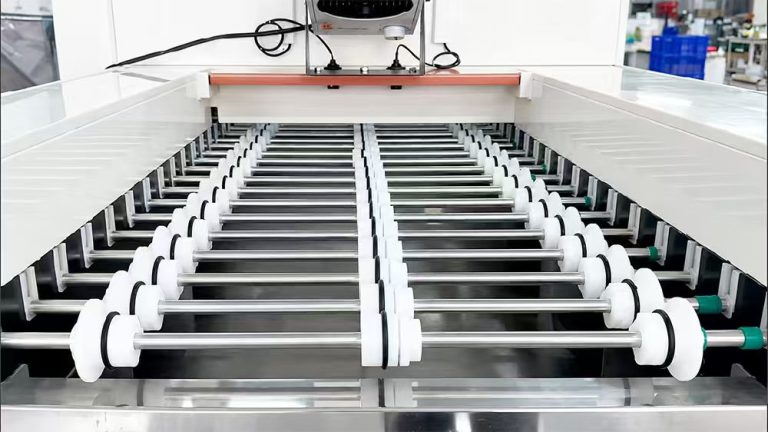
A Teflon roller used in a PCB wet line should be accepted against its working surface and mechanical interface, not against appearance alone. A clean-looking roller can still have the wrong length, bore, shaft position, surface condition, or end detail. A controlled incoming check gives engineering and purchasing a clear release record before the roller enters a chemical or water-removal section.
Define the Installed Duty Before Measuring
Record where the roller is installed, what it contacts, its rotation direction, and whether it guides, supports, separates, or removes liquid from the panel path. The same outside shape can serve different positions. The position record tells the inspector which dimensions and surface observations matter.
Identify the Process Position
Mark the machine section, roller number, panel direction, neighbouring rollers, and any upper or lower pairing. Photograph the installed position before removal when safe. Note liquid exposure, visible deposits, unusual carryover, contact marks, vibration, or tracking changes. These observations provide context for the new-part inspection without turning a worn sample into an assumed drawing.
Freeze the Reference Documents
Use the approved drawing, accepted sample, or prior inspection record. Write the revision on the incoming form. Separate design values from measurements taken from a used roller, especially when the old surface has been worn, swollen, flattened, or chemically altered.
Qixingyuan can review a Teflon roller enquiry using the machine position, drawing or sample, and photographs of the surrounding assembly. This helps buyers define the relevant replacement interface before a surface comparison is made.
Inspect the Teflon Surface Without Changing It
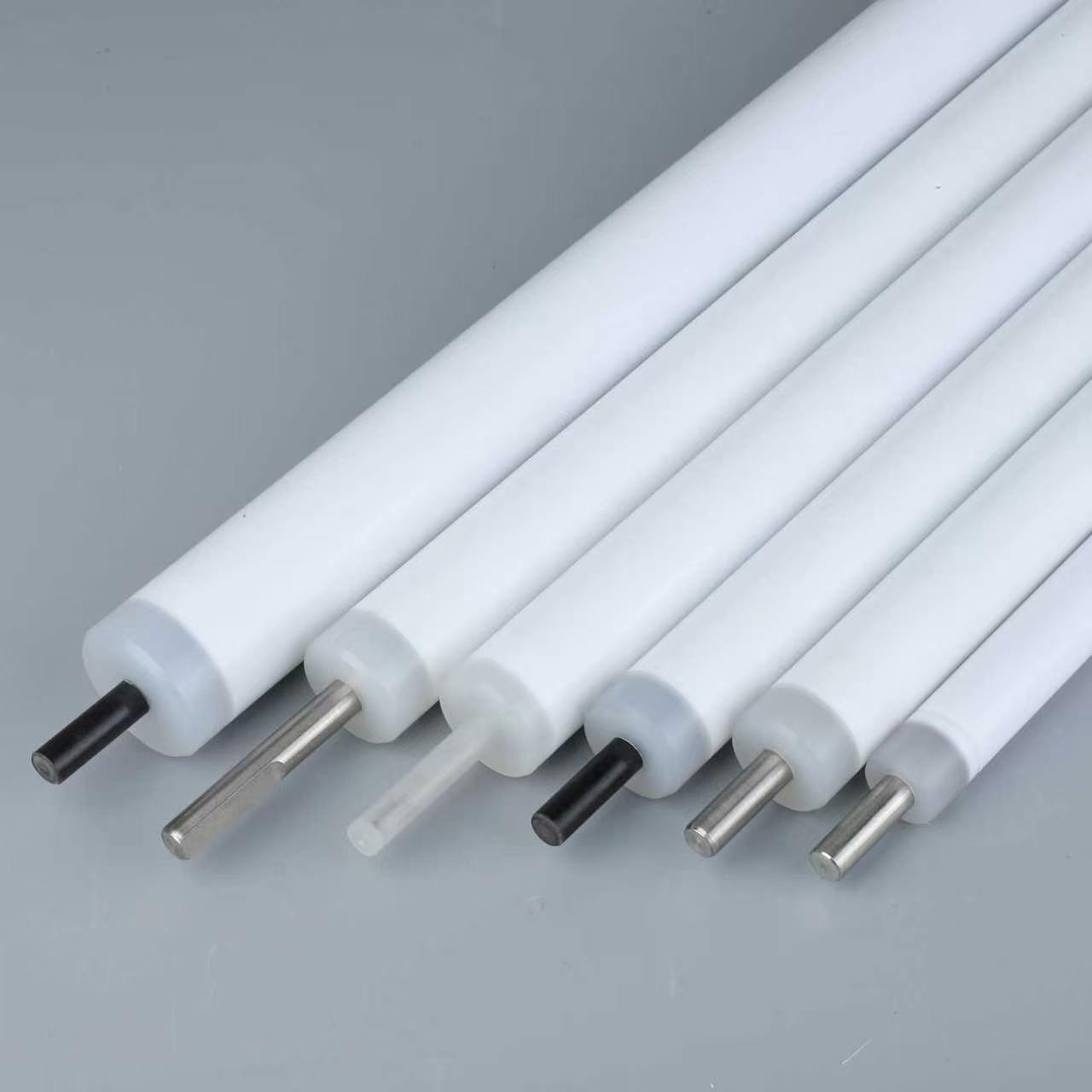
Surface acceptance should preserve evidence. Remove loose packaging material carefully, but do not polish, scrape, abrade, or chemically treat the roller before the initial record is complete.
Check Continuity and Visible Condition
Inspect the full working length under consistent lighting. Look for scratches, cuts, dents, flat areas, waviness, blisters, embedded particles, exposed substrate, loose ends, or an inconsistent finish. Mark the clock position and axial location of any defect. Photograph the defect with a scale reference and record whether it is on the contact zone, edge, or end detail.
Compare the Functional Surface
Check that the surface is continuous through the expected contact path and that the ends do not present a sharp step, loose material, or damage that could catch a panel or hold liquid. If the approved procedure specifies a surface or friction check, record the method and result rather than substituting a visual opinion.
Qixingyuan can supply and discuss PCB wet-process rollers against an approved surface description, while the buyer retains responsibility for the plant’s acceptance method and process compatibility.
Verify Dimensions and Mechanical Fit
Dimension checks should confirm both the working geometry and the way the roller enters the machine. Use the site’s calibrated tools and record the measurement method.
Measure the Working Geometry
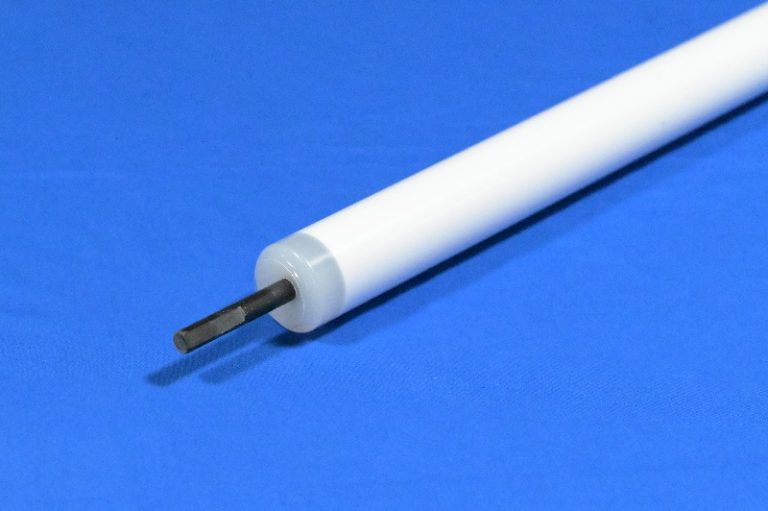
Measure outside diameter at both ends and at the centre. Rotate the roller and repeat the readings to reveal an out-of-round condition. Record working length, total length, end transitions, shoulders, grooves, holes, and any specified relief. Do not report a single diameter when the measurement changes around the circumference.
Check Shaft, Bore, and End Details
Confirm shaft or bore diameter, journal length, key or flat position, threads, retaining features, end caps, and the distance between shoulders. Compare orientation with the drawing and mark the drive side. Check bearing seats, collars, bushings, and holders for clean, unforced assembly. A correct surface can still be unusable if the shaft or end detail is wrong.
Qixingyuan can review outside diameter, working length, shaft or bore information, and end geometry from a drawing or sample before a Teflon roller replacement is quoted for a specific PCB line position.
Check the Roller in Its Assembly Context
Incoming acceptance should include the neighbouring components that control the roller’s position. This does not replace the machine owner’s installation procedure; it prevents a dimensionally correct part from being released into the wrong assembly.
Review Clearance and Pairing
Compare end clearance, support height, neighbouring roller position, guide location, and panel travel direction. If the Teflon roller works with a partner, record the pair identity and relative height or gap. Keep old and new parts labelled until the first trial is accepted.
Inspect Rotation and Retention
Use the approved isolation procedure. Check free rotation, bearing seating, drive engagement, guards, collars, and retaining features. Look for rubbing, axial movement, or contact with a cover. Photograph any deviation and record who decides whether it is a part issue or an equipment-setting issue.
Qixingyuan can review the roller together with related bearings, shafts, holders, and water-removal components when the incoming result points beyond the surface itself.
Run a Controlled Acceptance Trial
After the dimensional and visual checks pass, run a staged trial under the plant’s approved restart and chemical-safety procedures.
Observe the First Panels
Start with a permitted low-risk rotation check, then run representative panels. Record tracking, contact marks, liquid carryover, vibration, noise, surface transfer, and the condition of the roller after the trial. Use the same panel and inspection method used for the previous accepted reference where possible.
Release or Hold the Batch
Write the final status against the drawing revision and inspection record. If the roller is held, state whether the reason is surface damage, dimensional mismatch, end geometry, packaging damage, assembly interference, or an unresolved process condition. Do not silently rework the part and lose the original evidence.
Qixingyuan can support a trial quantity and drawing- or sample-based replacement discussion, while the equipment owner defines the operating conditions and final release authority.
Keep the incoming record together with:
the approved drawing or accepted sample reference;
the marked surface and dimensional inspection sheet;
the first-piece trial result and release decision.
Qixingyuan can help buyers turn those inspection records into a clear Teflon roller replacement brief for the next controlled order.
About Shenzhen Qixingyuan Equipment Parts Co.
Shenzhen Qixingyuan Equipment Parts Co. is a supplier of spares and parts for PCB horizontal wet processing equipment. Its range includes rollers, water-removal components, wheel discs, gears, shafts, bushings, nozzles, filters, air knives, and other line parts. For a Teflon roller enquiry, maintenance and purchasing teams can provide the machine position, drawing or sample, outside diameter, working and total lengths, shaft or bore details, end geometry, photographs, and the intended inspection method. Qixingyuan can discuss a replacement configuration and trial quantity while the equipment owner controls installation, chemical approval, operating settings, and final acceptance.
Conclusion
Teflon roller acceptance for PCB wet lines should connect the surface record, repeated dimensional checks, shaft and end interfaces, assembly context, and a controlled first-piece trial. This approach gives procurement a repeatable release reference and gives maintenance evidence when a surface issue is actually caused by a neighbouring component. Qixingyuan can review the documented application before a replacement is approved.
FAQs
These questions focus on practical acceptance and purchasing decisions for Teflon rollers in PCB wet-process equipment.
Which surface defects should stop incoming release?
Hold a roller when the working path has a cut, dent, flat area, blister, exposed substrate, loose end, embedded particle, or other defect that could mark a panel, catch an edge, shed material, or change liquid behaviour. Photograph and locate the defect before cleaning. The final decision should follow the buyer’s approved inspection method rather than a generic visual rule.
How many diameter readings are useful?
Measure at both ends and the centre, then rotate the roller and repeat. This reveals changes along the working length and around the circumference. Record the tool and method required by the plant quality system. A used sample may have changed shape, so compare it with the approved drawing or accepted reference and label any value that comes only from wear.
What should be checked at the shaft and ends?
Check shaft or bore diameter, journal length, shoulders, keys or flats, threads, retaining features, end caps, and drive-side orientation. Confirm bearing seats and holders fit without force. Also review end clearance and neighbouring components after installation. A sound Teflon surface does not compensate for an end detail that prevents correct seating or retention.
What belongs in a Teflon roller RFQ?
Send the machine position, drawing or intact sample, outside diameter, working and total lengths, shaft or bore information, end details, photographs, liquid duty, quantity, and planned acceptance checks. Mark measurements taken from a worn part. Qixingyuan can use this package to discuss a drawing- or sample-based replacement and a controlled trial quantity.
Qixingyuan can review the surface, dimension, interface, and trial requirements before a Teflon roller order for PCB wet-line equipment is released.
For a specification review, see the relevant Qixingyuan Teflon roller page.